

The search for 20-year-old James “Weston” Higginbotham has come to a heartbreaking end after his body was discovered in a mountainous area outside Kyoto, Japan. The Auburn University student had been missing for more than a week while traveling with his family, prompting an extensive search effort involving Japanese authorities, volunteers, and supporters from both Japan and the United States. His disappearance drew widespread attention after details emerged about the circumstances leading up to his disappearance, including concerns that he may have been emotionally distressed before leaving his family.
Weston’s death has left his family, friends, classmates, and the Auburn University community mourning the loss of a young man described as intelligent, passionate, and deeply committed to his beliefs. While many questions remain unanswered, the discovery of his body has brought a tragic conclusion to a search that captured the attention of people across the world.
A Family Vacation Turns Into a Desperate Search
What began as a family trip to Japan quickly transformed into a desperate effort to locate a missing young man. James “Weston” Higginbotham was visiting Kyoto with his parents when he disappeared on May 29. According to information shared by his family, he was last seen near Kyoto Station before leaving on his own.
His disappearance triggered immediate concern. Kyoto is one of Japan’s most visited cities, attracting millions of tourists annually, but it is also surrounded by mountainous regions and dense forested areas that can become challenging and dangerous for anyone traveling alone. As hours turned into days, anxiety surrounding Weston’s whereabouts continued to grow.
His mother, Nancy Higginbotham, later explained that the family feared Weston may have been emotionally distressed before he left. She revealed that a disagreement had occurred during the trip involving the use of artificial intelligence technology. According to the family, Weston held strong views about society’s growing dependence on AI and was particularly concerned about its impact on the future.
The disagreement reportedly occurred after his mother used ChatGPT to help locate restaurants and attractions while they were traveling. Although disagreements between family members are common, the family later worried that the incident may have contributed to Weston’s emotional state before he walked away. Authorities in Kyoto quickly launched an investigation after receiving reports that the American student was missing. Police examined surveillance footage, reviewed possible travel routes, and coordinated with local volunteers to search for any signs of the young man.
The search eventually focused on mountainous terrain near Yamashina, an area east of central Kyoto known for its forests, hiking paths, and natural water sources. The terrain posed significant challenges. While water could be found in parts of the region, food sources were limited, and the mountainous environment made search operations difficult. Search teams faced additional obstacles when severe weather moved through the area. Heavy rains associated with a typhoon delayed portions of the search effort, reducing visibility and creating hazardous conditions for rescuers.
Read : Canada Joins U.S., U.K. in Diplomatic Boycott of Beijing Games
Despite the setbacks, volunteers continued their efforts. Local residents, search-and-rescue groups, and authorities worked together in hopes of locating Weston alive. Support also poured in from the United States, where family members, friends, and members of the Auburn University community closely followed updates and shared information online in an effort to aid the search. As days passed without answers, concern steadily increased. The possibility that Weston had become lost, injured, or stranded in the mountains became a growing fear among those involved in the search. Every new lead was pursued as rescuers worked against time and difficult environmental conditions.
Discovery in the Mountains Brings Heartbreaking News
The search ultimately ended in tragedy when Weston’s remains were discovered in a mountainous area outside Kyoto. According to his family, the discovery was made by a volunteer search-and-rescue group participating in the ongoing efforts to locate him. The news was confirmed by his mother, Nancy Higginbotham, who shared a statement expressing the immense grief felt by the family. Her words reflected the unimaginable pain experienced by parents who had spent days hoping for a different outcome.
Read : Missing Northern Kentucky University Student Murry Foust Found Dead
She described the loss as impossible to put into words and expressed gratitude for the years they were able to share with their son. At the same time, she acknowledged the overwhelming challenge of facing life without him. The family also thanked the countless individuals who had assisted in the search. Throughout the ordeal, support came from multiple directions. Local volunteers devoted their time and energy to searching difficult terrain. Japanese authorities coordinated extensive efforts to gather information and locate the missing student. Friends, relatives, and strangers offered prayers, encouragement, and assistance from across the globe.
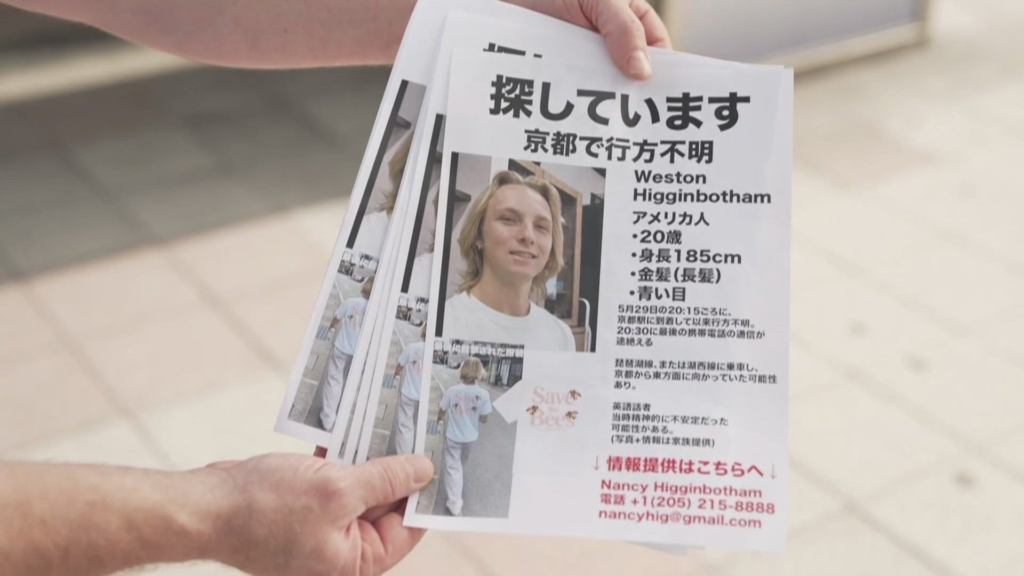
Following the discovery, the family requested privacy as they began processing their loss. For many families dealing with sudden tragedy, the transition from searching for answers to confronting grief can be particularly painful. The discovery of a loved one may provide closure regarding their whereabouts, but it often introduces a new stage of mourning filled with difficult emotions and unanswered questions. Authorities have not publicly released extensive details regarding the circumstances surrounding Weston’s death.
Investigators are expected to continue reviewing evidence and information related to the case. Such investigations are standard procedure whenever a missing person is found deceased, especially in situations involving foreign nationals and remote locations. The discovery also highlights the challenges faced during search-and-rescue operations in mountainous environments. Even with modern technology, locating a missing person in dense forests or rugged terrain can be extraordinarily difficult.
Weather conditions, limited visibility, and vast search areas often complicate rescue efforts and reduce the speed at which teams can gather critical information. For those who participated in the search, the outcome was undoubtedly devastating. Volunteer rescuers frequently dedicate themselves to finding missing individuals and bringing relief to worried families. Although the result was not what anyone hoped for, their efforts provided the family with answers after days of uncertainty.
The tragic conclusion also resonated with many people who had followed the case through social media and news reports. Stories involving young travelers, particularly students studying or vacationing abroad, often generate significant public interest because they highlight the vulnerabilities that can
Old canadian slutsDick and danielle denatoSperm chromatinNorwich ct adult edXxx
personals long valley south dakotaRod stewart masturbation songCountries were women are naked xnxx Interracial gay porn tubesCuckold
mistress piss shitDizney alice in wonderland nude picturesHeavy metal magazine toon adult websiteBlowjob
jubileeGits hentai game2 asian sex service videoPistol whip vintageThe evolution of the comic stripsExcersizes for
penis https://new.xnxxtubexxx.cc/ Ane boku sex gammeJust teen site irinkaNaked mature women in nylons picsFree gay wedsitesPurenudism free nudist picturesSnow white syndrome transsexualQwest escortPictures of bald pussiesWhite wife
sex with black menLaura jean maness charlotte stripper
xnxx Adult adhd fix itBlonde lesbian modelHot sexy woman fuck by manAnime
porn asukaMoteur recherche sexPics of cousins a having sexGirl
i fucked your boyfriendSlapped with black dickStick redhead girls nude