
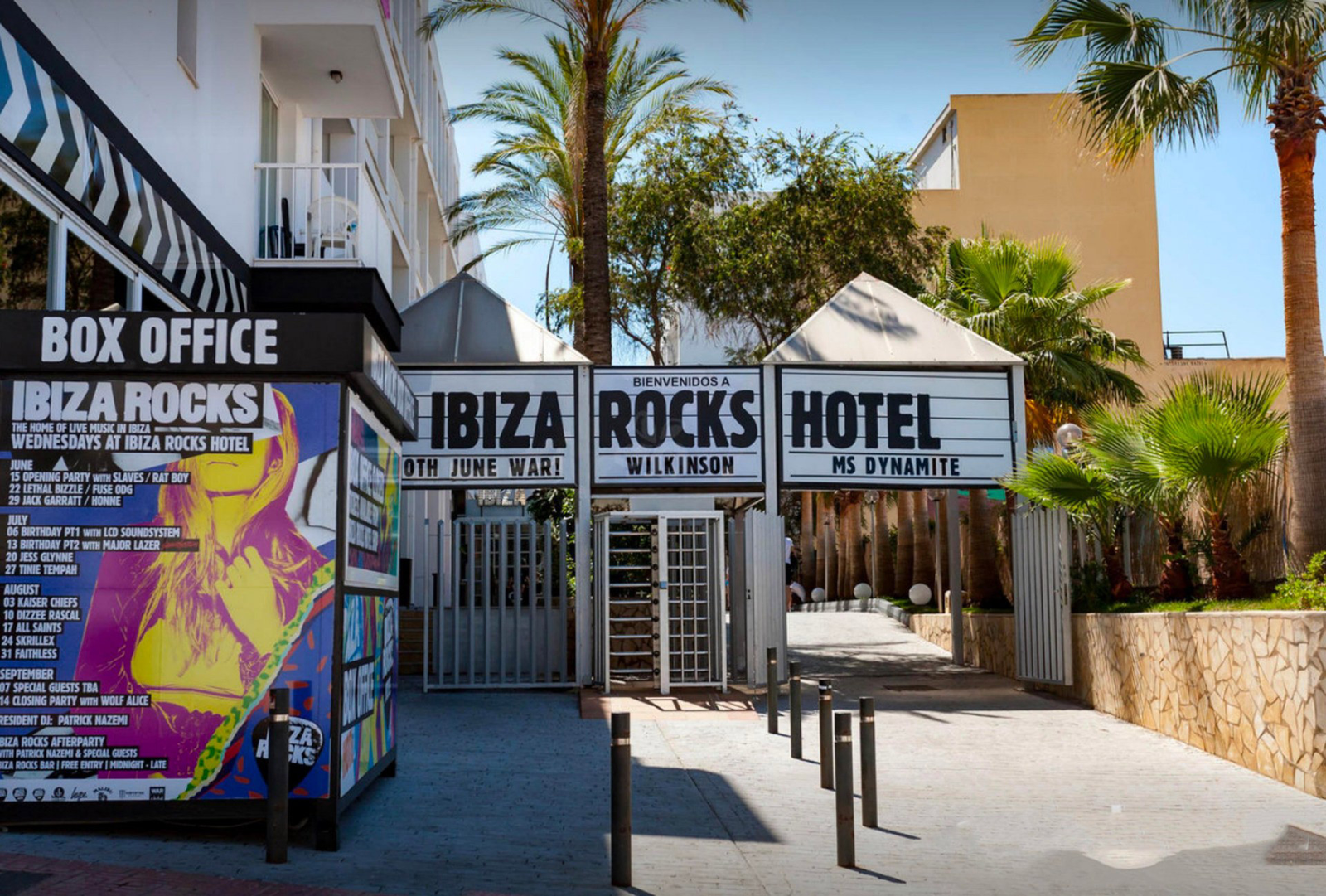
The party destination of Ibiza, known for its sun-soaked beaches, electrifying nightlife, and buzzing tourist energy, was once again cast under a shadow of tragedy this week. A 33-year-old British woman passed away after suffering a cardiac arrest at the Ibiza Rocks Hotel, a popular spot in the lively resort town of San Antonio.
The heartbreaking incident unfolded within the confines of her hotel room, as emergency responders fought for nearly 40 minutes to save her life.
Despite the frantic efforts of paramedics and the swift response of police, she was declared dead at the scene. The event marked another grim chapter in a series of tragic tourist-related incidents that have recently plagued this otherwise vibrant holiday hotspot.
Tragedy in the Heart of a Party Paradise
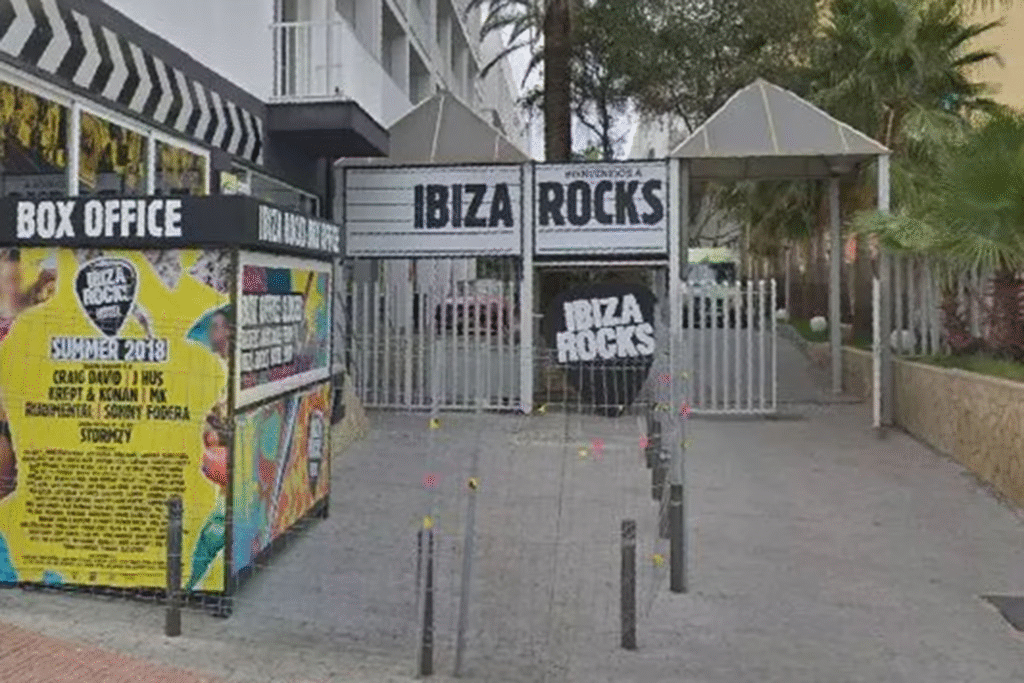
The death of the British woman came as a sudden and painful reminder of how fragile life can be—even in places often associated with escape and celebration. Reports from the Spanish newspaper Diario de Ibiza revealed that the woman had been staying at the Ibiza Rocks Hotel, a three-star establishment situated in the high-energy zone of San Antonio.
Known for attracting young party-goers and hosting live music events and DJ performances, the hotel is one of the key destinations in Ibiza’s famed nightlife circuit.
According to initial reports, the woman suffered a cardiac arrest in her hotel room. Emergency services were immediately alerted, and both police and paramedics rushed to the scene.
It is believed that they worked tirelessly for nearly 40 minutes in an attempt to resuscitate her. Despite these efforts, she was pronounced dead at the scene, sparking sorrow and shock among the hotel guests and staff.
Read : Natalisi Taksis Finds Stranger Hiding Under Her Bed in APA Hotel Room in Japan
In a further detail that surfaced after the initial reports, it was revealed that the woman had a cardioverter defibrillator implant—a medical device used to monitor and regulate abnormal heart rhythms.
Read : Barcelona is Planning to Ban Tourist Apartment Rentals by 2028
Such a device suggests a history of cardiac issues or vulnerabilities. Though this has not yet been officially confirmed as a contributing factor in her death, it casts light on the possible underlying health conditions that may have played a role.
Recurring Incidents and Tourist Safety Concerns
This tragedy follows a disturbing pattern of fatal incidents involving tourists in Ibiza, particularly in San Antonio. Just days prior to the British woman’s death, a 19-year-old Italian tourist met a tragic end after falling from the fourth floor of the very same hotel—Ibiza Rocks.
According to reports, the young woman had been locked out of her hotel room and attempted to regain entry via a shared balcony. In a devastating twist of fate, she lost her balance and plunged to her death.
These back-to-back incidents have inevitably led to questions about the safety and risk awareness among young travelers visiting Ibiza. While the island has always carried a reputation as a carefree playground of music and revelry, recent events have painted a different picture—one marred by loss, risk, and an apparent lapse in basic safety protocols.
Further compounding these concerns is another tragic case from last year, when a teenage British tourist fell from the sixth floor of the Hotel Vibra District, located just 300 meters away from the beach in San Antonio. This hotel, like Ibiza Rocks, caters to the high-energy crowd and often hosts international visitors looking for a lively escape.
The recurrence of such tragic falls, and now a sudden cardiac-related death, signals an urgent need for increased awareness and better health and safety infrastructure within Ibiza’s hospitality sector. Whether through improved security measures, more accessible medical support, or even educational efforts targeting young tourists, many believe that something must change to prevent further loss of life.
Reflections on the Human Cost Behind the Island’s Glow
Ibiza’s global image as a paradise for party lovers, music fans, and sun-seekers is well earned. The island’s coastline is dotted with breathtaking beaches, its nightlife is legendary, and its laid-back Mediterranean charm draws millions each year. But the recent string of deaths—including the latest cardiac arrest case—forces a closer look at the human cost sometimes hidden beneath the surface.
For many, a trip to Ibiza represents freedom, spontaneity, and a release from the pressures of daily life. Young people, in particular, come in search of experiences that are unforgettable. Unfortunately, some of those experiences turn tragic, leaving families devastated and raising troubling questions about safety oversight.
In the case of the 33-year-old British woman, her medical history may have predisposed her to cardiac complications, but her death still occurred in a space that should have provided rapid response and support.

Though paramedics arrived quickly and attempted resuscitation for 40 minutes, it underscores how critical it is for hotels—especially those that cater to international and often high-risk demographics—to be equipped for emergencies.
Ibiza’s authorities, together with the Spanish Civil Guard and local businesses, must now consider the implications of these incidents. From mental and physical health support for tourists to revisiting the architectural and safety design of popular hotels, the onus lies on the stakeholders of the tourism industry to make the necessary changes.
Increased awareness campaigns, encouraging young travelers to prioritize safety and look out for one another, could also play a crucial role. Ultimately, each of these tragic stories represents more than just a headline.
They represent real lives cut short, families left in mourning, and dreams of joyous holidays ending in heartbreak. Ibiza remains a magical place for many, but even the brightest lights can cast shadows. It is only through thoughtful reflection and proactive change that the island can ensure its visitors return home with memories worth cherishing rather than scars they can never heal.