
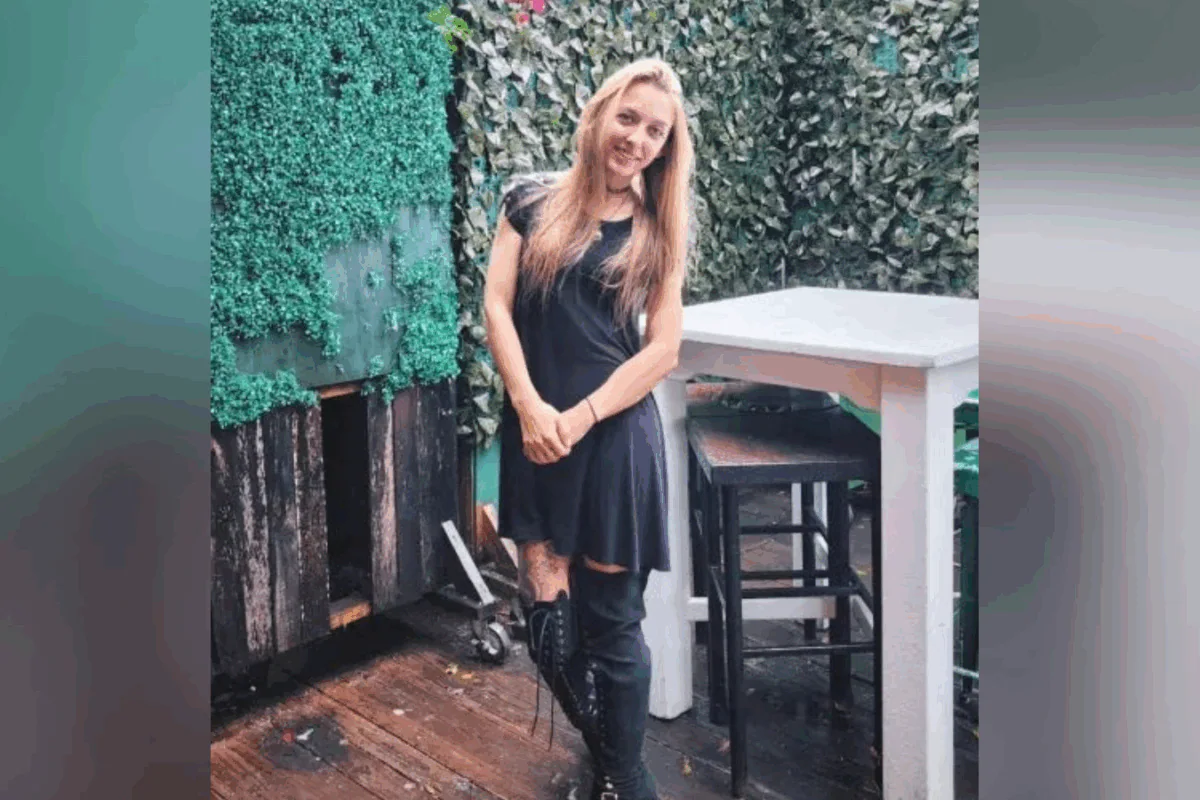
A tragic alligator attack in central Florida has drawn widespread attention after 31-year-old Brittany Clark lost her life while swimming in a shallow section of the Econlockhatchee River. What began as a relaxing summer outing with her boyfriend and a close friend ended in a horrifying emergency that unfolded within moments. Despite a desperate rescue attempt by her boyfriend, Chance Allison, Clark suffered devastating injuries and later died while being transported to a hospital.
The incident has renewed concerns about alligator encounters during Florida’s warmer months, when the reptiles become more active because of breeding season and changing environmental conditions. As investigators continue examining the circumstances surrounding the attack, the tragedy has left family, friends, and the local community mourning the sudden loss of a young woman whose final moments were marked by extraordinary courage from those trying to save her.
Who Was Brittany Clark?
Brittany Clark was a 31-year-old woman whose life ended in a devastating wildlife attack inside Florida’s Little Big Econ State Forest. Although limited personal information has been publicly released about her background, the circumstances surrounding her death have brought national attention to her story. She had spent the day hiking with her boyfriend, Chance Allison, and her best friend before the group decided to cool off by entering the Econlockhatchee River.
According to investigators, the water where they entered was only around three feet deep, giving no immediate indication that it would become the scene of a fatal attack. Like countless visitors who enjoy Florida’s rivers during the summer, the group reportedly stopped to swim after hiking through the state forest. Authorities have stated that there is no evidence suggesting Clark or anyone with her disturbed, provoked, or attempted to interact with the alligator before the attack.
Officials believe the encounter was sudden and unexpected, highlighting the unpredictable nature of large wild reptiles inhabiting freshwater environments across the state. Clark’s death has resonated with many because of the extraordinary efforts made by those around her. Her boyfriend fought to free her from the animal despite placing himself in grave danger, while their companion urgently called emergency services as the horrifying situation unfolded. Their actions reflected a desperate determination to save Clark’s life even as the severity of her injuries became apparent.
The tragedy has also sparked renewed discussion about recreational swimming in natural waterways that serve as habitats for alligators. Wildlife experts have long warned that even shallow water does not eliminate the possibility of dangerous encounters, especially during seasons when the reptiles display increased territorial and breeding-related behavior. While Brittany Clark is now remembered primarily because of the heartbreaking incident that claimed her life, those closest to her have been left grieving a sudden loss that occurred during what was meant to be an ordinary outdoor adventure.
How the Fatal Alligator Attack Unfolded
The attack occurred on Sunday, June 28, in the Econlockhatchee River within Little Big Econ State Forest, located roughly 30 miles inland from Orlando. Authorities said Clark entered the river with Allison and her best friend after spending time hiking in the area. Investigators believe the attack happened almost instantly. A massive alligator suddenly lunged toward Clark and clamped onto one of her arms. Once it secured its grip, the reptile performed the powerful spinning maneuver commonly known as a “death roll,” which alligators use to overpower prey and tear flesh by rotating rapidly underwater.
The tremendous force of the maneuver dragged both Clark and Allison beneath the water as he desperately attempted to free her from the animal’s grip. Despite the obvious danger to himself, Allison reportedly refused to let go and fought the alligator in an effort to save Clark. Officials later explained that Allison succeeded in freeing one of Clark’s arms. However, the alligator immediately seized her other arm, continuing the violent struggle. Eventually, the reptile released Clark, allowing Allison to pull her toward the riverbank.
Read : Who is Brooke George, 23-Year-Old TikTok Influencer Charged With Murder of Boyfriend in Dubai?
Once ashore, Allison immediately began performing CPR while emergency responders rushed to the location. Unfortunately, Clark had suffered catastrophic injuries during the attack. One of her arms had been completely torn off, while the other was nearly severed. The extent of her injuries resulted in massive blood loss. Despite emergency medical efforts, Clark died while being transported to the hospital.
This one is hard to read.
— Mario Nawfal (@MarioNawfal) July 2, 2026
Brittany Clark, 31, was swimming with her boyfriend and best friend during a hike in Little Big Econ State Forest when a 13-foot gator attacked in shallow, murky water.
Her boyfriend fought the animal desperately, freeing one arm before it clamped…
Recordings of the frantic 911 call captured the sheer panic experienced by those at the scene. One caller informed the dispatcher that Clark had lost one arm entirely and that the other was barely attached. Another voice, believed to be Allison, repeatedly pleaded for emergency responders to arrive quickly, telling dispatchers that Clark was losing an enormous amount of blood. Throughout the emotional call, another woman cried out for help, describing Clark as her best friend while begging authorities to hurry. The recordings have since illustrated just how rapidly the peaceful outing transformed into a desperate fight for survival.
Florida Fish and Wildlife Conservation Commission spokesperson Chad Weber later confirmed that Allison had managed to keep hold of Clark after the alligator finally released her. Weber praised the efforts made at the scene while explaining that Clark ultimately succumbed to the severity of her injuries during transport. Authorities emphasized that there was nothing to suggest the group had acted recklessly or attempted to provoke the alligator. Instead, investigators believe they became victims of a sudden wildlife encounter in an area known to support large alligator populations.
Investigation Continues as Officials Warn About Alligator Season
Following the fatal attack, the Florida Fish and Wildlife Conservation Commission launched a full investigation into the incident. Wildlife officers and licensed trappers quickly searched the surrounding area in an effort to identify the animal responsible. During the operation, two exceptionally large alligators measuring approximately 12 feet and 13 feet were captured from the vicinity of the attack. Investigators collected DNA samples from the animals for forensic testing to determine which one was responsible for attacking Clark.
Read : 17-Year-Old Dalaysia Terrell-Brown Accused of Stabbing Boyfriend Ta’Mar Shaw to Death
Officials also conducted examinations of the suspected alligator for physical evidence connected to the incident. The investigation remains focused on scientifically confirming the identity of the animal involved rather than relying solely on its size or location. According to Chad Weber, investigators found no indication that anyone in Clark’s group had harassed, fed, or interfered with the alligator before the attack occurred. Instead, authorities believe natural environmental conditions likely contributed to the encounter.
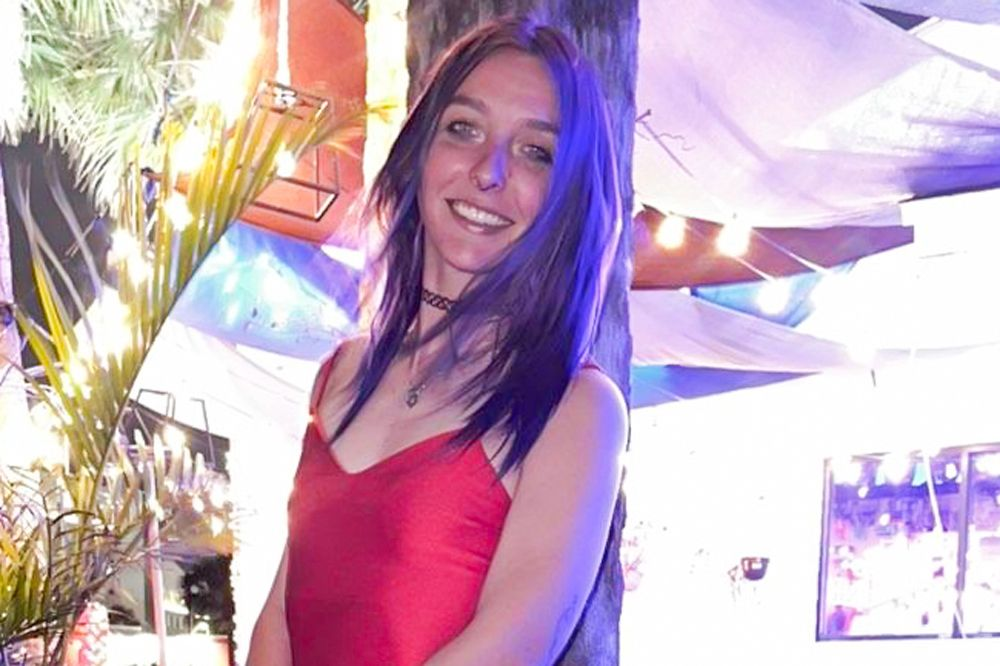
Wildlife officials explained that lower-than-normal water levels may have concentrated both people and alligators into narrower sections of the river, increasing the likelihood of close contact. Additionally, territorial behavior associated with breeding season may have made the reptile more aggressive than usual. Experts note that alligator mating season begins in early April and continues through the warmer months, a period during which the animals become more active, travel greater distances, and may respond more aggressively when humans enter their habitat.
Although attacks remain relatively uncommon considering Florida’s large alligator population, wildlife authorities consistently urge residents and visitors to exercise caution near rivers, lakes, ponds, canals, and other freshwater environments where the reptiles naturally live. Safety recommendations include avoiding swimming in unfamiliar freshwater areas, staying away from the water’s edge at dawn and dusk when alligators are often most active, supervising children closely, and never feeding wild alligators, as doing so can cause them to associate humans with food.
The fatal attack involving Brittany Clark is one of several alligator-related incidents reported across central Florida in recent weeks, prompting renewed reminders from wildlife officials about respecting natural habitats and recognizing the potential dangers posed by large predators. For Clark’s loved ones, however, the focus remains on the devastating loss of a daughter, partner, and friend whose life was cut short during what should have been an ordinary summer day outdoors.
Her boyfriend’s courageous attempt to rescue her demonstrated extraordinary bravery under unimaginable circumstances, but despite every effort, the injuries inflicted by the alligator proved impossible to overcome. As forensic testing continues and investigators work to complete their findings, Brittany Clark’s death serves as another tragic reminder of the unpredictable risks that can exist in Florida’s wild waterways, particularly during periods when alligators are at their most active.
I really like what you guys tend to be up too. This type of clever work and reporting! Keep up the excellent works guys I’ve you guys to my own blogroll.