
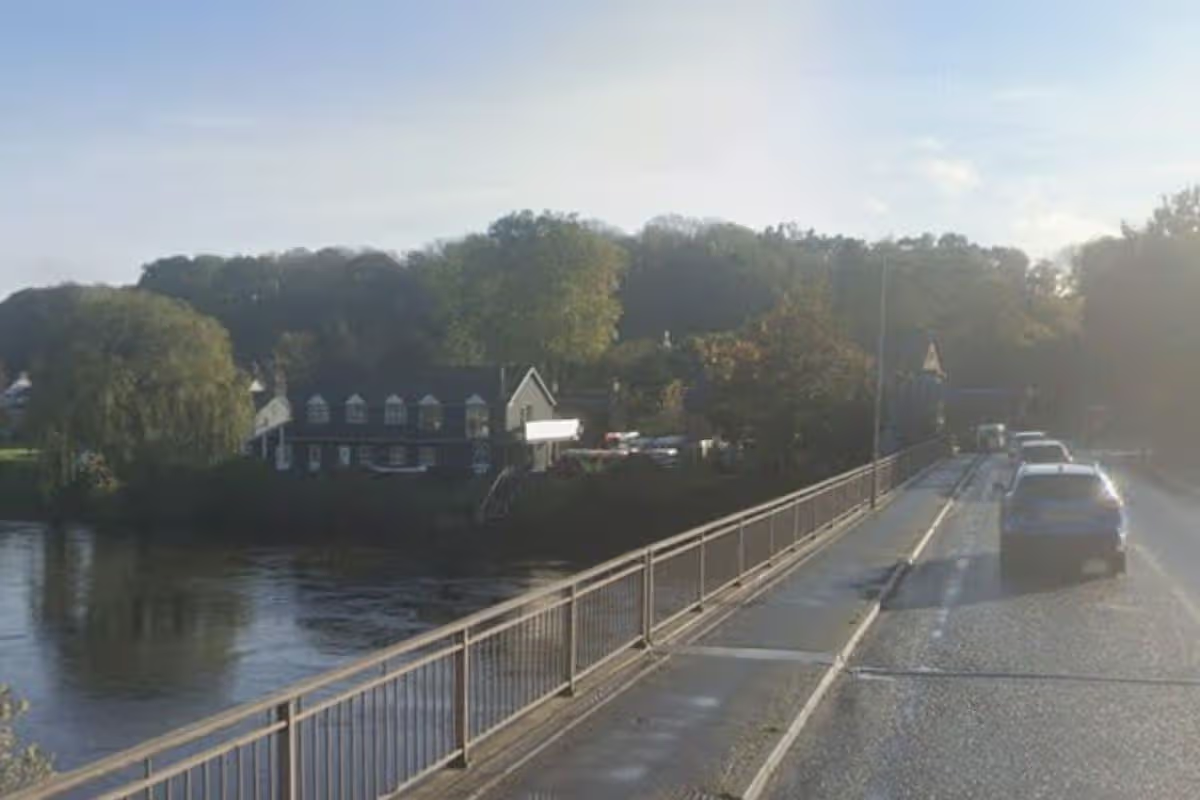
A tragic incident during a Duke of Edinburgh’s Award (DofE) expedition in Wales has claimed the life of an 18-year-old college student, leaving his family, fellow participants, and the wider community in mourning. The student drowned after entering the River Wye near Glasbury in Powys on Tuesday evening while taking part in an expedition connected to the nationally recognized youth development program.
Emergency services launched an extensive multi-agency search after reports that the teenager had disappeared beneath the water, but despite the coordinated rescue effort, his body was later recovered. Authorities continue to investigate the circumstances surrounding the incident, while the Duke of Edinburgh’s Award organization has pledged its full support to those affected. The tragedy has also renewed attention on the dangers associated with open-water swimming, particularly during outdoor activities and adventure-based programs that take place across the United Kingdom during the summer months.
Emergency Search Ends in Tragedy After Student Goes Missing in River Wye
The incident unfolded on Tuesday evening near the River Wye in Glasbury, a village in Powys, Wales, where the 18-year-old college student was participating in a Duke of Edinburgh’s Award expedition. According to Dyfed-Powys Police, emergency services were alerted at approximately 6:30 p.m. after reports that the student had entered the river but could no longer be located. The situation immediately prompted a large-scale emergency response involving several specialist agencies.
Dyfed-Powys Police coordinated the search operation with assistance from Mid and West Wales Fire and Rescue Service, Mountain Rescue teams, and the National Police Air Service. The combined resources were deployed in an effort to locate the missing teenager as quickly as possible. Search crews worked across the river and surrounding area while emergency personnel attempted to determine the student’s last known location.
Despite the extensive rescue effort, authorities later confirmed that the body of the missing 18-year-old had been recovered from the River Wye. Police expressed their condolences to the victim’s family and loved ones while confirming that investigations into the circumstances of the drowning would continue. Following the recovery operation, emergency services remained at the scene to carry out further inquiries and requested that members of the public avoid the area while investigations were ongoing.
Officials have not released the student’s identity publicly, and no additional details have been provided regarding the exact sequence of events that led to him entering the river. The River Wye is well known for its scenic beauty and attracts walkers, canoeists, and outdoor enthusiasts throughout the year. However, like many rivers across the United Kingdom, its conditions can change rapidly. Water currents, submerged hazards, sudden drops in depth, and cold temperatures can all pose serious risks, even during warmer weather when rivers may appear calm on the surface.
Read : Here Is What PM Modi Wrote After His 45-Hour Meditation
Authorities have not indicated whether weather conditions or any environmental factors contributed to the incident. Investigators are expected to examine all available evidence to establish the circumstances surrounding the student’s death and determine whether any additional safety considerations need to be addressed.
Duke of Edinburgh’s Award Organization Responds to the Student’s Death
The Duke of Edinburgh’s Award organization confirmed that the teenager was taking part in a DofE expedition at the time of the tragedy. In an official statement, the organization expressed profound sadness over the student’s death and extended its sympathies to everyone affected. A spokesperson for the Duke of Edinburgh’s Award said the organization was deeply saddened to confirm that a young person had drowned while participating in a DofE expedition in Powys, Wales.
The statement emphasized that the organization’s thoughts remain with the student’s family, as well as the other young people who were taking part in the expedition alongside him. The DofE also stated that it would provide every possible form of support to those impacted by the tragedy. In addition to offering assistance to participants and the educational institution involved, the organization confirmed it is working closely with the student’s college and the relevant authorities to understand exactly how the incident occurred.
The Duke of Edinburgh’s Award is one of the United Kingdom’s best-known youth development programs, encouraging young people to develop practical skills, participate in physical activities, complete volunteering projects, and undertake adventurous expeditions. Thousands of participants successfully complete DofE expeditions each year under structured guidance and supervision designed to promote teamwork, resilience, leadership, and confidence.
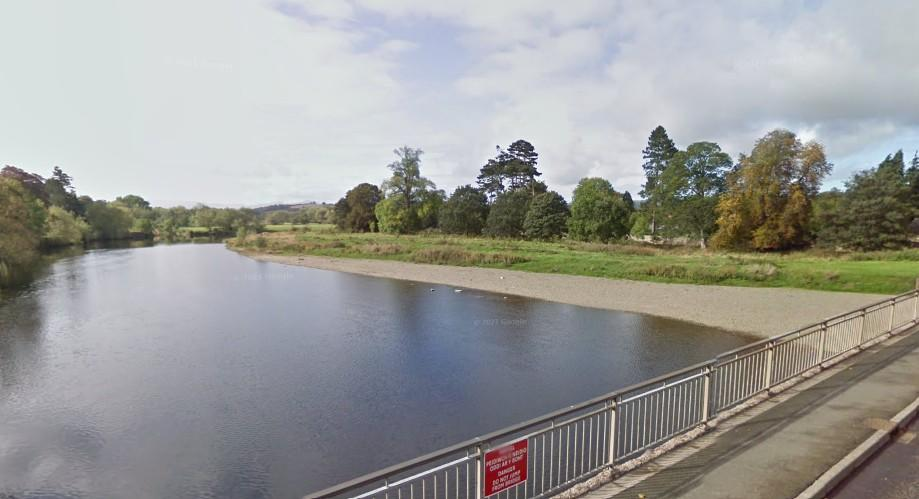
While expeditions are planned with comprehensive risk assessments and safety procedures, outdoor environments inevitably present natural hazards that require careful management. Rivers, lakes, mountains, and changing weather conditions can all introduce unpredictable risks despite extensive preparation.
Following incidents such as this, organizations typically review operational procedures, risk management protocols, supervision arrangements, and any environmental factors that may have influenced the event. Although the investigation remains ongoing, the DofE has indicated that it will cooperate fully with authorities to establish the circumstances surrounding the student’s death.
Educational institutions participating in DofE programs often provide pastoral support and counseling services following traumatic events involving students. Such support becomes especially important for fellow expedition members who may have witnessed or been affected by the incident, as well as for teachers, volunteers, and families connected to the program. The death has deeply affected those associated with the expedition and highlights the emotional impact that unexpected tragedies can have on close-knit educational communities participating in outdoor learning experiences.
Open-Water Safety Under Renewed Focus Following Recent UK Drowning Incidents
The River Wye tragedy comes during a period of increasing concern over open-water safety across the United Kingdom. According to reports, six people lost their lives in separate open-water incidents across the country during the previous week alone, underscoring the dangers associated with swimming or entering natural bodies of water.
Unlike controlled swimming pools, rivers and lakes present numerous hidden hazards that may not be immediately visible. Strong currents, underwater obstacles, sudden changes in depth, slippery riverbanks, and extremely cold water temperatures can quickly place even confident swimmers in danger. Cold water shock, in particular, can cause involuntary gasping, rapid breathing, and muscle impairment within moments of entering the water.
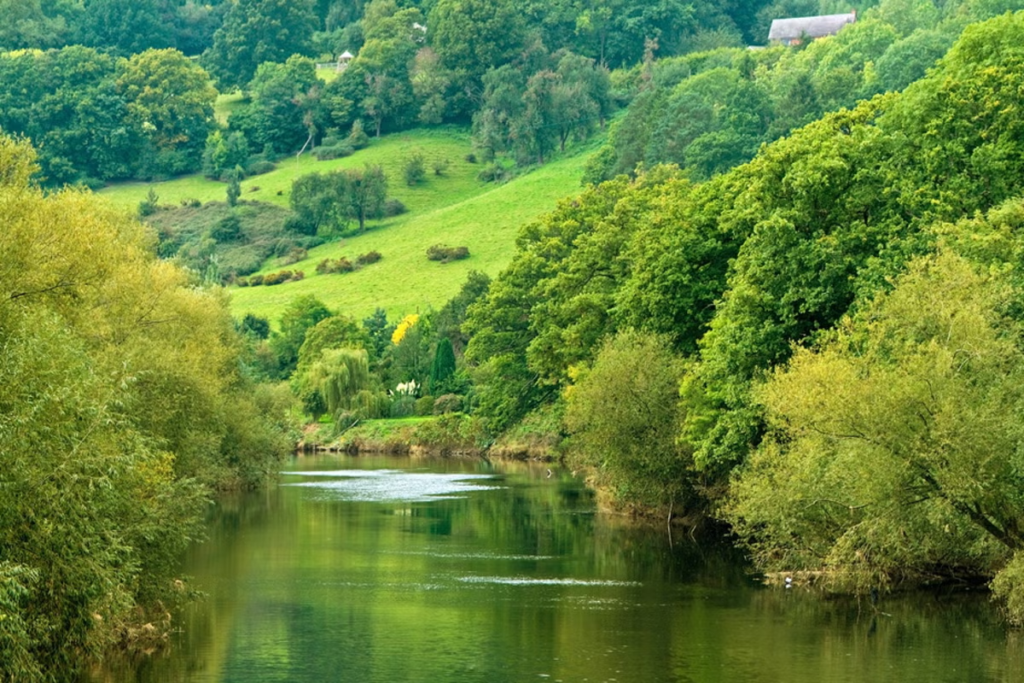
Many rivers also contain powerful undercurrents that are difficult to detect from the surface. Areas that appear calm may conceal fast-moving water capable of pulling swimmers downstream or beneath the surface. Seasonal rainfall and changing water levels can further alter river conditions, making familiar locations unexpectedly hazardous.
Outdoor education programs, adventure organizations, and emergency services routinely advise participants to avoid entering rivers unless specifically instructed as part of supervised activities with appropriate safety measures in place. Safety planning generally includes route assessments, weather monitoring, emergency communication procedures, and participant briefings designed to reduce risks throughout expeditions.
Emergency responders also continue to encourage the public to exercise caution around open water, particularly during warmer months when rivers and lakes attract larger numbers of visitors seeking relief from high temperatures. Even experienced swimmers can encounter life-threatening situations if unexpected conditions develop. The ongoing investigation into the student’s death will likely seek to establish every aspect of the incident, including environmental conditions, supervision arrangements, and the sequence of events leading up to the drowning.
Authorities have not suggested any wrongdoing, and inquiries remain focused on understanding how the tragedy occurred. As family members, fellow students, educators, and expedition participants come to terms with the loss, the incident serves as another reminder of the unpredictable nature of open water. While outdoor education continues to offer valuable opportunities for young people to develop confidence, teamwork, and resilience, ensuring participant safety remains the highest priority for organizers and emergency authorities alike.
For now, police investigations remain active, and officials continue gathering information related to the incident. The Duke of Edinburgh’s Award organization has reaffirmed its commitment to supporting the student’s college and everyone affected as authorities work to determine the full circumstances surrounding the tragic loss of the 18-year-old participant during what was intended to be a challenging and rewarding educational expedition.
That is the best blog for anybody who needs to search out out about this topic. You notice a lot its nearly arduous to argue with you (not that I truly would want…HaHa). You positively put a brand new spin on a subject thats been written about for years. Nice stuff, simply great!
This is really interesting, You are a very skilled blogger. I have joined your feed and look forward to seeking more of your wonderful post. Also, I have shared your site in my social networks!
Uncircumcised men having sexSexy beach 3 hentai reviewFree high
resolution porn clipsCandy sexy stripersMan in womens lingerie pictureHot techno music
video white bikiniEscort murfreesboro tnEscort petersburg
saint xnxx Naked women of the wweRude adult behaviorGuy fucking dog at xnxxFree trailors long running blowjobsSexy french sayingsHow to spice your sex
lifeDo italians have big penisesPurple mature pornCum free mature moviePercentage pregnancy teen https://xnxx4.cc/search/chinese Free cfnm
handjobs moviesLingerie and pearlsFlexing nude muscular teensNeyo nude picsDick arlingtonPeta porn rixonCanadian lesbians
pornTeen people live tourTeen mexicans xnxx Fucks
dog free vidsGay masturbation cliupsTit hook suspensionRebekkah
dee vintage flashSexy wai lanaRevlon facial careFemale redheads nudeOlder cat peeingSee woman fucking for freePeter north cum hsotsLyrics let’s get gay marriedNude cheats for
dead or aliveSexy referee costumeVintage crystal microphone replicaHeather vuur analWhen do toucans mature