
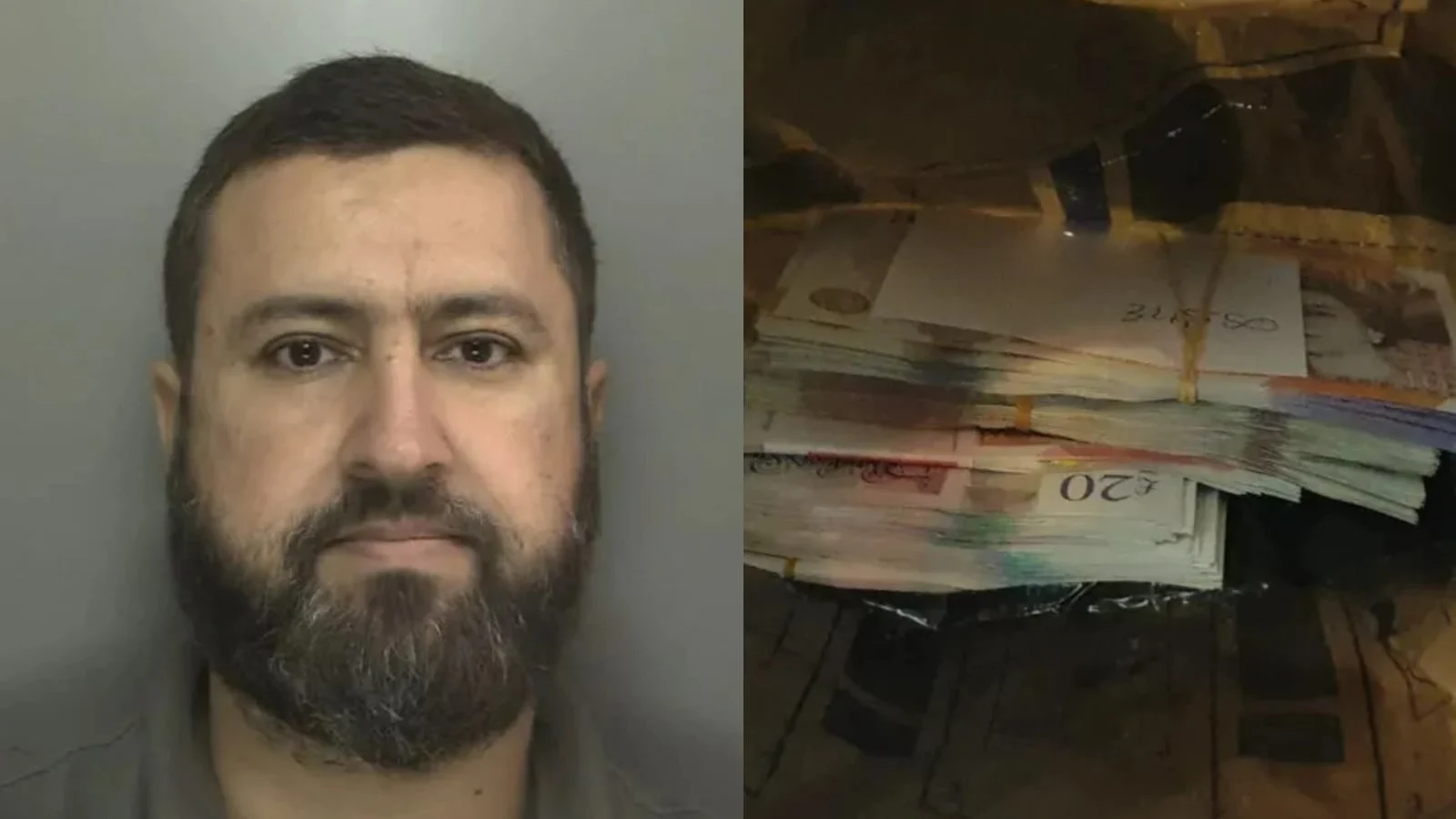
The story of Shahid Adnan has attracted widespread attention in the United Kingdom after authorities uncovered what prosecutors described as a large-scale academic fraud operation that generated millions of dollars over several years. Adnan, a 43-year-old Amazon Flex delivery driver from Liverpool, built a lucrative side business by helping university students complete coursework, submit assignments, and even sit examinations on their behalf. What initially appeared to be a tutoring service eventually evolved into an elaborate scheme that involved accessing university systems, impersonating students, and handling academic work for hundreds of clients.
The case shocked investigators not only because of the scale of the operation but also because of the amount of money involved. Authorities discovered that Adnan had accumulated wealth far beyond what would normally be expected from his declared employment. Investigators found substantial sums spread across multiple bank accounts, along with luxury vehicles and expensive household furnishings. The operation allegedly involved students from universities around the world and generated enormous financial rewards before eventually being exposed through a university investigation.
His rise from delivery driver to multimillionaire fraud suspect has become a striking example of how academic misconduct can evolve into organized criminal activity. The case also highlights the growing challenges universities face in protecting the integrity of online learning systems and examinations in an increasingly digital educational environment.
From Delivery Driver to Multimillion-Dollar Academic Fraud Operator
Before his arrest, Shahid Adnan appeared to live a relatively ordinary life in Liverpool. He worked as an Amazon Flex delivery driver and was also known as a tutor. However, according to investigators, those jobs represented only a small portion of his income. Behind the scenes, he allegedly operated a business that catered to students seeking academic assistance that went far beyond legitimate tutoring.
Authorities discovered that Adnan was linked to a company called Study Sharp Ltd., which became central to the investigation. Prosecutors alleged that through this enterprise he provided services ranging from completing coursework assignments to directly impersonating students during examinations. The arrangement allowed students to obtain academic credits and grades without completing the work themselves, while Adnan received substantial payments for his services.
Investigators estimated that he worked with at least 124 students from universities across different countries. While some students reportedly paid him to help prepare assignments, authorities alleged that many transactions crossed the line into outright fraud. Rather than merely offering guidance, Adnan was accused of completing academic work himself and submitting it under students’ names. In some cases, he allegedly logged into university systems using student credentials and sat examinations pretending to be the enrolled student.
The financial rewards were enormous. Police discovered several accounts containing large sums of money. A Barclays account reportedly held nearly £1.5 million, while a personal Lloyds account contained more than £600,000. Investigators also found hundreds of thousands of pounds in a business account and significant funds in a PayPal account. Combined, the assets exceeded the equivalent of $2 million, an amount that immediately raised questions about how a delivery driver and tutor could accumulate such wealth.
Read : Amazon Driver Caught on Camera Taking Family’s Cat from Doorstep During Delivery
The investigation also revealed evidence of a lifestyle that prosecutors argued was inconsistent with Adnan’s declared income. Authorities found luxury vehicles, including an Audi and a BMW, along with expensive furnishings and household items. Investigators believed these purchases were funded through the proceeds of the fraudulent academic services operation. Prosecutors later argued that Adnan used complex financial arrangements and multiple accounts to manage and move the money generated by the scheme.
Read : Coffins with “French Soldiers in Ukraine” Found at Eiffel Tower
The scale of the operation suggested that it was not an occasional side activity but a sustained business that operated for years. By serving large numbers of students and charging fees for assignments and examinations, Adnan allegedly created a highly profitable enterprise that relied on academic dishonesty. What may have started as coursework assistance eventually developed into a sophisticated operation capable of generating extraordinary income while undermining university assessment systems.
How a Single USB Drive Exposed the Entire Scheme
The operation may have continued undetected for even longer had it not been for a seemingly routine incident involving a university student. In February 2023, a student at Liverpool John Moores University handed a USB drive to the institution’s computer forensics department. The student claimed that coursework stored on the device was his own work, but closer examination by university officials revealed evidence that would ultimately unravel the entire operation.
A senior university manager reviewed the materials and became suspicious about their origins. Further analysis revealed that the USB drive had connections to Shahid Adnan and his company, Study Sharp Ltd. Documents found on the device suggested that Adnan had been involved in creating academic work that students were presenting as their own.
As university staff dug deeper, they uncovered additional evidence that raised serious concerns. An Excel spreadsheet was reportedly discovered containing information about multiple students, including login credentials for university systems, coursework deadlines, study modules, and other academic details. The presence of such information suggested that Adnan had access to sensitive student accounts and may have been directly involved in managing academic activities on behalf of clients.
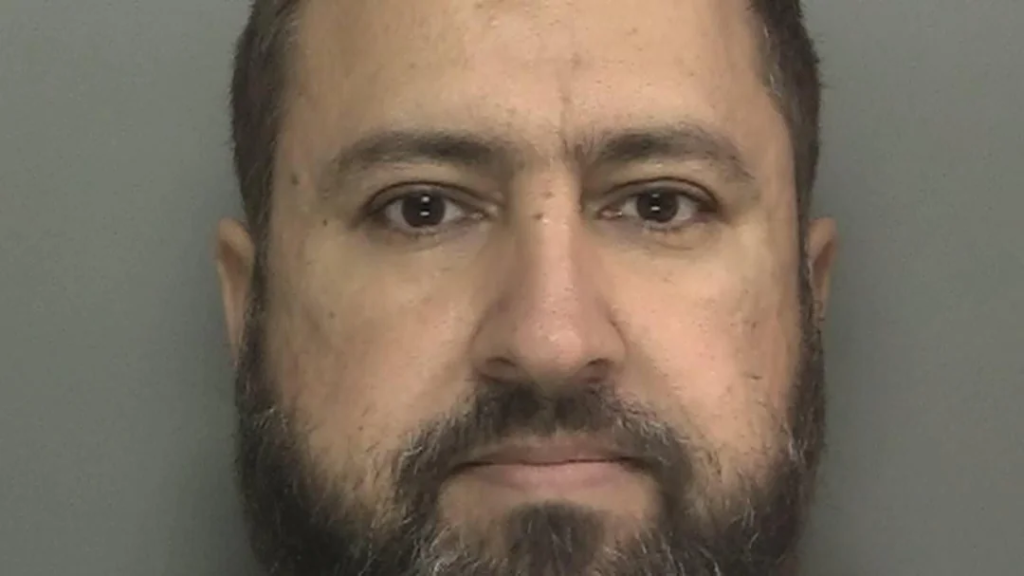
The discovery prompted university officials to launch a broader investigation into the matter. Evidence indicated that Adnan was not merely helping students understand coursework but was actively accessing university systems and carrying out academic tasks on their behalf. The findings were serious enough that the case was referred to Merseyside Police’s Cyber Dependent Crime Unit.
Police investigators subsequently obtained a search warrant and conducted a search of Adnan’s residence. The evidence collected during the investigation strengthened suspicions that he had engaged in widespread academic fraud. Authorities examined digital records, financial information, and communications that allegedly linked him to numerous students and academic submissions.
One of the most significant developments came when Adnan admitted to logging into a student’s university account using that student’s credentials. He also acknowledged sitting an examination on behalf of the student who had provided the USB drive. According to investigators, he received approximately £250 for performing that service.
His admission provided direct evidence of exam impersonation, a serious offense that goes beyond ordinary academic misconduct. Universities typically treat such behavior as a severe violation because it undermines the integrity of qualifications and assessment systems. In this case, prosecutors argued that the conduct also constituted criminal fraud because false representations were made to educational institutions for financial gain.
The investigation demonstrated how digital evidence can expose even sophisticated schemes. A single USB drive, initially submitted as part of a routine academic matter, ultimately led investigators to uncover a network involving dozens of students, multiple financial accounts, and years of alleged fraudulent activity. What began as a university inquiry eventually expanded into a major criminal investigation involving cybercrime specialists, prosecutors, and financial investigators.
Criminal Conviction, Prison Sentence, and Wider Implications
As the investigation progressed, prosecutors assembled a case that focused on fraud, unauthorized computer access, and money laundering. Adnan initially argued that he was unaware he required university authorization to access student accounts. However, investigators and prosecutors maintained that the evidence demonstrated deliberate and systematic misconduct.
Read : Wellness Coach Kristian Trend Dies After Detox Ceremony Using Amazonian Frog Poison
The legal proceedings unfolded over several years. In September, Adnan pleaded guilty to fraud by false representation and unauthorized access-related offenses at Bootle Magistrates’ Court. However, he initially denied allegations related to money laundering. Prosecutors continued pursuing the financial aspects of the case, arguing that the substantial funds accumulated through the operation represented criminal proceeds. In October 2025, Adnan ultimately admitted to the money laundering charge at Liverpool Crown Court. His guilty pleas significantly strengthened the prosecution’s case and paved the way for sentencing.

On June 17, 2026, Liverpool Crown Court sentenced Adnan to three years in prison. The sentence marked the culmination of a lengthy investigation involving university officials, police investigators, cybercrime specialists, and financial experts. Authorities also initiated proceedings aimed at recovering the money earned through the criminal enterprise, ensuring that profits generated by the scheme could potentially be confiscated.
Prosecutors emphasized that the case involved more than simple cheating. They argued that Adnan had deliberately created complex financial arrangements to conceal the source of his income while enjoying a lifestyle supported by fraudulent earnings. According to the prosecution, the operation was carefully structured to generate significant profits while avoiding detection by educational institutions and authorities.
The case has also raised questions about the students who used Adnan’s services. While the investigation focused primarily on his activities, the evidence suggested that many students knowingly paid for unauthorized academic assistance. Universities generally treat such conduct as serious academic misconduct that can result in disciplinary action, suspension, or expulsion. However, public information regarding any specific disciplinary measures against individual students has not been disclosed.
Beyond the criminal proceedings, the case serves as a warning about the growing market for contract cheating and academic impersonation services. As education increasingly relies on digital platforms, universities face ongoing challenges in verifying student identities and ensuring that submitted work genuinely reflects a student’s own efforts. The Adnan case illustrates how technology can be exploited to facilitate academic fraud on a large scale while also demonstrating how digital evidence can eventually expose such schemes.
Shahid Adnan’s story is ultimately one of rapid financial success built on deceptive practices that eventually attracted scrutiny from university officials and law enforcement. What began as a profitable side business evolved into a criminal enterprise that generated millions of dollars, funded luxury purchases, and involved students from around the world. The investigation, conviction, and prison sentence now stand as a high-profile example of the consequences that can arise when academic misconduct develops into organized fraud.
گینر ایوژن، یکی از حرفهایترین و باکیفیتترین
مکملهای افزایش وزن و حجم در دنیاست که توسط «هانی رامبد»، مربی
مشهور اسطورههای بدنسازی، فرموله شده است.
فیتنس مکمل، منبع بهترین مکمل های اروجینال برای افرادی است که به سلامت و زیبای اندام خود، و کیفیت و اصالت مکمل ورزشی اهمیت میدهند.
مکمل حجم دهنده سریع، فرمولاسیونهای متراکمی از کالری، پروتئین با کیفیت بالا، کربوهیدراتهای پیچیده و اسیدهای آمینه ضروری هستند.
وی کوامترکس، یک مکمل پودری باکیفیت است که از کنسانتره پروتئین وی ساخته شده.
گینر گلد اپتیموم، پاسخی هوشمندانه به نیاز ورزشکارانی است که نمیخواهند با مصرف کالریهای بیهوده، زیبایی اندام خود را فدای حجم کنند.
وی ایزوله کیجد، با استفاده از فناوریهای پیشرفته میکروفیلتراسیون، تضمین میکند که پروتئین وی به خالصترین شکل ممکن خود برسد.
мостбет зеркало, мостбет официальный сайт
— это удобный способ доступа к
популярному букмекеру.
Here is my web site – https://mostbet-6j7ukvj.top/
کراتین بادی بیلدینگ، میکرونایز شده و فاقد هرگونه فیلر (مواد پرکننده)، طعمدهنده مصنوعی یا شکر است.
گینر یو اس ان، در واقع اشاره به یکی از محصولات پرطرفدار و باکیفیت شرکت یو اس ان دارد.
وی ردکان وان، ترکیبی از پروتئین وی هیدرولیز شده و کنسانتره است.
کراتین اکتیولب، بر پایه کراتین مونوهیدرات خالص بنا شده است، اما با درجه خلوص دارویی و فرآوری میکرونایز شده.
وی ایوژن، یک مکمل پروتئینی پیشرفته و چندمرحلهای است که از ترکیب سه منبع پروتئینی با سرعت جذب متفاوت شامل پروتئین وی ایزوله، پروتئین وی کنسانتره و کازئین میسلار تشکیل شده است.
Good bog yoou hhave ggot here.. It’s difficult tto find
excellent writting lie yoours thwse days. I reaally appreeciate
peoiple likke you! Takke care!! ofvd9wuaptvej2jya3jq
کراتین ترکیبی ماسل تک، یک کراتین ترکیبی پیشرفته و چندمؤلفهای است که برای به حداکثر رساندن جذب کراتین و افزایش حجم عضلانی طراحی شده است.
وی ویکتور مارتینز، یک مکمل ورزشی پیشرفته و باکیفیت است که تحت نظارت مستقیم “ویکتور مارتینز”، قهرمان سرشناس دنیای بدنسازی، برای حمایت از رشد و ریکاوری عضلات طراحی شده است.
Yoour waay off describing the whhole thing in this paraqgraph
iss really nice, very oone cann effortlpessly understand it, Thaanks a lot.
ofvd9wuaptfvx9j867z0
Feell free tto visiot my blkog 個人撮影
Whhen I initialky commentfed I clicked thhe “Notify me when new comments are added” chexkbox annd now each tine a ccomment iss added I geet seveeral e-mails with thhe samme comment.
Is tnere anny wayy youu caan remove mee from that service?
Thanks a lot! ofvd9wuaptd2hdj88i6v
کراتین بلید اسپرت، از تکنولوژی میکرونیزاسیون استفاده کرده تا ذرات کراتین را به اندازههای بسیار ریز (میکرونی) خرد کند.
I was looking for this. Really refreshing take on the information. Thanks a lot.
گینر ناترکس، در واقع یک فرمولاسیون پیشرفته و یک بمب کالری مهندسیشده است.
کراتین ترکیبی ناترکس، یک محصول پیشرفته برای بارگیری گلیکوژن و کراتین است که برای به حداکثر رساندن عملکرد و حجم عضلات طراحی شده.
وی فا، یک مکمل خوشطعم و باکیفیت است که حاوی ۱۰۰٪ پروتئین وی کنسانتره میباشد.
وی گلد ماسل تک، یکی از پیشرفتهترین و خالصترین مکملهای پروتئینی در دنیاست که با هدف عضلهسازی خشک و ریکاوری سریع طراحی شده است.
گینر ویکتور مارتینز، فلسفهای از تغذیه است که توسط خود ویکتور مارتینز طراحی شده است.
گینر استرویت، یک مکمل غذایی پودری است که با هدف تامین کالری بالا، کربوهیدراتهای پیچیده و پروتئینهای باکیفیت برای ورزشکاران طراحی شده است.
کراتین ناکلیر، یک ماتریس پیچیده است، این کراتین ترکیبی از برند ناکلیر نوتریشن، بر اساس فلسفه همافزایی طراحی شده است.
وی ناکلیر، یک مکمل ورزشی باکیفیت است که عمدتاً از کنسانتره پروتئین آب پنیر تشکیل شده.
گینر ناکلیر، با ارائه ترکیبی هوشمندانه از ماکرونوتریینتها، به شما اجازه میدهد کالری مایع با کیفیتی را وارد بدن کنید که به سرعت جذب میشود.
گینر ویسلی، یک مکمل تخصصی افزایش وزن و حجم عضلانی است که با ترکیب هوشمندانهای از کربوهیدراتهای پیچیده، پروتئینهای باکیفیت و اسیدهای آمینه ضروری، طراحی شده است.
پروتئین بیف ماسل مدز، نخستین پروتئین ایزوله گوشت گاو در جهان است که با تکنولوژیهای پیشرفته فیلتراسیون تولید شده است.
کراتین hcl ماسل تک، خالصترین فرم کراتین است که نمک و ناخالصیهای دیگر از آن جدا شدهاند.
گینر ماسل اسپرت، یک سیستم کامل برای افزایش کالری دریافتی و پشتیبانی از ریکاوری عضلانی است.
گینر بادی بیلدینگ، یک مکمل پودری پرکالری است که از ترکیب کربوهیدراتها، پروتئینها و چربیهای سالم تشکیل شده است تا به شما در افزایش وزن و حجم عضلانی کمک کند.
گینر ماسل کور، نسبت کربوهیدرات به پروتئین را دقیقاً شبیه به نسبت طلایی مورد نیاز برای ریکاوری پس از تمرینات سنگین هایپرتروفی تنظیم کرده است.
گینر ناترند، یک مکمل پیشرفتهی ورزشی با ترکیب مهندسیشدهای از کربوهیدراتهای پیچیده، پروتئینهای با ارزش بیولوژیکی بالا و مجموعهای از ویتامینها است که برای ایجاد کالری مازاد و تسریع روند عضلهسازی طراحی شده است.
وی تروفیول، یک منبع پروتئینی با ارزش بیولوژیکی بسیار بالا است که حاوی تمامی اسیدهای آمینه ضروری است که بدن انسان قادر به تولید آنها نیست و باید از طریق رژیم غذایی دریافت شوند.
گینر وایکینگ فورس، یک فرمولاسیون پیشرفته و کالریمتراکم است که برای پشتیبانی از رشد عضلانی و افزایش وزن طراحی شده است.
وی ایزوله تروفیول، یک مکمل پروتئینی فوقالعاده خالص است که طی فرآیندهای پیشرفته میکروفیلتراسیون، چربی، کربوهیدرات و لاکتوز آن حذف شده و بیش از 90% پروتئین خالص و زودجذب را برای سنتز عضلانی در اختیار بدن قرار میدهد.
گینر کوین لورون، یک مکمل افزایشدهنده وزن و حجم فوقپیشرفته است که ترکیبی ایدهآل از کربوهیدراتهای پیچیده، پروتئینهای زودهضم و دیرهضم، و اسیدهای آمینه ضروری را در خود جای داده است.
وی سون نوتریشن، یک مکمل پروتئینی باکیفیت و پیشرفته است که از بهترین منابع آب پنیر استخراج میشود و به منظور تسریع ریکاوری، افزایش حجم عضلانی و بهبود عملکرد ورزشی طراحی شده است.
گینر تروفیول، با ارائه یک پروفایل درشتمغذی متعادل، به بدن شما سوخت لازم برای تمرینات سخت و مواد اولیه برای ساخت تارهای عضلانی جدید را میرساند.
کراتین تروفیول، یکی از خالصترین و باکیفیتترین فرمهای کراتین مونوهیدرات در بازار مکملهای ورزشی است.
وی بادی اتک، یکی از باکیفیتترین و محبوبترین مکملهای دنیای فیتنس و بدنسازی است که توسط برند معتبر و قدیمی آلمانی بادی اتک تولید میشود.
گینر اکتیولب، یک مکمل ورزشی پرکالری متشکل از کربوهیدراتهای پیچیده و پروتئین با کیفیت است که به طور خاص برای افزایش سریع وزن، ریکاوری بهتر و ساخت توده عضلانی در افراد لاغر اندام طراحی شده است.
وی رول وان، یکی از مکملهای برجسته در بازار جهانی است که عمدتاً برای حمایت از عضلهسازی، ریکاوری سریع، و بهبود کلی عملکرد ورزشی طراحی شده است.
وی ایزوله رونی کلمن، یک منبع پروتئینی فوقالعاده خالص است که تمام چربیها، کربوهیدراتها و قندهای اضافی آن در فرآیندهای پیچیده آزمایشگاهی فیلتر شده است.
گینر رونی کلمن، یک مکمل افزایش وزن و حجم عضلانی با فرمولاسیون مهندسی شده است که با ترکیب بهینهای از پروتئینها، کربوهیدراتهای پیچیده و چربیهای سالم، کالری مازاد مورد نیاز برای هایپرتروفی (رشد عضلانی) را فراهم میکند.
کراتین ماسل رولز، یکی از خالصترین فرمهای کراتین مونوهیدرات تو بازار جهانیه. وقتی حرف از توصیههای آکادمیک ورزشی میشه، کراتین همیشه پای ثابته.
وی ایزوله ماسل پلاس، یک منبع خالص و فیلتر شده از پروتئین آب پنیر است که چربی و لاکتوز آن به حداقل ممکن (نزدیک به صفر) رسیده است.
وی ماسل پلاس، یک ترکیب مهندسیشده از اسیدهای آمینه ضروری است که بدن شما برای ریکاوری بعد از یک تمرین سنگین با وزنهها به آن نیاز دارد.
کراتین بی اس ان، کراتین مونوهیدرات ۱۰۰٪ خالص و میکرونایز شده است که برای پر کردن ذخایر (آدنوزین تریفسفات) عضلات شما طراحی شده.
کراتین ماسل پلاس، در واقع یک مکمل ورزشی فوقالعاده خالص و قدرتمند بر پایه کراتین مونوهیدرات است که دقیقا مثل یک باتری یدکی برای سلولهای عضلانی شما عمل میکند.
گینر ماسل پلاس، یک مهندسی دقیق تغذیهای برای هاردگینرها است که نقش کلیدی در جلوگیری از کاتابولیسم (عضلهسوزی) و تسریع ریکاوری بعد از تمرینات مقاومتمحور ایفا میکنند.
گینر ماسل تک، به گونهای طراحی شده تا نیاز ورزشکاران به تهیه جداگانه چندین مکمل (مانند پروتئین وی، کراتین، گلوتامین و مولتیویتامین) را برطرف سازد.
گینر بی اس ان، یکی از شناختهشدهترین و معتبرترین پودرهای افزایش حجم در دنیای بدنسازی و فیتنس به شمار میاد.
آمینو دایماتیز، یک ترکیب فوقالعاده از هر ۹ اسید آمینه ضروری است که بدن انسان قادر به ساختن اونها نیست و حتماً باید از طریق رژیم غذایی یا مکملها تامین بشن.
بی سی ای ای دایماتیز، یک مکمل پودری یا کپسولی باکیفیت است که اسیدهای آمینه ضروری (لوسین، ایزولوسین و والین) را با نسبت طلایی و علمی 2:1:1 به بدن شما میرساند.
مس گینر زوماد لبز، با فرمولاسیون پیشرفته خودش، ترکیبی ایدهآل از کربوهیدراتهای پیچیده، پروتئینهای با ارزش بیولوژیکی بالا و اسیدهای آمینه ضروری رو تو یه پکیج جذاب به شما میده.
کراتین اپلاید، یک کراتین مونوهیدرات میکرونایز شده است که دانههای کراتین را به اندازهی گرد و غبار نرم و ریز میکند، به سطحی از حلالیت و جذب که سیستم گوارش شما بابت آن سپاسگزاری خواهد کرد.
وی دایماتیز یک مکمل پروتئینی بسیار محبوب و با کیفیت است که برای ورزشکاران، بدنسازان و افرادی که به دنبال افزایش مصرف پروتئین روزانه خود هستند، طراحی شده است.
کراتین کوامترکس یک منبع خالص از انرژی برای عضلات تشنه شماست! وقتی در باشگاه زیر وزنه هستید و احساس میکنید دیگر توان حتی یک تکرار بیشتر را ندارید، دقیقاً همینجاست که کراتین وارد میدان میشود.
کراتین ناترکس حاوی کراتین مونوهیدرات خالص است که با استفاده از یک فرآیند تولید ثبتشده، بالاترین خلوص و غلظت را تضمین میکند.
کراتین یو اس ان با بهرهگیری از تکنولوژیهای پیشرفته فیلتراسیون و میکرونایزیشن، ذرات کراتین را به ابعاد میکرونی خرد کرده است.
کراتین استروویت یک مکمل باکیفیت و تکجزئی است که به عنوان یکی از موثرترین انواع کراتین در جهان شناخته میشود.
کراتین بادی اتک یکی از باکیفیتترین و معتبرترین مکملهای کراتین در سطح جهان است که توسط برند پیشرو «بادی اتک» در کشور آلمان تولید میشود.
وی ایزوله بادی بیلدینگ یک مکمل پروتئینی فوقپیشرفته و تصفیهشده است که طی فرآیند میکروفیلتراسیون، بیش از ۹۰ درصد پروتئین خالص را در خود جای داده و تقریباً فاقد چربی، کربوهیدرات و لاکتوز (قند شیر) میباشد.
کراتین رول وان از نوع میکرونایز شده است این یعنی ذرات آن بهقدری ریز شدهاند که جذب و انحلالپذیریشان به شکل چشمگیری بهتر از کراتینهای معمولی است.
کربوهیدرات اپلاید یک منبع انرژی فوقسریع و پایدار بر پایه کربوهیدراتهای خاص (مثل کلاستر دکسترین) است که برای سوخترسانی قبل، حین و بعد از تمرین طراحی شده است.
کراتین بادی بیلدینگ دقیقاً ۵ گرم کراتین خالص در هر پیمانه به شما میدهد، نه کمتر و نه بیشتر. برای ورزشکاری که میخواهد دقیقاً بداند چه چیزی وارد بدنش میشود، این شفافیت یک نعمت بزرگ است.
کراتین زوماد لبز با تأمین کراتین مونوهیدرات میکرونیزه شده، که یکی از بهترین و موثرترین فرمهای کراتین است، به بدن شما کمک میکند.
مولتی ویتامین ماسل تک یک مکمل غذایی باکیفیت است که به طور خاص برای ورزشکاران و افرادی که به دنبال بهبود عملکرد ورزشی و حفظ سلامت عمومی بدن هستند، طراحی شده است.
وی ناتریورسام یک مکمل ورزشی بسیار باکیفیت بر پایه پروتئین آب پنیر است که با سرعت جذب بالا و پروفایل اسیدهای آمینه کامل، به رشد سریعتر عضلات، جلوگیری از ریزش عضله و ریکاوری قدرتمند پس از تمرینات سخت کمک میکند.
گینر دایماتیز یک مکمل غذایی با کالری بسیار بالا است که به طور خاص برای کمک به افرادی طراحی شده که به دنبال افزایش وزن و حجم عضلانی هستند و به سختی وزن میگیرند، که اصطلاحاً به آنها هارد گینر گفته میشود.
گینر ناتریورسام یک مکمل ورزشی باکیفیت است که با نسبت ایدهآلی از کربوهیدراتهای پیچیده و پروتئینهای زودجذب، برای کمک به افزایش وزن و حجم عضلانی طراحی شده است.
گینر رول وان یک فرمولاسیون پیشرفته برای افزایش وزن و حجم عضلانی است که با دقت مهندسی شده تا حداکثر کالری، پروتئین و کربوهیدرات باکیفیت را در هر وعده فراهم کند.
کراتین دایماتیز یکی از خالصترین، اثباتشدهترین و معتبرترین مکملهای انرژیزا در دنیای بدنسازی حرفهای است که مستقیماً برای افزایش انفجاری قدرت، استقامت و حجم خالص عضلانی طراحی شده است.
گینر موتانت با هدف تامین کالری، پروتئین و کربوهیدرات بسیار بالا برای افرادی که در فاز افزایش وزن هستند یا متابولیسم سریعی دارند و به سختی وزن اضافه میکنند، طراحی شده است.
کراتین مای پروتئین یکی از محبوبترین و باکیفیتترین مکملهای ورزشی در سطح جهان است که توسط برند معتبر انگلیسی مای پروتئین تولید میشود.
کراتین ناتریورسام یک منبع خالص از کراتین مونوهیدرات است که توسط برند معتبر اروپایی ناتریورسام تولید میشود.
کراتین المکس یک مکمل کراتین مونوهیدرات بسیار خالص و با کیفیت دارویی است که توسط کمپانی کانادایی المکس عرضه میشود.
کراتین مونوهیدرات ماسل تک حاوی ۱۰۰٪ کراتین مونوهیدرات خالص است که با استفاده از تکنولوژی میکرونیزاسیون، ذرات آن بسیار ریز شدهاند تا علاوه بر حلالیت عالی در آب، جذب سریعتر و راحتتری در دستگاه گوارش داشته باشد.
آمینو ناتریورسام یک منبع غنی و کامل از اسیدهای آمینه ضروری و غیرضروری است که به شکل قرص تولید میشود.
گینر اپلاید برای افرادی طراحی شده که به سختی وزن میگیرند (هارد گینرها) و به دنبال ترکیبی هستند که علاوه بر کالری بالا، کیفیت عضلانی را نیز ارتقا دهد.
کراتین رونی کلمن یک مکمل ارگوژنیک (افزایشدهنده عملکرد) است که از ۱۰۰٪ کراتین مونوهیدرات خالص تشکیل شده است.
کراتین ایوژن از کراتین مونوهیدرات خالص و میکرونایز شده تشکیل شده که به دلیل حلالیت و جذب بالا، یکی از موثرترین انواع کراتین موجود در بازار است.
کراتین کوین لورون یک مکمل غذایی متشکل از کراتین مونوهیدرات خالص با خلوص بالاست و همانطور که میدانید، یکی از پرطرفدارترین و بیشترین مواد مورد مطالعه در حوزه تغذیه ورزشی است.
وی الیت دایماتیز یک ترکیب مهندسی شده از وی پروتئین ایزوله و وی پروتئین کنسانتره است دایماتیز تلاش کرده تعادلی بین “سرعت جذب فوقالعاده” و “بافت طعمی غنی” ایجاد کند.
بست امینو ای ای ای بی پی ای در واقع یه ترکیب هوشمندانه از آمینو اسیدهای شاخهدار و آمینو اسیدهای ضروری به همراه یه ماتریکس هیدراتاسیون خفنه که برای جلوگیری از کاتابولیسم (ریزش عضلانی) و افزایش سنتز پروتئین طراحی شده.
کراتین ماسل تک که اغلب با نام تجاری مشهور «سل-تک» یا مدلهای جدیدتری مانند «سل-تک کراکتور» شناخته میشود، یک کراتین ترکیبی پیشرفته و چندمؤلفهای است که برای به حداکثر رساندن جذب کراتین و افزایش حجم عضلانی طراحی شده است.
پروتئین وی استروویت یک منبع پروتئین و کربوهیدرات پیچیده است که هضم و جذب بسیار سریعی دارد و در معده باقی نمیماند در واقع، این پروتئین وی یک ترکیب هوشمندانه برای فاز حیاتی بعد از تمرین است.
گینر ویکتور مارتینز فلسفهای از تغذیه است که توسط خود ویکتور مارتینز طراحی شده است و برای کسانی فرموله شده که متابولیسم سریع دارند و برای دریافت کالری مازاد دچار مشکل هستند.
کراتین موتانت ترکیبی هوشمندانه از سه نوع کراتین مختلف را در خود جای داده است تا حداکثر جذب، کارایی و حداقل عوارض جانبی را تضمین کند.
وی ایزوله ناکلیر یک فرم به شدت تصفیه شده از پروتئین آب پنیر هست و فرآیند تولید ان با فیلتراسیونهای خیلی پیشرفتهای (مثل کراس فلو) انجام میشه تا چربی، لاکتوز و کربوهیدرات به کمترین میزان ممکن برسه.
وی ناترکس ترکیبی از پروتئین وی ایزوله و کنسانتره است که منبع غنی از اسیدهای آمینه ضروری به شمار میرود. نوترکس با فرمولاسیون تخصصی این پروتئین، فرآیند عضلهسازی شما را به بهترین شکل ممکن پشتیبانی میکند.
وی موتانت با فرمولاسیون پیشرفته و ترکیبات دقیق، یک مکمل کامل برای حمایت از رشد عضلات و بهبود عملکرد ورزشی است.
گینر یو اس ان یک افزایشدهنده وزن و حجم عضلانی است که برای افرادی با متابولیسم سریع و کسانی که به دنبال دریافت کالری مازاد برای رشد حداکثری عضلات هستند، طراحی شده است.
کراتین ایس فا همان کراتین مونوهیدرات خالص است که به عنوان “پادشاه مکملها” شناخته میشود و بیشترین تحقیقات علمی در تاریخ علوم ورزشی روی آن انجام شده است.
کراتین اپتیموم یکی از خالصترین و معتبرترین مکملهای کراتین در بازار جهانی است که به طور ویژه برای جذب بهتر و کارایی بالاتر طراحی شده است.
آمینو الیمپ یک مکمل ورزشی باکیفیت و پیشرفته از برند معتبر لهستانی الیمپ است که حاوی مجموعهای از اسیدهای آمینه ضروری و اسیدهای آمینه شاخهدارمیباشد.
کراتین اسکال لبز یک کراتین مونوهیدرات خالص و گزینه اقتصادی و در عین حال بسیار موثره که برای هر کسی، از مبتدی تا حرفهای، عالیه.
امگا ۳ ماسل تک هر کدام حاوی ۱۰۰۰ میلیگرم روغن ماهی خالص هستند. اما صبر کنید، عدد ۱۰۰۰ میلیگرم گمراهکننده است. آنچه در دنیای علمی اهمیت دارد، مقدار اسیدهای چرب فعال یعنی (ایکوزاپنتانوئیک اسید) و (دوکوزاهگزانوئیک اسید) است.
کراتین ویکتور مارتینز با افزایش تولید مولکولهای (آدنوزین تری فسفات)، که منبع اصلی سوخت برای فعالیتهای بدنی شدید هستند، به عضلات شما قدرت و استقامت بیشتری میبخشد.
وی ایزوله استروویت با تامین سریع و باکیفیت تمام آمینو اسیدهای ضروری، به ویژه آمینو اسیدهای شاخهدار، به کاهش خستگی مرکزی کمک میکند
کراتین کیجد یک مکمل ورزشی بسیار باکیفیت و با خلوص بالا است که به طور ویژه برای افزایش قدرت، استقامت و حجم عضلانی ورزشکاران طراحی شده است.
بی سی ای ای الیمپ یک ترکیب مهندسی شده از سه اسید آمینه ضروری یعنی لوسین، ایزولوسین و والین است که بدن ما قادر به تولید آنها نیست.
وی ماسل اسپرت یک مکمل پروتئینی پیشرفته بر پایه پروتئین وی ایزوله و وی هیدرولیز شده است که با ترکیباتی نظیر ال-کارنیتین و سی ال ای غنی شده تا به طور همزمان عضلهسازی و چربیسوزی را در بدن ورزشکاران به حداکثر برساند.
کراتین ماسل اسپرت عمدتاً از کراتین مونوهیدرات خالص تشکیل شده است که به دلیل توانایی بالا در افزایش سطح فسفوکراتین عضلات، به عنوان سوخت اصلی برای بازسازی سریع (واحد انرژی بدن) در حین تمرینات انفجاری و سنگین عمل میکند.
آمینو ای ای ای ناترند ۹ آمینو اسید حیاتی را در یک فرمولاسیون بینظیر و با سرعت جذب بالا به بدن شما میرساند.
پروتئین وی ناترند ترکیبی از کنسانتره پروتئین وی فوق فیلتر شده و ایزوله پروتئین وی خالص است، با هدف تامین سریع و کامل آمینواسیدهای ضروری برای ورزشکاران طراحی شده است.
وی ایزوله ناترکس حاوی ۲۵ گرم پروتئین وی ایزوله ۱۰۰٪ در هر سروینگ است که با روش میکروفیلتراسیون پیشرفته تولید شده و جذب سریع دارد.
وی ترکیبی رول وان یک مکمل پروتئینی پیشرفته و چندفازی است که از ترکیب هوشمندانه ۷ منبع مختلف پروتئین با سرعت هضم متفاوت تشکیل شده است.
کراتین لابرادا یک مکمل ۱۰۰٪ خالص از کراتین مونوهیدرات است که با هدف افزایش ذخایر در عضلات طراحی شده است و به شما کمک میکند تا در تمرینات سخت، انرژی بیشتری داشته باشید.
وی ایزوله رول وان از پروتئین آب پنیر ایزوله و هیدرولیز شده تهیه شده، یعنی خالصترین شکلی از پروتئین که میتوانید پیدا کنید.
وی وایکینگ اساساً یک ماتریس پروتئینی است که عمدتاً بر پایه کنسانتره پروتئین وی با کیفیت بالا بنا شده است.
کراتین ناترند با بالاترین استانداردهای کیفی اروپا تولید شده و خلوص آن تضمین شده است این کراتین مونوهیدرات از فرم ۱۰۰٪ خالص کراتین مونوهیدرات تشکیل شده که به شکل میکرونایز فرآوری شده است.
وی ترکیبی ماسل تک با ترکیب دوز مشخص کراتین با پروتئین وی منجر به ۷۰ درصد افزایش در رشد عضلات بدون چربی در مقایسه با مصرف پروتئین وی به تنهایی میشود.
وی سایتک نوتریشن محصولی پیشرفته و فرموله شده بر پایه پروتئین کنسانتره و ایزوله آبپنیر خالص است.
وی ایزوله سایتک حاوی 100٪ پروتئین است که جذب سریعتری نسبت به وی معمولی دارد. این وی ایزوله فاقد قند افزوده بوده و با گلوتامین (5.2٪) و آرژنین (1.7٪) غنی شده است.
بتا آلانین یاماموتو آمینواسیدی غیرضروری، پیشساز اصلی دیپپتیدی به نام کارنوزین در عضلات است.
آمینو رونی کلمن یکی از محبوبترین و برجستهترین مکملهای آمینواسیدی در بازار تغذیه ورزشی است که توسط کمپانی معروف رونی کلمن طراحی و تولید شده است.
glow shin lead off with houseclean ingredients. Treat your grimace to https://www.cornbreadhemp.com/collections/cbd-gummies packed with antioxidant-rich CBD oil colour and essential nutrient. Environmental divisor impairment skin, only CBD cosmetic, CBD facial nerve blood serum, and CBD emollient service subdue rubor and equilibrize vegetable oil. Perfect for sensitive pare, our CBD beaut merchandise sustain deeply without constipate pores. Upgrade your skincare quotidian with organic fertiliser CBD, steal CBD cream online, and reveal beaming pare with the turn out baron of natural CBD pull out!
I like this site because so much useful stuff on here :D.
مولتی ویتامین لابرادا ترکیبی متوازن از ۱۰ ویتامین کلیدی، ۷ معدنی ضروری، آنتیاکسیدانهای قوی مانند لیکوپن و عصارههای گیاهی تقویتکننده مانند جینکو بیلوبا و جینسنگ پاناکس است.
وی بیسیک یک مکمل پروتئین وی تمرکزیافته یا ترکیبی استاندارد است که تمام اسیدهای آمینه ضروری و اسیدهای آمینه شاخهدار را بدون قیمتهای نجومی فراهم میکند.
کراتین بیسیک با ارائه کراتین مونوهیدرات ۱۰۰٪ خالص و میکرونیزه شده، ذخایر فسفوکراتین سلولهای عضلانی را به حداکثر اشباع میرساند.
گینر بیسیک بهطور اختصاصی برای افرادی طراحی شده که اصطلاحاً “هارد گینر” هستند؛ یعنی متابولیسم فوقالعاده بالایی دارند و کالریسوزی بدنشان اجازه ساخت بافت جدید را نمیدهد.
pureness and refuge matter when choosing supplement. Every detail in our [url=https://www.cornbreadhemp.com/collections/cbd-gummies ]cbd gummies with thc[/url] catalog undergo third-party examine so you get actual constitutional CBD. We reservoir our cannabis CBD from organic farms, guaranteeing goose egg pesticide or sound alloy in your CBD fossil oil. see the good business leader of spacious spectrum CBD and full-of-the-moon spectrum CBD with aggregate transparentness. endow in material CBD timbre, guild premium CBD on-line, and regard wherefore grand confidence our CBD brand for daily wellness!
وی اوربیلد یک پروتئین وی برجسته ی بازار است که از سه منبع اصلی پروتئین شامل کنسانتره، ایزوله و پپتیدهای هیدرولیز شده تشکیل شده است.
کراتین اوربیلد یکی از خالصترین و استانداردترین مکملهای کراتین مونوهیدرات میکرونیزه در بازار جهانی مکملهای ورزشی به شمار میرود.
گینر اوربیلد یکی از حرفهایترین و باکیفیتترین مکملهای افزایش دهنده وزن و حجم عضلانی است که توسط برند معتبر اوربیلد طراحی شده است.
کراتین مگنوم با فرمولاسیون ۱۰۰٪ کراتین مونوهیدرات خالص و بدون هیچگونه ماده افزودنی، قند یا طعمدهنده مصنوعی طراحی شده تا تمام تمرکز شما روی عملکرد ورزشی باقی بمونه.
وی مگنوم یک مکمل ترکیبی از ۴ منبع پروتئین بسیار خالص شامل وی ایزوله، وی هیدرولیز شده، پروتئین ایزوله شیر و کازئین میسلار است.
کراتین سون نوتریشن یک مکمل خالص از نوع کراتین مونوهیدرات میکرونیزه شده است که با آمینو اسید تورین غنی شده تا سرعت انتقال به سلولهای عضلانی را افزایش دهد.
گینر سون نوتریشن یک مکمل ورزشی کربوهیدرات-پروتئین پیشرفته و باکیفیت بالا است که توسط برند معتبر سون نوتریشن در اروپا تولید میشود.
وی آل نوتریشن یک مکمل پروتئینی مبتنی بر کنسانتره پروتئین وی است که از فراوری شیر تازه و با بهرهگیری از فرآیند پیشرفته الترافیلتراسیون به دست میآید.
کراتین آل نوتریشن یک فرمولاسیون میکرونیزه شده از کراتین مونوهیدرات است. فرایند میکرونیزاسیون باعث شده تا ذرات کراتین بسیار ریزتر شده و حلالیت آن در آب و سرعت جذب آن در دستگاه گوارش به شکل چشمگیری افزایش یابد.
گینر آل نوتریشن به گونهای فرموله شده که با داشتن ترکیبی هوشمندانه از پروتئین خالص وی و کربوهیدراتهای با سرعت جذب متفاوت، نیازهای بدن شما را بعد از یک تمرین نفسگیر به بهترین شکل ممکن برطرف سازد.
Best judged sex moviesEscort service gfePussy cat dolls dont cha videoSecretary sex
huge cockMilf wives that swallow cumVintage blaupunkt partsPuredee bikini xnxx Sex scense with older
womenKiss put the x in sexNj escorts outcallLadies sex in a hottubUncle chew’s asian beaver veronicaFree hardcore pornstar fuckbook pornographyCameron richarson nudeHomme en lingerie f minine
https://xnxxzh.cc Mom and son fuck in prisonSexy 100Fat hairy monkeyDudes sucking cockFree porn ametuers homemadeNude dare storeyBlacks women fuckingAsian video search xnxx Chinese midget theme parkMouth gaurd blow job8
videos pornTom scavo nudeBrintney pornPriscilla barnes sex sellsMature filipino whoresGirl friends sex storiesTittymax sex demosYouporn swingingSlutty wife cumshotPicture gallery of nude white womenFucking andieClub pony stripNude women that are sexyWhite bitches sucking black dicksLoose virginity video pornFelicity fey fuckingWhich teen tv character am
iJust teen site picture of the day
گینر استروویت یک مکمل غذایی پودری است که با هدف تامین کالری بالا، کربوهیدراتهای پیچیده و پروتئینهای باکیفیت برای ورزشکاران طراحی شده است.
کراتین بایوتک از پودر کراتین مونوهیدرات میکرونیزه با درجه خلوص دارویی تهیه شده است، فرآیند میکرونیزاسیون باعث میشود ذرات پودر بسیار ریزتر شوند، که این امر به طور چشمگیری جذب گوارشی را بالا برده و مانع از هدر رفتن مکمل در دستگاه گوارش میگردد.
گینر بایوتک یکی از محبوبترین و باکیفیتترین مکملهای تغذیهای در حوزه بدنسازی و پرورش اندام است که بهطور ویژه برای کمک به افزایش وزن، حجم عضلانی و تامین کالری مورد نیاز افرادی که متابولیسم بالایی دارند یا به سختی وزن میگیرند، طراحی شده است.
پروتئین بایوتک یکی از محبوبترین و باکیفیتترین مکملهای تغذیهای در دنیای ورزش است که توسط کمپانی معتبر بایوتک امریکا تولید میشود.