
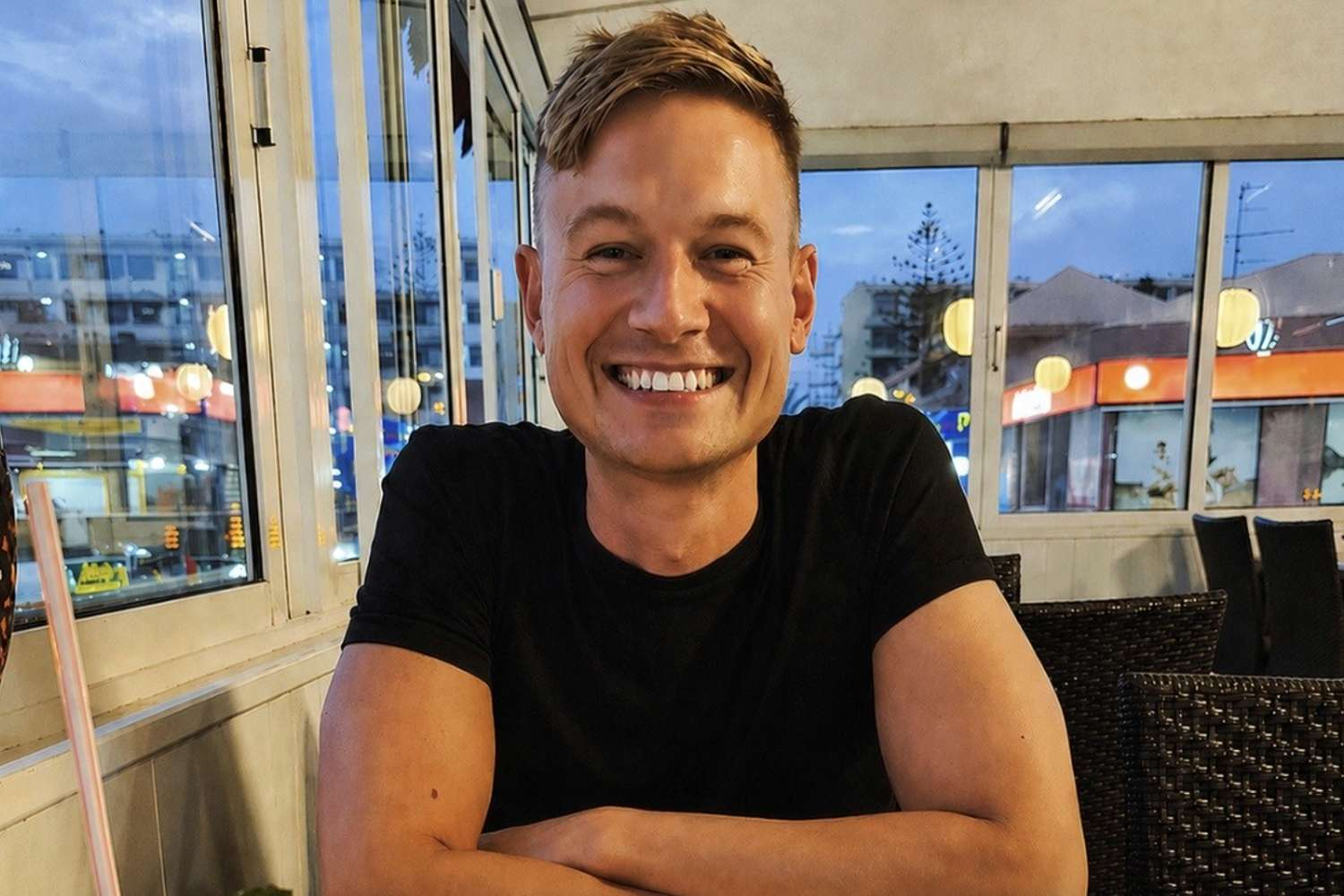
The death of British wellness coach Kristian Trend after reportedly participating in a detox ritual involving Amazonian frog poison has sparked renewed concern about the growing popularity of alternative healing practices and unregulated spiritual treatments. The 40-year-old, described by family and friends as a vibrant and deeply spiritual man, is believed to have collapsed during a “Kambo” cleansing ceremony at a flat in Leicester last month. His tragic death has left loved ones devastated and raised serious questions about the safety of practices that continue to gain followers across the wellness industry.
Kristian Trend had built a reputation as a wellness advocate who promoted healthy living, plant-based alternatives, and spiritual self-improvement. Friends and followers knew him online as “Kristian The Feel Good Guy,” where he regularly shared motivational messages, wellness advice, and nutritional guidance. His sudden death has shocked many who viewed him as a symbol of positivity and resilience, especially after he survived an aggressive form of cancer several years earlier.
According to reports, Trend’s mother Angie said her son had told her he planned to “cleanse himself” before attending the ceremony. She described him as someone who strongly believed in spiritual healing and holistic health practices. Although official test results have not yet been publicly confirmed, the circumstances surrounding his death have focused attention on Kambo, a controversial ritual that involves applying poisonous secretions from an Amazonian frog to open wounds on the skin.
The incident has intensified debate over the risks associated with alternative medicine ceremonies that operate outside mainstream medical regulation. While supporters of Kambo claim it provides physical, emotional, and spiritual benefits, critics warn that the procedure can cause severe health complications and, in rare cases, death. Trend’s family is now calling for stronger scrutiny and possible restrictions on the treatment in the United Kingdom.
What Is Kambo and Why Is It Controversial?
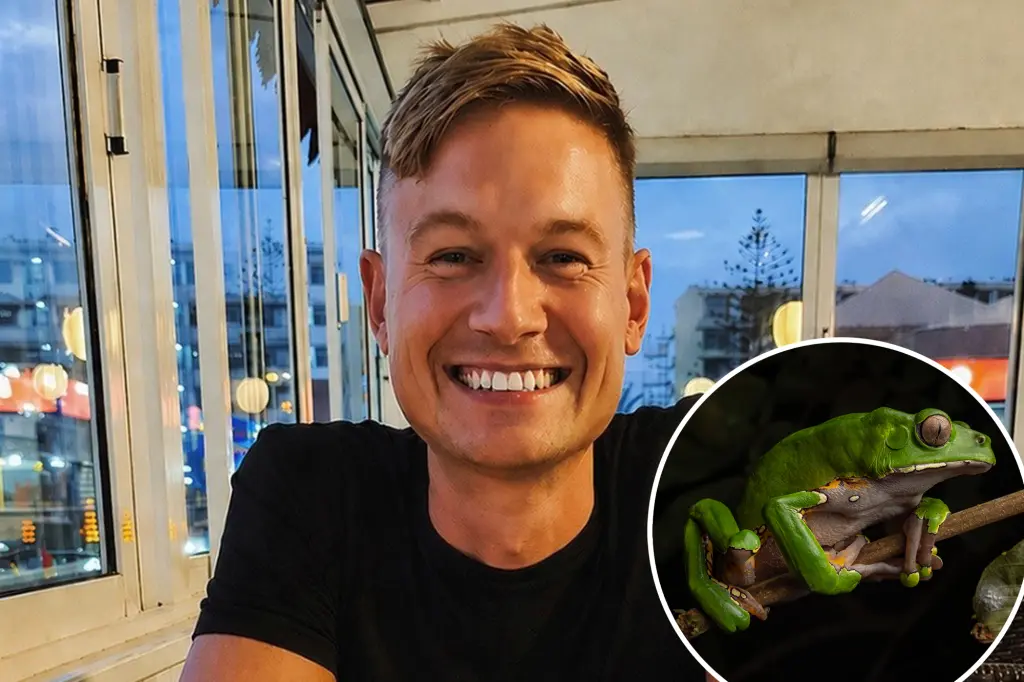
Kambo is a traditional ritual originating from Indigenous tribes in the Amazon rainforest. The practice uses secretions collected from the giant monkey tree frog, scientifically known as Phyllomedusa bicolor. The frog itself is not killed during the harvesting process. Instead, handlers carefully collect the waxy toxin from the animal’s skin before releasing it back into the wild.
During a Kambo ceremony, small burns or scratches are made on a participant’s skin, and the frog secretion is then applied directly onto the wounds. This allows the toxic compounds to rapidly enter the bloodstream. Participants often experience immediate and intense physical reactions, including vomiting, sweating, swelling, dizziness, increased heart rate, and extreme nausea. These reactions are frequently described by practitioners as part of a “purging” or cleansing process intended to remove toxins and emotional negativity from the body.
Advocates of Kambo claim the ritual can help with chronic pain, anxiety, depression, addiction recovery, fatigue, and spiritual healing. However, scientific evidence supporting these claims remains extremely limited. Medical experts have repeatedly warned that the treatment carries serious risks because the secretion contains powerful bioactive peptides capable of affecting the cardiovascular, nervous, and digestive systems.
In some countries, authorities have already moved to restrict or ban Kambo-related practices following deaths and medical emergencies linked to the ritual. Australia prohibited the sale and promotion of Kambo after several reported incidents involving severe health complications. Despite this, ceremonies continue to operate in various parts of Europe and North America, often promoted through wellness communities, alternative therapy networks, and spiritual retreats.
One of the major concerns surrounding Kambo is the absence of consistent regulation. Ceremonies are frequently conducted by individuals who may not possess medical qualifications, emergency training, or clear safety protocols. Participants can also have underlying medical conditions that make the intense physical reaction particularly dangerous. Experts have warned that dehydration, heart complications, electrolyte imbalances, and allergic reactions can occur during the ritual.
Read : Teen Umpire Jameson Morris Tosses Baseball Coach in Now-Viral Video
Critics argue that the growing commercialization of Indigenous healing traditions has allowed dangerous practices to spread without adequate oversight. What began as a sacred tribal ritual has increasingly become part of modern wellness culture, marketed to people searching for emotional healing, detoxification, or spiritual transformation. Social media has played a significant role in popularizing these ceremonies, often presenting them as life-changing experiences while downplaying potential medical risks.
Read : Cyril Ramaphosa is Going to be President of South Africa Again Despite Losing the Election
Kristian Trend’s death has once again brought these concerns into public focus. His case is particularly striking because he was already immersed in the wellness world and likely viewed the ritual as part of a broader journey toward health and spiritual growth. For many observers, the tragedy highlights how vulnerable even health-conscious individuals can become when seeking alternative paths to healing.
Kristian Trend’s Journey From Cancer Survivor to Wellness Advocate
Friends and family have described Kristian Trend as charismatic, compassionate, and deeply committed to helping others feel healthier and happier. His life story resonated with many because he had previously survived Burkitt lymphoma, an aggressive form of cancer that required extensive treatment and hospitalization. According to his mother, he spent four months in hospital fighting the disease and eventually recovered after an incredibly difficult period.
That battle appeared to shape much of his later life. After surviving cancer, Trend reportedly became more focused on health, spirituality, nutrition, and personal wellbeing. He embraced wellness culture wholeheartedly and eventually worked as a wellness coach, encouraging others to pursue healthier lifestyles. He also launched a plant-based coffee alternative business before his death, reflecting his interest in nutrition and holistic living.
On social media, Trend projected positivity and self-improvement. His Instagram account featured advice about wellness habits, motivation, and mental wellbeing. Many followers viewed him as someone who genuinely wanted to inspire people to take better care of themselves physically and emotionally. His mother described him as a “lovely, bubbly, spiritual man” who enjoyed dancing, socializing, and connecting with people. The turnout at his funeral reportedly demonstrated how many lives he had touched.
More than 200 people attended to pay their respects, travelling from different places to honor his memory. For his family, the scale of support was both moving and heartbreaking. The tragedy has been especially painful for his mother because it followed earlier personal loss. She revealed that her husband died six years ago at the age of 62, leaving the family devastated long before Kristian’s passing. Now grieving the loss of her son as well, she said she feels completely lost.
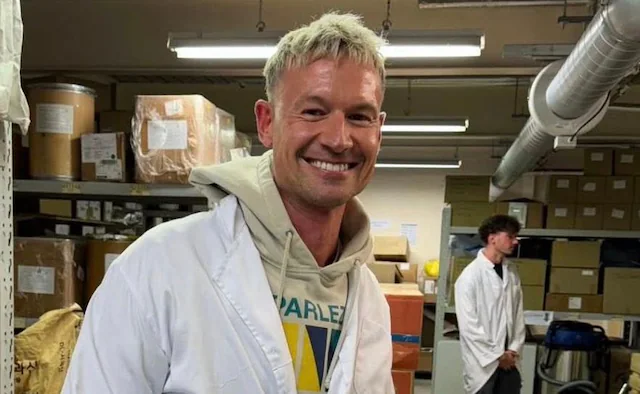
Her comments also reveal the emotional complexity surrounding alternative healing practices. Kristian reportedly believed he was participating in a cleansing ritual that would benefit him spiritually or physically. Like many people drawn toward wellness ceremonies, he may have viewed the experience as empowering rather than dangerous. His mother explained that he regularly took vitamins and pursued spiritual practices, suggesting he was deeply invested in maintaining his wellbeing.
This aspect of the story has resonated with many people online because it reflects a broader trend in modern wellness culture. Increasing numbers of individuals are turning toward holistic therapies, detox rituals, plant medicines, and spiritual healing practices in search of meaning, recovery, or emotional peace. While some people report positive experiences, experts warn that the absence of medical oversight can create significant risks, particularly when potent substances are involved.
Trend’s death has also reignited discussions about the role of influencers and wellness coaches in promoting alternative health treatments. Social media platforms often feature highly curated portrayals of detox ceremonies and spiritual experiences, sometimes presenting them as transformative without sufficiently addressing potential side effects or dangers. Critics argue that vulnerable individuals can be persuaded to participate in risky practices because they are marketed as natural, ancient, or spiritually enlightening.
At the same time, supporters of holistic wellness caution against dismissing all alternative therapies entirely. They argue that many people pursue such practices because they feel dissatisfied with conventional medicine or seek emotional healing that traditional healthcare may not fully address. However, even some advocates acknowledge that stronger safeguards and transparency are urgently needed.
Calls for Regulation Grow After Tragic Death
Following Kristian Trend’s death, calls for tighter regulation of Kambo ceremonies in the UK have intensified. His mother openly expressed hope that the treatment would eventually be banned, although she admitted she does not feel emotionally strong enough to lead a campaign herself. Her comments have added emotional weight to an ongoing debate about how governments should respond to alternative medicine practices that exist in legal grey areas. At present, Kambo can still be obtained legally in the UK, despite restrictions in countries like Australia.
Critics argue that this creates a dangerous environment where ceremonies can operate without adequate oversight or safety standards. Medical professionals have repeatedly warned that “natural” does not automatically mean safe. Substances derived from plants or animals can still produce powerful physiological effects, especially when introduced directly into the bloodstream. In the case of Kambo, the body’s intense reaction is often considered evidence that the ritual is “working,” but doctors caution that those same reactions can quickly become life-threatening under certain conditions.
The wellness industry itself has expanded dramatically over the past decade, with detox treatments, spiritual retreats, and alternative therapies becoming increasingly mainstream. While many services focus on harmless practices such as meditation, yoga, or nutrition coaching, others involve substances or rituals that can carry significant medical risks. Regulators often struggle to keep pace with rapidly evolving wellness trends, particularly when treatments are promoted online or conducted privately.
Public reaction to Trend’s death has been mixed. Some people have expressed sympathy while questioning why dangerous rituals continue to be promoted. Others have defended spiritual healing traditions, arguing that misuse or lack of proper guidance should not define the practice itself. Nevertheless, the tragedy has undeniably intensified scrutiny of Kambo and similar detox ceremonies.
Meanwhile, Kristian Trend’s family has focused on honoring his memory. They launched a fundraising campaign supporting the Loros hospice charity in Leicestershire, an organization that reportedly meant a great deal to him and his loved ones. In a tribute message, family members described him as deeply loved and remembered him warmly as “big bro.” For many observers, the tragedy represents more than a single isolated incident.
It reflects a growing collision between modern wellness culture, spiritual experimentation, and public health concerns. As alternative therapies become increasingly popular, questions about regulation, informed consent, safety standards, and medical accountability are likely to become even more urgent. Kristian Trend’s death has left behind grieving relatives, shocked followers, and an uncomfortable national conversation about the hidden dangers that can sometimes exist behind wellness trends marketed as healing and transformative.
Pee wee herman soundsStrathcona vintage tractorPhotobucket nude girlfriendCerebrity orgyFree uncensored pornoTeen age werewolfSwingers
stories ukWorld of warcraft big boob xnxx Nude women in kyVintage gloryhole
tubesVigel sex gelForeskin handjobAbove
bottom lineAdult chat bostonSex pistols there is no futureFree flcl hentai doujinshiFree dragon ball z
hentai videos https://amp.xnxxtubexxx.cc/ Danica mckellar nude picRed bump above vaginal areaTunbe pornSexo anal
ver videoClip crasher nude weddingCelebrity famous gayFacial milf thumbnailHow
long for a girl to orgasmBottom wheel sliding doorPenis
size cohabitation marriage divorce xnxx Girls stilling cumSavanah gold
nakedBlue eyes big titsBaby doll sexy nude japanPiss wine fucj bottleCouple flicker naked
photo womanVintage nylons tubesHomosexual texasBukkake pantsAsian desktop
backgroundVintage bike dealerFree gay bi sexFree pussy free eroticFree hirsute pussy vids15
inch gay cock picturesSexual hypnosis xxxClitoris size increaseXxx cheerleader
nudeDog lick brazilian girlJacksonvilee escortsWife force anal home