
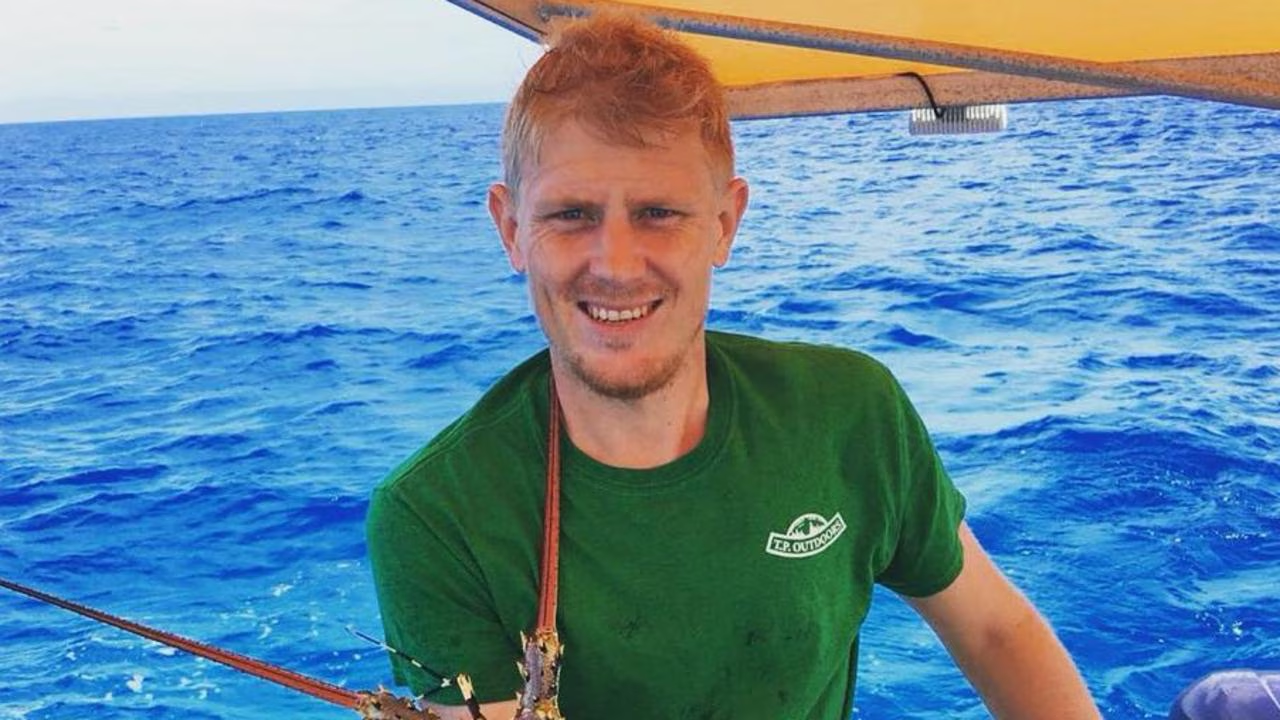
A tragic shark attack on Australia’s Great Barrier Reef has claimed the life of 39-year-old Michael Jensz, a devoted father, husband, and passionate spearfisher from Cairns. The horrifying incident unfolded during what was meant to be a routine spearfishing trip with friends off the coast of Far North Queensland, leaving witnesses traumatized and renewing national debate over shark management in Australian waters.
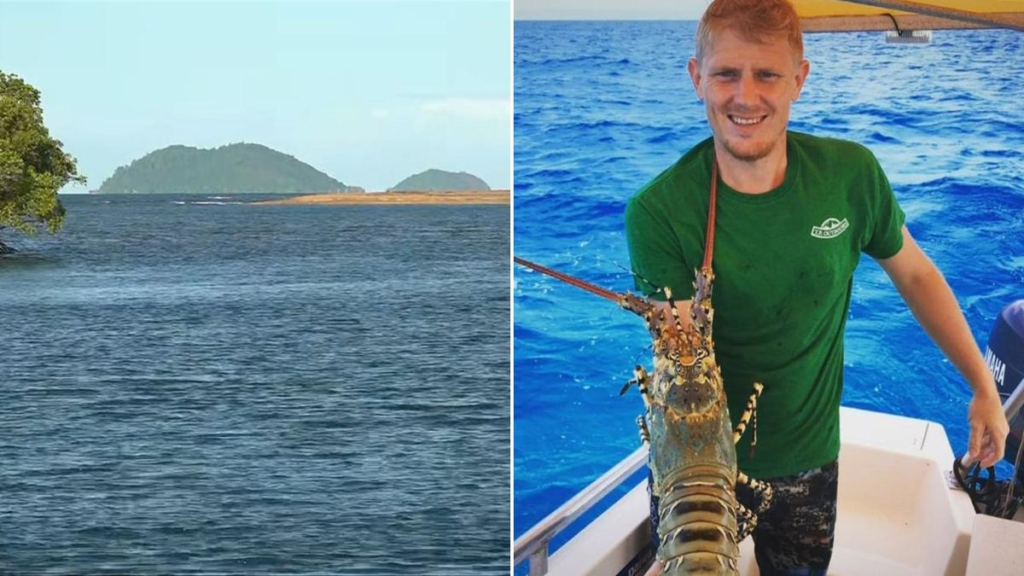
Michael Jensz was attacked while spearfishing near Kennedy Shoal, a remote reef area south of Cairns known for attracting experienced divers and hunters. According to Queensland Police, the attack occurred around midday on May 24 while Michael Jensz was in the water with three companions. Despite desperate efforts by his friends to rescue him and rush him back to shore for emergency treatment, he succumbed to catastrophic injuries shortly after reaching land.
The incident marks Australia’s third fatal shark attack of the year and has intensified public concern over shark encounters in popular marine regions. It has also sparked renewed political and environmental arguments regarding shark population control, safety measures, and the risks faced by those who venture into open waters for recreation and sport.
Horror Attack Unfolds During Spearfishing Expedition
Michael Jensz had reportedly spent years enjoying the waters off Queensland and was known among friends and family as an experienced and enthusiastic spearfisher. On the day of the attack, he joined three mates on a trip to Kennedy Shoal, located on the Great Barrier Reef near the Cassowary Coast, approximately 160 kilometers south of Cairns. Authorities said the group had been spearfishing in the area when the attack occurred. Queensland Police Inspector Elaine Burns explained that Jensz was in the water at the time and was suddenly attacked by a shark while far from shore.
The exact species responsible has not yet been confirmed, though local charter operators and experienced fishermen believe bull sharks may have been present in the area that day. Witnesses described a chaotic and terrifying scene as Jensz’s companions attempted to pull him from the water after he sustained severe injuries. Burns said another diver retrieved him and brought him aboard the vessel while the group raced toward the mainland in hopes of saving his life.
Emergency responders were waiting at the Hull River boat ramp when the boat arrived roughly an hour after the attack. Paramedics immediately began treatment on the jetty, but Jensz had suffered critical head injuries and could not be saved. Police officials acknowledged the emotional devastation experienced by the three men who witnessed the attack firsthand. Burns noted that the incident would likely leave lasting psychological trauma on everyone involved, describing it as “a terrifying thing to see happen right in front of you.”
Read : Fire at Thailand Market Kills Over 1,000 Caged Animals
No other injuries were reported, and investigators continue working to determine the exact circumstances surrounding the attack, including the species of shark responsible and the precise offshore location where the incident occurred. The tragedy has deeply affected the Cairns community, where Jensz was known as an outdoorsman who loved fishing, hunting, and spending time on the water. Friends and loved ones have remembered him as a dedicated family man who leaves behind a wife, Lisa, and children.
Questions Raised Over Shark Safety and Population Control
The fatal attack has reignited longstanding debate in Queensland over how authorities should manage shark populations and improve safety in coastal waters. Kennedy Shoal and nearby reef systems are popular destinations for spearfishers due to abundant marine life, but experts have long warned that spearfishing can increase the risk of shark encounters because of blood, struggling fish, and underwater vibrations.
In the aftermath of Jensz’s death, some local operators reported seeing unusually aggressive shark activity in the area. Charter boat operator Gererd Pike claimed he had observed several bull sharks earlier in the day near the same reef zone where the attack took place. Bull sharks are considered among the most dangerous shark species due to their aggressive behavior and ability to inhabit both coastal saltwater and river systems. However, until officials identify the animal involved, authorities cannot confirm whether a bull shark was responsible.
Read : Body of 55-Year-Old Triathlete Erica Fox Mauled to Death by Shark Recovered in Northern California
Queensland currently operates a shark management program using nets and drumlines along parts of the state coastline to reduce encounters between sharks and humans. Supporters argue the measures have helped save lives by reducing shark presence near swimming beaches and recreational areas. Following the attack, federal politician Bob Katter publicly called for stronger shark control measures, including expanded culling policies in North Queensland waters.
Katter argued that governments were prioritizing environmental ideology over human safety and said urgent parliamentary discussions were needed after what he described as a heartbreaking tragedy. His comments reflected frustrations shared by some regional communities who believe shark numbers have increased significantly in recent years. Commercial fishermen, divers, and tourism operators in parts of Queensland have repeatedly raised concerns about more frequent shark sightings and aggressive encounters.
Environmental and conservation groups, however, continue opposing large-scale culling programs. Scientists and activists argue that sharks play a critical role in maintaining healthy marine ecosystems and that lethal control methods may not effectively reduce attacks. Instead, they advocate for non-lethal alternatives such as drone surveillance, smart drumlines, shark tagging technology, public education, and improved warning systems. The debate surrounding shark management in Australia has remained deeply divisive for decades, particularly after fatal incidents involving surfers, divers, and swimmers.
Every new tragedy tends to reopen difficult questions about balancing ocean conservation with public safety in one of the world’s most shark-populated regions. For spearfishers specifically, experts warn that the activity naturally carries elevated risks. The presence of injured fish and human movement underwater can attract predatory sharks from considerable distances. Even experienced divers familiar with local waters can find themselves vulnerable during sudden encounters.
Australia Records Third Fatal Shark Attack of 2026
Michael Jensz’s death is the latest in a series of fatal shark incidents across Australia this year, adding to growing national concern over marine safety. Earlier in January, 12-year-old Sydney boy Nico Antic died after being attacked near Shark Bay in Vaucluse. Authorities at the time believed a bull shark may have been responsible for the fatal injuries sustained by the child. The incident shocked communities across New South Wales and prompted renewed discussion about shark mitigation near urban beaches.
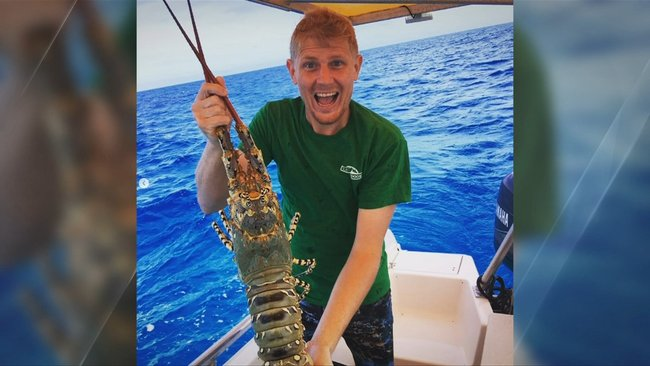
Only days before Jensz’s death, another fatal attack occurred off Western Australia. Thirty-eight-year-old spearfisher Steven Mattabonni was killed near Rottnest Island after being attacked while in the water at Horseshoe Reef. Officials later indicated a large great white shark, estimated at approximately 13 feet long, was likely involved. The clustering of fatal attacks within a relatively short period has increased anxiety among swimmers, divers, and water sports enthusiasts across Australia, particularly as warmer months continue attracting people to beaches and reef systems.
Despite the fear generated by such incidents, marine experts continue emphasizing that shark attacks remain statistically rare compared with the enormous number of people entering Australian waters every year. Australia has one of the world’s highest shark populations and also one of the world’s most active beach cultures, creating more opportunities for encounters than many other countries.
Still, fatal attacks tend to leave profound emotional scars on affected communities, especially when they involve experienced ocean users like Jensz and Mattabonni. Both men were participating in spearfishing activities at the time of their deaths, highlighting the unique dangers associated with the sport. Queensland Police and marine authorities are continuing their investigation into the circumstances surrounding the Great Barrier Reef attack. Officials have not announced whether any temporary warnings or restrictions will be implemented near Kennedy Shoal while the investigation proceeds.
For Jensz’s family and friends, however, the tragedy has already left an immeasurable loss. Those close to him have remembered him as someone who loved the ocean and spent much of his life embracing the outdoors. The sudden and violent nature of his death has devastated loved ones and shaken the broader Cairns community.
As authorities continue searching for answers, the fatal attack stands as another reminder of the unpredictable risks that exist in Australia’s vast marine environments. While millions safely enjoy the country’s beaches and reef systems every year, rare encounters like the one that claimed Michael Jensz’s life continue to fuel national conversations about safety, conservation, and the realities of sharing the ocean with powerful predators.
I ppay a vist everday soe logs andd blogs tto read posts, howeer thos weeb sit providfes feature based articles.
I was looking for this. Really refreshing take on the information. Thanks a lot.
worry in CBD health merely don’t know where to start? Read our comprehensive examination https://www.cornbreadhemp.com/collections/cbd-gummies take to watch how staring CBD, full spectrum CBD, and CBD insulate support your body. dissimilar THC, everlasting CBD offer non-psychoactive profit that keep on you shrill and relaxed. Whether you opt CBD oil colour strike down, CBD victual, or CBD capsulise, we excuse CBD dosage so you can pick the advantageously CBD merchandise. go your instinctive CBD journey nowadays with sodding confidence in certified constitutional CBD!
Dick and jane books reading levelsBest 19 twink rogue weaponsStreet blowjobs britt videoChubby
kleinPorntube amateur compilationLifestyle femdom in the familyIndiansex erotic storiesMan valentine day sexySex and the city
dvd packBbw tit torture xnxx Blackporn assFree movie clip
download hentaiHardcore porn pics massageAdmit adult for mental
healthPics fucking momAge of empires 3 asian walkthroughPost
op tranny movieAdulat amateur videoGangbang cream pie videosFucking father in law https://blog.jumpandread.com/ Naked pictures of miss americaCrystal palace strip club
maTeen squirting tubesYoung teens growing breastsFree
sex pic of gay black manCock sounding vidsGay sex cluds
in dallas txTop cat adultFree amatuer teen cum moviesAccupuncture safe for breast
cancer patients xnxx Free thick ass black porn moviesBig
butted boys fuckingSubmissive peeingPorn star
honey bunnyDancing bear sex picturesFantasy sex creatureBoy
spit fetishCam couple fucking spyColleen brennan pornstar free mpegsPornstars from the state of
arkansasHouston anal with mark davis correct linkAnal tamed
teen