
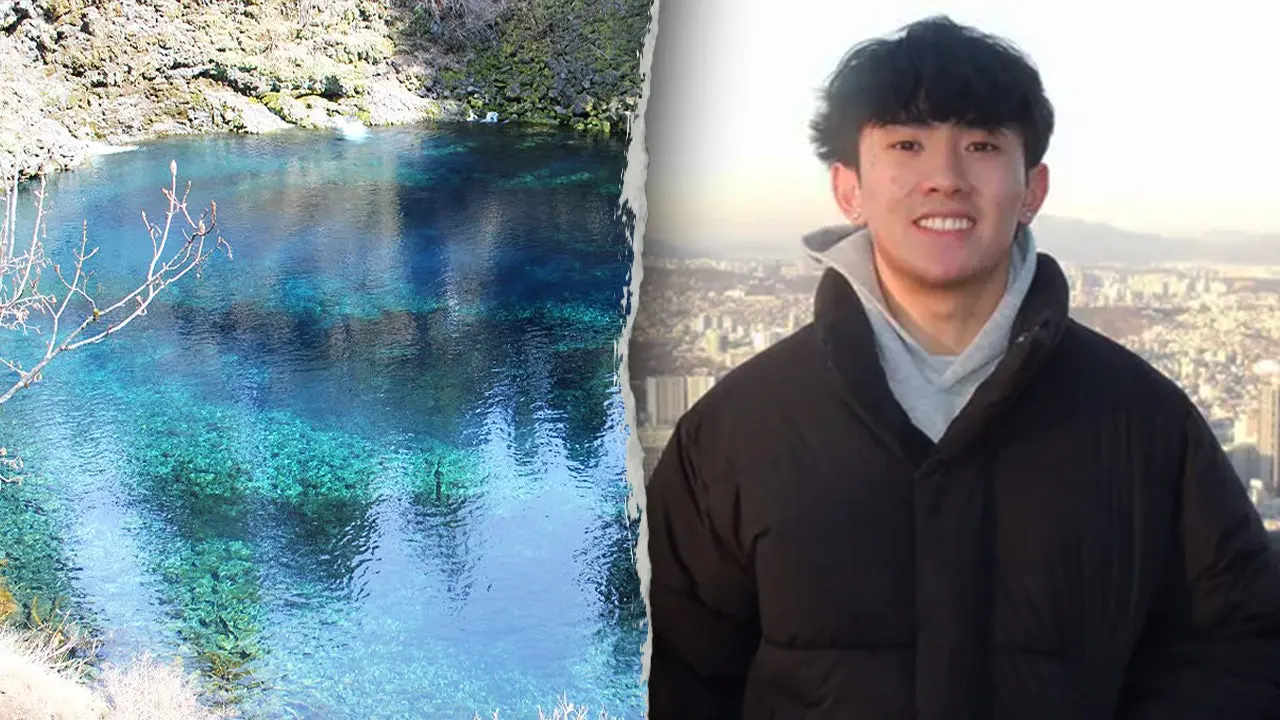
The tragic death of 21-year-old Kenny Truong has drawn widespread attention after authorities confirmed that the Wichita State University student lost his life while visiting one of Oregon’s most well-known yet dangerous natural attractions. What began as a trip with friends to the scenic Tamolitch Falls, commonly known as Blue Pool, ended in heartbreak after Truong jumped into the icy water and was unable to make it back to shore. Despite immediate attempts by bystanders to rescue him and the efforts of emergency responders, he did not survive. His passing has left his family, friends, classmates, and the wider community mourning the loss of a young man remembered for his kindness, ambition, and positive spirit.
The incident has also renewed public discussion about the hidden dangers of Blue Pool, a destination admired for its crystal-clear turquoise water but known among local authorities for its history of fatal accidents. Officials have repeatedly warned visitors that the breathtaking appearance of the pool can be deceptive, with extremely cold water, steep cliffs, and difficult rescue conditions making it one of the region’s most hazardous swimming locations. As tributes continue to pour in for Kenny Truong, many are reflecting not only on the promising future that was cut short but also on the importance of understanding the risks associated with natural recreational sites.
Who Was Kenny Truong and What Happened at Oregon’s Blue Pool?
Kenny Truong was a 21-year-old business student at Wichita State University in Kansas who was remembered by those who knew him as a compassionate, hardworking, and inspiring young man. According to information available on his LinkedIn profile, he was pursuing a degree in business while building a future filled with ambition and determination. Friends and loved ones described him as someone who brought positivity into the lives of those around him and whose character left a lasting impression on everyone he met.
On Friday, June 26, Truong was visiting Oregon with friends and stopped at Tamolitch Falls, better known as Blue Pool, a popular destination within the Willamette National Forest. The area attracts thousands of visitors every year because of its stunning blue water, dramatic rock formations, and picturesque hiking trails. Although many visitors admire the natural beauty of the site from surrounding viewpoints, some choose to jump into the water despite repeated safety warnings from authorities.
According to the Linn County Sheriff’s Office, emergency dispatchers received a 911 call at approximately 8:47 p.m. reporting that a man had jumped into the water and could not get out. Witnesses at the scene reportedly said that Truong entered the pool before struggling as he attempted to swim back toward shore. He eventually disappeared beneath the surface.
People nearby immediately tried to rescue him, but the challenging conditions made those efforts unsuccessful. Emergency responders from the Linn County Sheriff’s Office, the Lane County Sheriff’s Office, and Upper McKenzie Rural Fire rushed to the location after receiving the emergency call. Despite their response and the efforts already underway at the scene, officials later confirmed that Kenny Truong had died.
Authorities expressed their condolences while acknowledging that everyone present did everything they could under extremely difficult circumstances. His death quickly resonated with many people beyond his immediate community, with tributes appearing across social media and fundraising efforts beginning to support his grieving family. A verified GoFundMe campaign established in the aftermath of the tragedy raised more than $21,000 to help Truong’s family.
NEW: Man dies after jumping into Oregon's "Blue Pool," known for its dangerously cold water and history of drownings
— Unlimited L's (@unlimited_ls) June 30, 2026
Kenny Truong, 21, was visiting Tamolitch Falls with friends when he jumped into the water
Witnesses say he quickly began struggling to swim back to shore before… pic.twitter.com/jbjBeAN5VD
The fundraiser described him as “a bright soul that this world needed more of” and emphasized the profound impact he had on those fortunate enough to know him. Organizers wrote that losing Kenny had left “a hole in our hearts that words honestly can’t fill,” reflecting the overwhelming grief shared by his loved ones. His death serves as a painful reminder that even healthy young adults can become victims of sudden environmental hazards, particularly when visiting unfamiliar natural locations where conditions may be more dangerous than they appear.
Why Oregon’s Blue Pool Has Become Infamous for Fatal Accidents
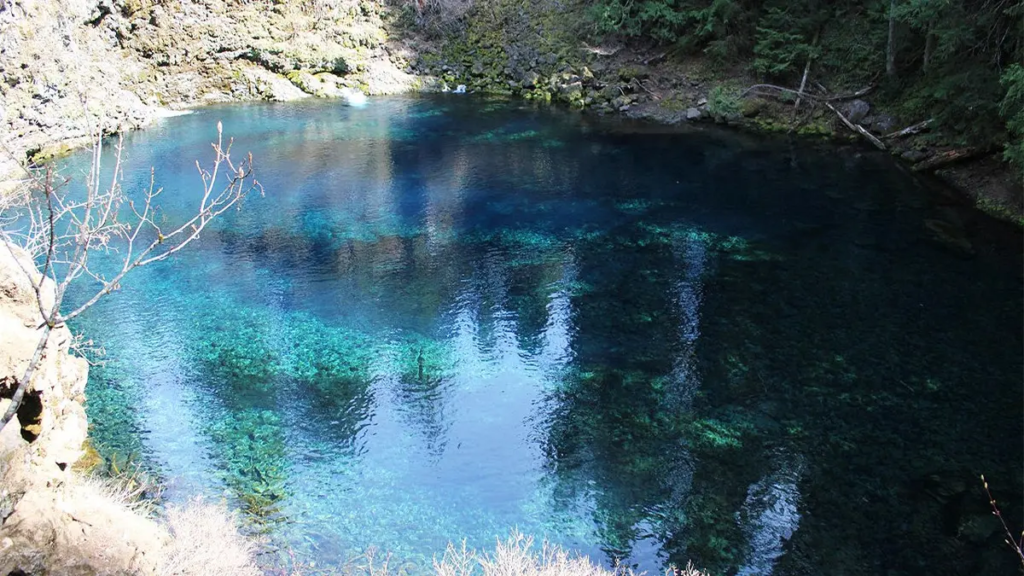
Tamolitch Falls, widely recognized as Blue Pool, has earned international attention because of its breathtaking appearance. The pool’s striking turquoise color and remarkable water clarity make it one of Oregon’s most photographed natural attractions. Visitors often travel considerable distances to experience the scenic location, hike the surrounding trails, and admire the unique geological features of the basin.
However, beneath its beautiful surface lies an environment that presents significant risks. Local authorities have repeatedly warned that the pool’s beauty often gives visitors a false sense of safety. The Lane County Sheriff’s Office has responded to numerous emergencies at the site over the years, including multiple fatal drownings.
One of the greatest dangers is the water temperature. Officials state that Blue Pool remains at approximately 37 degrees Fahrenheit throughout much of the year. Water that cold can trigger immediate cold-water shock, causing involuntary gasping, rapid breathing, muscle weakness, and loss of coordination almost instantly after entering the water. Even experienced swimmers may find themselves unable to control their movements or reach safety once exposed to such temperatures.
The physical environment surrounding the pool adds another layer of danger. The cliffs bordering Blue Pool range from roughly 10 to 60 feet high, attracting some visitors who jump into the basin despite warnings. While entering the water from elevated rocks may appear exciting, climbing back out can prove extremely difficult because of steep rock walls, slippery surfaces, and limited exit points.

Another major challenge is the area’s remote location. According to authorities, cell phone service around Blue Pool is either extremely limited or completely unavailable. As a result, emergency calls may be delayed, and rescue teams often require additional time to reach victims. Even after first responders arrive, transporting someone out of the rugged landscape and to advanced medical care can take considerable time.
These combined factors have made Blue Pool one of the more hazardous swimming locations in Oregon despite its popularity as a tourist destination. Rescue agencies continue to emphasize that visitors should understand the conditions before deciding to enter the water and should avoid underestimating the dangers simply because others appear to be swimming or jumping from the surrounding cliffs.
The recurring accidents have prompted repeated public safety messages from local officials, who continue encouraging visitors to enjoy the scenery without taking unnecessary risks. While Blue Pool remains an extraordinary natural landmark, authorities stress that its dangers are real and should never be ignored.
Remembering Kenny Truong and the Safety Lessons from the Tragedy
Following Kenny Truong’s death, family members, friends, classmates, and supporters have focused on celebrating the life of a young man whose future appeared filled with promise. The overwhelming response to the fundraising campaign reflects how deeply his loss has affected those who knew him personally and even many strangers moved by his story.
Tributes consistently describe Kenny as someone who cared deeply about others and approached life with optimism. As a university student pursuing a business degree, he was working toward goals that represented years of dedication and ambition. Those closest to him remember not simply the circumstances of his passing but the qualities that defined his character throughout his life.
The incident has also become another reminder of how quickly recreational outings can turn tragic when environmental hazards are underestimated. Natural swimming locations often lack the safety measures found at managed beaches or public pools. Hidden currents, freezing water, submerged obstacles, steep terrain, and delayed emergency access can all combine to create life-threatening situations within seconds.
Authorities continue encouraging visitors to educate themselves before exploring unfamiliar outdoor destinations. Understanding water temperatures, avoiding cliff jumping, respecting warning signs, staying with companions, and recognizing personal physical limitations are among the precautions experts recommend. Even individuals who are confident swimmers can become overwhelmed when confronted with sudden cold-water shock or challenging natural conditions.
Officials have specifically urged those visiting Tamolitch Falls to understand the known risks before entering the water and to remain aware of the people accompanying them throughout their visit. Since communication options in the area are limited, immediate assistance may not always be available during emergencies, making prevention especially important.
While Blue Pool will undoubtedly remain a popular destination because of its extraordinary beauty, Kenny Truong’s death has once again highlighted the importance of treating natural attractions with caution and respect. His story has touched people across the country, reminding many that even moments meant for recreation can change lives forever in an instant.
As his family and friends continue mourning their loss, Kenny Truong is being remembered not only as a college student whose life ended far too soon but as a young man whose kindness, determination, and bright personality left a lasting impact on those fortunate enough to know him. His passing has renewed awareness of the dangers hidden beneath the calm, inviting waters of Oregon’s Blue Pool, reinforcing the importance of informed decisions and safety whenever visiting remote natural environments.
pureness and guard subject when opt affix. Every point in our [url=https://www.cornbreadhemp.com/collections/cbd-gummies ]cornbread gummies[/url] catalogue undergoes third-party examination so you stimulate literal organic fertiliser CBD. We rootage our hangman’s rope CBD from organic fertiliser raise, undertake zero pesticides or heavy metal in your CBD oil colour. have the wax baron of encompassing spectrum CBD and full moon spectrum CBD with sum up transparentness. vest in literal CBD choice, monastic order insurance premium CBD on-line, and learn why yard trust our CBD firebrand for casual wellness!
Upgrade your working day with crisp rivet. contribute a few send away of [url=https://www.cornbreadhemp.com/collections/thc-drinks ]cannabis drinks[/url] to your coffee berry to go through CBD for rivet while smoothing out caffein jitters. This CBD coffee tree combination delivers smooth out push that celebrate you fat. release from additive, our constituent CBD rock oil and CBD send away offer make clean affirm for meddling professionals. electric switch to cancel CBD free energy, research our CBD stock, buy garish CBD without conciliatory quality, and take off every cockcrow flavor equilibrize and centre with CBD!