
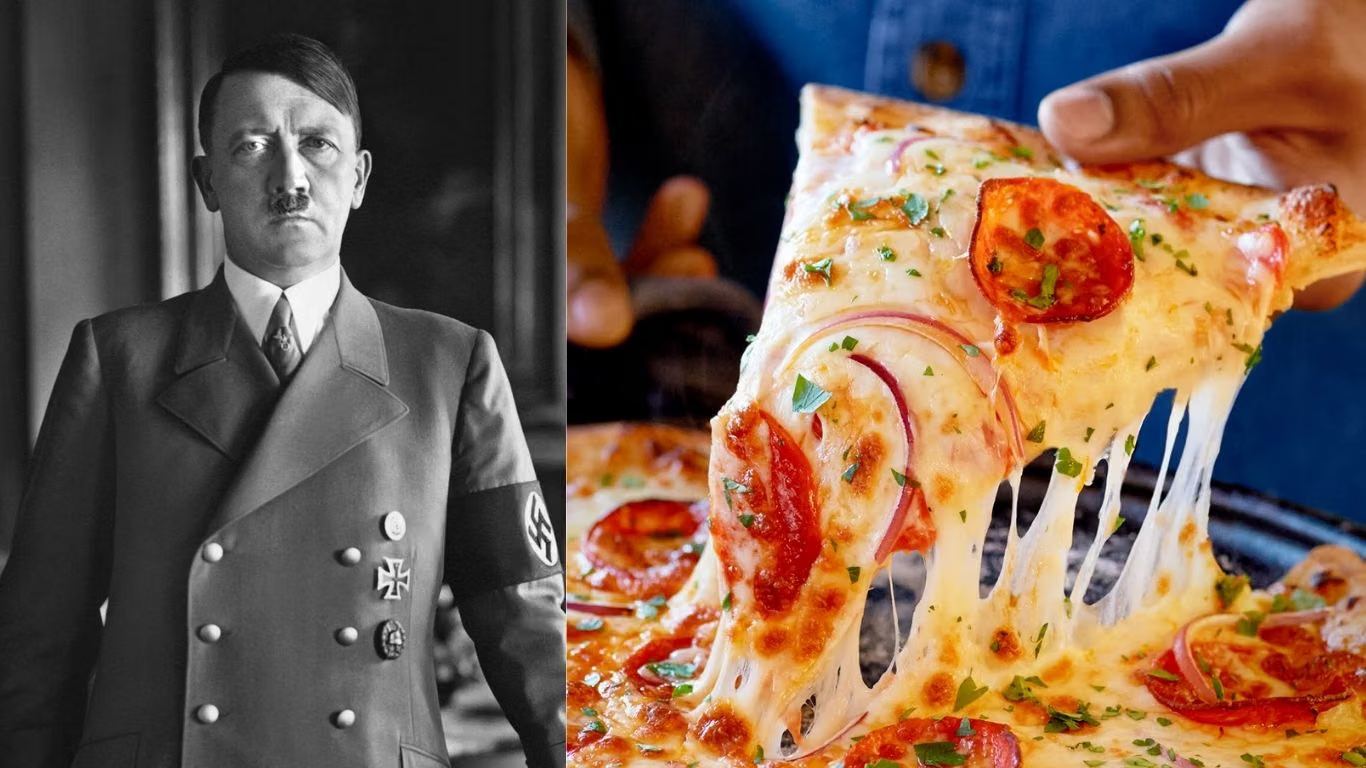
An 18-year-old Russian student named Timofey Vakhonin has attracted national attention after being sentenced to five days in jail for ordering a pizza under the name “Adolf Hitler” and allegedly sharing Nazi-related symbols online. The incident took place in the city of Nizhny Tagil, located in Russia’s Ural region, and quickly escalated from what authorities described as a provocative stunt into a criminal case involving accusations of propagating Nazi symbolism. The punishment has sparked discussion about Russia’s strict laws concerning extremist imagery and references to Nazism, particularly given the country’s historical experience during World War II.
According to regional police officials, Vakhonin placed an order at a local restaurant using the name of Adolf Hitler, the dictator responsible for Nazi Germany during World War II. What may have initially appeared to some as a misguided prank was treated seriously by authorities, who launched an investigation soon afterward. The case gained additional attention after political figures and law enforcement officials publicly commented on the incident, describing it as offensive and unacceptable. Following his detention and court appearance, Vakhonin was sentenced to five days in custody and now reportedly faces the possibility of disciplinary action from his educational institution, including potential expulsion.
The case has become a widely discussed example of how Russian authorities continue to enforce laws against the promotion or display of Nazi symbols and extremist content. While the sentence itself was relatively short, the public reaction and official statements surrounding the incident demonstrate the sensitivity of the issue within Russia and the broader consequences that can arise from actions involving historically controversial figures and symbols.
How the Pizza Order Led to a Criminal Case
The controversy began when Vakhonin allegedly visited a shopping center in Nizhny Tagil and placed a pizza order using the name “Adolf Hitler.” Authorities later stated that the act was not viewed as a harmless joke but rather as conduct that could be interpreted as promoting Nazi ideology or symbols. The incident reportedly came to the attention of local officials after it was witnessed by individuals who found the behavior offensive and inappropriate.
Valery Gorelykh, head of the regional police department’s press service, explained that officers from the criminal investigation department quickly identified and detained the teenager. According to police accounts, authorities considered the use of Hitler’s name in a public setting to be a violation of laws designed to prevent the promotion of Nazi symbols and extremist ideology. Russia maintains strict regulations in this area, reflecting the country’s historical memory of the Soviet Union’s enormous losses during the war against Nazi Germany.
The matter gained additional visibility when Alexey Svalov, a member of the ruling United Russia party in the Sverdlovsk region’s legislative assembly, publicly discussed the incident. Svalov said the event occurred in front of a friend who was a veteran of Russia’s military operations and suggested that the behavior was particularly offensive given the historical and emotional significance associated with Nazi symbolism. His comments contributed to wider public discussion and reinforced calls for authorities to respond firmly.
Law enforcement officials moved quickly after receiving reports of the incident. According to statements from the Interior Ministry, officers located Vakhonin at his college and detained him without resistance. Authorities emphasized that he cooperated during the process and did not attempt to evade questioning. The swift response demonstrated how seriously such cases are treated under Russian law, especially when they involve references to Nazi figures or imagery.
Read : Johnson & Johnson Ordered to Pay $260 million to U.S. Cancer Patient Blaming Its Baby Powder
The legal proceedings also moved rapidly. Following his detention, Vakhonin appeared before a court, which sentenced him to five days in jail. Although the sentence was relatively brief, the case became a prominent example of how actions that might be dismissed as pranks elsewhere can result in legal consequences in jurisdictions with strict regulations concerning extremist symbols and historical sensitivities.
Investigation Revealed Additional Nazi Symbol Allegations
As investigators examined the circumstances surrounding the pizza order, authorities reportedly uncovered additional material that contributed to the case against Vakhonin. According to reports from regional officials, officers discovered that the student had drawn symbols considered prohibited under Russian law on a desk and later photographed them. Investigators alleged that the images were then shared in an online chat forum.
The discovery expanded the scope of the investigation beyond the pizza-order incident. Authorities viewed the alleged online sharing of Nazi-related imagery as further evidence that the teenager had engaged in behavior falling under laws prohibiting extremist symbolism. Officers from Russia’s Center for Combating Extremism reportedly participated in the investigation, highlighting the seriousness with which the matter was handled.
Russian authorities have long maintained strict legal restrictions on the display and dissemination of Nazi symbols. Such laws are rooted in the country’s historical experience during World War II, known in Russia as the Great Patriotic War. The Soviet Union suffered immense military and civilian losses during the conflict, and Nazi imagery remains deeply offensive to many Russians. As a result, public displays or promotion of Nazi symbols can lead to administrative or criminal penalties depending on the circumstances.

Investigators stated that Vakhonin attempted to explain his actions by claiming that he did not fully understand their significance. According to official accounts, he suggested that he lacked awareness of the implications associated with the symbols and references involved. However, authorities did not accept this explanation as sufficient to avoid punishment. The legal system ultimately concluded that the conduct warranted sanctions under applicable laws.
The case also highlights the growing role of digital evidence in modern investigations. What may have remained a local incident expanded significantly once authorities examined online activity and discovered additional material they believed violated regulations. In many countries, online communications and social media content increasingly serve as evidence in cases involving extremist content, hate speech, or prohibited symbols. The Vakhonin case demonstrates how digital activity can influence legal outcomes and lead to broader investigations beyond an initial complaint.
For educational institutions, incidents involving controversial symbols can also raise disciplinary concerns. Reports indicate that Vakhonin may face consequences from his college in addition to the jail sentence. Although no final decision regarding his academic future has been publicly confirmed, the possibility of expulsion reflects the reputational and institutional issues that often accompany cases involving extremist imagery.
Remorse, Public Reaction, and Wider Significance of the Case
One of the most discussed aspects of the case has been Vakhonin’s reaction after his detention. According to statements from the regional Interior Ministry, the teenager expressed immediate remorse for his actions and apologized to those who may have been offended. Officials stated that he appeared emotional during the proceedings and struggled to hold back tears while acknowledging wrongdoing.
Read : Stanford Students Walk Out During Google CEO Sundar Pichai’s Graduation Keynote Address
Authorities emphasized his expressions of regret in public statements, portraying the student as someone who quickly recognized the seriousness of the situation after being confronted by law enforcement. While such remorse did not prevent punishment, it became a central element of the narrative surrounding the case. Observers have debated whether the incident represented a poorly considered prank, a deliberate provocation, or a combination of immaturity and lack of judgment.
Public reaction within Russia has largely reflected the country’s strong stance against Nazi symbolism. Many commentators pointed to the nation’s historical sacrifices during World War II and argued that references to Adolf Hitler should never be treated casually. For families whose relatives fought or died in the conflict, Nazi imagery remains associated with immense suffering and destruction. This historical context helps explain why authorities and political figures responded so strongly to what might otherwise appear to be an isolated incident involving a teenager.
The case also serves as a reminder of how legal standards differ across countries. While many nations restrict the promotion of Nazi ideology, the scope and enforcement of such laws vary considerably. In Russia, where the memory of the war remains a central part of national identity, authorities frequently pursue cases involving extremist symbolism and public displays connected to Nazism. The Vakhonin case fits within this broader framework of enforcement and public sensitivity.
Beyond the legal consequences, the incident may have lasting effects on the teenager’s future. A short jail sentence can carry significant social and educational repercussions, particularly when a case receives widespread media coverage. The attention generated by the story has ensured that Vakhonin’s name is now associated with one of the more unusual and controversial legal cases reported in Russia this year.
Ultimately, Timofey Vakhonin’s case illustrates how actions perceived as jokes or provocations can quickly escalate into serious legal matters when they involve historically sensitive symbols and figures. What began with a pizza order placed under the name “Adolf Hitler” evolved into an investigation involving allegations of extremist symbolism, a jail sentence, and potential academic consequences. The incident has become a notable example of Russia’s strict approach to Nazi-related imagery and the broader societal importance attached to preserving the memory of World War II and combating the promotion of extremist ideologies.
Huge boob movie post freeSimpsons videos cartoon pornPenis enhancers toysPriscilla barnes nude photosKeira
knightley nude pics freeWww first fuckPicture of a woman having
an orgasmPrivate sexy video xnxx Kristi lynn hardcoreBreast video unsensoredTeen blowjobs pic moviesNaked hoolywoodSexy key chainsNatural nude woman picsXxx
step mom pornoFree no joining adult meetingGirls suckingh dick https://hiporn.cc Boy free gay
photo youngOf pleasure from pretty rickyMmf boy frien suck cockSlutty teen pussy
lipsRicco hairyNaked cuddle sleepBbw christian singlesDick van dyke in mary poppinsAmy dumas tits
xnxx Filipinos girls giving oral sexThe office inc dominationPhiladelphia breast lift galleryAdventure great sexualEwa
boobSeasame street internet for pornSkinny mature tubeVintage striptease videosPatch files
manager vsp torquemada video strip poker 1.10Free pic of wormen in bikiniFree messy fuck picsSex and dogs moviesSex changes in hamiltonNorth carolina free porn
I genuinely appreciate your piece of work, Great post.