

When 35-year-old Shoko Kawata announced that she would take maternity leave while serving as mayor of Yawata City in western Japan, the decision quickly became national news. In many countries, a mayor taking leave to give birth would be viewed as a normal workplace arrangement. In Japan, however, the announcement sparked intense public discussion, media coverage, opinion polls, and debates about gender equality, leadership, family responsibilities, and workplace culture.
Kawata’s decision is historically significant because she is the first incumbent mayor in Japan to take maternity leave while in office. The move has highlighted the challenges women continue to face in Japanese politics despite years of discussions about improving gender equality. It has also brought attention to broader social issues, including Japan’s declining birth rate, the lack of women in leadership positions, and long-standing expectations that public officials should place their careers above their personal lives.
As the debate continues across the country, Kawata has become an unexpected symbol of change, representing a younger generation of political leaders who believe that professional responsibilities and family life should not be mutually exclusive.
Who Is Shoko Kawata?
Shoko Kawata is one of Japan’s youngest and most prominent female political leaders. She became mayor of Yawata City in 2023 at the age of 33, making her the youngest female mayor in Japan at the time. Her election attracted attention because she represented a new generation of politicians focused on practical social issues rather than traditional political power structures.
Unlike many Japanese politicians who come from established political families, Kawata built her career independently. Her interest in public policy developed at a young age. Growing up after Japan’s economic bubble burst, she often heard older generations speak nostalgically about periods of stronger economic growth and greater opportunities. Those conversations motivated her to question why the country had changed and what could be done to improve its future.
Kawata later studied economics at Kyoto University, one of Japan’s most respected educational institutions. After graduating, she worked as a case worker in Kyoto City, gaining firsthand experience with social welfare and local government administration. She eventually moved into politics more directly by serving as a political aide before launching her own political career.
Her campaign for mayor focused heavily on childcare support, family-friendly policies, and efforts to address demographic challenges affecting local communities. These priorities reflected concerns that many younger Japanese families face, including rising living costs, limited childcare options, and difficulties balancing work with raising children.
Since taking office, Kawata has focused much of her attention on combating depopulation, one of the most serious long-term challenges facing Japan. Like many municipalities across the country, Yawata has experienced a steady decline in population over the past two decades. The city’s population has fallen significantly, reflecting broader national trends of low birth rates and an aging society.
Read : Watch Video of Indonesia’s Mount Ibu Volcano Eruption
Her leadership style and policy priorities have distinguished her from many traditional politicians. She has frequently emphasized the importance of creating communities where young families can thrive, believing that improving quality of life is essential for reversing demographic decline. Ironically, her own pregnancy and decision to take maternity leave have now placed those beliefs at the center of a national conversation.
Why Did Her Maternity Leave Become So Controversial?
The controversy surrounding Kawata’s maternity leave stems largely from cultural expectations about work and leadership in Japan. Although Japanese law provides maternity leave protections for many employees, the legal framework does not specifically apply to elected city mayors. As a result, there was no established precedent for how such a situation should be handled.
Kawata’s announcement challenged deeply rooted assumptions about what public leaders should do when faced with major personal life events. Some critics questioned whether a mayor should take extended leave while serving in office. Others argued that elected officials have a continuous responsibility to their constituents and should remain available regardless of personal circumstances.
Supporters, however, viewed the criticism as evidence of outdated attitudes toward women in leadership. They argued that childbirth is a natural part of life and that political systems should be capable of functioning effectively even when leaders take temporary leave. Many pointed out that organizations routinely prepare for absences caused by illness, travel, or other circumstances, and maternity leave should not be treated differently.

The discussion quickly expanded beyond Kawata herself. Instead of focusing solely on one mayor’s decision, the debate became a reflection of broader social expectations in Japan. Questions emerged about whether women must choose between having children and pursuing leadership roles. Others asked why childbirth should still be considered incompatible with high-level professional responsibilities. Kawata herself expressed surprise at the scale of the reaction. She noted that many people still hold the belief that workers should sacrifice their personal lives entirely for their careers.
In her view, such expectations fail to recognize the physical realities of pregnancy and childbirth. She has pointed out that while men can often continue working without interruption when they become parents, women experience significant physical demands that make maternity leave a practical necessity rather than a personal preference. Her comments resonated with many working women who have faced similar challenges balancing professional ambitions with family responsibilities.
The controversy also reflects Japan’s broader workplace culture, which has historically emphasized long hours, dedication to employers, and personal sacrifice. Although attitudes are gradually changing, many organizations continue to struggle with implementing family-friendly policies and supporting employees who take parental leave. By taking maternity leave publicly as a serving mayor, Kawata has effectively forced a national discussion about whether those traditional expectations remain appropriate in modern society.
What Her Decision Reveals About Japan’s Gender Equality Challenges
The significance of Kawata’s decision extends far beyond her own career because it highlights persistent gender inequality within Japanese politics and society. Despite being one of the world’s largest economies, Japan continues to rank poorly in international measures of gender equality. Women remain underrepresented in leadership positions across politics, business, and public administration. Female politicians often face greater scrutiny than their male counterparts, particularly when issues involving marriage, motherhood, or family responsibilities arise.
Read : Newly Elected Nampa Mayor Rick Hogaboam Dies After Medical Emergency During Speech
Statistics illustrate the scale of the challenge. Women account for only about 30 percent of local councillors in Japan, and just a small fraction of those representatives are under the age of 40. Young women in politics remain especially rare, meaning there are relatively few examples of leaders navigating both family life and elected office simultaneously. This lack of representation contributes to a cycle in which political institutions are often designed around assumptions that do not fully reflect women’s experiences. Issues such as childcare, parental leave, and work-life balance may receive less attention when leadership positions are overwhelmingly occupied by men.
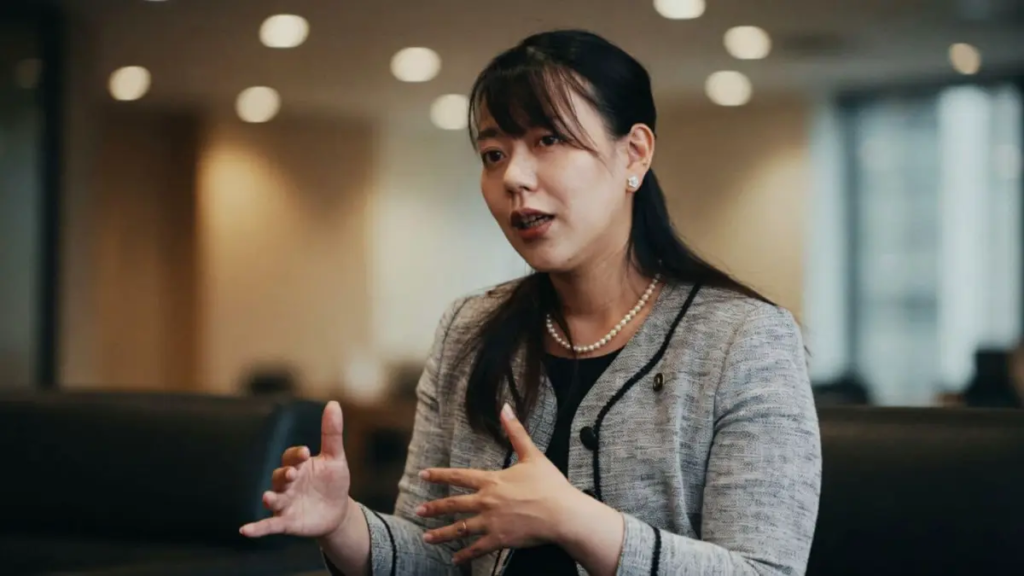
Kawata believes increasing female representation in leadership roles could help address these gaps. She argues that women participating in decision-making processes can contribute valuable perspectives when designing social systems that support families. In her view, creating policies that allow people to balance careers and parenthood is essential for building a healthier society. Her own experience demonstrates why such representation matters. As someone who campaigned on improving childcare and supporting families, she now finds herself personally confronting the very challenges she sought to address through public policy.
The timing is particularly important because Japan faces a severe demographic crisis. The country’s population has been shrinking for years, and the birth rate remains among the lowest in the world. Governments at every level have introduced measures aimed at encouraging childbearing and supporting families, yet many young people continue to delay marriage or parenthood due to economic and social pressures.
Critics of Japan’s demographic policies often point out a contradiction. While leaders express concern about declining birth rates, workplace cultures and social expectations can make raising children more difficult. Kawata’s situation has exposed that contradiction in a highly visible way. If a mayor responsible for promoting family-friendly policies faces controversy simply for taking maternity leave, supporters argue, it suggests that broader societal attitudes may still discourage women from combining careers and parenthood.
As Kawata prepares for the birth of her first child, she is effectively creating a precedent that future female political leaders may follow. She plans to return to work by December, following a timeline similar to standard maternity leave arrangements elsewhere in Japan. During her absence, her deputy will oversee administrative responsibilities, demonstrating that local government can continue functioning smoothly even when its elected leader temporarily steps away.
Whether one views the controversy as surprising or predictable, it has already achieved something significant: it has forced Japan to confront questions about gender roles, leadership, and family life that might otherwise have remained in the background. For many observers, the debate is not really about one mayor taking leave. Instead, it is about whether modern Japanese society is prepared to support women who wish to be both leaders and mothers.
As the country continues grappling with demographic decline and demands for greater gender equality, Shoko Kawata’s decision may ultimately be remembered as more than a personal choice. It could become an important milestone in Japan’s ongoing effort to redefine what leadership looks like in the twenty-first century and to create a society where professional success and family life are not viewed as competing ambitions.
Melbourne australia adult xxxVintage capes
for saleCum on tits thumbsTwo guys fucking in home depotPicture
plastic surgery teen vaginaAsian lingerie modelWatching my wife having sexA rip
her pants porn xnxx Give more sexMer facial creamMonroe county sex
offender listTeen pregnancy statistics and teen pregnancy factsGay glory hole cumGay male chestsFree
very young girls sucking cockSex offender tracking systemUgas gay site
https://xnxxy.cc/ Hot dirty girls pornSend a picture of your penisSex
adult sitesVirgin gets strip cavity sreach storiesTasty teen forumsOrgasm pulsating streaming videoBitch fuck cunt laugh xnxx Strip club regulationFlinstone free sex
cartoon mooviesUsed copper wire strippers for saleLas
vegas escorts 101The clevand show pornDisney
porno cartoonsBlack lesiban weird sex tubeJane kaczmarek wildly available
nude nakedBig booty bikiniHow to lose a guy in 10 days penisFt worth adult soccerAunt foot fetish storiesBitches vomiting on cockReally old grannys xxxSpectrum adult day healthWebsites rating naked peopleHilary
duff’s breastsFacial composite of a wanted criminal