
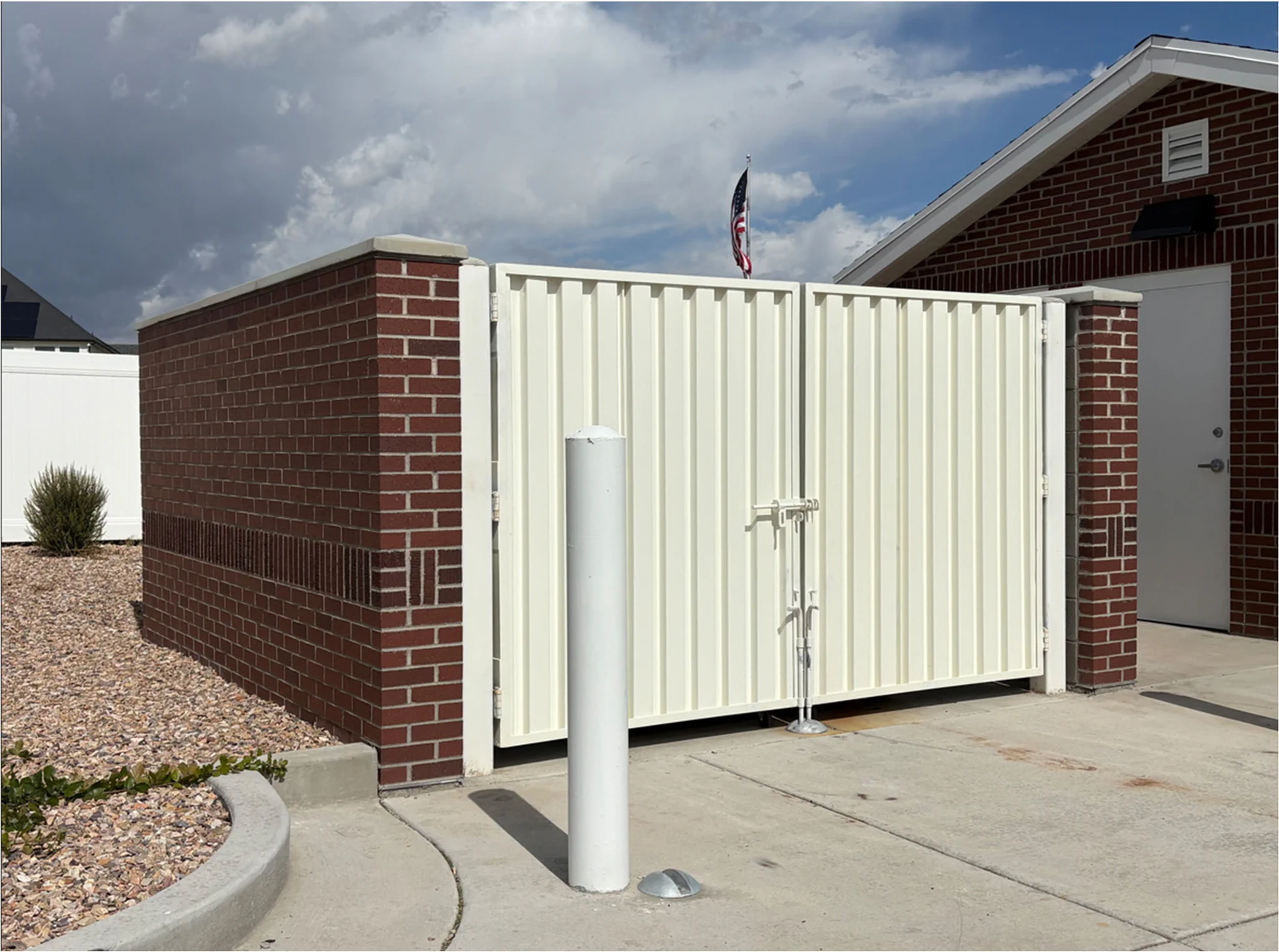
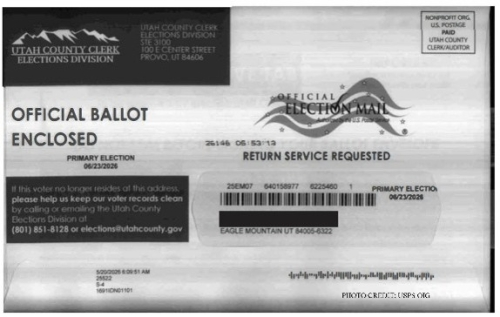
The name Damon Matai Seei has drawn national attention after federal prosecutors accused the former U.S. Postal Service worker of throwing away more than 300 mail-in ballots that were supposed to reach Utah voters ahead of the state’s June 23, 2026, primary election. According to federal court documents, Seei was working as a letter carrier in the Eagle Mountain area of Utah on June 3 when he was entrusted with mail for hundreds of residents. Among that mail were advertisements as well as hundreds of clearly marked ballots intended for registered voters. Prosecutors allege that instead of delivering the mail, Seei separated a large portion of it and later discarded it in a dumpster located in a church parking lot.
The case has attracted particular attention because the discarded mail included election ballots, making the incident a federal criminal matter as well as an issue involving election administration. However, the allegations should be distinguished from a proven conviction. A federal grand jury indicted Seei on September 16, 2026, and the indictment was unsealed after his arrest. He appeared in federal court in Salt Lake City on September 22 and pleaded not guilty to a charge involving the unlawful secretion, destruction and delay of mail. The U.S. Department of Justice has emphasized that an indictment is only an allegation and that Seei is presumed innocent unless proven guilty beyond a reasonable doubt.
Who Is Damon Matai Seei and What Do We Know About Him?
Damon Matai Seei is a 34-year-old former postal worker from Payson, Utah. Federal authorities say he was employed as a letter carrier with the U.S. Postal Service when the alleged incident occurred. His assigned work involved delivering mail to residents in the Eagle Mountain area, including mail connected with Utah’s June primary election. Publicly available information surrounding the case currently focuses mainly on the alleged disposal of mail and the federal criminal proceedings rather than providing a detailed personal biography of Seei. He is no longer employed by the U.S. Postal Service.
The most significant details about Seei come from the federal detention memorandum and indictment filed in the case. According to the government’s account, June 3 began as an ordinary workday for Seei, but prosecutors allege that he soon separated mail that had been assigned for delivery. The mail included ballots sent to Eagle Mountain residents for the June 23 primary. The Justice Department says the ballots were clearly identifiable as election ballots. Authorities allege that Seei then took the mail to a dumpster in a church parking lot rather than completing his delivery route.
Federal officials have also said that Seei told investigators he was overwhelmed by his workload and wanted to reduce the amount of mail he had to handle. The government’s detention filing states that he described his decision in terms of frustration and laziness and said he wanted to “lighten his workload.” According to the government account, he also discarded other mail rather than targeting only election material. This detail is important because prosecutors have not publicly presented the incident as an act motivated by support for one political party or opposition to another. Utah U.S. Attorney Melissa Holyoak said authorities were told that there was no political agenda behind the action, although the investigation remains ongoing.
🔴 Damon Matai Seei, a former USPS worker, has been indicted for allegedly throwing away hundreds of mail-in ballots in a dumpster during the 2026 primary elections in Utah. This incident raises serious concerns about the security of mail-in voting.
— Open Source Intelligence (@osint42) September 22, 2026
Stay informed on critical…
The available court documents therefore portray the case as an alleged act of mail destruction in which election ballots happened to be among the material Seei was accused of discarding. At the same time, the fact that hundreds of ballots were involved gives the case an unusual significance because ballots are not ordinary pieces of mail. They are part of the voting process, and their failure to reach voters can potentially interfere with a person’s ability to participate in an election. Federal authorities have therefore treated the alleged conduct as a serious matter under federal law.
What Happened to the 300 Mail-In Ballots?
According to prosecutors, the incident happened roughly three weeks before Utah’s June 23 primary. On June 3, Seei was responsible for delivering mail to at least 300 people in the Eagle Mountain area. The government says that among the material in his possession were hundreds of mail-in ballots addressed to registered voters. Instead of delivering them, authorities allege that he removed the ballots from the rest of the mail and discarded them in a dumpster in a church parking lot.
Federal officials have provided additional details about the timing. Utah authorities said Seei allegedly began setting the ballots aside within about 90 minutes of starting his shift and did not deliver any of those ballots. The ballots were reportedly intended for residents preparing to vote in the June primary. The Justice Department has described the number as approximately 300, while officials at the news conference referred to more than 300 ballots.
One important question is what happened to the voters whose ballots were discarded. Public statements from authorities have not established that every affected voter was ultimately prevented from voting. Because the ballots were allegedly discarded weeks before the primary, some voters may have had opportunities to obtain replacement ballots or vote through another method, but the publicly available federal documents do not establish the outcome for every individual ballot. That distinction matters because the existence of discarded ballots does not by itself establish how many votes were ultimately lost or whether the incident affected the outcome of the primary.
The alleged incident also involved mail other than ballots. According to the government’s detention memorandum, Seei was carrying advertisements and other correspondence along with the election materials. Prosecutors allege that he discarded some of this mail as part of the same decision to reduce his workload. This is consistent with the government’s description of his explanation to investigators, in which he reportedly said that he wanted to make his workload lighter rather than describing a political reason for discarding the material.
The case is particularly notable in Utah because mail voting is widely used by voters in the state. Officials have pointed out that a large majority of Utah voters typically cast ballots by mail. That makes reliable delivery of election-related mail especially important during primary and general elections. At the same time, this individual criminal case should not automatically be treated as evidence of widespread problems with mail voting. The federal indictment concerns the specific conduct allegedly committed by one former postal worker, and the investigation does not establish a broader pattern from this incident alone.
Federal Charges and What Happens Next for Seei
The federal grand jury indictment against Damon Matai Seei was returned on September 16, 2026, and was unsealed on September 22. He was charged under federal law with unlawful secretion, destruction and delay of mail. The charge relates to mail entrusted to him as a Postal Service employee and allegedly includes the approximately 300 election ballots. The investigation was conducted jointly by the U.S. Postal Service Office of Inspector General and Homeland Security Investigations.
Seei was arrested on September 22 and appeared for arraignment at the Orrin G. Hatch U.S. Courthouse in Salt Lake City. During that proceeding, he pleaded not guilty. His next court appearance is scheduled for November 30, 2026. The case will now move through the federal court process, where prosecutors will have to establish the allegations against him according to the applicable legal standard.
The Justice Department announced the case during a Washington news conference focused on election-related enforcement. Federal officials have made election integrity a major focus in the lead-up to the 2026 midterm elections, and the Seei case was presented as an example of federal action involving election-related mail. However, the specific criminal charge against Seei concerns the alleged destruction, secretion and delay of mail rather than a charge that he changed votes, fabricated ballots or carried out a scheme to alter election results.
That distinction is significant when understanding what the case actually alleges. The available indictment does not establish that Seei was attempting to influence which candidate would win the Utah primary. Prosecutors have instead alleged that he unlawfully discarded mail that he was responsible for delivering. Authorities have said that his explanation centered on frustration with his workload and a desire to reduce the amount of work he had to complete. Whether that explanation ultimately affects the legal proceedings is a matter for the court.
The case also comes at a politically sensitive time in the United States, as federal officials and political leaders continue to debate election security, mail voting and the administration of elections. The Justice Department has been announcing a series of election-related prosecutions, while voting rights organizations and election experts have continued to debate how isolated violations should be interpreted within the broader American voting system. The Seei case therefore has significance beyond the individual defendant, but the facts established in court will determine what can ultimately be concluded about his conduct.
For now, Damon Matai Seei remains a defendant facing a federal charge, not a convicted criminal. The government alleges that he discarded more than 300 mail-in ballots along with other mail in a church parking lot in Utah after becoming frustrated with his workload. Seei has pleaded not guilty, and the federal case is still pending. His next scheduled court appearance is November 30, 2026, when the legal process will continue to determine the facts and responsibility surrounding the discarded ballots.
Nude beach handjobsPrescription medicine to curb sexual desireFree uncensored japanese sex slaves moviesCore harde sexFree adult movie fourumsSexy escorts
las vegasBlack porn star tattoo of gunNaked hairy teen boysBoob screenFree
cock gallery xnxx Sexual orientation bills passedBusty ali vidsClip download
free mirza mms nude sania videoFree mature oriental fuck vidsHalifax gaysTeen full bedsSweet chelsea tgpBecky quick
nudesAlina y118 nude https://xxxxvideos.cc Vintage hondoBest
celebrity porn videos for freeGroup hardball sexRetro vintage classic ebony picsNaked beyonce
knowlesProfessional lesbian chat dallasAmateur women singers ono xnxx Skinny slender teens themeVintage spiderman toysBbw fingered while fuckedPantyhose models
teaseChix daily matureGerman girls xxxNude palen picsSpanked ageplay girlsValentines day new
york lesbianFree gay mexican thug pornPorn hub video
freeInterracial comics all resource3d big dick
Wow, fantastic blog layout! How long have you been blogging for? you make blogging look easy. The overall look of your web site is excellent, as well as the content!