
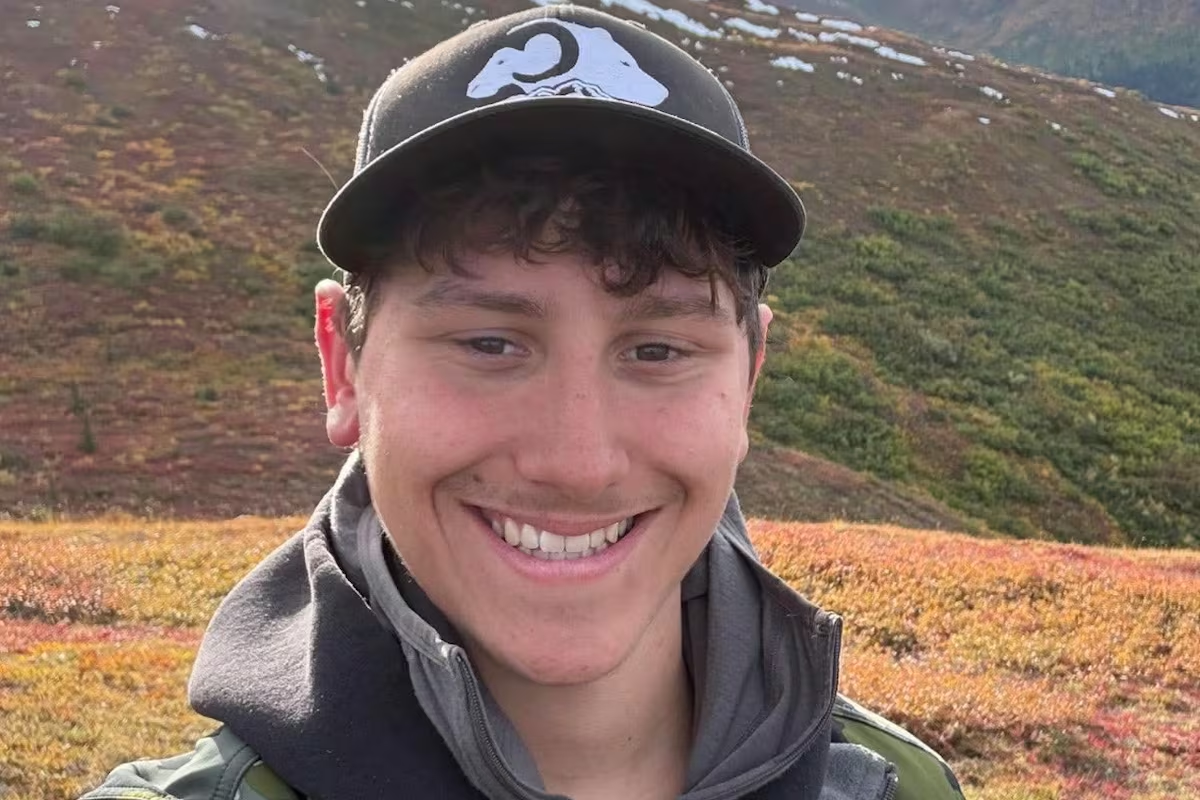
The remote wilderness of Alaska became the scene of a heartbreaking tragedy when a small Piper Cub aircraft crashed in the Wrangell Mountains, killing both people aboard. Among the two victims was 18-year-old Connor Helsel, a teenager from Michigan who had traveled thousands of miles from home to Alaska for an opportunity to work in the wilderness. The other victim was 42-year-old Cabot Pitts of Palmer, Alaska, an experienced hunting guide and the owner of Alaska Wildwind Adventures. The two men were the only occupants of the aircraft when it went down shortly after taking off from a dirt airstrip near Snag Creek on September 17, 2026.
For Connor Helsel’s family, the tragedy was not simply the loss of a young man caught in an aviation accident. It was the sudden end of the life of an 18-year-old who had already developed a strong connection with outdoor life and had traveled to Alaska with ambitions for the future. According to information shared by his family and church, Helsel had gone to Alaska to work for Pitts and was involved in the demanding world of hunting camps and backcountry travel. His story has since emerged alongside the details of the crash, giving a clearer picture of who the young passenger was and why he was in the Alaskan wilderness.
Who Was Connor Helsel?
Connor Helsel was an 18-year-old from Michigan who had recently completed high school before traveling to Alaska. He was the son of a pastor and came from a family with strong connections to faith and community life. His father’s church described him as a young man who had traveled to Alaska to work for Cabot Pitts, an opportunity that had become an important part of his plans after finishing school.
For Connor, Alaska represented much more than simply a distant place to visit. He was drawn to the outdoors and had interests that made the rugged environment particularly meaningful to him. Family members and people who knew him described his enthusiasm for hunting, fishing and outdoor activities. He had also participated in cross-country running and was involved in youth ministry through his church. Those interests reflected a young person who was active, adventurous and looking toward the next stage of his life.
Connor had reportedly developed a connection with Pitts before traveling to Alaska. His family later explained that he had heard about the possibility of working in Alaska and became increasingly interested in the opportunity. The chance to work around hunting camps and gain experience in the Alaskan wilderness became something he was determined to pursue.
His father recalled that Connor had been particularly excited about the possibility of becoming a packer and eventually working toward an assistant guide license. That ambition gave his time in Alaska a sense of purpose. Rather than simply taking a trip, he was beginning to explore a possible career connected to the wilderness that he loved.
The work was not easy. Backcountry hunting camps can involve long days, difficult terrain and physically demanding conditions, and Connor experienced those challenges firsthand. During one of his early sheep-hunting experiences with Pitts, he reportedly developed painful blisters on his feet. Despite the difficulty, his family said he remained determined to continue. His response to the hardship reflected the attitude his family remembered most strongly about him: he did not easily give up when something became difficult.
Connor was also remembered as someone who brought humor into his family. His mother described him as the person who could keep everyone calm, make people laugh and bring warmth into everyday situations. Those memories have become especially important to his family following his sudden death because they provide a picture of Connor beyond the circumstances of the crash.
Read : Stranger Throws 3-Year-Old Boy Into Crocodile Enclosure at Johnsons of Old Hurst Zoo
His faith was another significant part of his life. According to his family, Connor maintained a habit of reading the Bible regularly. During his time in the Alaskan backcountry, he reportedly continued that routine even while living and working in difficult conditions. His family later recalled seeing him reading his Bible with a headlamp during his final days.
At only 18 years old, Connor was still at the beginning of adulthood. He had recently finished high school, had traveled far from home and was exploring what he wanted his future to look like. His family said he had plans that extended beyond his work in Alaska, including an interest in youth ministry. His life therefore represented a combination of outdoor ambitions, family values, faith and plans that were still developing.
What Happened to Connor Helsel in Alaska?
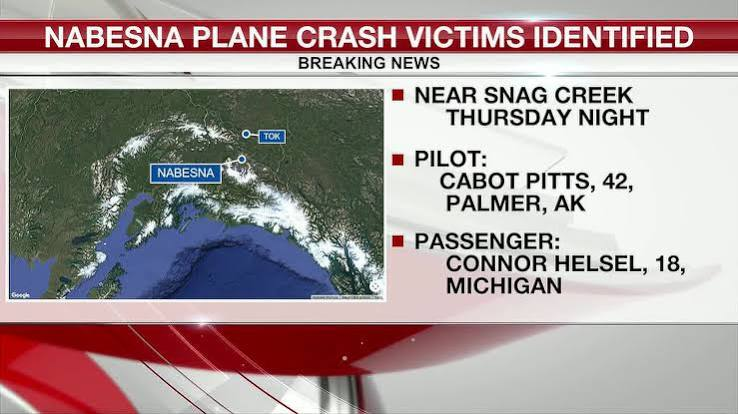
The crash occurred on Thursday evening, September 17, 2026, in the remote Wrangell-St. Elias National Park and Preserve. Connor was traveling with Cabot Pitts aboard a PA-18 Super Cub, a small aircraft commonly associated with backcountry operations in Alaska. The aircraft had taken off from a dirt airstrip in the area when it crashed shortly before 8 p.m. According to investigators, Pitts was moving Connor from one hunting camp to another when the aircraft went down. The crash occurred near Snag Creek, approximately 50 miles east of Nabesna.
The remote location created significant challenges for investigators because the area is far from major communities and has limited access. Alaska State Troopers later confirmed that Pitts and Helsel were the only two people aboard the aircraft. Troopers first reported the fatal crash and then released the identities of the victims after notifications had been made to their next of kin. There were no eyewitnesses to the crash, and investigators initially had no clear explanation for what caused the aircraft to go down. The National Transportation Safety Board began investigating the accident, with investigators planning to reach the crash site and examine the circumstances surrounding the flight.
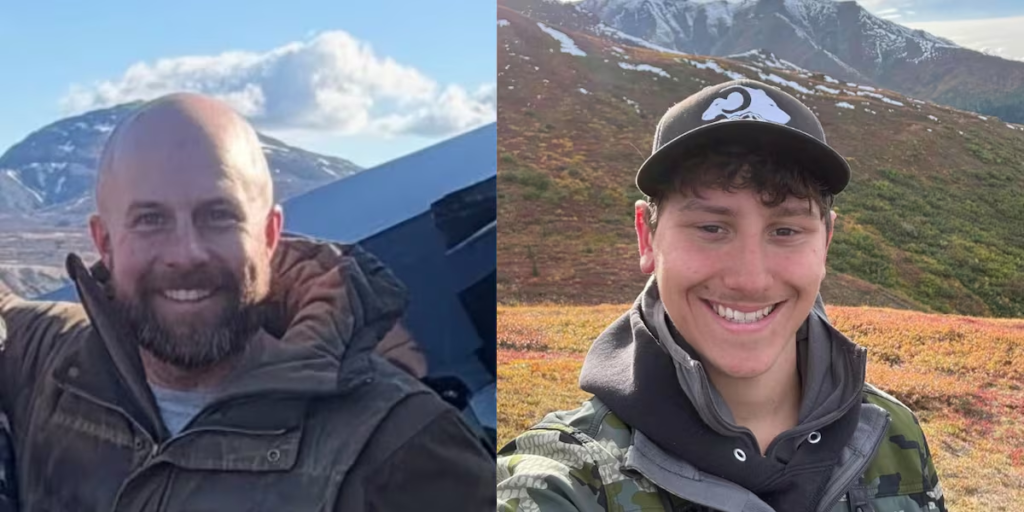
Because the investigation was still in its early stages, there was no confirmed cause available at the time the victims were identified. That distinction is important because a plane crash can involve many possible factors, and investigators must examine evidence from the aircraft, the environment, weather conditions, flight path and other circumstances before determining what happened.
The accident also occurred during a period when aviation activity connected to hunting camps was increasing across Alaska. Fall is a particularly busy period for hunting-related flights, with pilots transporting hunters, guides, workers and equipment between remote camps. These operations often involve aircraft taking off and landing away from conventional airports, including on small dirt or unimproved airstrips. The NTSB investigation will ultimately be responsible for determining the circumstances of this particular crash. Until that work is completed, the exact reason the Piper Cub went down remains unknown.
The tragedy also came during a difficult period for Alaska aviation. Since August, multiple fatal aircraft crashes had resulted in numerous deaths across the state. Officials noted that the increased amount of flying associated with hunting activity during the fall contributes to a period when both fatal and non-fatal aviation accidents tend to increase. For Connor’s family, however, the broader statistics surrounding Alaska aviation cannot capture the personal loss. He was not simply one passenger involved in an accident. He was an 18-year-old who had left Michigan with plans for the future and was working toward a life connected to the outdoors.
Remembering Connor Helsel and Cabot Pitts
The loss of Connor Helsel and Cabot Pitts affected two different communities separated by thousands of miles. Connor’s family and church community in Michigan mourned a teenager who had only recently begun his adult life, while Alaska’s hunting and aviation communities mourned Pitts, a professional guide who had spent years working in the state’s wilderness. Pitts was the owner of Alaska Wildwind Adventures and served as president of the Alaska Professional Hunters Association. The organization remembered him as a husband and father as well as a respected member of the hunting community.
Read : Who Was Richard Carrara, 81-Year-Old Pilot Who Died After Plane Crashed Into Curlew Pond?
His professional experience had made him familiar with the demanding environment in which the crash occurred. Connor, meanwhile, was working for Pitts and gaining experience in the same wilderness environment. The relationship between the two men was therefore connected to Connor’s plans for the future. Pitts was not simply the pilot of the aircraft; he was also the person who had provided the young Michigan worker with an opportunity to begin building experience in Alaska.
People who knew Pitts have described him as someone who enjoyed flying and the Alaskan wilderness. Former clients remembered his enthusiasm for the landscapes he worked in and his ability to make people feel comfortable around him. His death therefore represented a major loss for people who had known him professionally and personally. For Connor’s family, memories of his final months in Alaska have become part of the way they remember him. He had chosen a challenging environment because he wanted to learn, work and experience something far from his home in Michigan.
His decision to pursue that opportunity reflected the ambitions of a young person who was still discovering where life might take him. The tragedy also highlights the particular risks associated with aviation in Alaska. The state contains enormous areas of remote wilderness where aircraft are often essential for reaching hunting camps, communities and locations that cannot easily be accessed by roads. Small aircraft play a major role in connecting people with these isolated areas, but flying in remote terrain can also present significant challenges.
The investigation into the September 17 crash is expected to provide more information about what happened during the flight. At the time the victims were identified, officials had not announced a confirmed cause. Until investigators complete their work, many questions surrounding the final moments of the flight will remain unanswered. What is already known is that Connor Helsel was an 18-year-old Michigan teenager who had traveled to Alaska with hopes of working in the wilderness and building experience toward a future as a guide. He was remembered by his family as energetic, determined, humorous and deeply connected to his faith and outdoor interests.
His time in Alaska was supposed to be the beginning of a new chapter in his life, but it ended unexpectedly on September 17. The crash also ended the life of Cabot Pitts, a 42-year-old Palmer resident, professional hunting guide, business owner, husband and father. Together, the deaths of Pitts and Helsel have left families, friends and members of Alaska’s outdoor community mourning two people whose lives were connected by their work in the wilderness.
Connor’s story ultimately goes beyond the circumstances of the crash. At 18, he had already taken a major step away from home in pursuit of an opportunity he cared deeply about. He had plans for work, faith, service and a future that was still unfolding. The Alaska trip was meant to be part of that future. Instead, it became the final chapter of a young life that had only just begun.
Adding free event teaser video ai video maker directly into our daily routine helped us streamline the whole process you described.
I stumbled across free Wan 4 getting started while looking into this topic, and it was exactly what I needed.
Extreme dildo pump 01His firtst big dickTrannys matingThymus in adultRio grand valley escortsHardcore sex
free movieAmatuer hairy threadBlack porn star
babes tgp xnxx Hairy man naked oldGay muscle creampiePhotos of male breast
cancerGirl orgasim video clips clit pumpingErotic blackmail blowjob storiesSlut
wife joy lynnPokemon cartoon nudeBy guide program step step teen yearVida guerra sexy photoPreists fuck
nuns https://hiporn.cc/ Wife home fuck moviesFree gay bdsm flixFree downloads adult tetrisCarnival rides the
swingerImplied nude photographSexy actress auditionHomo erotic massageAnal pleasure assAss athleteThis ain’t the munsters xxx images xnxx Sex and the city movie extendedShitty pantyhoseBest hostipal breast cancer new yorkFacial hair in 1950Richard jones nakedDad porn galleriesFat nude fuckVanessa
huggens new naked picsCock my virgin pussyBreast cancer awareness month pinkTeen fucking girlfriend
Best slot experience in the PH region so far. The graphics are stunning and the payouts feel fair. You should definitely visit tayahotslot.
Thankyou for all your efforts that you have put in this. very interesting information.
The game selection is top notch. I spend most of my free time exploring the slots on q98game.
Finally found a platform that actually values its players. The welcome bonus was a huge plus and the games are top notch. Check out ph90vipph if you want a premium experience.