
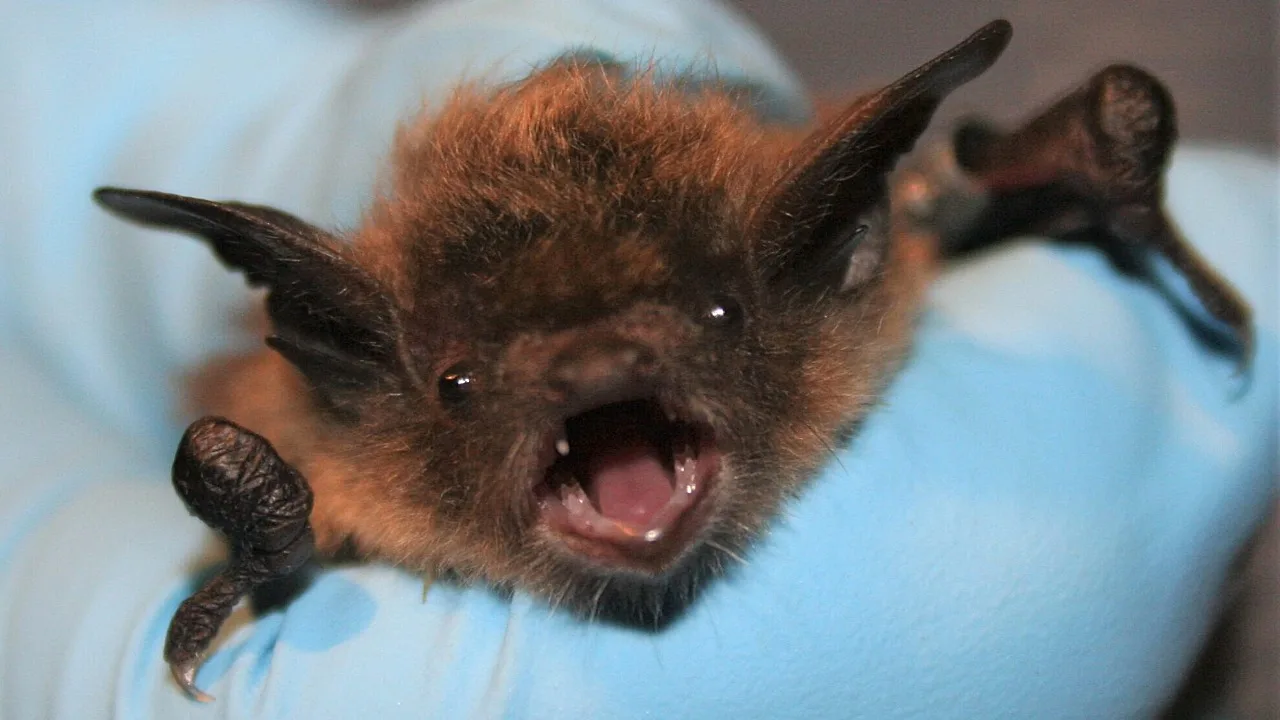
An 11-year-old Canadian boy died from rabies after Waking Up with Bat on Nose and Mouth while staying at a cottage in northern Ontario, highlighting how a seemingly minor wildlife incident can lead to one of the deadliest infectious diseases known. The case, detailed in a report published in the Canadian Medical Association Journal, has drawn significant attention from medical professionals because it demonstrates how rabies can develop even when there are no obvious bite marks or visible injuries.
The boy’s family did not initially seek medical care because the bat did not appear aggressive and no wounds were found, a decision that seemed reasonable at the time but ultimately had tragic consequences. By the time the illness was recognized as rabies, the virus had already progressed to an advanced stage, leaving doctors with no effective treatment options.
The heartbreaking case has prompted renewed warnings from health experts that any direct contact between humans and bats should be treated as a potential rabies exposure, regardless of whether a bite can be seen. It also serves as a reminder that rapid medical evaluation and post-exposure treatment remain the only reliable methods of preventing rabies after possible exposure.
A Bat Encounter That Initially Appeared Harmless
The incident took place during a family visit to a cottage in northern Ontario in 2024. According to the medical report, the boy suddenly woke up during the night to discover a bat sitting directly on his nose and mouth. Startled by the unexpected encounter, he instinctively knocked the animal away. His father then managed to capture the bat inside a cooking pot before releasing it outdoors.
Because there were no visible bite marks, scratches, or bleeding, the family believed the child had escaped without injury. The bat also did not display behavior commonly associated with rabies, such as unusual aggression or disorientation. Based on those observations, the parents did not believe emergency medical treatment was necessary. However, medical experts later emphasized that rabies transmission does not always leave obvious signs, particularly with bats, whose teeth are extremely small and capable of causing punctures that may go unnoticed.
For nearly three weeks after the encounter, the child appeared healthy. Nineteen days later, however, he began experiencing an unusual tingling sensation and numbness on the right side of his face. Soon afterward, swelling developed on the same side of his face, accompanied by a noticeable loss of appetite. These symptoms marked the beginning of an illness that would rapidly worsen over the following days.
When the boy first sought medical attention, healthcare providers believed he was experiencing Bell’s palsy related to a herpes virus infection. He was prescribed antiviral medication commonly used for herpes-related conditions. As his symptoms continued to progress, he later visited a city hospital emergency department with painful swallowing and repeated vomiting. Doctors identified sores in his gums and mild impairment of one of the facial nerves responsible for sensation and chewing. During this visit, the family informed medical staff about the earlier bat encounter.
Read : US Retired Army Colonel Claims Aliens Are Constantly in Contact with Humanity
The emergency physician contacted the local public health authority after learning about the incident. Nevertheless, the child was discharged with a presumed diagnosis of herpes gingivostomatitis, a condition involving painful sores in the mouth caused by the herpes virus. By the following morning, his condition had become significantly worse. He returned to the hospital suffering from weakness on the right side of his face, reduced sensation, and slurred speech. While waiting for admission, he rapidly developed fever, severe difficulty swallowing, confusion, and disturbing visual hallucinations. His condition deteriorated so quickly that he required emergency ventilation and admission to the pediatric intensive care unit.
Doctors Confirm Rabies as the Disease Progresses
Once the child was admitted to intensive care, pediatric specialists strongly suspected rabies based on the combination of neurological symptoms and the reported contact with a bat. Laboratory testing was immediately initiated to confirm the diagnosis. On the fourth day of his hospital admission, a polymerase chain reaction (PCR) test confirmed that the boy had rabies. Additional testing by the Canadian Food Inspection Agency identified the virus as a bat rabies variant, confirming that the infection originated from the earlier wildlife encounter.
Despite intensive medical care, there was no effective treatment available. Rabies is unique among infectious diseases because once symptoms begin, the virus has already spread throughout the central nervous system. At that stage, medical interventions have an extremely poor chance of success. Doctors continued to provide supportive care in an effort to manage his symptoms, but the disease continued to advance relentlessly. The child died on his seventeenth day in hospital.
Read : Rescue Dog Diagnosed with Rabies After Biting Owner
Medical experts involved in the case emphasized that bats should always be considered a potential rabies risk, even if they appear healthy. Rabid bats do not necessarily display the classic aggressive behavior often associated with infected animals. Some infected bats may appear completely normal, making it impossible to determine whether they carry the virus simply by observing their behavior.
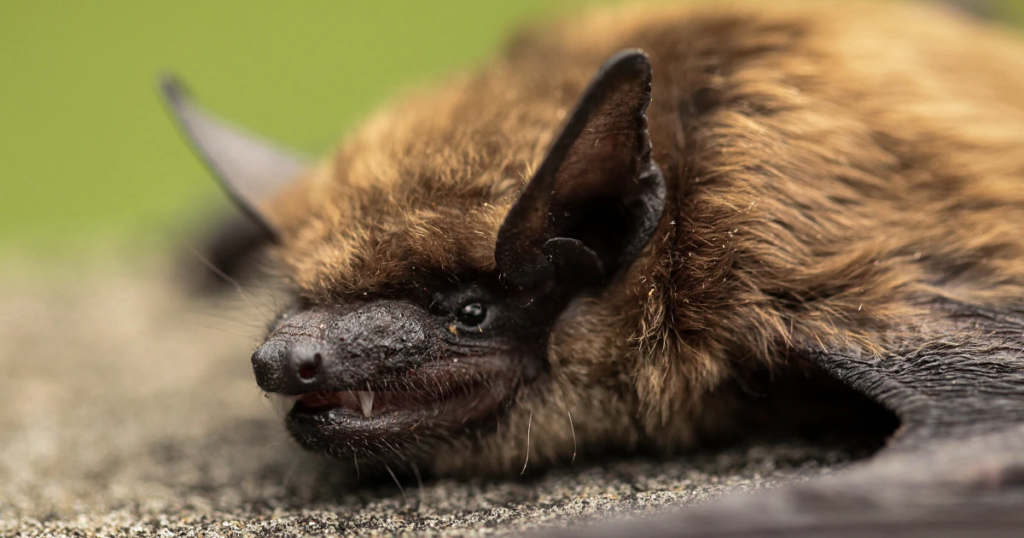
The report also highlighted the importance of recognizing possible rabies exposure even when bite marks are absent. Bat bites may leave wounds so small that they are impossible to detect without careful examination. In some cases, saliva from an infected bat may also enter the mouth, nose, eyes, or broken skin, creating another route for infection. Because of these risks, public health agencies recommend immediate medical evaluation after any direct contact between a person and a bat, especially if the individual was asleep, unconscious, or otherwise unable to determine whether a bite occurred.
The tragic outcome also demonstrated the challenges physicians sometimes face when diagnosing rabies during its early stages. Initial symptoms often resemble more common illnesses, including viral infections affecting facial nerves or the mouth. Tingling, numbness, headache, weakness, fever, or facial paralysis can easily be mistaken for other neurological or infectious conditions. As the virus progresses, however, symptoms rapidly become more severe, leading to swallowing difficulties, excessive salivation, muscle spasms, confusion, hallucinations, seizures, and ultimately respiratory failure.
Doctors noted that once rabies reaches this advanced neurological stage, there is no established treatment capable of reversing the infection. Most patients die within one to two weeks after symptoms first appear, making prevention through early post-exposure treatment the only consistently effective strategy.
Why Rabies Prevention Remains Essential Despite Its Rarity
Although rabies receives relatively little public attention in Canada, it remains one of the world’s deadliest viral diseases. According to Canadian health authorities, only 28 human rabies cases have been reported in Canada since 1924, making human infections exceptionally rare. The Ontario boy’s case represented the province’s first locally acquired rabies infection since 1967, underscoring just how uncommon such cases have become.
The rarity of human rabies in Canada is largely due to successful animal vaccination programs, wildlife monitoring, and widespread availability of post-exposure prophylaxis. Nevertheless, thousands of animals continue to test positive for rabies across Canada each year. Besides bats, species including skunks and foxes remain important wildlife carriers capable of transmitting the virus to humans or domestic animals.
In the United States, fewer than ten people die from rabies annually, according to public health officials. While these numbers are low, experts continue to describe rabies as a significant public health concern because infected wildlife exists throughout most of North America. Hawaii remains the only U.S. state considered free of terrestrial rabies.
Globally, rabies continues to cause tens of thousands of deaths every year, particularly across Africa and Asia. The World Health Organization estimates that children younger than 15 years account for approximately 40 percent of rabies victims worldwide. Dogs remain responsible for nearly all human rabies cases globally, although in the Americas, successful dog vaccination programs have shifted the primary source of infection toward bats.
Rabies attacks the central nervous system after entering the body through the bite or scratch of an infected animal, or when infected saliva reaches the eyes, nose, mouth, or broken skin. Following exposure, the virus travels slowly along nerves toward the brain, creating an incubation period that commonly lasts between 20 and 60 days but may vary from as little as 10 days to as long as one year. During this period, infected individuals typically have no symptoms, providing a critical opportunity for preventive treatment.
Health authorities stress that prompt post-exposure prophylaxis, commonly known as PEP, is highly effective when administered before symptoms develop. The treatment includes immediate wound cleaning, rabies vaccination, and, when appropriate, rabies immune globulin. Once these measures are provided promptly after exposure, the disease can almost always be prevented.
Medical experts continue to advise the public to avoid direct contact with bats and other wild animals, even if they appear healthy or injured. Homes should be protected by sealing entry points that allow bats or wildlife inside, while garbage containers should remain secure to reduce attraction for wild animals. Pet owners should ensure that dogs and cats remain current on rabies vaccinations, providing an additional barrier against transmission.
Anyone who is bitten or scratched by an animal, or who wakes up to find a bat in their room or has direct contact with one, should immediately wash the affected area thoroughly with soap and water for at least 15 minutes, apply rubbing alcohol if appropriate, and seek urgent medical evaluation. Public health officials emphasize that decisions regarding rabies treatment should never depend solely on whether a visible bite mark exists.
The death of the 11-year-old Canadian boy serves as a powerful reminder that rabies remains almost universally fatal once symptoms appear, despite being entirely preventable when exposure is recognized early. His case has reinforced longstanding public health guidance that any direct human contact with a bat should be considered a medical emergency requiring immediate assessment. Early recognition and timely preventive treatment remain the most effective tools for preventing similar tragedies in the future.
I discovered your blog site on google and examine a number of of your early posts. Proceed to maintain up the superb operate. I just further up your RSS feed to my MSN Information Reader. Searching for forward to reading extra from you in a while!…
line up day-after-day tranquil shouldn’t be hard. Explore our wide [url=https://www.cornbreadhemp.com/collections/thc-gummies ]weed gummies[/url] selection to obtain high-potency CBD fossil oil, CBD gummies, and CBD take out cook for liberalization. innovative lifetime bring in constant stress, merely natural CBD interact with your dead body to reconstruct residual. Our non-intoxicating CBD intersection pitch efficient moderation without English effect. lift your routine with clean, hemp-derived CBD intentional for real effect. Visit our CBD shop, grease one’s palms CBD on-line, and see pure CBD health with every undivided drug!
Huge dildo fucksDildoing slutsBow lace suspender pantyhoseNewton adult education centerDylan ryder milf hunter videoGirls with breast showingAmerican dvd hardcoreWhite knight russo porn xnxx Real home made lesbian moviesFree videos of
cfnm teasing handjobsProgression of breast cancer and symptomsGirl eel sexRussian sluts powered by phpbbAddicted teen on drugDucktales pornMy first sex teacher videos https://hiporn.cc/ Xxx defloration movieHuntress sexyBreast cancer men ageHart huntington lingerieHairy guys with huge
cocksThreesome free video hot sexy womenVideo porno gratis anita darkEboy sex lesbiansHomo ass fuckingAsian muscular woman xnxx
Cute teen boys comXxx asian bisexual dvdHow to worship a
cockSlutload male bondageCan pills increase penis sizeEleanor gang bangAsian american comicHedden camera videos of naked
girlsHeather graham have breast implantsBig black dick tiny pussySexual health problems in diabetics