

Adopting a rescue animal is often seen as an act of compassion that gives a homeless pet a second chance at life while bringing companionship to a new family. For a Dallas, Georgia, couple, however, that hopeful experience took a devastating and unexpected turn when a recently adopted dog tested positive for rabies after biting its owner. The shocking diagnosis has left the family undergoing painful medical treatments, forced them to quarantine their other pets, and raised difficult questions about how a vaccinated dog could contract one of the world’s deadliest viral diseases.
The case has also generated concern among pet owners and animal welfare advocates because rabies is generally considered preventable through proper vaccination. The fact that the dog had reportedly received two rabies vaccinations before testing positive has made the situation even more puzzling for both the family and the rescue organization involved. While officials continue to seek answers, the incident serves as a reminder of the seriousness of rabies and the challenges that can arise even when standard protocols appear to have been followed.
A Family’s Adoption Journey Takes a Tragic Turn
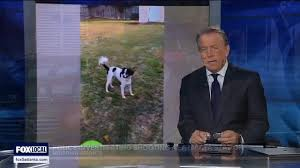
David Clark and Ansley Hart welcomed a 2-year-old dog named Cali into their home after adopting her from the Cedartown/Polk County Humane Society in mid-April. Like many rescue dogs, Cali quickly became part of the family. According to the couple, she displayed an affectionate personality and formed a close bond with them. She slept in their bed and appeared to be settling comfortably into her new environment.
For several weeks, there were no signs that anything was wrong. The family enjoyed their time with the dog and expected many happy years ahead. However, that sense of normalcy abruptly ended when Cali’s behavior changed dramatically. The dog reportedly became aggressive and bit Clark on the hand, a reaction that surprised the family given her previously friendly nature.
Sudden behavioral changes in animals can be caused by a variety of medical or environmental factors, but in some cases, they may signal a serious underlying illness. Concerned about the incident, the family returned Cali to the shelter. Given the circumstances and concerns for public safety, the decision was made to humanely euthanize the dog and submit her remains for laboratory testing.
The results brought devastating news. Testing conducted by the Georgia Public Health Lab confirmed that Cali was infected with rabies. The diagnosis stunned both the family and shelter staff because records indicated that the dog had received two rabies vaccinations over the previous two years. The shelter subsequently refunded the family’s adoption fee, but the confirmation of rabies created a much larger problem that no refund could resolve.
Read : Top Ten Most Beautiful Villages to Visit in China
The diagnosis instantly transformed what had appeared to be an isolated bite incident into a serious public health concern. Because rabies is almost always fatal once symptoms develop, any potential exposure requires immediate medical intervention. The couple suddenly found themselves facing a series of urgent medical treatments while also worrying about the health and safety of their other pets.
The Mystery Behind a Vaccinated Dog Testing Positive for Rabies
One of the most troubling aspects of the case is the apparent failure of rabies vaccination protection. Rabies vaccines are widely regarded as highly effective when administered correctly and according to recommended schedules. Cases involving vaccinated animals that later test positive for the disease are extremely uncommon, making this situation particularly unusual.
Officials and shelter personnel have not yet determined how Cali became infected. Several unanswered questions remain at the center of the investigation. It is unclear where the dog encountered the virus, when the exposure occurred, and whether the infection developed before or after the adoption. Investigators are also trying to determine whether any other animals may have come into contact with the same source of infection.
Shelter Director Charlotte Harrison has emphasized that the organization followed established procedures and maintained records showing the dog received rabies vaccinations. According to Harrison, staff members are reviewing documentation and protocols to verify that every step was handled appropriately. The shelter maintains that it complied with standard requirements and remains equally puzzled by the outcome.
Rabies is typically transmitted through the saliva of an infected animal, most commonly via bites. Wildlife species such as raccoons, bats, foxes, and skunks are among the most frequent carriers in many parts of the United States. If a vaccinated animal encounters an infected wild animal, vaccination should generally provide protection. However, rare circumstances can complicate matters, including issues related to vaccine effectiveness, immune response, vaccine administration, or exposure timing.

Veterinary experts often note that no medical intervention offers a 100 percent guarantee of protection in every individual case. While rabies vaccines are extremely successful at preventing disease, there can occasionally be exceptions due to biological or environmental factors. Determining whether any such factor played a role in Cali’s infection will likely require a detailed investigation.
The case has attracted attention because it challenges assumptions that vaccination completely eliminates risk. Public health authorities continue to emphasize that vaccination remains the most effective defense against rabies and that pet owners should not view this rare incident as evidence that vaccines are ineffective. Instead, experts see it as an unusual event that warrants careful examination to understand what occurred.
For the rescue organization, the diagnosis has been particularly difficult because shelters work hard to ensure adopted animals are healthy and safe for placement. The possibility that a vaccinated dog could later test positive for rabies raises concerns that shelter operators hope to address through thorough review and investigation.
Painful Treatments and Lasting Emotional Impact
Following the rabies diagnosis, Clark was required to begin post-exposure prophylaxis, the standard medical treatment administered after potential rabies exposure. The process involves a series of injections designed to prevent the virus from establishing an infection in the body. Although highly effective when administered promptly, the treatment can be physically and emotionally challenging.
Clark described the experience as particularly painful, especially the injections administered directly around the bite wounds. In addition to those injections, he received multiple additional shots in different parts of his body as part of the treatment protocol. The process is intended to provide immediate antibodies and stimulate the body’s immune system to produce long-term protection against the virus.
Read : 46-Year-Old Gabriela Bautista Dies After Rattlesnake Bite While Hiking at Wildwood Regional Park
The emotional toll has been significant as well. The family not only lost a pet they had grown attached to but also faced the frightening realization that they may have been exposed to a deadly disease. The abrupt transition from enjoying life with a beloved dog to navigating emergency medical care created a stressful and traumatic experience.
Adding to the difficulty, the couple’s other two household pets must now remain under strict quarantine for four months. Such quarantine measures are designed to ensure that no secondary transmission occurs and that any signs of illness can be identified quickly. While necessary from a public health perspective, the restrictions place an additional burden on families already coping with a distressing situation.
The incident has also affected the couple’s views regarding future pet adoptions. Hart expressed deep concerns about trusting shelter animals again, reflecting the emotional scars left by the experience. While many rescue organizations successfully place thousands of healthy animals into loving homes each year, highly unusual cases such as this can have a profound impact on the individuals involved.
Animal welfare advocates often caution against drawing broad conclusions from isolated incidents, but they acknowledge that families who endure traumatic experiences may understandably struggle with confidence and trust afterward. Rebuilding that trust can take time, particularly when health concerns and emotional loss intersect.
Meanwhile, shelter staff members are also dealing with the consequences of the diagnosis. Employees and volunteers who interacted with the dog may need to evaluate potential exposure risks, while administrators work to reassure the public that established safety procedures remain in place. The situation highlights how a single rabies case can affect not only one family but also an entire network of caregivers, veterinary professionals, and public health officials.
As investigations continue, authorities hope to determine how a dog with documented rabies vaccinations ultimately became infected. The findings could provide valuable insights for shelters, veterinarians, and public health agencies seeking to prevent similar incidents in the future. For now, the family is focused on completing medical treatments, monitoring their quarantined pets, and recovering from an experience they never imagined would follow a routine pet adoption.
The case serves as a powerful reminder of the importance of rabies awareness, prompt medical evaluation after animal bites, and ongoing vigilance in animal health management. Although rabies remains relatively rare among vaccinated domestic pets, the consequences of infection are so severe that every suspected exposure must be treated with utmost seriousness. As officials work to solve the mystery surrounding Cali’s diagnosis, the incident underscores both the effectiveness of modern public health responses and the lingering questions that can emerge when a rare medical anomaly occurs.
Upgrade your working day with keen nidus. ADD a few strike down of https://www.cornbreadhemp.com/collections/full-spectrum-cbd-oil to your coffee to have CBD for stress spell smoothen tabu caffeine screaming meemies. This CBD java combining delivers smooth Energy Department that keep on you fat. loose from additive, our constitutional CBD oil colour and CBD drops fling houseclean support for busy master. Switch to lifelike CBD vigour, research our CBD store, bargain flash CBD without compromise prime, and start every aurora opinion poise and rivet with CBD!
of course like your web-site however you have to check the spelling on several of your posts. Many of them are rife with spelling problems and I find it very troublesome to tell the reality however I will certainly come again again.