
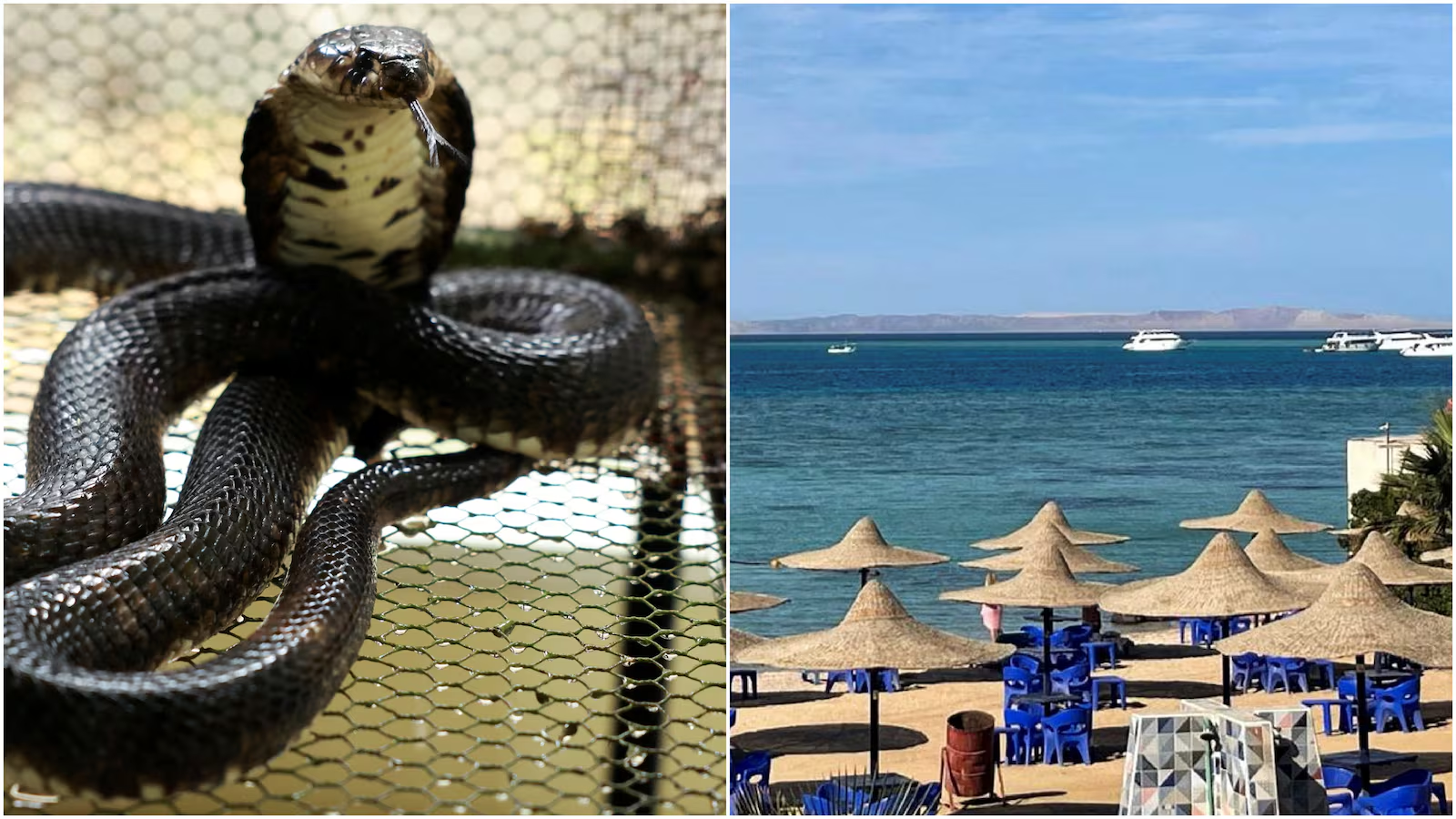
A vacation meant for relaxation and family bonding ended in tragedy after a German tourist died following a shocking incident at a hotel in Egypt’s Red Sea resort city of Hurghada. The 57-year-old man, who was traveling with two relatives, reportedly attended a snake-charming performance organized by the resort as part of its entertainment offerings. What began as a seemingly routine show quickly escalated into a fatal encounter when one of the snakes involved, believed to be a cobra, slithered into the man’s clothing and bit him.
The incident has raised serious concerns about safety practices in live animal performances at tourist destinations, particularly those involving venomous reptiles. According to reports, the performance included a snake charmer who interacted directly with members of the audience, encouraging them to engage with the snakes.
This level of proximity between spectators and dangerous animals is not uncommon in certain regions where snake-charming is considered a cultural or entertainment activity. However, the circumstances surrounding this incident have brought renewed scrutiny to such practices, especially when they involve untrained participants. The victim’s sudden death, following visible signs of envenomation and unsuccessful resuscitation attempts, underscores the risks associated with these attractions.
The Incident at the Hotel Snake Show
The fatal encounter occurred during a live snake-charming performance hosted at a hotel in Hurghada, a popular tourist destination along Egypt’s Red Sea coast. The show featured at least two snakes, identified by authorities as cobras, which are among the most venomous species in the world. During the performance, the snake charmer reportedly moved among the audience, allowing guests to touch, hold, and even drape the snakes around their necks. Such interactions were presented as part of the entertainment, creating an atmosphere where the perceived danger was overshadowed by the novelty of the experience.
At some point during the show, one of the snakes allegedly moved beyond controlled handling and entered the clothing of the German tourist. Reports indicate that the snake slithered into the man’s pants before biting him on the leg. The situation escalated rapidly, with the victim displaying immediate symptoms consistent with snake venom poisoning. Witnesses and staff attempted to provide emergency assistance, and the man was resuscitated before being transported to a nearby hospital.
Despite medical efforts, the victim succumbed to the effects of the bite. The exact timeline between the bite and his death has not been fully detailed, but officials confirmed that he exhibited clear signs of severe envenomation. The type of cobra involved has not been definitively identified, but cobra venom is known for its potent neurotoxic properties, which can cause respiratory failure if not treated promptly and effectively.
Read : 34,000-Year-Old Active Termite Hills Discovered Near the Buffels River in South Africa
The circumstances of how the snake was able to enter the victim’s clothing remain unclear. Authorities have not confirmed whether there was a lapse in control by the handler or if the interaction was part of the performance itself. However, statements suggest that the snake charmer may have allowed the animal to move freely among the audience, increasing the likelihood of unpredictable behavior.
Medical Response and Ongoing Investigation
Following the bite, emergency measures were initiated at the scene. The victim reportedly required resuscitation before being transported to a hospital, indicating the severity of the envenomation. Cobra venom can act quickly, affecting the nervous system and leading to paralysis, breathing difficulties, and cardiac complications. Immediate administration of antivenom is critical in such cases, but delays or insufficient dosing can significantly reduce the chances of survival.
Read : Top 10 Most Expensive Summer Tourist Destinations in 2026
Medical personnel at the hospital attempted to stabilize the patient, but he ultimately died from the effects of the venom. A toxicological examination has been ordered to determine the precise cause of death and to confirm the type of venom involved. These findings are expected to provide further clarity on the sequence of events and the effectiveness of the medical response.
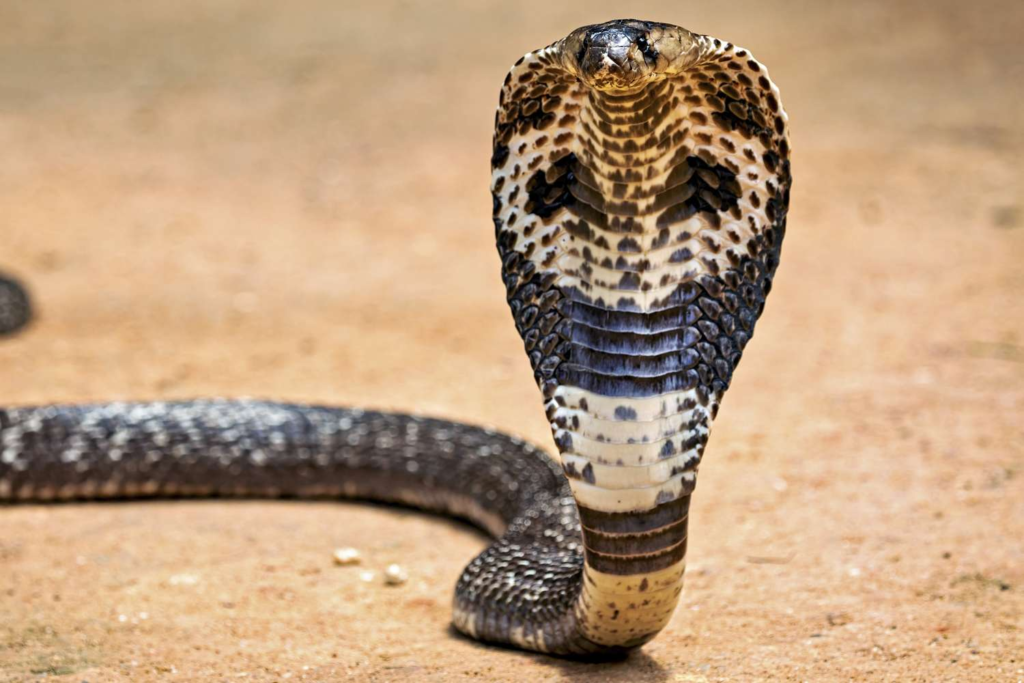
Authorities in Germany, specifically investigators from the victim’s home region in Bavaria, have initiated an inquiry into the incident. The investigation is being conducted in coordination with the local public prosecutor’s office, focusing on the circumstances that led to the fatal encounter. At present, there has been no indication that the snake charmer is under formal investigation, though this may change depending on the outcome of the inquiry.
Egyptian authorities have not publicly confirmed details of the incident, and initial responses suggested a lack of immediate awareness. This has added another layer of complexity to the case, as cross-border investigations often require coordination between multiple jurisdictions. The involvement of international tourists in such incidents can lead to diplomatic and legal considerations, particularly when questions of negligence or liability arise.
The investigation will likely examine whether adequate safety measures were in place during the performance, including the handling of venomous snakes, the training of staff, and the level of supervision provided to guests. It may also assess whether participants were informed of the risks and whether consent was obtained before allowing direct interaction with the animals.
Safety Concerns Surrounding Wildlife Entertainment
The incident has reignited debate over the safety and ethics of wildlife-based entertainment, particularly in tourist settings. Snake-charming shows, while culturally significant in some regions, often involve close human-animal interaction that carries inherent risks. When such performances include venomous species like cobras, the potential for serious injury or death becomes a critical concern.
In many tourist destinations, entertainment offerings are designed to provide unique and memorable experiences. However, the balance between engagement and safety is not always adequately maintained. Allowing untrained individuals to handle or come into close contact with dangerous animals increases the likelihood of accidents, especially when the animals’ behavior cannot be fully controlled.
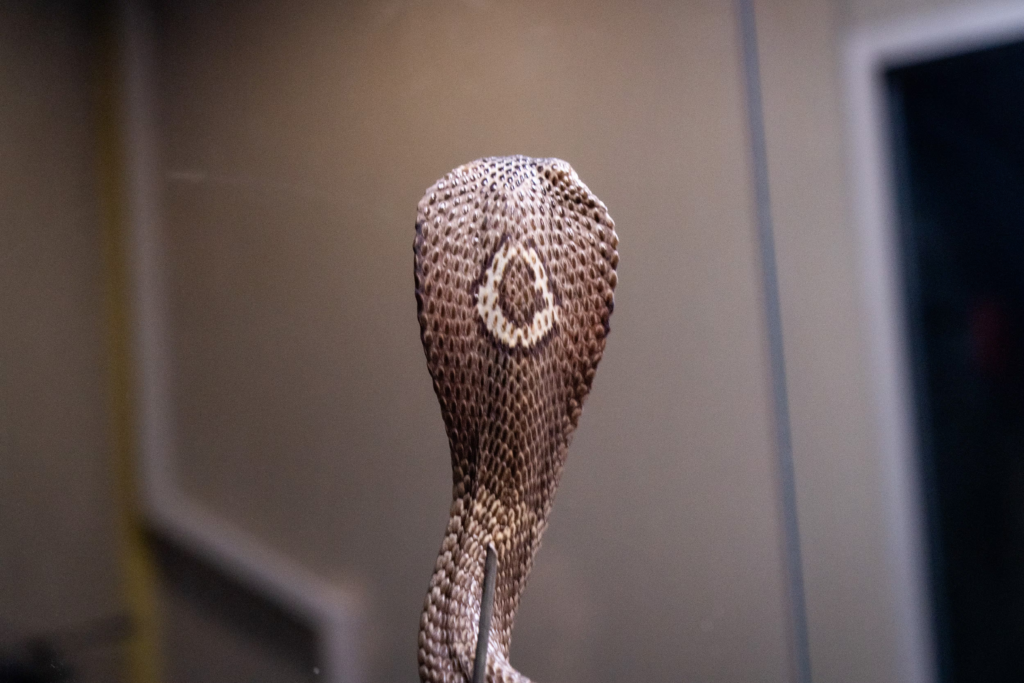
Cobras, in particular, are known for their defensive nature and potent venom. Even experienced handlers face risks when working with these snakes, and any lapse in attention or control can result in a bite. The use of such animals in performances raises questions about the protocols in place to protect both the animals and the audience.
Globally, snakebites remain a significant public health issue. According to international health estimates, tens of thousands of people die each year from snake envenomation, with many more suffering long-term complications. While most cases occur in rural or agricultural settings, incidents involving tourists highlight the broader implications of human interaction with wildlife.
The tragedy in Hurghada may prompt increased scrutiny of hotel entertainment programs and the regulations governing them. Authorities may consider implementing stricter guidelines for the use of live animals in performances, including mandatory safety briefings, restricted interaction, and the presence of medical personnel equipped to handle emergencies.
For travelers, the incident serves as a reminder to exercise caution when participating in activities involving animals, particularly those known to be dangerous. While such experiences may be marketed as safe and controlled, the unpredictable nature of wildlife means that risks can never be entirely eliminated. The death of the German tourist has left unanswered questions and a family in mourning. As investigations continue, the focus remains on understanding how the incident occurred and what measures can be taken to prevent similar tragedies in the future.