
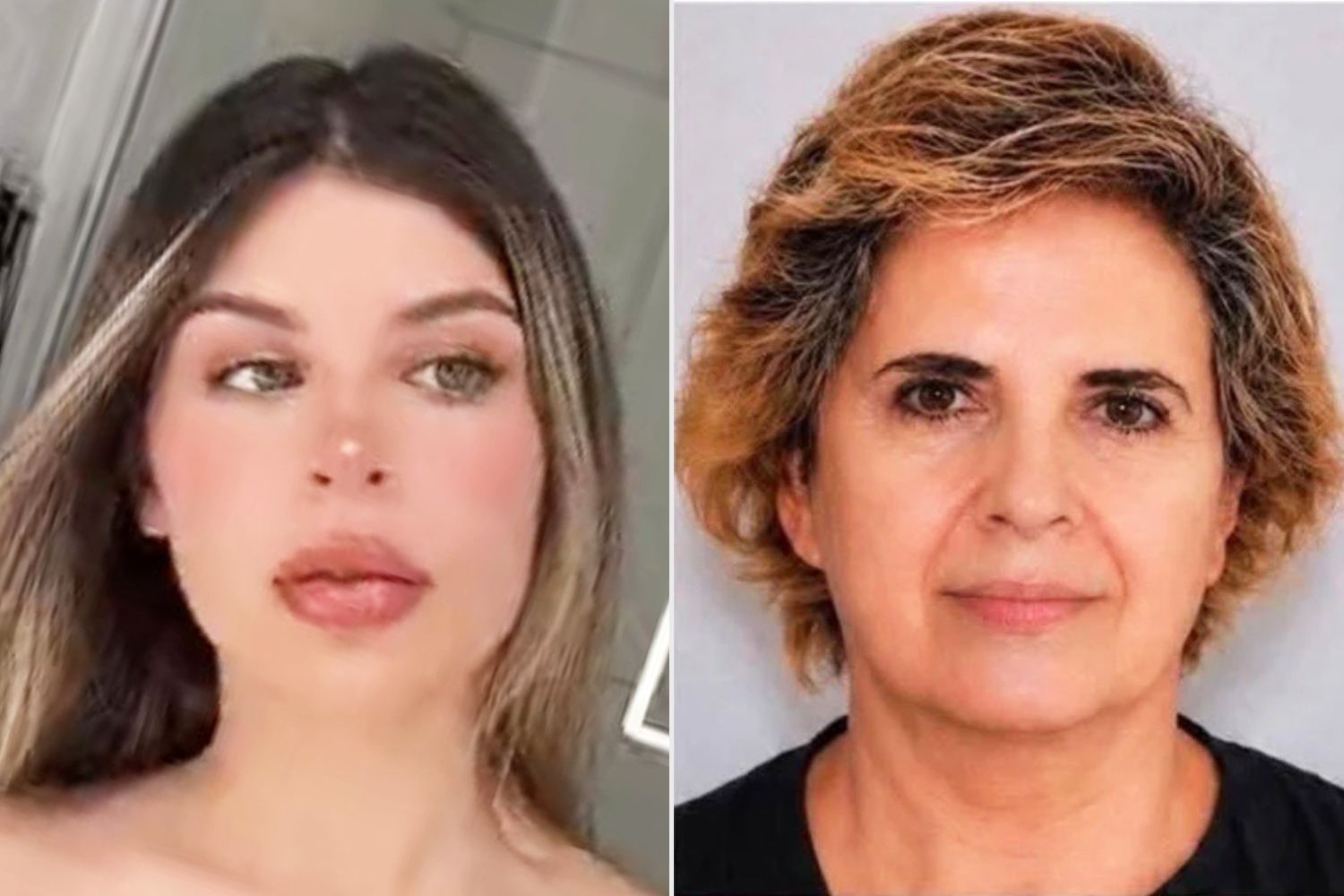
The killing of 27-year-old former beauty queen Carolina Flores Gómez has shocked Mexico and drawn international attention, not only for the brutality of the crime but also for the deeply personal nature of the allegations. Flores Gómez, a young mother and former Miss Teen Universe Baja California titleholder, was found dead inside her apartment in the upscale Polanco neighborhood of Mexico City on April 15, 2026. Authorities quickly began investigating the case as a femicide, pointing toward a disturbing pattern of violence rooted within the family itself. Days later, the case took a dramatic turn when the primary suspect—her own mother-in-law—fled the country, triggering an international manhunt.
The suspect, 63-year-old Erika María Herrera, was arrested in Venezuela after nearly two weeks on the run. Her capture marked a significant development in a case that has stirred outrage across Mexico, raising questions about domestic conflict, gender-based violence, and institutional response to such crimes. With Herrera now in custody and awaiting extradition, attention has turned toward uncovering the full truth behind what investigators believe may have been a premeditated act driven by long-standing personal tensions.
The Crime Inside the Family Home
According to investigators, the fatal shooting occurred inside the apartment Carolina Flores Gómez shared with her husband and their 8-month-old baby. Reports indicate that Herrera had traveled to Mexico City shortly before the incident, allegedly to visit the family, though tensions between her and her daughter-in-law had reportedly been escalating for some time.
Surveillance footage from inside the apartment has played a crucial role in the investigation. The video reportedly shows Herrera following Flores Gómez into a room shortly before multiple gunshots were heard. Moments later, the victim’s husband, who was holding their infant child, is seen approaching the scene and questioning his mother about what had just happened.
Authorities later confirmed that Flores Gómez died from multiple gunshot wounds, with several reports indicating she was shot repeatedly at close range. The nature of the attack and the context in which it occurred led investigators to classify the case as a femicide, a legal designation in Mexico used when a woman is killed under circumstances involving gender-based violence or discrimination.
Read : Five ISIS Bombs Discovered Hidden Inside the Iconic al-Nuri Mosque in Iraq
The incident has sparked widespread anger not only because of the brutality involved but also because it occurred in what should have been a safe domestic environment. The presence of the couple’s infant during the incident has added another layer of emotional gravity to the case, intensifying public calls for justice.
Escape, International Manhunt, and Arrest
Following the shooting, Herrera allegedly fled Mexico within a day, setting off an international search effort coordinated through Interpol. Mexican authorities issued a Red Notice, enabling law enforcement agencies across multiple countries to assist in locating and apprehending the suspect. Investigators believe Herrera traveled through multiple locations before eventually arriving in Caracas, Venezuela, where she attempted to evade capture.
Reports suggest she was hiding in an upscale residential area before authorities located and detained her. Her arrest on April 29 came after coordinated efforts between officials in both countries, marking the end of a nearly two-week manhunt. Officials have confirmed that Herrera is currently in custody in Venezuela and awaiting extradition to Mexico, where she will face charges related to the killing of her daughter-in-law.

The extradition process is expected to involve diplomatic and legal procedures, but authorities have expressed confidence that she will be returned to stand trial. The case has also drawn attention to the role of international cooperation in criminal investigations. Without the Interpol alert and cross-border coordination, authorities say it may have been significantly more difficult to locate the suspect so quickly.
Meanwhile, investigators are also examining the actions of Flores Gómez’s husband, who reportedly delayed notifying authorities about the crime. This delay has raised questions about whether it may have allowed Herrera additional time to flee the country, though no formal charges against him have been confirmed at this stage.
A Case That Sparked National Outrage
The killing of Carolina Flores Gómez has resonated deeply across Mexico, where femicide remains a major social and legal concern. Activists and members of the public have pointed to the case as another example of how violence against women can occur even within close family relationships, often escalating after prolonged interpersonal conflict.

Reports suggest that tensions between Herrera and Flores Gómez may have been fueled by jealousy and control issues, particularly following the birth of the couple’s child. Some accounts indicate that Herrera expressed resentment toward her daughter-in-law, allegedly accusing her of taking her son away. While these claims are still part of an ongoing investigation, they have contributed to a broader discussion about toxic family dynamics and the warning signs that may precede such acts of violence.
Public reaction has included protests and calls for stronger protections for women, as well as demands for accountability in how authorities handle early warning signs in domestic disputes. The fact that the incident was partially captured on video has intensified the emotional impact, making the case highly visible both nationally and internationally. Legal experts note that femicide cases in Mexico often involve complex social factors, including cultural expectations, family power dynamics, and gaps in institutional protection.
The Flores Gómez case has become a focal point for these discussions, highlighting the urgent need for preventative measures and more effective intervention strategies. As the legal process moves forward, the case is expected to remain in the public spotlight. The outcome of Herrera’s extradition and subsequent trial will likely play a significant role in shaping public perception of justice in femicide cases.
For now, the arrest represents a critical step toward accountability, but many questions remain about the events leading up to the crime and whether it could have been prevented. The death of Carolina Flores Gómez has left a lasting impact, not only on her family but also on a society grappling with the broader implications of gender-based violence within the home.