
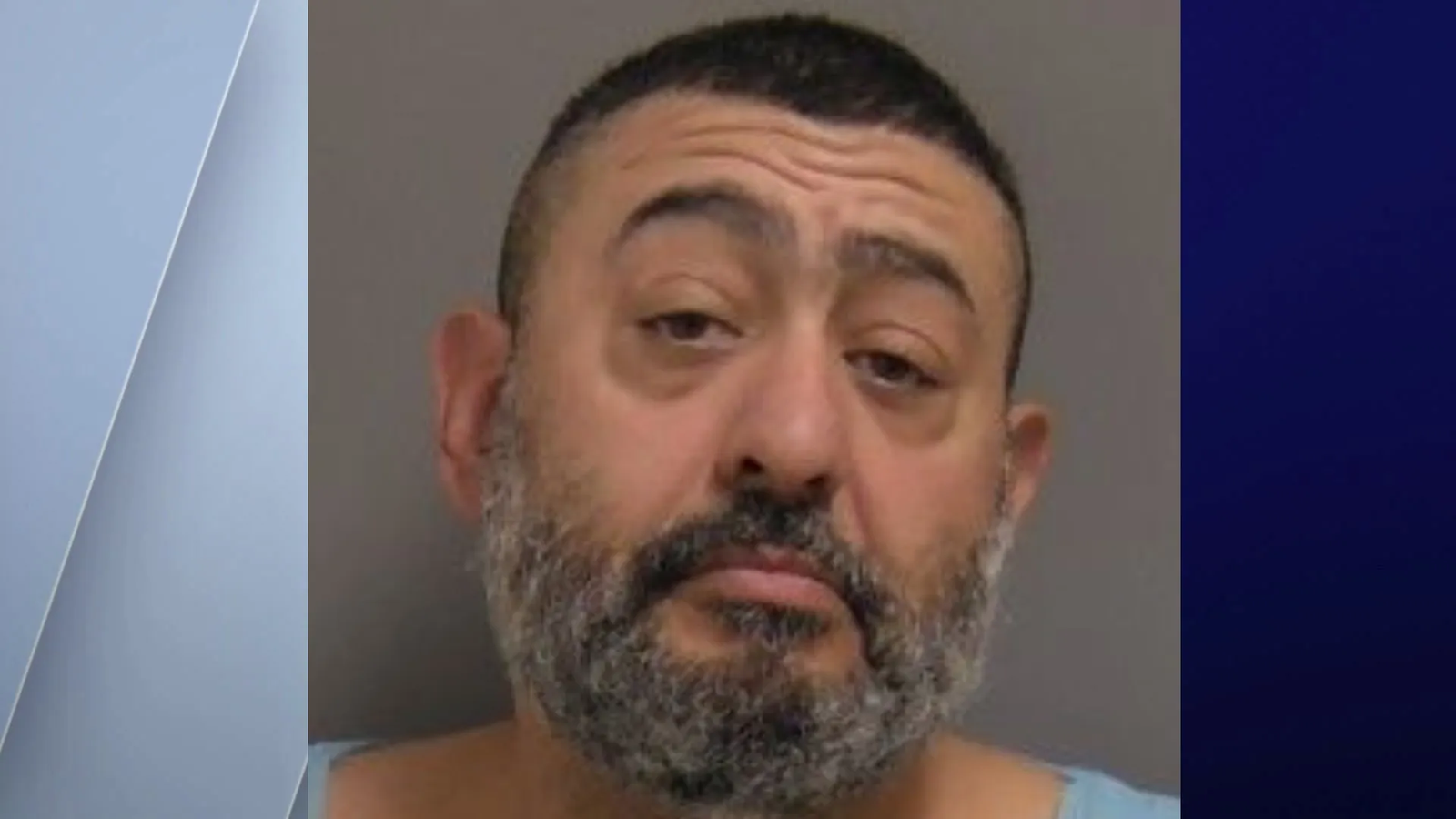
A quiet suburban neighborhood in Orland Park was shaken this week after authorities charged a 46-year-old man with the murder of his own father. The incident, which unfolded on Wednesday evening, has left residents stunned and raised serious concerns about what led to such a tragic outcome inside a family home. Police responded swiftly to an emergency call, only to uncover a disturbing scene that would soon develop into a homicide investigation. As more details emerged, the case drew attention not only for its violent nature but also for the deeply personal relationship between the accused and the victim.
According to police reports, officers were dispatched to a residence in the 14100 block of Concord Drive around 6:30 p.m. after receiving a 911 call reporting a body inside the home. Upon arrival, officers encountered 77-year-old Samir Kassem, who was pronounced dead at the scene. Initial details about the cause of death were not immediately disclosed, but investigators quickly began piecing together the circumstances surrounding the incident. What followed was a rapid progression from emergency response to criminal investigation, ultimately leading to the arrest of the victim’s son, Ibrahim Kassem.
The case has since evolved with additional findings from law enforcement and medical authorities, confirming that Samir Kassem’s death was the result of multiple injuries sustained during an assault. Officials have classified the death as a homicide, and prosecutors have formally charged Ibrahim Kassem with first-degree murder. As the legal process begins, the case continues to raise questions about motive, evidence, and the events leading up to the fatal encounter.
Emergency Response and Discovery at the Scene
The sequence of events began with a distress call that prompted emergency services to respond to the residence on Concord Drive. When officers arrived, they were assisting an ambulance crew and quickly discovered the body of Samir Kassem inside the home. The situation immediately appeared suspicious, prompting officers to secure the scene and initiate a preliminary investigation.
At that stage, authorities did not release details regarding how Samir Kassem had died. However, investigators at the scene began collecting evidence and interviewing individuals connected to the household. The nature of the injuries and the overall condition of the scene indicated that further scrutiny was necessary. As standard procedure in such cases, the area was treated as a potential crime scene while detectives worked to determine whether foul play was involved.
Within a short period, officers identified Ibrahim Kassem, the victim’s son, as a person of interest. Police stated that they “quickly developed” information pointing toward his possible involvement. While specific details about this initial evidence have not been publicly disclosed, the speed at which investigators focused on Ibrahim Kassem suggests that there were clear indicators linking him to the incident.
Officers located Ibrahim Kassem soon after and took him into custody without delay. The swift arrest marked a critical step in the investigation, allowing authorities to proceed with further questioning and evidence collection. The involvement of additional agencies, including a regional major crimes task force and the county sheriff’s office, highlighted the seriousness of the case and the coordinated effort required to build a comprehensive understanding of what occurred.
Investigation and Evidence Linking the Accused
Following the initial arrest, investigators expanded their efforts to gather evidence and establish a clear timeline of events. Authorities worked closely with multiple agencies to analyze the scene, review any available forensic data, and examine potential witness statements. Although officials have not publicly detailed the specific evidence connecting Ibrahim Kassem to the crime, they confirmed that sufficient information was gathered to support formal charges.
The involvement of specialized investigative units suggests that the case required detailed forensic examination and possibly the analysis of physical evidence within the home. In homicide investigations, this often includes evaluating injuries, collecting biological samples, and reconstructing the sequence of events leading up to the victim’s death. While such details remain undisclosed, the collaboration between agencies indicates a thorough and methodical approach.
Read : Rare! UK Twins Michelle and Lavinia Osbourne Born Minutes Apart But Have Different Fathers
A key development in the case came from the medical examiner’s findings. The Cook County Medical Examiner’s Office determined that Samir Kassem died from multiple injuries caused by an assault. This conclusion officially classified the death as a homicide, providing a critical piece of evidence that supported the decision to pursue murder charges.
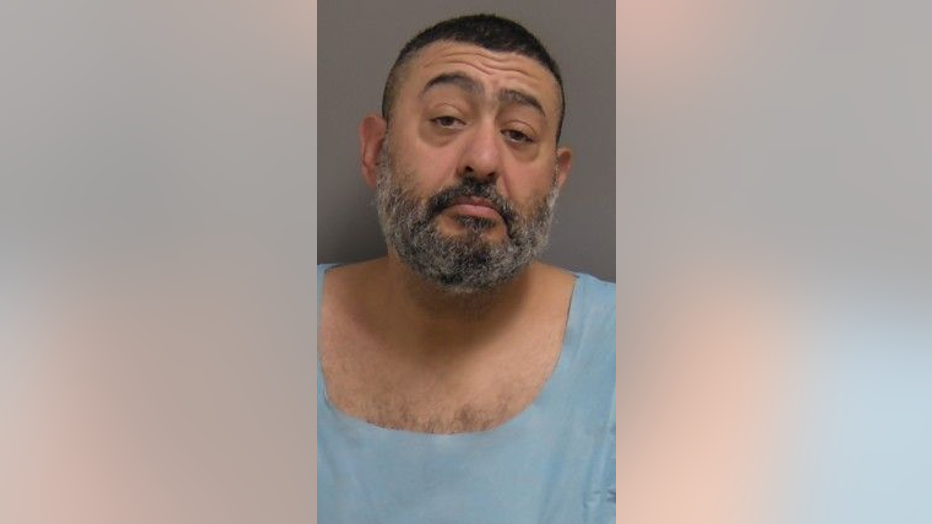
Prosecutors from the Cook County State’s Attorney’s Office reviewed the findings and approved first-degree murder charges against Ibrahim Kassem. This level of charge typically indicates that authorities believe there is evidence of intent or knowledge that the actions could result in death. While the exact circumstances surrounding the alleged assault have not been revealed, the severity of the charge underscores the seriousness of the allegations.
Despite these developments, several aspects of the case remain unclear. Authorities have not disclosed a possible motive, nor have they provided details about any events that may have led to the incident. The absence of such information leaves open questions about the dynamics within the household and whether there were any prior disputes or warning signs.
Legal Proceedings and Community Impact
With charges formally filed, Ibrahim Kassem is now set to face the legal process in Cook County court. He is scheduled to make his first court appearance at the Leighton Criminal Courthouse, where initial proceedings will determine the next steps in the case. During this stage, the court may address issues such as bail, legal representation, and the timeline for future hearings.
Read : Father Charged with Keeping 9-Year-Old Son Locked in Van Since 2024
First-degree murder charges carry significant legal consequences, and the case is expected to proceed through a series of judicial stages, including preliminary hearings and potentially a trial. Prosecutors will present evidence gathered during the investigation, while the defense will have the opportunity to challenge those findings and present its own arguments. As with any criminal case, the accused is presumed innocent until proven guilty in a court of law.
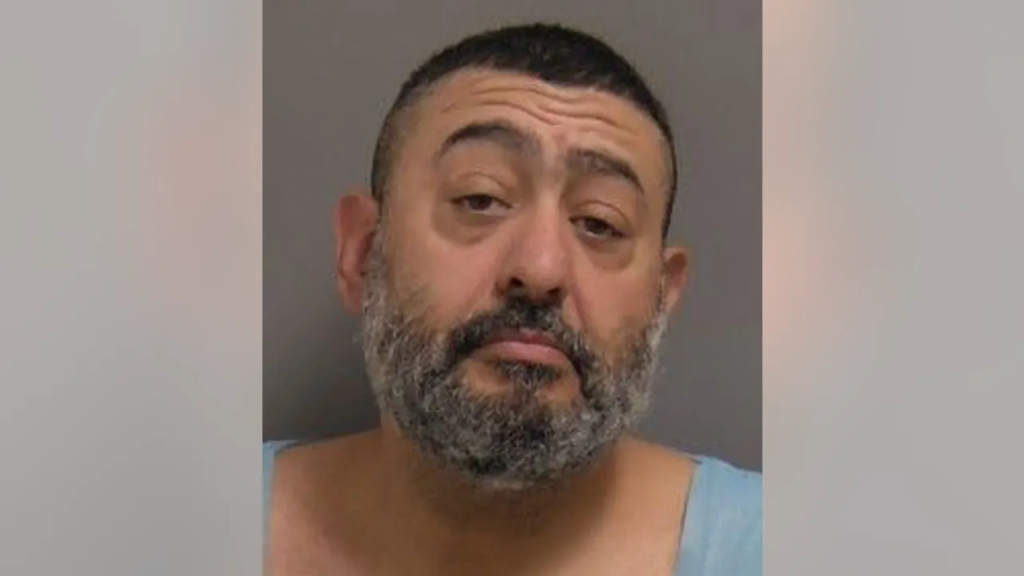
The incident has had a noticeable impact on the local community, where such violent events are relatively uncommon. Residents in the neighborhood have expressed shock at the nature of the crime, particularly given the familial relationship between the accused and the victim. Cases involving family members often draw heightened attention due to their deeply personal and tragic nature.
Beyond the immediate legal implications, the case highlights broader concerns about domestic conflicts and the potential for violence within private spaces. While details about the relationship between Ibrahim Kassem and Samir Kassem have not been made public, the circumstances of the case have prompted discussions about the importance of recognizing and addressing underlying tensions before they escalate.
As the investigation continues and court proceedings move forward, additional information may emerge that sheds light on the events leading up to the incident. For now, authorities remain focused on ensuring that the case is handled thoroughly and in accordance with legal standards. The outcome will ultimately depend on the evidence presented in court and the decisions made throughout the judicial process.
The death of Samir Kassem and the charges against Ibrahim Kassem represent a deeply tragic situation that has left a lasting mark on the community. With many questions still unanswered, attention now turns to the legal system, where the case will be examined in detail and a determination of responsibility will be made based on the facts presented.