
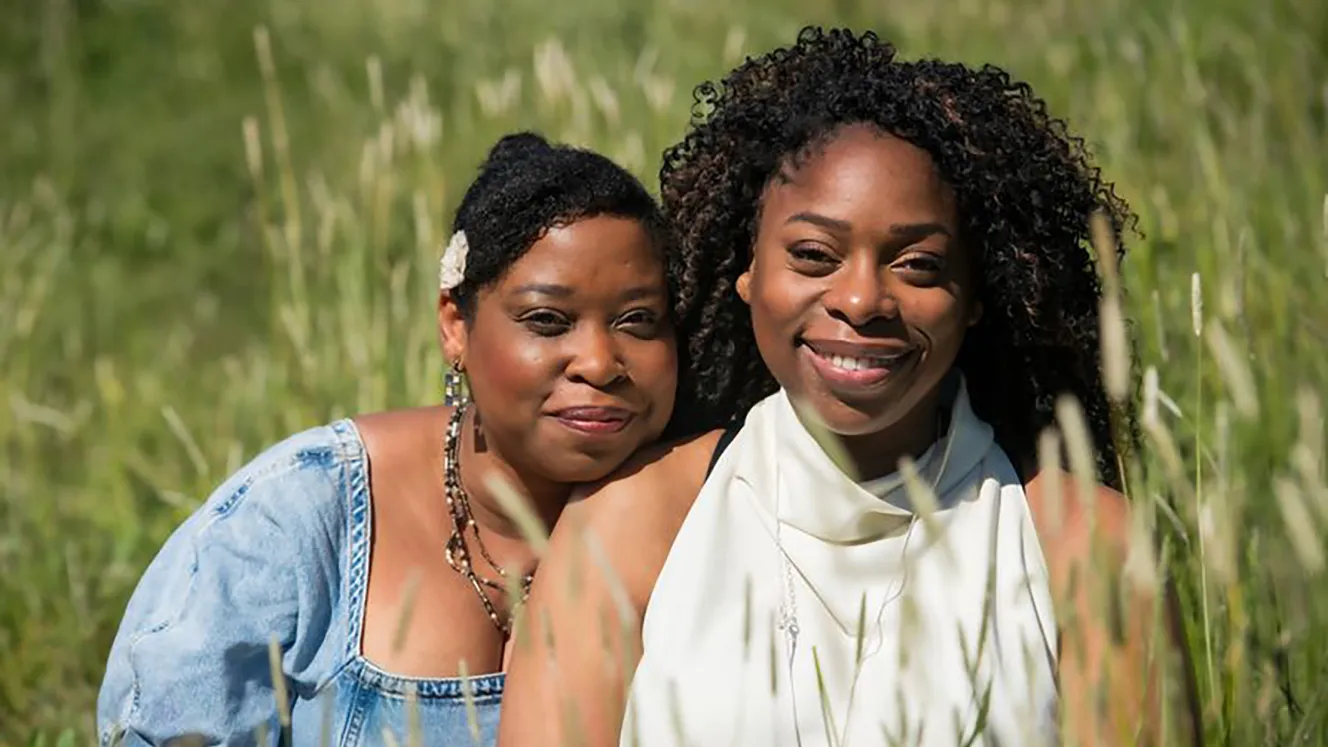
The story of Michelle and Lavinia Osbourne challenges one of the most fundamental assumptions people hold about twins. Born just minutes apart in Nottingham in 1976, the sisters spent nearly five decades believing they shared the same biological parents. Like many non-identical twins, they recognized their physical differences growing up, but nothing ever suggested that their genetic connection might be more complex than expected.
That perception changed dramatically in 2022, when a routine at-home DNA test revealed a biological reality so rare that only a handful of similar cases have ever been documented worldwide. Their story is not only a deeply emotional family journey but also a remarkable example of an extraordinary biological phenomenon.
A Shocking Discovery Through DNA Testing
The turning point in Michelle and Lavinia Osbourne’s lives came when Michelle decided to take a DNA test after years of quiet uncertainty. She had long felt that the man they believed to be their father, James, did not resemble her in any meaningful way. While such doubts can exist in many families without leading to anything significant, Michelle chose to seek clarity through modern genetic testing. When her results arrived in February 2022, they confirmed that James was not her biological father.
The timing of the revelation added another layer of emotional complexity. The results came on the same day their mother passed away, leaving many questions permanently unanswered. Determined to understand her origins, Michelle began tracing her biological connections and eventually identified her father as a man named Alex, who had a troubled life marked by substance abuse and instability.
While Michelle processed her findings with a sense of curiosity and acceptance, the situation took a far more unexpected turn when Lavinia decided to undergo her own DNA test. She initially sought reassurance, believing her results would match her sister’s. Instead, they revealed something almost unimaginable: Lavinia and Michelle did not share the same father at all. The twins, who had spent their entire lives believing they were full siblings, were in fact half-sisters.
Read : Top Ten Least Comfortable Cities to Live in 2024: Two Names from Asia
The emotional impact on Lavinia was profound. For her, the bond with Michelle had been the only constant in an otherwise unstable childhood. Learning that their connection was biologically different from what she had always believed felt like a loss of certainty in her identity. Despite this, the sisters began to navigate the truth together, confronting the reality of their origins while holding on to the relationship that had defined their lives.
Understanding the Rare Science Behind Their Birth
The biological explanation behind Michelle and Lavinia’s unique situation lies in a phenomenon known as heteropaternal superfecundation. This occurs when a woman releases multiple eggs during a single menstrual cycle and those eggs are fertilized by sperm from different men within a short time frame. If both embryos successfully implant and develop, the result can be twins with different fathers.
This process is extraordinarily rare in humans, with only a small number of confirmed cases documented globally. It requires a very specific set of conditions, including the release of more than one egg and separate instances of fertilization involving different partners within a narrow window of time. Even when these conditions are met, the likelihood of both embryos surviving to birth is extremely low.
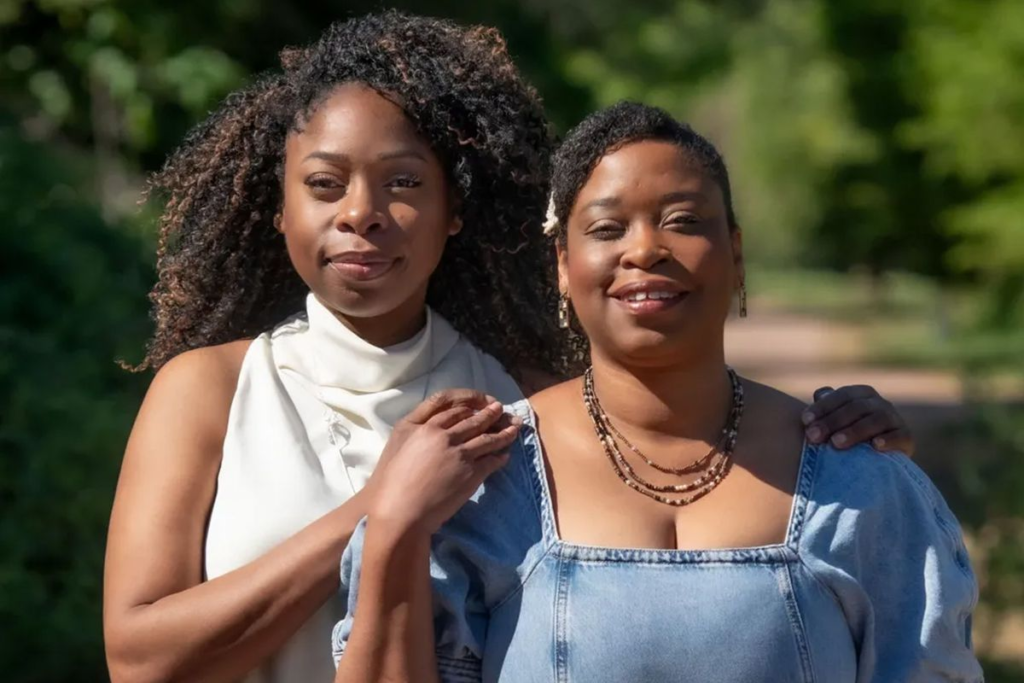
In the case of Michelle and Lavinia, the circumstances surrounding their conception remain partly unknown. Their mother, who was only 19 at the time of their birth, had a difficult and unstable life marked by trauma and vulnerability. According to accounts from people who knew her, she may have been in distress during the period when the twins were conceived. One of the biological fathers, Arthur, later recalled that she had come to him in an emotional state seeking help.
The absence of their mother’s account means that the full story behind their conception may never be known. However, the scientific explanation provides a framework for understanding how such a rare outcome was possible. It also highlights how advances in genetic testing are uncovering hidden truths that would have remained undiscovered in previous generations.
A Lifetime Bond That Transcends Biology
Despite the shock and emotional turmoil caused by the discovery, the relationship between Michelle and Lavinia has remained strong. Their shared experiences growing up in a fragmented family environment created a bond that went beyond genetics. They were raised in multiple homes, often separated from their mother, and relied heavily on each other for emotional support and stability.
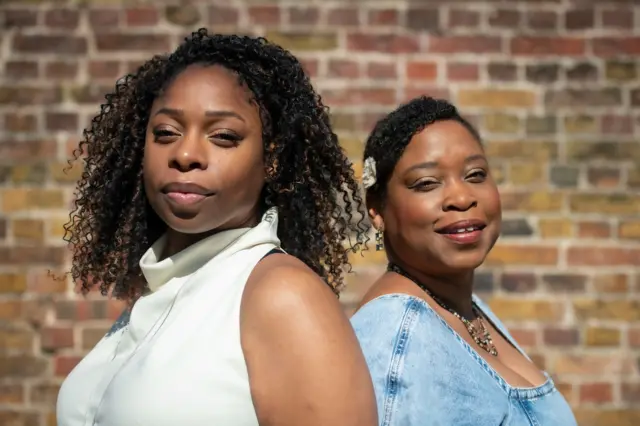
For Lavinia, the revelation initially felt like a rupture in the only certainty she had ever known. The idea that her twin sister was technically a half-sibling challenged her sense of identity and belonging. However, over time, she began to rebuild her understanding of what their relationship meant. The emotional connection they had developed over decades could not be undone by a change in biological classification.
Michelle approached the situation from a different perspective. While she acknowledged the unusual nature of their discovery, she did not feel that it altered the essence of their bond. To her, the rarity of their situation added another layer of uniqueness to their story rather than diminishing it. She remained focused on understanding her own origins while continuing to support her sister through the emotional aftermath.
Both sisters eventually met their respective biological fathers. Lavinia formed a close relationship with Arthur, finding a sense of belonging that she had long been searching for. Michelle, on the other hand, met Alex but chose not to pursue a deeper relationship due to his circumstances. These encounters brought a degree of closure, even if they did not answer every question.
In the end, Michelle and Lavinia have come to see their story not as a fracture in their identity but as a testament to the complexity of human relationships. Their experience highlights how family bonds are shaped by shared history, emotional connection, and mutual support rather than genetics alone. While science provided the explanation for their unique birth, it is their resilience and enduring connection that define their journey.
Hello my family member! I wish to say that this post is amazing, great written and include almost all important infos. I would like to peer more posts like this .