
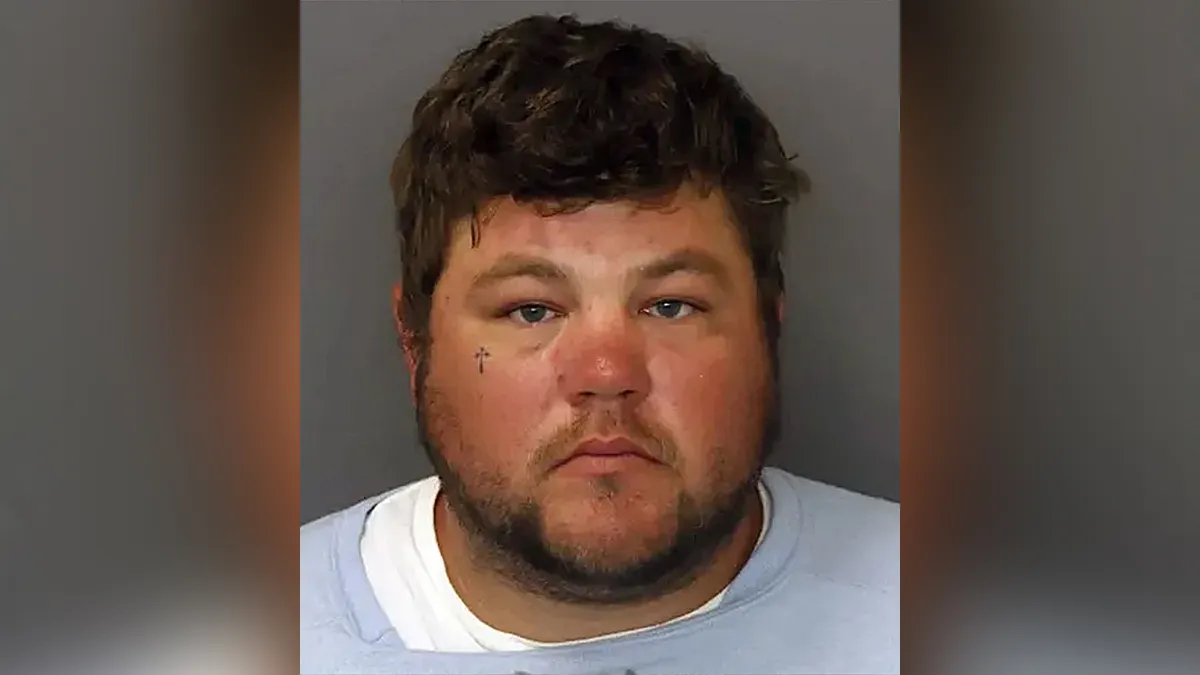
A routine tree-trimming job in Apple Valley, Minnesota, turned deadly after authorities say two co-workers began horseplaying around a truck-mounted hydraulic grapple. Christopher Boone Crimmins, 34, is accused of operating the powerful machine when its claw closed on the head of his 26-year-old co-worker, Tyler Anthony Lynch, killing him at the work site.
According to a criminal complaint filed in Dakota County, Crimmins told investigators that the two men had been “f—— around” while working and that he had been trying to make the shadows of the grapple and Lynch appear as though the machine was grabbing him. Prosecutors allege that Crimmins was watching the shadows rather than Lynch himself and failed to realize that the grapple was actually moving toward his co-worker’s head. The incident has now resulted in a second-degree manslaughter charge, putting the circumstances of the fatal workplace accident under criminal investigation.
Who Is Christopher Boone Crimmins and What Happened at the Work Site?
Christopher Boone Crimmins is a 34-year-old Minnesota man who was working as part of a tree-trimming crew in Apple Valley when the fatal incident occurred. According to the criminal complaint filed in Dakota County, Crimmins and Tyler Anthony Lynch were working together on Thursday afternoon as the crew used a truck-mounted hydraulic grapple to clear branches. The machine is operated through hydraulic controls and is designed to lift, move and handle heavy branches and other material during tree-clearing work.
Authorities say Crimmins was the only person on the crew who possessed the commercial license required to operate the equipment, meaning he was responsible for controlling the grapple when the incident took place. What began as an apparent moment of joking between the two co-workers quickly became a fatal accident when the machinery made contact with Lynch’s head. The complaint says the men noticed the shadows produced by the grapple and their bodies on the ground. Crimmins allegedly began moving the hydraulic grapple in a way that would make its shadow appear as though the machine was grabbing Lynch.
Investigators say Crimmins was concentrating on the shadows instead of directly watching Lynch and therefore did not realize how close the actual grapple had moved to his co-worker. According to the allegations, the machine ultimately closed on Lynch’s head. The force of such equipment can be extremely powerful, and the injury proved fatal. The incident was not described by authorities as an intentional killing. Instead, prosecutors have charged Crimmins with second-degree manslaughter, alleging that his conduct amounted to criminally negligent or reckless behavior that resulted in another person’s death.
The complaint provides a disturbing account of how quickly the situation changed. Crimmins reportedly told police that he had been trying to make the shadows look as though the grapple had Lynch in its grasp. However, because his attention was focused on the shadows, he allegedly failed to recognize where Lynch actually was in relation to the machine. By the time Crimmins realized the grapple was closing on Lynch’s real head, it was too late to prevent the fatal injury. The incident highlights the enormous danger involved in operating heavy industrial equipment, particularly when the machinery is being used in close proximity to workers. Even though the men were apparently treating the moment as horseplay, the equipment involved was capable of causing catastrophic injuries within seconds.
ALERT: Tree trimmer playing “Shadow Puppets” behind bars after allegedly crushing his coworker's head with a hydraulic grappler.
— E X X ➠A L E R T S (@ExxAlerts) August 24, 2026
Christopher Boone Crimmins was on a job with Tyler Anthony Lynch in Apple Valley, Minnesota, when Crimmins tried to make the grappler look like it was… pic.twitter.com/Q86SorRgIm
Authorities were called to the scene after Lynch was seriously injured. Police found the 26-year-old on the ground with a large amount of blood around his body and what investigators described as a significant injury to his head. A witness also spoke with investigators and reportedly said they saw the grapple hit or pinch Lynch’s head. That account became part of the evidence outlined in the criminal complaint. Investigators are now examining the circumstances surrounding the incident, including how the grapple was positioned, what Crimmins could see while operating it and exactly how the interaction between the two co-workers unfolded immediately before Lynch was struck.
The death of Lynch has transformed what authorities describe as horseplay between co-workers into a criminal case. The accusation against Crimmins does not allege that he deliberately intended to kill Lynch. Instead, the prosecution is centered on the actions that allegedly led to the fatal injury. The fact that Crimmins was operating the equipment and was the only crew member with the commercial license to operate the machine is an important part of the allegations. Prosecutors will have to establish the elements of the manslaughter charge in court, while Crimmins remains legally presumed innocent unless proven guilty.
What Do Authorities Allege About the Fatal Hydraulic Grapple Incident?
According to the Dakota County criminal complaint, the key moment occurred when Crimmins allegedly moved the hydraulic grapple while focusing on its shadow and Lynch’s shadow. The complaint says the two men had started “f—— around” during their work, and the shadows apparently became part of the joking behavior. Crimmins allegedly tried to position the grapple so that its shadow would appear to grab Lynch. The problem, investigators say, was that he was watching the shadows rather than Lynch’s actual position.
That distinction became critical because the physical machine was moving independently of the image being created on the ground. When Crimmins realized that the grapple was closing around Lynch’s actual head, the injury had already occurred. The machine involved was being used as part of the crew’s tree-clearing work. Hydraulic grapples are designed to handle heavy material, which means their gripping mechanisms can exert substantial force.
While the criminal complaint focuses on the specific circumstances of the incident, the allegations demonstrate how dangerous heavy machinery can become when used in an unsafe manner. The prosecution’s case will likely focus on whether Crimmins’s actions went beyond ordinary carelessness and met the legal standard required for second-degree manslaughter in Minnesota. Evidence from witnesses, police investigators and the physical scene could become important as the case progresses through the court system.
Read : Who Is Devin Rice, the Man Accused of Fatally Shooting Co-Worker Fredrick Lytton at U-Haul?
One witness reportedly told investigators that they saw the grapple hit or pinch Lynch’s head. That testimony could be significant because it provides an independent account of the moment when the machine came into contact with Lynch. Investigators also documented the condition in which they found Lynch when they arrived. The complaint states that police observed a large amount of blood around his body and a serious head injury. Those observations are consistent with the severity of the incident described by authorities and form part of the evidence surrounding Lynch’s death.
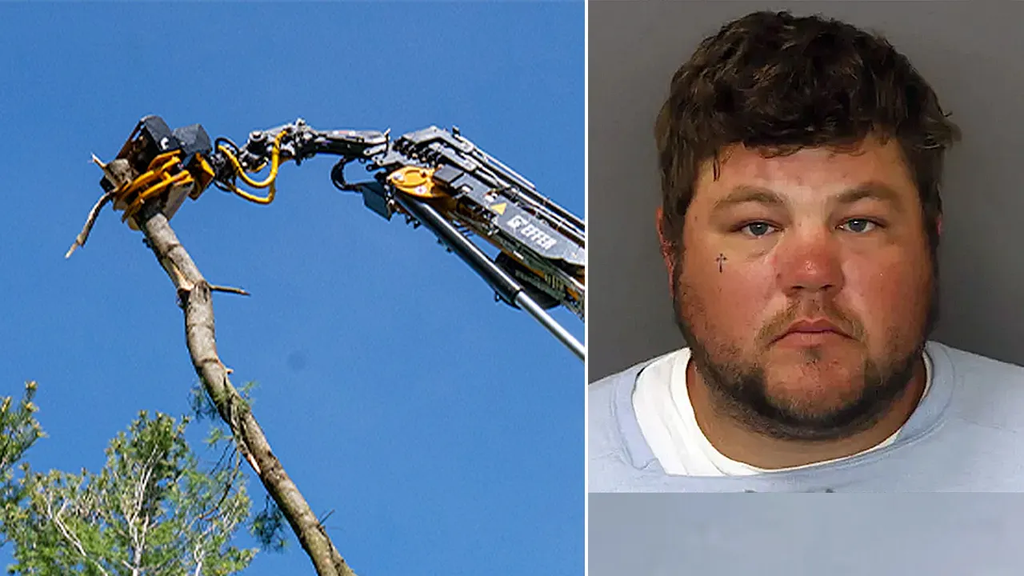
The allegations also raise questions about workplace safety and the use of heavy machinery during moments of horseplay. Tree trimming and branch removal can already involve substantial risks, including falling branches, moving vehicles and powerful equipment. Hydraulic grapples are specifically designed to move heavy loads and are not intended to be used for joking interactions involving workers. According to the allegations, the decision to manipulate the machine to create the appearance of grabbing a co-worker introduced an additional and potentially fatal risk. Investigators are therefore examining not only what happened physically but also the actions and decisions that preceded the fatal contact.
The case is particularly striking because the alleged incident appears to have developed within moments. There is no allegation in the information provided that Crimmins arrived at work intending to harm Lynch or that the two men were engaged in a dispute that led to violence. Instead, authorities say the incident happened while the two were joking around during their work. That alleged context is important to understanding why prosecutors brought a manslaughter charge rather than treating the death simply as an unavoidable workplace accident. The legal question will ultimately involve whether Crimmins’s conduct was sufficiently reckless or negligent under Minnesota law to justify criminal responsibility for Lynch’s death.
The circumstances described in the complaint also illustrate why investigators often distinguish between an accident and conduct that may constitute a criminal offense. Workplace accidents can occur even when employees are following safety procedures and taking reasonable precautions. In this case, however, prosecutors allege that the machinery was deliberately moved as part of horseplay and that the operator was focused on the shadows instead of the physical location of his co-worker. Those allegations, if proven in court, could form the basis for the manslaughter prosecution. The defense, meanwhile, will have an opportunity to challenge the state’s interpretation of what happened and present its own evidence regarding Crimmins’s actions and intentions.
What Charges Does Christopher Boone Crimmins Face and What Happens Next?
Christopher Boone Crimmins has been charged with second-degree manslaughter in connection with Tyler Anthony Lynch’s death. If convicted, he faces up to 10 years in prison, according to the information provided by the Dakota County Attorney’s Office. The charge represents a serious escalation from a workplace accident because it places the circumstances of Lynch’s death before the criminal justice system. Prosecutors will be required to prove the charge beyond a reasonable doubt, while Crimmins will have the opportunity to contest the allegations in court.
Bail was set at $40,000 unconditional or $20,000 with conditions, according to the Dakota County Attorney’s Office. The different bail amounts reflect the conditions under which Crimmins could potentially be released while the criminal case continues. At the time of the report, Crimmins was not listed in Dakota County Jail records on Sunday afternoon. Court records were not immediately available, and it was unclear whether he had retained or been appointed an attorney. There was also no immediate response to a phone number listed for him when authorities or reporters attempted to reach him.
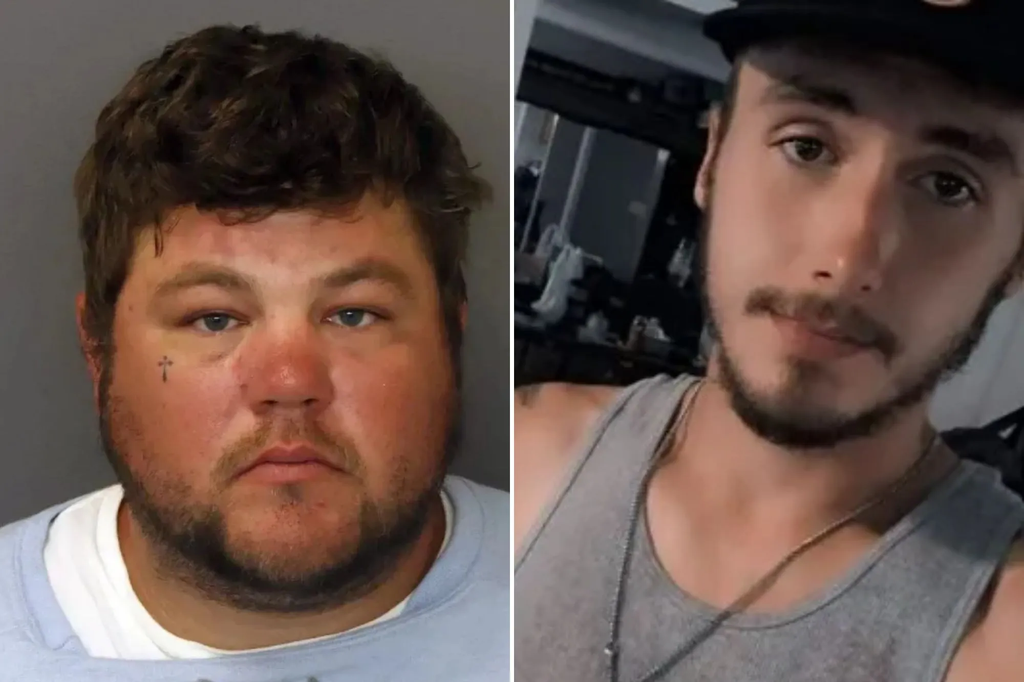
Crimmins is next expected to appear in court on September 10, according to the county attorney’s office. That hearing will be an early step in the legal process and will not itself determine whether he is guilty. As the case moves forward, prosecutors and defense attorneys are expected to review evidence concerning the machine, witness statements, the condition of the work site and the events immediately preceding Lynch’s death. Additional details could emerge through future court filings and hearings, particularly as attorneys examine the evidence and determine how they intend to proceed.
The central issue in the case will be the conduct that preceded the fatal injury. Authorities allege that Crimmins was operating the hydraulic grapple while engaging in horseplay with Lynch and that he was focused on the shadows rather than Lynch’s actual position. The prosecution will need to establish how those actions satisfy the legal requirements of second-degree manslaughter. The fact that Lynch was only 26 years old and was working alongside Crimmins when the incident occurred has added to the tragedy, but the court will focus on the evidence and the legal elements of the charge rather than the emotional circumstances alone.
For Lynch’s family, the incident represents the sudden loss of a young man during what was supposed to be an ordinary day of work. For Crimmins, the allegations could result in a lengthy prison sentence if a jury ultimately finds him guilty. The case also demonstrates the consequences that can follow when heavy industrial equipment is used in a manner that authorities believe goes beyond normal workplace operations. What investigators initially encountered as a deadly workplace incident has now become a criminal prosecution, with the circumstances surrounding the hydraulic grapple and the moments before Lynch’s death likely to remain at the center of the case.
At this stage, the allegations against Christopher Boone Crimmins remain allegations. A criminal complaint represents the prosecution’s account of the incident, and Crimmins has the right to defend himself against the charge. The court proceedings beginning with his expected September 10 appearance will determine how the case develops and whether prosecutors can establish the necessary evidence for a conviction. Until then, the fatal incident remains a case in which a moment of alleged horseplay involving a powerful tree-trimming machine ended with the death of a 26-year-old worker and a serious criminal charge against his co-worker.
A dedicated ChatGPT cleaner tool is what we share internally for Markdown and hidden marks from chat.
The payouts are fair and the games are top notch. I have told all my friends to join pkpion777
Really impressed with the payout speed here. It is rare to find a site this transparent and fair. I’m definitely recommending ph777zk to my friends.