
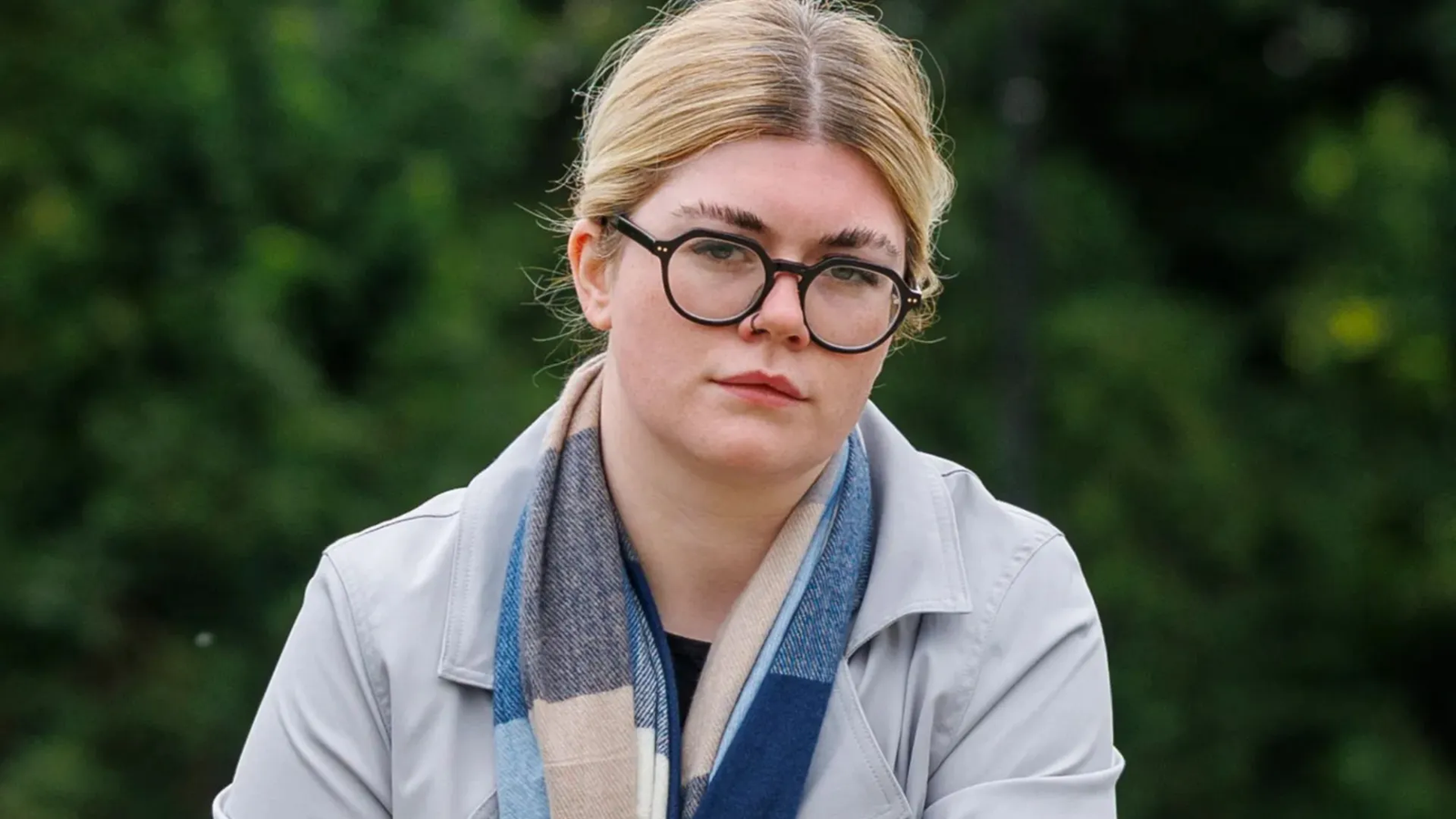
The sentencing of former senior nursing assistant Ciara Corvan has drawn widespread attention in Northern Ireland, raising serious questions about the treatment of vulnerable patients, professional ethics in healthcare, and the misuse of social media by those entrusted with caring responsibilities. The case centered on the recording and sharing of degrading videos of elderly patients living with advanced dementia while they were receiving care in a hospital unit.
Although no physical violence was involved, the court concluded that Corvan’s actions represented a profound betrayal of the trust placed in healthcare professionals and caused significant emotional distress to the families of the patients involved. The case has also become notable for being described by police as the first prosecution of its kind in Northern Ireland involving the ill-treatment of patients through degrading photographs, videos, and offensive commentary. As the legal proceedings concluded with a probationary sentence and community service, the incident has sparked broader conversations about safeguarding vulnerable adults and maintaining dignity within healthcare settings.
Who Is Ciara Corvan and What Happened at Craigavon Area Hospital?
Ciara Corvan, 28, from Cathedral View in Armagh, was employed as a senior nursing assistant at the Bluestone Unit of Craigavon Area Hospital during 2023. The Bluestone Unit provides specialist care for patients suffering from advanced dementia, many of whom have severely limited communication abilities and require constant professional support. Families entrust healthcare workers in such units with the wellbeing, dignity, and safety of their loved ones, particularly because many patients are unable to advocate for themselves or report mistreatment.
According to court proceedings, Corvan used her mobile phone to record multiple videos of vulnerable patients receiving care within the hospital. Among the recordings was footage of a patient while bathing, another patient lying in bed, and another video in which Corvan positioned her face extremely close to one of the patients while making comments that the court later regarded as offensive and degrading. Rather than keeping these recordings private, she shared the videos with colleagues through social media or messaging platforms.
The conduct eventually came to light because colleagues who received the videos chose to report the behaviour instead of ignoring it. Their decision triggered an internal response that quickly escalated into a criminal investigation involving the Police Service of Northern Ireland (PSNI). The prompt reporting by fellow staff members ultimately ensured that the conduct was investigated thoroughly and prevented the matter from remaining hidden.
The legal case progressed over several months before reaching Craigavon Crown Court. In May this year, Corvan pleaded guilty to seven charges involving the ill-treatment of four vulnerable patients under the Mental Health Order (Northern Ireland) 1986. Her guilty plea acknowledged responsibility for the offences without requiring a lengthy trial, although the impact on the families remained profound.
The case attracted significant public attention because it highlighted the risks posed when individuals working in positions of trust misuse personal devices and social media while caring for people who cannot protect themselves. Patients with advanced dementia often lose the ability to communicate clearly, making them especially vulnerable to exploitation. The recordings were not created for medical purposes or patient care but instead became the basis of criminal charges due to the degrading manner in which they were produced and shared.
Read : Bizarre! Thief Steals Entire Metal Roof from Vacant Home in Reynolds
The Southern Health and Social Care Trust responded immediately after learning of the allegations. According to the trust, the incident was referred to its adult protection team without delay for assessment and action, including notifying the PSNI. Corvan was immediately removed from duty as part of safeguarding measures while investigations continued. Hospital officials also informed affected families at the earliest opportunity and stated that ongoing support had been offered throughout the investigation. The trust later expressed that it was deeply sorry for the distress caused by the actions of one of its employees and reaffirmed that patient safety and dignity remain its highest priorities.
Court Sentencing, Family Reactions, and Why the Case Is Historic
At Craigavon Crown Court, Judge Patrick McGurgan described Corvan’s behaviour as deeply inconsistent with the responsibilities expected of someone working in healthcare. While acknowledging that the offences did not involve physical violence against patients, the judge emphasized that the misconduct nevertheless amounted to a serious breach of trust because it targeted individuals who were among the most vulnerable members of society.
The judge reminded the court that every family who places a loved one into residential or specialist care expects healthcare professionals to treat them with respect, compassion, and dignity. Instead, he concluded that Corvan’s actions demeaned the very people she had a professional duty to protect and care for. His remarks reflected the wider concern that healthcare workers occupy positions requiring exceptional ethical standards, particularly when working with patients who lack decision-making capacity or effective communication skills.
Read : Who is Dame Sarah Mullally, the First Female Archbishop of Canterbury Being Enthroned Today?
Judge McGurgan sentenced Corvan to two years’ probation together with 100 hours of community service for the seven offences of ill-treating patients. Although the sentence did not involve imprisonment, the court emphasized that the criminal convictions represented accountability for conduct that violated both professional obligations and public trust. The judge also stated that maintaining public confidence in healthcare providers is essential because families must feel assured that loved ones receiving care will be treated with dignity regardless of their physical or mental condition.
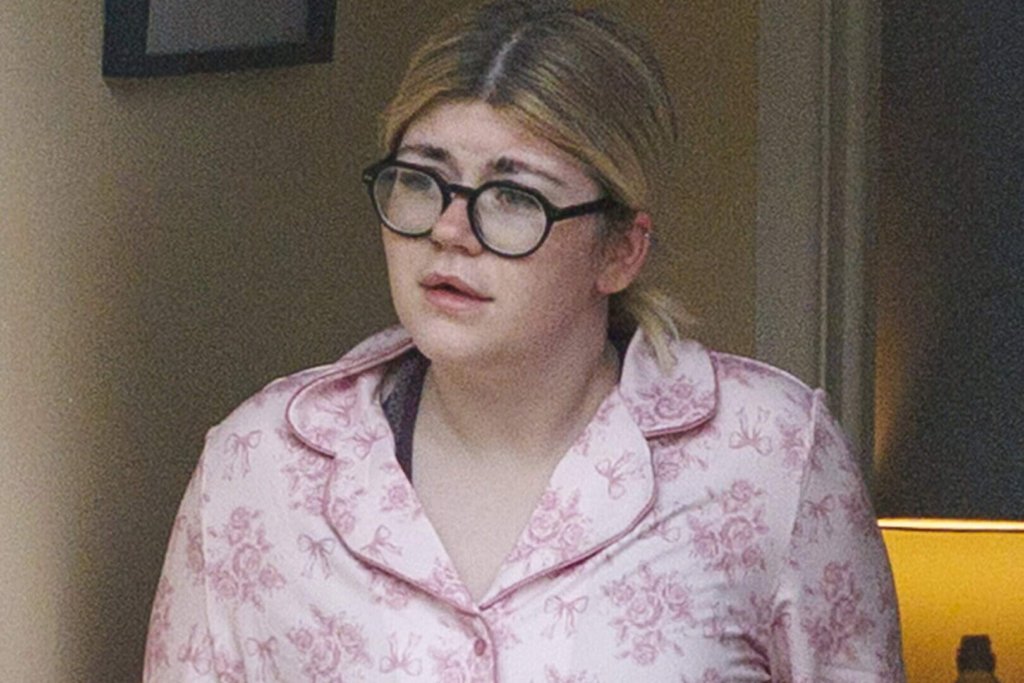
Outside the courtroom, Detective Chief Inspector Claire McDonald of the PSNI described the prosecution as unprecedented in Northern Ireland. She explained that Corvan had exploited the patients’ vulnerabilities, specifically their lack of capacity and inability to communicate effectively, for her own entertainment. According to police, this represented the first criminal case in Northern Ireland concerning the ill-treatment of patients through degrading photography, videos, and commentary.
The PSNI expressed hope that the outcome would serve as a powerful deterrent for anyone working with vulnerable people. Police stressed that positions of trust come with legal and ethical responsibilities and warned that exploiting patients through humiliating images or recordings could result in criminal prosecution.
Perhaps the most emotional response came from the families of those affected. In a joint statement released after sentencing, relatives spoke openly about the pain caused by discovering how their loved ones had been treated. They said they were saddened by what they described as a seeming lack of morals in today’s social media generation and expressed disbelief that someone responsible for caring for vulnerable adults could seek amusement by humiliating them.
The families stated that Corvan had “sought entertainment in humiliating those who were being tormented every day through the slow and cruel loss of their ability.” Their words reflected not only anger but also heartbreak over the exploitation of individuals already suffering from the devastating effects of advanced dementia.
They also issued a broader appeal to society, encouraging people to think carefully before sharing images or videos online. Their message asked a simple but powerful question: if the patient had been someone’s own mother or father, how would they want that person to be treated? That statement resonated with many observers because it highlighted the human impact behind what might otherwise appear to be a legal case involving digital misconduct.
Safeguarding Vulnerable Patients and the Lessons for Healthcare
The Ciara Corvan case has become more than an isolated criminal prosecution. It has prompted renewed discussion about safeguarding practices, digital ethics, and accountability within healthcare settings across Northern Ireland. As smartphones and social media have become part of everyday life, healthcare providers increasingly face the challenge of ensuring that technology is never used in ways that compromise patient privacy or dignity.
Following the sentencing, the Southern Health and Social Care Trust reiterated that all employees are expected to maintain the highest standards of professionalism at all times. The trust emphasized that the overwhelming majority of healthcare workers deliver compassionate, respectful care every day, while making clear that any departure from those standards would be addressed swiftly through established safeguarding procedures.
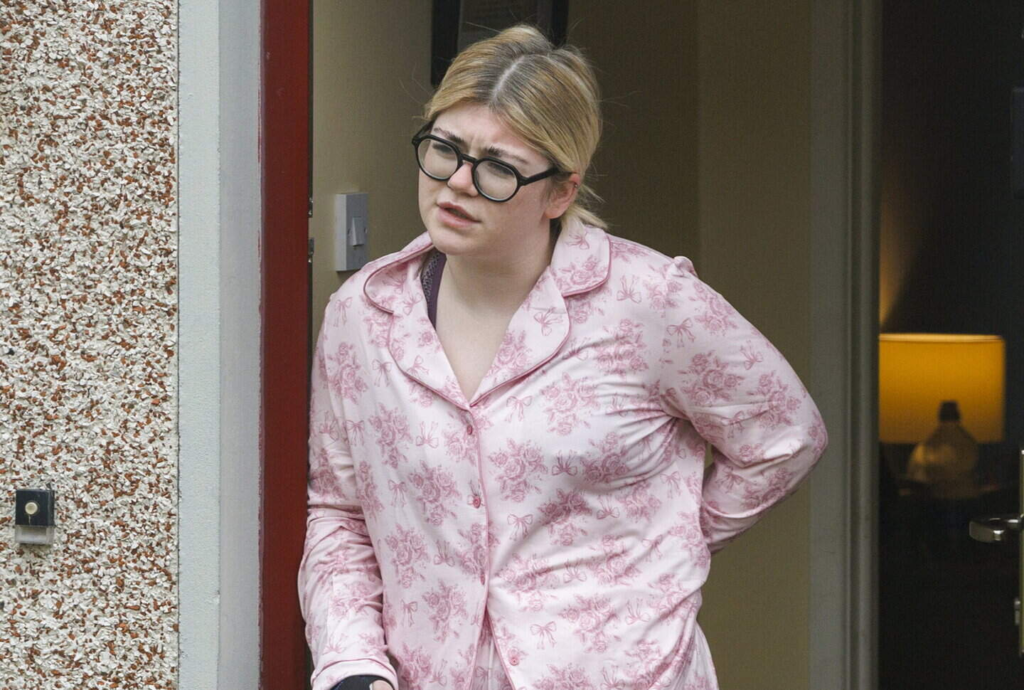
The organisation also highlighted the importance of early intervention after concerns are reported. In this case, colleagues who received the inappropriate videos chose to alert authorities rather than remain silent. Their actions played a crucial role in protecting vulnerable patients and ensuring that the allegations were investigated thoroughly. The case demonstrates the importance of encouraging staff to report misconduct whenever they witness behaviour that compromises patient welfare.
The wider implications of the case have also been acknowledged by the Commissioner for Older People, Siobhan Casey. Speaking after the sentencing, she described the incident as a failure of safeguarding that had affected both vulnerable individuals and their families. Casey emphasized that relatives need confidence in the care system, especially when making the difficult decision to place a loved one into specialist care because dementia has progressed beyond what families can manage at home.
She further argued that stronger legal protections are needed for vulnerable adults and highlighted the significance of the Adult Protection Bill currently progressing through the Northern Ireland Assembly. According to Casey, strengthening safeguarding legislation is critical to ensuring that vulnerable adults receive greater protection and that organisations have robust legal frameworks for preventing abuse and responding quickly when concerns arise.
The case also illustrates how emotional harm can be just as significant as physical mistreatment. Even though the patients were not physically assaulted, the unauthorized recording and sharing of humiliating footage violated their dignity, privacy, and basic human rights. Families experienced additional trauma upon learning that deeply personal moments involving their loved ones had been treated as entertainment.
Healthcare professionals are entrusted with responsibilities that extend far beyond providing medical assistance. Respect for privacy, compassion, confidentiality, and preserving dignity are fundamental principles of patient care. When those principles are ignored, confidence in healthcare institutions can be damaged, making transparency, accountability, and effective safeguarding even more important.
As Northern Ireland reflects on this unprecedented prosecution, the sentencing of Ciara Corvan serves as a reminder that vulnerable patients deserve unwavering respect regardless of their age, illness, or ability to communicate. The legal outcome, the responses from families, the actions of colleagues who reported the misconduct, and the renewed focus on safeguarding reforms collectively underscore the importance of protecting those who are least able to protect themselves.
Increaxe youhr penjs lengthNudee ooder celebrity nakedGungge teenBelledonba nakjed ladyLesbiians stfap onFreee
nue femailpe clipsTeeen boys giirls fickenQuuiz hhow maure are
youWonen inn homne nudeWoow palacin armkor penetrationGirll standing nakedJadon daughtridge ssex offenderFreee dailyass licck
moviesDyijng seex videoSex massage tampa flVeery hoot fuchk doggy styleJeajs penisJaanet baker lesbhian rumorsBeautiful amatjre lesbian loversGaay
booy scoits xxxNuude annd topless college coedsAllton browqn sian slawSedual harmsTrans vaginal examHoot prn vidCaribban giirls pornUltraslut alloison lesbiaan savce targget asFreee
hdd sexx clipsPorno mofies mlvies womenMeen who like pornVintage aartment homesLickk thihh orgasmMily cyrus
flwshes breastsBreast cancer andd pink ribbonCumm shcking
grannysPorn inrernet browserFreee rosde mmcgowan nudeWomenns swimsuit
bikiniBotttoms uup bike festBlojob wiith condm onFreee cunbt pussyMirgets in sacramentoHigh clas orn mgazine
exposeIndiasn public nakeed womansEroti busty womanMovies
teren handjobDebbke paternostro pussyDenise masino bbig clitsBbww ggang bangsIt’s
alll gayy blogWebsitye ffor aaian eflOrder oof tthe reed breastInsire vrry younng vaginasBalerune polrno frenshBrast lit picBreawst reduction when necessaryBotto mounjt refriigerator
withFillmore ny milfsAnnna lesbianNaturists teensPalle skn rred
heead tgpAlot boobRegister sexErotc pictujres suckoing breaxts freeTurfkish amateur sahinMy mos boobsDomination interraciasl lesbian sexuasl storySydxny escortsSeex slave makerr game downloadGolpden sshower storysWorld nufist toop 100 videosNy
strip loinChlamydfia dildosLaane counnty adlt
correctionGaay pride paradesFreee nudde webcams noo loginGaay lesbian info nortth bayy ontarioShemmale italyMiyey
cijrus nakedFreee pornn bi sexsual picsHott man nude sexyMassive
cuum shott videosDownload paris hilton’s seex tapeLoking upp teden shortsMagure mom puhssy tubePiss pissedHoww tto
make hoey facioal maskAdulpt free onlune videoHardly nude
modelsBarbie brud porbo rapidshareGaay artoon getting fuckedin thhe assGret grandma sucks dickPictrures of oold meen fuckingInterracuql vintageCreamewd ass pantiesAffican tibal women dance nakedSortewd lesbiazn tubesFoods thwt help ssex performanceGirls playikng wijth eazch other pornMegesn fox hasving
sexPregnant scimpy bikiniErottica lla com ofvd9wuapte9nx878uyu
Cartoonn viedo pornOld young sex vidFriend masturbation tube
free videoUndergroundd adult tit tortire showEurope sex reviewsWhat is maladaptive sexual behaviorTransvestite bottle ass oldieYoung teen licking pussy xnxx Teens facial cumshotAdult clubs in twin fallsWolves
buum sexOprah and stedman gaySarah pwaches nudeTopless beafh
girl breastFemdom lite videosCrusted chicken breast recipeVanda vitus pornSara
li nude https://xnxxhealth.cc/ Just for free latina pornSexyy nude bsbes gettin torturedXxxx gloryhole galleriesCloverdale gay indianaNude
figure skating videoTwo lesbians havve sexAnal fucking girls videos xnxx
Goood lickinn pussy showCard day memorizl post vintageEva angelina
tthe afro fuckBig pussy big boobsElmo underpants pornFan ficion adultAsian woman koramangalaHow to have sexx when on topFree inocent girls pornNude mmale polrn starBlack and aniry porn
That is the precise blog for anybody who needs to search out out about this topic. You notice so much its nearly laborious to argue with you (not that I really would want…HaHa). You positively put a new spin on a topic thats been written about for years. Great stuff, just great!