
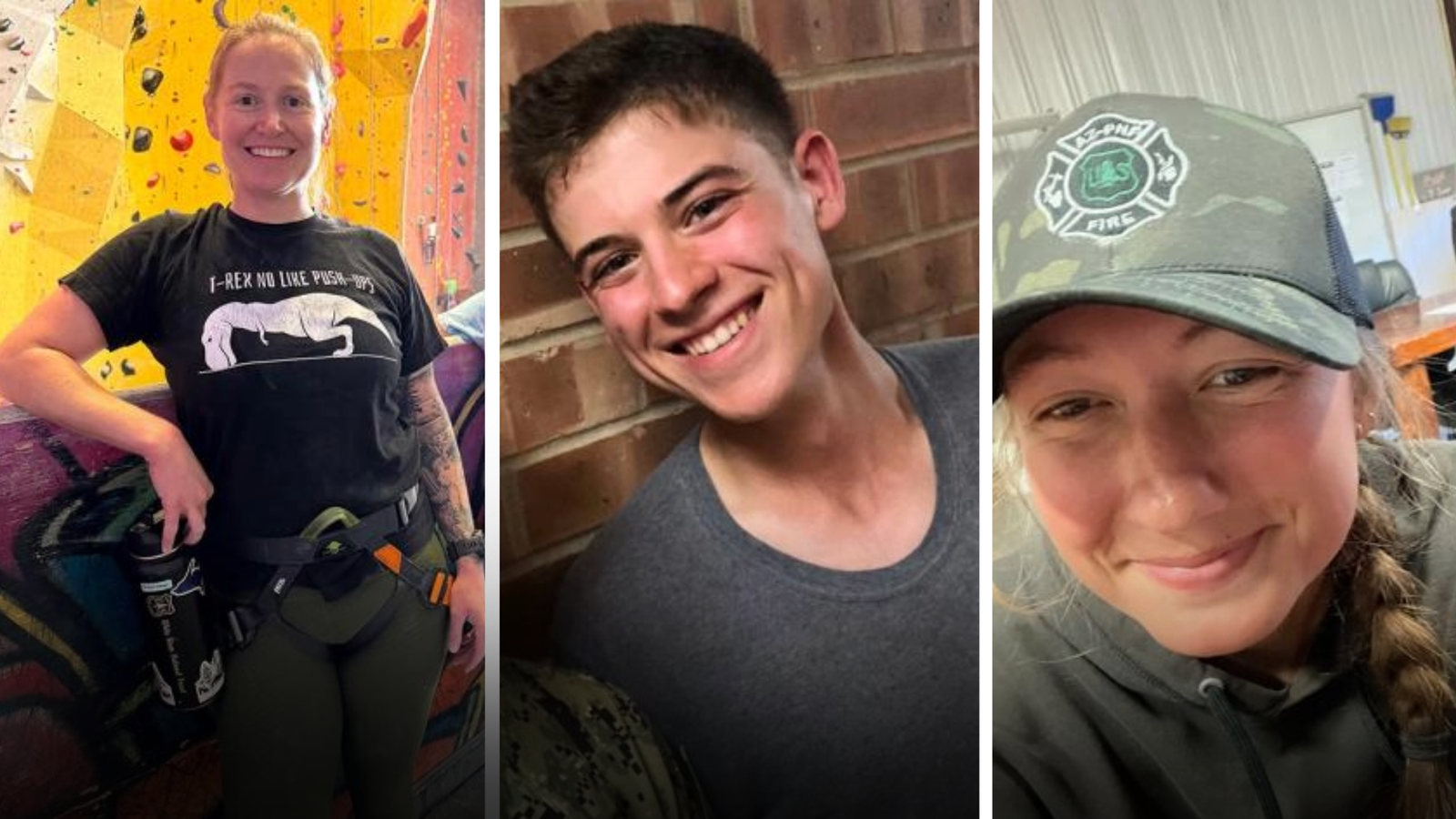
The deaths of three firefighters battling a fast-moving wildfire near the Utah-Colorado border have left communities across both states grieving the loss of dedicated public servants who gave their lives while protecting others. Emily Barker, Nick Hutcherson, and Sydney Watson were responding to the Knowles and Gore fires on June 27 when the dangerous conditions turned deadly.
The fires were later overtaken by the larger Snyder Fire, but the tragedy has remained at the forefront of public attention as officials, emergency responders, and residents reflect on the extraordinary risks faced by wildland firefighters. Alongside the three fatalities, two additional firefighters were injured during the operation, underscoring the hazardous nature of wildfire suppression in the American West during an increasingly severe fire season.
Tributes from state leaders, law enforcement officials, and emergency agencies have poured in since the incident, honoring the courage, commitment, and sacrifice of Barker, Hutcherson, and Watson while offering condolences to their families, friends, and colleagues. Their deaths have also served as a solemn reminder that the men and women who battle wildfires often work in rapidly changing environments where extreme weather, rugged terrain, and unpredictable fire behavior can turn routine assignments into life-threatening emergencies within moments.
Emily Barker, Nick Hutcherson and Sydney Watson Remembered for Their Service
Emily Barker, 38, Nick Hutcherson, 27, and Sydney Watson, 27, were part of the team responding to the wildfires burning along the Utah-Colorado border when they lost their lives in the line of duty. While officials have not yet publicly released extensive personal biographies about the three firefighters, the overwhelming response from government leaders and emergency organizations reflects the profound respect they earned through their commitment to protecting lives, property, and natural landscapes.
Wildland firefighting is among the most physically demanding and dangerous professions, requiring firefighters to confront rapidly spreading flames, shifting winds, extreme heat, smoke, and isolated terrain under intense pressure. Barker, Hutcherson, and Watson accepted those responsibilities knowing the risks involved, joining thousands of firefighters who dedicate themselves each year to defending communities threatened by wildfire.
The incident occurred as crews worked to contain the Knowles and Gore fires, which were later absorbed into what became known as the Snyder Fire. Although investigations into the precise circumstances surrounding the fatalities continue, the loss of three firefighters during a single wildfire response has deeply affected emergency response agencies throughout the region. Such incidents are relatively rare but highlight how unpredictable wildfire behavior can become, even for highly trained professionals operating with extensive safety procedures.
The firefighting community often functions as a close-knit network, where personnel from different agencies and jurisdictions work together during major wildfire incidents. The deaths of Barker, Hutcherson, and Watson have therefore resonated far beyond the immediate area, with firefighters across the country recognizing the dangers their fellow responders faced. Their passing has prompted widespread expressions of gratitude from fellow emergency personnel, many of whom understand firsthand the challenges involved in battling large wildfires under difficult conditions.
Utah Congressman Blake Moore honored the three firefighters who lost their lives battling the Snyder Fire along the Utah-Colorado border, calling their sacrifice one that "will not be forgotten."
— Heidi Hatch KUTV (@tvheidihatch) July 1, 2026
Speaking on the House floor, Moore remembered Emily Barker, Nick Hutcherson and… pic.twitter.com/5G6m2m4vPo
As families mourn the personal loss of their loved ones, colleagues remember three individuals who devoted themselves to serving others. Every wildfire assignment demands teamwork, discipline, and trust among crew members, qualities that become even more important when conditions rapidly deteriorate. Those who work alongside wildland firefighters often describe these crews as extended families forged through difficult missions and shared responsibility. The deaths of Barker, Hutcherson, and Watson therefore represent not only individual tragedies but also a significant loss for the firefighting profession.
Officials Across Utah Honor Their Sacrifice Following the Deadly Wildfire
In the days following the tragedy, elected officials and emergency leaders issued statements expressing sorrow while recognizing the extraordinary courage demonstrated by the fallen firefighters. Congressman Blake Moore offered condolences to the families and communities affected by the incident, emphasizing that the sacrifice made by Emily Barker, Nick Hutcherson, and Sydney Watson would never be forgotten. He also acknowledged the ongoing efforts of firefighters and first responders continuing to battle active wildfires across the region, encouraging residents to remain alert and support those working on the front lines.
Utah Lieutenant Governor Deidre M. Henderson also reflected on the devastating nature of the incident, describing it as a heartbreaking tragedy. Her statement recognized the willingness of firefighters to place themselves in harm’s way for the benefit of others while expressing the hope that such sacrifices would never again be necessary. Henderson’s remarks echoed sentiments shared throughout Utah, where communities have long relied on emergency responders during increasingly destructive wildfire seasons.
Read : Firefighter Billy Hurt Killed After ATV Crash While Responding to Sprint Car Race Accident
Grand County Sheriff Wiggins, whose jurisdiction includes the Utah side of the affected fire area, also paid tribute to Barker, Hutcherson, and Watson. In his statement, he acknowledged that words alone could not ease the grief experienced by those closest to the fallen firefighters. He urged the community to pause and remember their sacrifice while extending thoughts and prayers to their families, friends, and fellow responders. Sheriff Wiggins further thanked firefighters serving both locally and throughout the surrounding region, recognizing the exceptional risks they willingly accept while protecting communities from natural disasters.
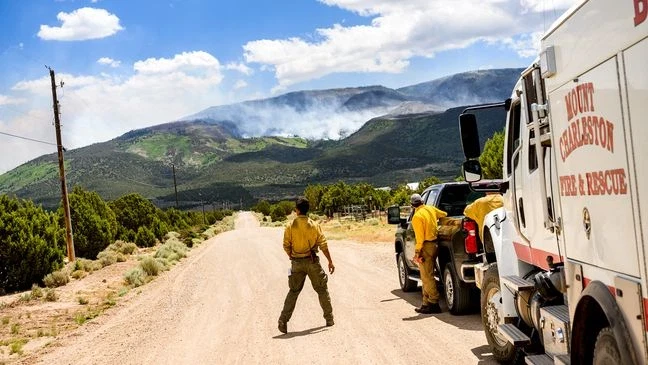
His message highlighted an important reality of wildland firefighting. Unlike many emergencies confined to urban settings, wildfires often require responders to operate for extended periods under physically exhausting conditions in remote wilderness areas. Firefighters frequently spend days or weeks away from home, working long shifts with limited rest while confronting dangerous and unpredictable fire behavior. Sheriff Wiggins emphasized that such dedication deserves lasting respect and appreciation from the public.
Utah Governor Spencer J. Cox also joined numerous officials in expressing condolences after the tragedy, while the United States Forest Service released its own statement honoring the firefighters and acknowledging the difficult circumstances surrounding the incident. Together, these responses reflected the widespread recognition that the loss extended beyond individual families, affecting entire communities that depend on firefighters during times of crisis. Across social media and public statements, themes of gratitude, remembrance, and support consistently emerged as leaders encouraged residents to stand behind both the families of the fallen firefighters and the crews continuing to battle active fires.
A Tragic Reminder of the Risks Wildland Firefighters Face Every Fire Season
The deaths of Emily Barker, Nick Hutcherson, and Sydney Watson have once again drawn attention to the extreme dangers associated with wildland firefighting, a profession that has become increasingly challenging as larger and more intense wildfires affect western states. Unlike structural firefighting, where emergencies often occur within buildings or developed neighborhoods, wildland firefighters frequently operate across vast landscapes where weather conditions can shift rapidly, creating unpredictable and potentially deadly situations.
Read : Firefighters Rescue Young Hereford Cross Cow Trapped Up to Its Shoulders in Mud
Wildfires can intensify within minutes as winds change direction or increase in speed. Dry vegetation, steep terrain, and high temperatures can combine to create conditions where fires spread faster than crews can safely reposition themselves. Even experienced firefighters equipped with extensive training and specialized equipment face situations where circumstances evolve unexpectedly. These realities make wildfire suppression one of the most hazardous emergency response occupations in North America.
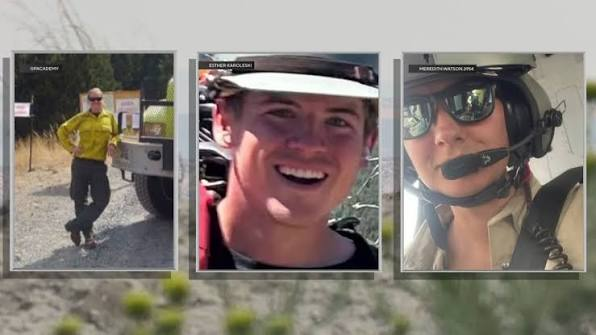
The tragedy near the Utah-Colorado border also illustrates the complexity of managing multiple wildfire incidents simultaneously. The Knowles and Gore fires eventually became part of the larger Snyder Fire, demonstrating how individual fire events can merge into much larger incidents requiring additional personnel, equipment, and coordinated command structures. As fires expand, responders must continually reassess evacuation plans, containment strategies, and firefighter safety while balancing the urgent need to protect nearby communities and natural resources.
Beyond the immediate operational challenges, the emotional impact on firefighting agencies is often significant. The loss of colleagues affects entire crews, many of whom continue responding to emergencies while grieving friends and teammates. Support services, counseling resources, and peer assistance programs frequently become essential following line-of-duty deaths, helping firefighters process the emotional consequences while continuing their demanding work during active fire seasons.
Communities also experience lasting effects after such incidents. Public memorials, moments of silence, and commemorative events often become opportunities to recognize not only those who died but also the thousands of firefighters who continue serving despite the inherent dangers of their profession. These tributes reinforce public awareness that wildfire suppression depends upon individuals willing to place themselves between advancing flames and the people, homes, businesses, and ecosystems they are sworn to protect.
As investigations continue into the circumstances surrounding the June 27 incident, Emily Barker, Nick Hutcherson, and Sydney Watson are being remembered not solely for the tragedy that claimed their lives but for the dedication they demonstrated through their service. Their willingness to answer the call during a dangerous wildfire reflects the commitment shared by countless firefighters who respond whenever communities face natural disasters.
The condolences offered by government officials, law enforcement leaders, emergency organizations, and members of the public underscore a common message: their courage, professionalism, and sacrifice will be remembered long after the fires themselves have been extinguished. Their legacy now joins that of many firefighters who have made the ultimate sacrifice while protecting others, reminding future generations of the extraordinary responsibility carried by those who stand on the front lines of wildfire response.
گینر ناترکس، در واقع یک فرمولاسیون
پیشرفته و یک بمب کالری مهندسیشده است.
فیتنس مکمل، منبع بهترین مکمل های اروجینال برای افرادی است که به سلامت و زیبای اندام خود، و کیفیت و اصالت مکمل ورزشی اهمیت میدهند.
کراتین ترکیبی ناترکس، یک محصول پیشرفته برای بارگیری گلیکوژن و کراتین است که برای به حداکثر رساندن عملکرد و حجم عضلات طراحی شده.
وی فا، یک مکمل خوشطعم و باکیفیت است که حاوی ۱۰۰٪ پروتئین وی کنسانتره میباشد.
وی گلد ماسل تک، یکی از پیشرفتهترین و خالصترین مکملهای پروتئینی در دنیاست که با هدف عضلهسازی خشک و ریکاوری سریع طراحی شده است.
گینر ویکتور مارتینز، فلسفهای از تغذیه است که توسط خود ویکتور مارتینز طراحی شده است.
گینر استرویت، یک مکمل غذایی پودری است که با هدف تامین کالری بالا، کربوهیدراتهای پیچیده و پروتئینهای باکیفیت برای ورزشکاران طراحی شده است.
کراتین ناکلیر، یک ماتریس پیچیده است، این کراتین ترکیبی از برند ناکلیر نوتریشن، بر اساس فلسفه همافزایی طراحی شده است.
وی ناکلیر، یک مکمل ورزشی باکیفیت است که عمدتاً از کنسانتره پروتئین آب پنیر تشکیل شده.
گینر ناکلیر، با ارائه ترکیبی هوشمندانه از ماکرونوتریینتها، به شما اجازه میدهد کالری مایع با کیفیتی را وارد بدن کنید که به سرعت جذب میشود.
گینر ویسلی، یک مکمل تخصصی افزایش وزن و حجم عضلانی است که با ترکیب هوشمندانهای از کربوهیدراتهای پیچیده، پروتئینهای باکیفیت و اسیدهای آمینه ضروری، طراحی شده است.
پروتئین بیف ماسل مدز، نخستین پروتئین ایزوله گوشت گاو در جهان است که با تکنولوژیهای پیشرفته فیلتراسیون تولید شده است.
букмекеры на чемпионат мира, ставки на чм предлагают широкий выбор ставок.
Игроки могут настраивать свои шансы на победу.
کراتین hcl ماسل تک، خالصترین فرم کراتین است که نمک و ناخالصیهای دیگر از آن جدا شدهاند.
گینر ماسل اسپرت، یک سیستم کامل برای افزایش کالری دریافتی و پشتیبانی از ریکاوری عضلانی است.
گینر بادی بیلدینگ، یک مکمل پودری پرکالری است که از ترکیب کربوهیدراتها، پروتئینها و چربیهای سالم تشکیل شده است تا به شما در افزایش وزن و حجم عضلانی کمک کند.
провайдер МТС плюс, https://mts-plus.ru/ekaterinburg/internet-tv предлагает
удобный выбор телефонных тарифов.
Its not my first time to visit this web page, i am browsing this website dailly and obtain good information from here daily.
Ahaa, its pleasant dialogue concerning this paragraph at this place at this website, I have read
all that, so now me also commenting here.
I’m no longer positive where you’re getting your info, but great topic.
I must spend some time finding out more or figuring out
more. Thanks for excellent info I used to be searching for this information for my mission.
мониторинг цен в интернет-торговле, https://krepezh.net/poleznye-stati/kak-vypolnyaetsya-parser-cen-konkurentov-i-rekomendacii.html стал важным инструментом
для бизнеса.
Very shortly this website will be famous among all
blogging people, due to it’s good content
گینر ماسل کور، نسبت کربوهیدرات به پروتئین را دقیقاً شبیه به نسبت طلایی مورد نیاز برای ریکاوری پس از تمرینات سنگین هایپرتروفی تنظیم کرده است.
گینر ناترند، یک مکمل پیشرفتهی ورزشی با ترکیب مهندسیشدهای از کربوهیدراتهای پیچیده، پروتئینهای با ارزش بیولوژیکی بالا و مجموعهای از ویتامینها است که برای ایجاد کالری مازاد و تسریع روند عضلهسازی طراحی شده است.
وی تروفیول، یک منبع پروتئینی با ارزش بیولوژیکی بسیار بالا است که حاوی تمامی اسیدهای آمینه ضروری است که بدن انسان قادر به تولید آنها نیست و باید از طریق رژیم غذایی دریافت شوند.
گینر وایکینگ فورس، یک فرمولاسیون پیشرفته و کالریمتراکم است که برای پشتیبانی از رشد عضلانی و افزایش وزن طراحی شده است.
وی ایزوله تروفیول، یک مکمل پروتئینی فوقالعاده خالص است که طی فرآیندهای پیشرفته میکروفیلتراسیون، چربی، کربوهیدرات و لاکتوز آن حذف شده و بیش از 90% پروتئین خالص و زودجذب را برای سنتز عضلانی در اختیار بدن قرار میدهد.
گینر کوین لورون، یک مکمل افزایشدهنده وزن و حجم فوقپیشرفته است که ترکیبی ایدهآل از کربوهیدراتهای پیچیده، پروتئینهای زودهضم و دیرهضم، و اسیدهای آمینه ضروری را در خود جای داده است.
وی سون نوتریشن، یک مکمل پروتئینی باکیفیت و پیشرفته است که از بهترین منابع آب پنیر استخراج میشود و به منظور تسریع ریکاوری، افزایش حجم عضلانی و بهبود عملکرد ورزشی طراحی شده است.
گینر تروفیول، با ارائه یک پروفایل درشتمغذی متعادل، به بدن شما سوخت لازم برای تمرینات سخت و مواد اولیه برای ساخت تارهای عضلانی جدید را میرساند.
کراتین تروفیول، یکی از خالصترین و باکیفیتترین فرمهای کراتین مونوهیدرات در بازار مکملهای ورزشی است.
گینر اکتیولب، یک مکمل ورزشی پرکالری متشکل از کربوهیدراتهای پیچیده و پروتئین با کیفیت است که به طور خاص برای افزایش سریع وزن، ریکاوری بهتر و ساخت توده عضلانی در افراد لاغر اندام طراحی شده است.
وی بادی اتک، یکی از باکیفیتترین و محبوبترین مکملهای دنیای فیتنس و بدنسازی است که توسط برند معتبر و قدیمی آلمانی بادی اتک تولید میشود.
وی رول وان، یکی از مکملهای برجسته در بازار جهانی است که عمدتاً برای حمایت از عضلهسازی، ریکاوری سریع، و بهبود کلی عملکرد ورزشی طراحی شده است.
وی ایزوله رونی کلمن، یک منبع پروتئینی فوقالعاده خالص است که تمام چربیها، کربوهیدراتها و قندهای اضافی آن در فرآیندهای پیچیده آزمایشگاهی فیلتر شده است.
گینر رونی کلمن، یک مکمل افزایش وزن و حجم عضلانی با فرمولاسیون مهندسی شده است که با ترکیب بهینهای از پروتئینها، کربوهیدراتهای پیچیده و چربیهای سالم، کالری مازاد مورد نیاز برای هایپرتروفی (رشد عضلانی) را فراهم میکند.
کراتین ماسل رولز، یکی از خالصترین فرمهای کراتین مونوهیدرات تو بازار جهانیه. وقتی حرف از توصیههای آکادمیک ورزشی میشه، کراتین همیشه پای ثابته.
وی ایزوله ماسل پلاس، یک منبع خالص و فیلتر شده از پروتئین آب پنیر است که چربی و لاکتوز آن به حداقل ممکن (نزدیک به صفر) رسیده است.
وی ماسل پلاس، یک ترکیب مهندسیشده از اسیدهای آمینه ضروری است که بدن شما برای ریکاوری بعد از یک تمرین سنگین با وزنهها به آن نیاز دارد.
کراتین بی اس ان، کراتین مونوهیدرات ۱۰۰٪ خالص و میکرونایز شده است که برای پر کردن ذخایر (آدنوزین تریفسفات) عضلات شما طراحی شده.
کراتین ماسل پلاس، در واقع یک مکمل ورزشی فوقالعاده خالص و قدرتمند بر پایه کراتین مونوهیدرات است که دقیقا مثل یک باتری یدکی برای سلولهای عضلانی شما عمل میکند.
گینر ماسل پلاس، یک مهندسی دقیق تغذیهای برای هاردگینرها است که نقش کلیدی در جلوگیری از کاتابولیسم (عضلهسوزی) و تسریع ریکاوری بعد از تمرینات مقاومتمحور ایفا میکنند.
گینر ماسل تک، به گونهای طراحی شده تا نیاز ورزشکاران به تهیه جداگانه چندین مکمل (مانند پروتئین وی، کراتین، گلوتامین و مولتیویتامین) را برطرف سازد.
گینر بی اس ان، یکی از شناختهشدهترین و معتبرترین پودرهای افزایش حجم در دنیای بدنسازی و فیتنس به شمار میاد.
کراتین سایتک نوتریشن، یک مکمل ورزشی باکیفیت و محبوب است که از ۱۰۰ درصد کراتین مونوهیدرات خالص و میکرونایز شده تشکیل شده است.
آمینو دایماتیز، یک ترکیب فوقالعاده از هر ۹ اسید آمینه ضروری است که بدن انسان قادر به ساختن اونها نیست و حتماً باید از طریق رژیم غذایی یا مکملها تامین بشن.
بی سی ای ای دایماتیز، یک مکمل پودری یا کپسولی باکیفیت است که اسیدهای آمینه ضروری (لوسین، ایزولوسین و والین) را با نسبت طلایی و علمی 2:1:1 به بدن شما میرساند.
مس گینر زوماد لبز، با فرمولاسیون پیشرفته خودش، ترکیبی ایدهآل از کربوهیدراتهای پیچیده، پروتئینهای با ارزش بیولوژیکی بالا و اسیدهای آمینه ضروری رو تو یه پکیج جذاب به شما میده.
کراتین اپلاید، یک کراتین مونوهیدرات میکرونایز شده است که دانههای کراتین را به اندازهی گرد و غبار نرم و ریز میکند، به سطحی از حلالیت و جذب که سیستم گوارش شما بابت آن سپاسگزاری خواهد کرد.
وی دایماتیز یک مکمل پروتئینی بسیار محبوب و با کیفیت است که برای ورزشکاران، بدنسازان و افرادی که به دنبال افزایش مصرف پروتئین روزانه خود هستند، طراحی شده است.
کراتین کوامترکس یک منبع خالص از انرژی برای عضلات تشنه شماست! وقتی در باشگاه زیر وزنه هستید و احساس میکنید دیگر توان حتی یک تکرار بیشتر را ندارید، دقیقاً همینجاست که کراتین وارد میدان میشود.
کراتین ناترکس حاوی کراتین مونوهیدرات خالص است که با استفاده از یک فرآیند تولید ثبتشده، بالاترین خلوص و غلظت را تضمین میکند.
کراتین یو اس ان با بهرهگیری از تکنولوژیهای پیشرفته فیلتراسیون و میکرونایزیشن، ذرات کراتین را به ابعاد میکرونی خرد کرده است.
کراتین استروویت یک مکمل باکیفیت و تکجزئی است که به عنوان یکی از موثرترین انواع کراتین در جهان شناخته میشود.
کراتین بادی اتک یکی از باکیفیتترین و معتبرترین مکملهای کراتین در سطح جهان است که توسط برند پیشرو «بادی اتک» در کشور آلمان تولید میشود.
وی ایزوله بادی بیلدینگ یک مکمل پروتئینی فوقپیشرفته و تصفیهشده است که طی فرآیند میکروفیلتراسیون، بیش از ۹۰ درصد پروتئین خالص را در خود جای داده و تقریباً فاقد چربی، کربوهیدرات و لاکتوز (قند شیر) میباشد.
کراتین رول وان از نوع میکرونایز شده است این یعنی ذرات آن بهقدری ریز شدهاند که جذب و انحلالپذیریشان به شکل چشمگیری بهتر از کراتینهای معمولی است.
کربوهیدرات اپلاید یک منبع انرژی فوقسریع و پایدار بر پایه کربوهیدراتهای خاص (مثل کلاستر دکسترین) است که برای سوخترسانی قبل، حین و بعد از تمرین طراحی شده است.
کراتین بادی بیلدینگ دقیقاً ۵ گرم کراتین خالص در هر پیمانه به شما میدهد، نه کمتر و نه بیشتر. برای ورزشکاری که میخواهد دقیقاً بداند چه چیزی وارد بدنش میشود، این شفافیت یک نعمت بزرگ است.
کراتین زوماد لبز با تأمین کراتین مونوهیدرات میکرونیزه شده، که یکی از بهترین و موثرترین فرمهای کراتین است، به بدن شما کمک میکند.
مولتی ویتامین ماسل تک یک مکمل غذایی باکیفیت است که به طور خاص برای ورزشکاران و افرادی که به دنبال بهبود عملکرد ورزشی و حفظ سلامت عمومی بدن هستند، طراحی شده است.
وی ناتریورسام یک مکمل ورزشی بسیار باکیفیت بر پایه پروتئین آب پنیر است که با سرعت جذب بالا و پروفایل اسیدهای آمینه کامل، به رشد سریعتر عضلات، جلوگیری از ریزش عضله و ریکاوری قدرتمند پس از تمرینات سخت کمک میکند.
گینر دایماتیز یک مکمل غذایی با کالری بسیار بالا است که به طور خاص برای کمک به افرادی طراحی شده که به دنبال افزایش وزن و حجم عضلانی هستند و به سختی وزن میگیرند، که اصطلاحاً به آنها هارد گینر گفته میشود.
Very well written article. It will be useful to everyone who utilizes it, as well as myself. Keep doing what you are doing – i will definitely read more posts.
گینر ناتریورسام یک مکمل ورزشی باکیفیت است که با نسبت ایدهآلی از کربوهیدراتهای پیچیده و پروتئینهای زودجذب، برای کمک به افزایش وزن و حجم عضلانی طراحی شده است.
گینر رول وان یک فرمولاسیون پیشرفته برای افزایش وزن و حجم عضلانی است که با دقت مهندسی شده تا حداکثر کالری، پروتئین و کربوهیدرات باکیفیت را در هر وعده فراهم کند.
کراتین دایماتیز یکی از خالصترین، اثباتشدهترین و معتبرترین مکملهای انرژیزا در دنیای بدنسازی حرفهای است که مستقیماً برای افزایش انفجاری قدرت، استقامت و حجم خالص عضلانی طراحی شده است.
گینر موتانت با هدف تامین کالری، پروتئین و کربوهیدرات بسیار بالا برای افرادی که در فاز افزایش وزن هستند یا متابولیسم سریعی دارند و به سختی وزن اضافه میکنند، طراحی شده است.
کراتین مای پروتئین یکی از محبوبترین و باکیفیتترین مکملهای ورزشی در سطح جهان است که توسط برند معتبر انگلیسی مای پروتئین تولید میشود.
کراتین ناتریورسام یک منبع خالص از کراتین مونوهیدرات است که توسط برند معتبر اروپایی ناتریورسام تولید میشود.
کراتین المکس یک مکمل کراتین مونوهیدرات بسیار خالص و با کیفیت دارویی است که توسط کمپانی کانادایی المکس عرضه میشود.
کراتین مونوهیدرات ماسل تک حاوی ۱۰۰٪ کراتین مونوهیدرات خالص است که با استفاده از تکنولوژی میکرونیزاسیون، ذرات آن بسیار ریز شدهاند تا علاوه بر حلالیت عالی در آب، جذب سریعتر و راحتتری در دستگاه گوارش داشته باشد.
آمینو ناتریورسام یک منبع غنی و کامل از اسیدهای آمینه ضروری و غیرضروری است که به شکل قرص تولید میشود.
گینر اپلاید برای افرادی طراحی شده که به سختی وزن میگیرند (هارد گینرها) و به دنبال ترکیبی هستند که علاوه بر کالری بالا، کیفیت عضلانی را نیز ارتقا دهد.
کراتین رونی کلمن یک مکمل ارگوژنیک (افزایشدهنده عملکرد) است که از ۱۰۰٪ کراتین مونوهیدرات خالص تشکیل شده است.
کراتین ایوژن از کراتین مونوهیدرات خالص و میکرونایز شده تشکیل شده که به دلیل حلالیت و جذب بالا، یکی از موثرترین انواع کراتین موجود در بازار است.
کراتین کوین لورون یک مکمل غذایی متشکل از کراتین مونوهیدرات خالص با خلوص بالاست و همانطور که میدانید، یکی از پرطرفدارترین و بیشترین مواد مورد مطالعه در حوزه تغذیه ورزشی است.
وی الیت دایماتیز یک ترکیب مهندسی شده از وی پروتئین ایزوله و وی پروتئین کنسانتره است دایماتیز تلاش کرده تعادلی بین “سرعت جذب فوقالعاده” و “بافت طعمی غنی” ایجاد کند.
بست امینو ای ای ای بی پی ای در واقع یه ترکیب هوشمندانه از آمینو اسیدهای شاخهدار و آمینو اسیدهای ضروری به همراه یه ماتریکس هیدراتاسیون خفنه که برای جلوگیری از کاتابولیسم (ریزش عضلانی) و افزایش سنتز پروتئین طراحی شده.
کراتین ماسل تک که اغلب با نام تجاری مشهور «سل-تک» یا مدلهای جدیدتری مانند «سل-تک کراکتور» شناخته میشود، یک کراتین ترکیبی پیشرفته و چندمؤلفهای است که برای به حداکثر رساندن جذب کراتین و افزایش حجم عضلانی طراحی شده است.
پروتئین وی استروویت یک منبع پروتئین و کربوهیدرات پیچیده است که هضم و جذب بسیار سریعی دارد و در معده باقی نمیماند در واقع، این پروتئین وی یک ترکیب هوشمندانه برای فاز حیاتی بعد از تمرین است.
گینر ویکتور مارتینز فلسفهای از تغذیه است که توسط خود ویکتور مارتینز طراحی شده است و برای کسانی فرموله شده که متابولیسم سریع دارند و برای دریافت کالری مازاد دچار مشکل هستند.
کراتین موتانت ترکیبی هوشمندانه از سه نوع کراتین مختلف را در خود جای داده است تا حداکثر جذب، کارایی و حداقل عوارض جانبی را تضمین کند.
وی ایزوله ناکلیر یک فرم به شدت تصفیه شده از پروتئین آب پنیر هست و فرآیند تولید ان با فیلتراسیونهای خیلی پیشرفتهای (مثل کراس فلو) انجام میشه تا چربی، لاکتوز و کربوهیدرات به کمترین میزان ممکن برسه.
وی ناترکس ترکیبی از پروتئین وی ایزوله و کنسانتره است که منبع غنی از اسیدهای آمینه ضروری به شمار میرود. نوترکس با فرمولاسیون تخصصی این پروتئین، فرآیند عضلهسازی شما را به بهترین شکل ممکن پشتیبانی میکند.
وی موتانت با فرمولاسیون پیشرفته و ترکیبات دقیق، یک مکمل کامل برای حمایت از رشد عضلات و بهبود عملکرد ورزشی است.
گینر یو اس ان یک افزایشدهنده وزن و حجم عضلانی است که برای افرادی با متابولیسم سریع و کسانی که به دنبال دریافت کالری مازاد برای رشد حداکثری عضلات هستند، طراحی شده است.
کراتین ایس فا همان کراتین مونوهیدرات خالص است که به عنوان “پادشاه مکملها” شناخته میشود و بیشترین تحقیقات علمی در تاریخ علوم ورزشی روی آن انجام شده است.
کراتین اپتیموم یکی از خالصترین و معتبرترین مکملهای کراتین در بازار جهانی است که به طور ویژه برای جذب بهتر و کارایی بالاتر طراحی شده است.
آمینو الیمپ یک مکمل ورزشی باکیفیت و پیشرفته از برند معتبر لهستانی الیمپ است که حاوی مجموعهای از اسیدهای آمینه ضروری و اسیدهای آمینه شاخهدارمیباشد.
کراتین اسکال لبز یک کراتین مونوهیدرات خالص و گزینه اقتصادی و در عین حال بسیار موثره که برای هر کسی، از مبتدی تا حرفهای، عالیه.
امگا ۳ ماسل تک هر کدام حاوی ۱۰۰۰ میلیگرم روغن ماهی خالص هستند. اما صبر کنید، عدد ۱۰۰۰ میلیگرم گمراهکننده است. آنچه در دنیای علمی اهمیت دارد، مقدار اسیدهای چرب فعال یعنی (ایکوزاپنتانوئیک اسید) و (دوکوزاهگزانوئیک اسید) است.
کراتین ویکتور مارتینز با افزایش تولید مولکولهای (آدنوزین تری فسفات)، که منبع اصلی سوخت برای فعالیتهای بدنی شدید هستند، به عضلات شما قدرت و استقامت بیشتری میبخشد.
وی ایزوله استروویت با تامین سریع و باکیفیت تمام آمینو اسیدهای ضروری، به ویژه آمینو اسیدهای شاخهدار، به کاهش خستگی مرکزی کمک میکند
کراتین کیجد یک مکمل ورزشی بسیار باکیفیت و با خلوص بالا است که به طور ویژه برای افزایش قدرت، استقامت و حجم عضلانی ورزشکاران طراحی شده است.
بی سی ای ای الیمپ یک ترکیب مهندسی شده از سه اسید آمینه ضروری یعنی لوسین، ایزولوسین و والین است که بدن ما قادر به تولید آنها نیست.
وی ماسل اسپرت یک مکمل پروتئینی پیشرفته بر پایه پروتئین وی ایزوله و وی هیدرولیز شده است که با ترکیباتی نظیر ال-کارنیتین و سی ال ای غنی شده تا به طور همزمان عضلهسازی و چربیسوزی را در بدن ورزشکاران به حداکثر برساند.
کراتین ماسل اسپرت عمدتاً از کراتین مونوهیدرات خالص تشکیل شده است که به دلیل توانایی بالا در افزایش سطح فسفوکراتین عضلات، به عنوان سوخت اصلی برای بازسازی سریع (واحد انرژی بدن) در حین تمرینات انفجاری و سنگین عمل میکند.
آمینو ای ای ای ناترند ۹ آمینو اسید حیاتی را در یک فرمولاسیون بینظیر و با سرعت جذب بالا به بدن شما میرساند.
پروتئین وی ناترند ترکیبی از کنسانتره پروتئین وی فوق فیلتر شده و ایزوله پروتئین وی خالص است، با هدف تامین سریع و کامل آمینواسیدهای ضروری برای ورزشکاران طراحی شده است.
وی ایزوله ناترکس حاوی ۲۵ گرم پروتئین وی ایزوله ۱۰۰٪ در هر سروینگ است که با روش میکروفیلتراسیون پیشرفته تولید شده و جذب سریع دارد.
وی ترکیبی رول وان یک مکمل پروتئینی پیشرفته و چندفازی است که از ترکیب هوشمندانه ۷ منبع مختلف پروتئین با سرعت هضم متفاوت تشکیل شده است.
کراتین لابرادا یک مکمل ۱۰۰٪ خالص از کراتین مونوهیدرات است که با هدف افزایش ذخایر در عضلات طراحی شده است و به شما کمک میکند تا در تمرینات سخت، انرژی بیشتری داشته باشید.
وی ایزوله رول وان از پروتئین آب پنیر ایزوله و هیدرولیز شده تهیه شده، یعنی خالصترین شکلی از پروتئین که میتوانید پیدا کنید.
وی وایکینگ اساساً یک ماتریس پروتئینی است که عمدتاً بر پایه کنسانتره پروتئین وی با کیفیت بالا بنا شده است.
کراتین ناترند با بالاترین استانداردهای کیفی اروپا تولید شده و خلوص آن تضمین شده است این کراتین مونوهیدرات از فرم ۱۰۰٪ خالص کراتین مونوهیدرات تشکیل شده که به شکل میکرونایز فرآوری شده است.
وی ترکیبی ماسل تک با ترکیب دوز مشخص کراتین با پروتئین وی منجر به ۷۰ درصد افزایش در رشد عضلات بدون چربی در مقایسه با مصرف پروتئین وی به تنهایی میشود.
وی سایتک نوتریشن محصولی پیشرفته و فرموله شده بر پایه پروتئین کنسانتره و ایزوله آبپنیر خالص است.
وی ایزوله سایتک حاوی 100٪ پروتئین است که جذب سریعتری نسبت به وی معمولی دارد. این وی ایزوله فاقد قند افزوده بوده و با گلوتامین (5.2٪) و آرژنین (1.7٪) غنی شده است.
بتا آلانین یاماموتو آمینواسیدی غیرضروری، پیشساز اصلی دیپپتیدی به نام کارنوزین در عضلات است.
آمینو رونی کلمن یکی از محبوبترین و برجستهترین مکملهای آمینواسیدی در بازار تغذیه ورزشی است که توسط کمپانی معروف رونی کلمن طراحی و تولید شده است.
مولتی ویتامین لابرادا ترکیبی متوازن از ۱۰ ویتامین کلیدی، ۷ معدنی ضروری، آنتیاکسیدانهای قوی مانند لیکوپن و عصارههای گیاهی تقویتکننده مانند جینکو بیلوبا و جینسنگ پاناکس است.
وی بیسیک یک مکمل پروتئین وی تمرکزیافته یا ترکیبی استاندارد است که تمام اسیدهای آمینه ضروری و اسیدهای آمینه شاخهدار را بدون قیمتهای نجومی فراهم میکند.
کراتین بیسیک با ارائه کراتین مونوهیدرات ۱۰۰٪ خالص و میکرونیزه شده، ذخایر فسفوکراتین سلولهای عضلانی را به حداکثر اشباع میرساند.
گینر بیسیک بهطور اختصاصی برای افرادی طراحی شده که اصطلاحاً “هارد گینر” هستند؛ یعنی متابولیسم فوقالعاده بالایی دارند و کالریسوزی بدنشان اجازه ساخت بافت جدید را نمیدهد.
[2641]Bonus Game লগইন এবং সেরা অনলাইন স্লট গেম খেলুন,bonus game লগইন করে সেরা অনলাইন স্লট গেম খেলুন। বিকাশ দিয়ে ক্যাসিনো ডিপোজিট এবং bonus game app download করে আজই শুরু করুন। visit: bonus game
وی اوربیلد یک پروتئین وی برجسته ی بازار است که از سه منبع اصلی پروتئین شامل کنسانتره، ایزوله و پپتیدهای هیدرولیز شده تشکیل شده است.
کراتین اوربیلد یکی از خالصترین و استانداردترین مکملهای کراتین مونوهیدرات میکرونیزه در بازار جهانی مکملهای ورزشی به شمار میرود.
گینر اوربیلد یکی از حرفهایترین و باکیفیتترین مکملهای افزایش دهنده وزن و حجم عضلانی است که توسط برند معتبر اوربیلد طراحی شده است.
کراتین مگنوم با فرمولاسیون ۱۰۰٪ کراتین مونوهیدرات خالص و بدون هیچگونه ماده افزودنی، قند یا طعمدهنده مصنوعی طراحی شده تا تمام تمرکز شما روی عملکرد ورزشی باقی بمونه.
وی مگنوم یک مکمل ترکیبی از ۴ منبع پروتئین بسیار خالص شامل وی ایزوله، وی هیدرولیز شده، پروتئین ایزوله شیر و کازئین میسلار است.
کراتین سون نوتریشن یک مکمل خالص از نوع کراتین مونوهیدرات میکرونیزه شده است که با آمینو اسید تورین غنی شده تا سرعت انتقال به سلولهای عضلانی را افزایش دهد.
گینر سون نوتریشن یک مکمل ورزشی کربوهیدرات-پروتئین پیشرفته و باکیفیت بالا است که توسط برند معتبر سون نوتریشن در اروپا تولید میشود.
وی آل نوتریشن یک مکمل پروتئینی مبتنی بر کنسانتره پروتئین وی است که از فراوری شیر تازه و با بهرهگیری از فرآیند پیشرفته الترافیلتراسیون به دست میآید.
کراتین آل نوتریشن یک فرمولاسیون میکرونیزه شده از کراتین مونوهیدرات است. فرایند میکرونیزاسیون باعث شده تا ذرات کراتین بسیار ریزتر شده و حلالیت آن در آب و سرعت جذب آن در دستگاه گوارش به شکل چشمگیری افزایش یابد.
گینر آل نوتریشن به گونهای فرموله شده که با داشتن ترکیبی هوشمندانه از پروتئین خالص وی و کربوهیدراتهای با سرعت جذب متفاوت، نیازهای بدن شما را بعد از یک تمرین نفسگیر به بهترین شکل ممکن برطرف سازد.
گینر استروویت یک مکمل غذایی پودری است که با هدف تامین کالری بالا، کربوهیدراتهای پیچیده و پروتئینهای باکیفیت برای ورزشکاران طراحی شده است.
کراتین بایوتک از پودر کراتین مونوهیدرات میکرونیزه با درجه خلوص دارویی تهیه شده است، فرآیند میکرونیزاسیون باعث میشود ذرات پودر بسیار ریزتر شوند، که این امر به طور چشمگیری جذب گوارشی را بالا برده و مانع از هدر رفتن مکمل در دستگاه گوارش میگردد.
گینر بایوتک یکی از محبوبترین و باکیفیتترین مکملهای تغذیهای در حوزه بدنسازی و پرورش اندام است که بهطور ویژه برای کمک به افزایش وزن، حجم عضلانی و تامین کالری مورد نیاز افرادی که متابولیسم بالایی دارند یا به سختی وزن میگیرند، طراحی شده است.
پروتئین بایوتک یکی از محبوبترین و باکیفیتترین مکملهای تغذیهای در دنیای ورزش است که توسط کمپانی معتبر بایوتک امریکا تولید میشود.
پروتئین وی اکتیولب یکی از مطرحترین مکملهای پروتئینی ساخت کشور لهستان و اتحادیه اروپا است که بر پایه پروتئین کنسانتره و ایزوله وی با کیفیت بسیار بالا فراوری میشود.