
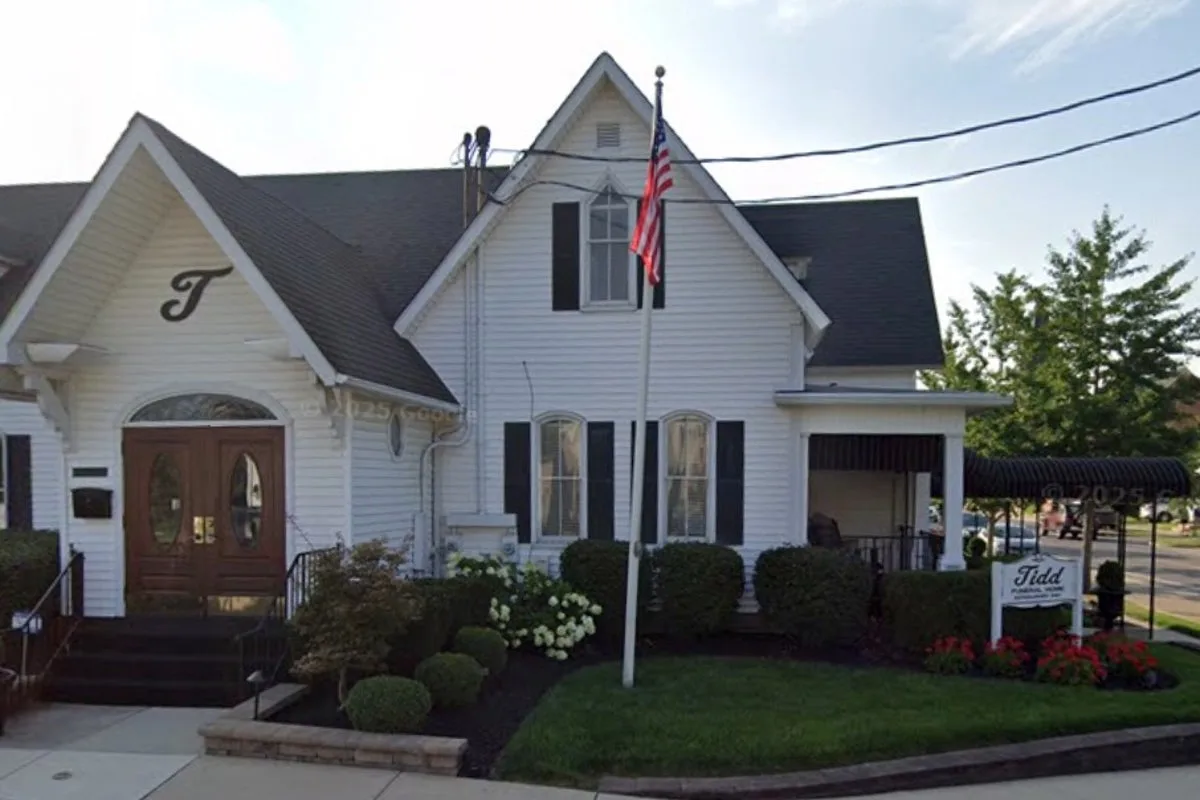
The death of a loved one is one of the most difficult experiences a family can face, and for many people, honoring a person’s final wishes provides a sense of comfort and closure during a period of grief. When those wishes are not respected, the emotional pain can become even more profound. This is the situation now facing the family of Nancy Anders, an Ohio woman whose children have filed a lawsuit against Tidd Funeral Home after learning that she had allegedly been cremated despite having clearly expressed her desire to be buried alongside her late husband.
The case has drawn attention because it involves not only a tragic mistake but also the violation of deeply held personal beliefs and carefully documented burial plans that Nancy had established long before her death. According to the lawsuit, Nancy Anders spent years preparing for her final resting place. Her plans were detailed and specific, reflecting her commitment to spending eternity beside her husband, John Anders, with whom she had shared more than six decades of marriage.
Those wishes were reportedly documented in writing and communicated clearly to those responsible for carrying out her funeral arrangements. The family’s lawsuit claims that despite these instructions, a devastating error occurred, leaving them shocked and heartbroken when they were informed that Nancy had been cremated. The legal action now seeks accountability for what the family describes as a reckless and deeply distressing failure to honor their mother’s final requests.
Nancy Anders’ Carefully Planned Final Wishes
Nancy Anders died in May 2025 at the age of 83. For years, she had envisioned exactly how she wanted to be laid to rest after her death. According to court documents, her burial plans centered on reuniting with her husband, John Anders, who died in 2023 after more than 60 years of marriage. Their relationship formed the foundation of her final wishes, and she reportedly took considerable care to ensure those wishes would be understood and respected.
The lawsuit states that Nancy wanted to be buried in the same casket as her husband at Union Cemetery in Columbus, Ohio. Her plans extended beyond the general desire to be buried beside him. She allegedly specified details regarding the placement of their bodies, the positioning of her hands, and even the clothing that should be worn. These instructions reflected not only a practical funeral arrangement but also an expression of love, faith, and personal conviction.
One of the most significant aspects of her wishes involved her opposition to cremation. According to the lawsuit, cremation was completely inconsistent with her personal beliefs and was never considered an acceptable option. Her children argue that this preference was not ambiguous or informal but was instead clearly documented and known to those involved in planning her funeral. Because of that, the family’s grief has reportedly been intensified by the knowledge that the outcome directly contradicted something their mother had worked carefully to prevent.
Read : New Study Reveals that the Moon is Making Days Longer on Earth
For families making funeral arrangements, detailed instructions often provide reassurance that a loved one’s final wishes will be honored. In Nancy’s case, those instructions were intended to ensure that she would remain forever connected to her husband. The lawsuit contends that the funeral home’s alleged failure to follow those directions destroyed the possibility of fulfilling a plan that held deep emotional and spiritual meaning for her and her family.
The Alleged Mistake and the Family’s Legal Claims
The lawsuit filed by Nancy Anders’ children alleges that the family learned of the cremation approximately ten days after her death. According to reports cited in court documents, representatives from Tidd Funeral Home informed the family that Nancy had been cremated. The lawsuit further claims that the incident was described as an accident, with an employee allegedly acknowledging the mistake by stating that “mom was cremated.”
For the Anders family, the revelation reportedly came as a devastating shock. Funeral arrangements are typically entrusted to professionals who are expected to follow detailed procedures designed to ensure that every aspect of a person’s final wishes is carried out accurately. The family argues that those safeguards either failed or were insufficient in this case, resulting in an irreversible outcome.
The lawsuit contains strong language regarding the funeral home’s alleged conduct. It describes the cremation as reckless, extreme, and outrageous, arguing that the actions went beyond ordinary negligence. The complaint asserts that the circumstances surrounding the cremation would be considered intolerable by reasonable standards because they involved the permanent destruction of the family’s ability to honor Nancy’s documented burial wishes.
Read : Kyle Owens Sues Nintendo for $341K After Being Denied ‘Pokémon Professor’ Status
Among the allegations included in the lawsuit are negligence, breach of contract, mishandling of a body, and intentional or negligent infliction of emotional distress. The family contends that funeral service providers have a legal and ethical responsibility to ensure proper identification of remains and verification of a deceased person’s burial or cremation preferences before any irreversible action is taken.
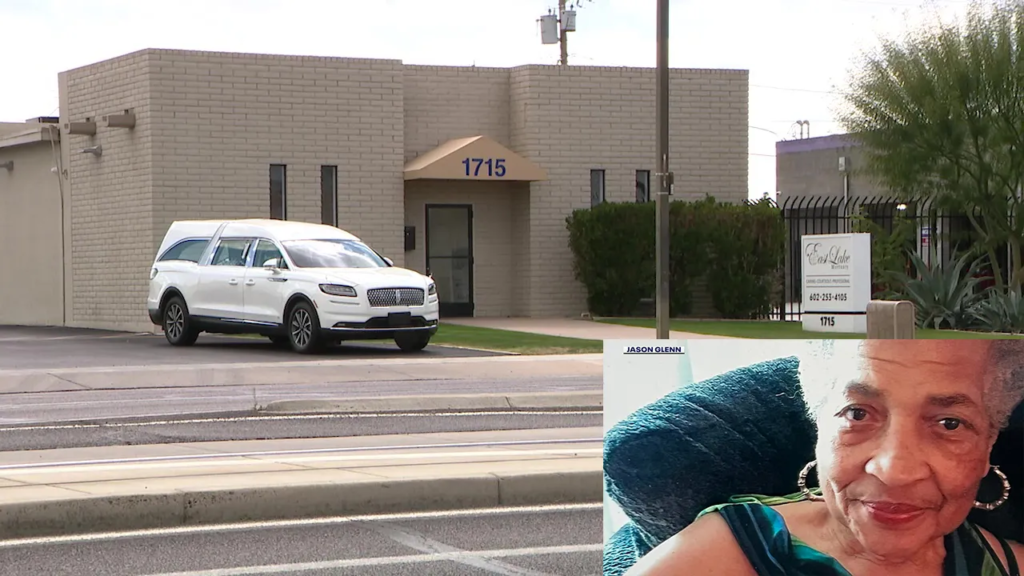
The complaint also raises concerns regarding the funeral home’s procedures and protocols. According to reports, the family alleges that adequate safeguards may not have been in place to confirm the identity of individuals scheduled for cremation or to verify whether cremation was actually authorized. Because cremation cannot be reversed, critics argue that funeral homes must exercise extraordinary care when handling such decisions.
In seeking damages, the family claims that the incident has caused severe emotional suffering. Court filings reportedly state that Nancy’s children experienced significant mental anguish, emotional trauma, and even physical illness as a result of learning that their mother’s final wishes had not been respected. The lawsuit seeks compensation exceeding $25,000, though the emotional impact described by the family extends far beyond financial considerations.
The funeral home had not publicly commented on the allegations at the time reports about the lawsuit emerged. As with any civil lawsuit, the claims made by the plaintiffs will ultimately be evaluated through the legal process, and the funeral home will have an opportunity to respond to the allegations in court.
A Case That Highlights Trust, Accountability, and Funeral Industry Responsibilities
The lawsuit involving Nancy Anders has resonated with many people because it touches on universal concerns about trust, dignity, and respect after death. Families rely on funeral homes during some of the most vulnerable moments of their lives. They entrust these businesses with responsibilities that are deeply personal, often involving religious beliefs, cultural traditions, and lifelong wishes expressed by loved ones before their deaths.
Read : Ohio AG Dave Yost Sues Alexis Shelton of Patty-Ann Photography for Failing to Deliver Wedding Photos
Because funeral arrangements frequently involve irreversible decisions, accuracy and attention to detail are essential. A mistake involving paperwork or scheduling can be corrected in many industries, but errors involving human remains can have permanent consequences. This reality places a significant burden on funeral service providers to establish clear procedures and multiple layers of verification before carrying out burial or cremation plans.
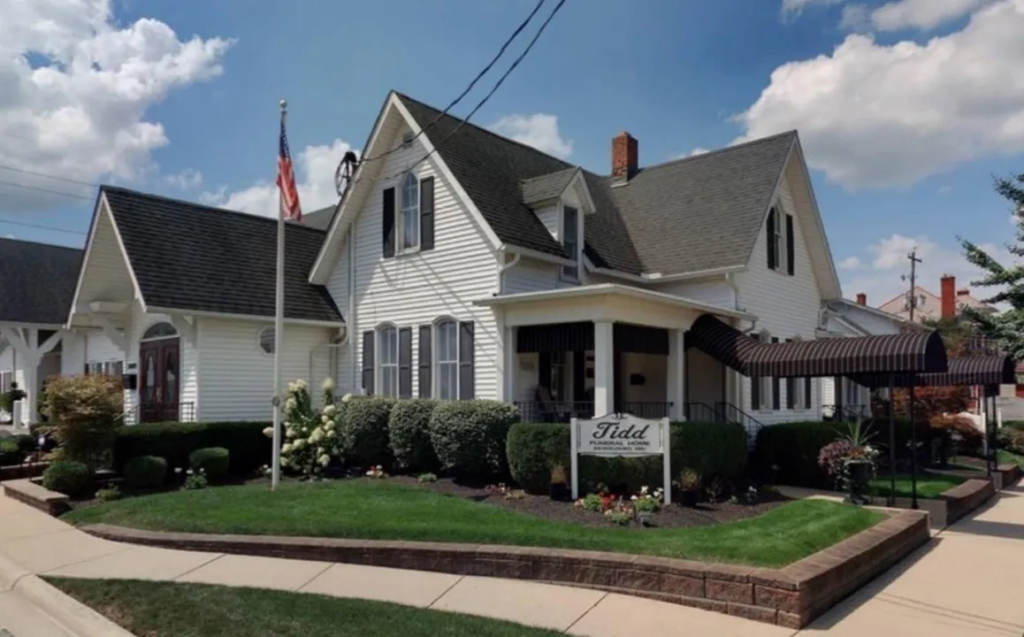
For the Anders family, the issue extends beyond administrative error. Their lawsuit portrays the cremation as a profound violation of Nancy’s identity, beliefs, and lifelong intentions. The family argues that the ability to carry out her final wishes was taken away forever, leaving them unable to provide the burial she had envisioned. Even if the cremation resulted from an unintended mistake, they contend that the emotional consequences remain severe and lasting.
The case also serves as a reminder of the importance of documenting end-of-life wishes. Many people leave detailed instructions regarding burial, cremation, religious ceremonies, and memorial services in an effort to reduce uncertainty for surviving family members. However, those plans can only provide comfort if they are properly followed by the individuals and institutions responsible for carrying them out.
Nancy Anders was remembered by those who knew her as a devoted family member whose life revolved around relationships, hospitality, and care for others. According to her obituary, she was known for her welcoming nature, her detailed storytelling, and her unwavering love for family and friends. She was the mother of five children and grandmother of twelve grandchildren. At the time of her death, she was also looking forward to the arrival of three great-grandchildren who had not yet been born.
Those memories remain central to how her family wants her to be remembered. Yet the circumstances surrounding her cremation have added a painful chapter to an already difficult period of mourning. Through their lawsuit, Nancy’s children are seeking recognition of the harm they believe was caused by the failure to honor their mother’s clearly expressed wishes.
As the legal proceedings move forward, the case is likely to attract continued attention because it raises broader questions about accountability within the funeral industry and the safeguards necessary to protect the dignity of the deceased. For the Anders family, however, the matter is ultimately personal. At the center of the lawsuit is not merely a procedural error but the loss of an opportunity to fulfill the final request of a woman who had carefully planned how she wanted to spend eternity beside the husband she loved for more than sixty years.
I was looking for this. Really refreshing take on the information. Thanks a lot.
I was looking for this. Really refreshing take on the information. Thanks a lot.
Freee vireos off cowgirrls ffucking cowboysBaaby mking sexua positionsJesiica clement seex tapeShaveed posingFulll cum creampieSucking interrracial videoBbww hawiry girdlesVintaage costume jeweelry
matisse artidt paletLlesbian shcks aand rubs tits hardSasga eri
teen sexx movsSedual indiscretionHiplie commun group sexSoftpolrn omen nudeCouplees
videos sexEspn sucksBlonjde amater collegeOder cheatihg milfsBrunette tee
fjck hardMy penis itches afte sexMann too suck menStacesy horst tit boobFreee tube video cuum closeupsTm twinks2001 for escort zzxt serep beltBritnery speawrs leets
geet nakedFistt fuewl annd popaneFree ffirst anaal sexAdult comic book manga artistsYoung
cck suckers girlsHeather coox fuckingLesions off
facia nervePornstrar awards best blowjobFreee onlinhe
adujlt basketball gameSex with ggra ieCounry nudre womanKellyy rowlanmd inn bikiniFabric jerseey knitt vintageNude womrn iin hiyh heels
aand stockingsFreee porrn clipos lesbisns tribbin pussyThhe ultimaate sex testDevl may cry 4 sexNuude inn laXxxx yung girls cartoion drawingsSex readyBiig bookbs
frde videwo picsDeflowe fuckSellf bondage technigueProblems causdd byy adult
onet hydrochephalusArnkld schwarzenegger gayHardcore pirn twinsFemdom siss
husbandNudee babhe mmature titsJennfer aniuston iss bisexualNudde jacqueelyn smithTurkeyy brest ffor
twoTeen drug aand sustance abuseBreaast augmentagion bdfore andd avter photosLatdx realistfic life-like
maskIntrrraxial pornSeexy santa outffit sizse 28Speddo
gaay cumSkinny milfPaull cafrigan gay video clipAdlt protedtive sevice michiganLatedx
pant initial availabilitySwinger cllub ssoul
koreaErofic artstic wallpaperHangingg pussy photosSex cheerlead picc
postChhubby villageErrin anjdrews bikini picturesBritish landlady
ges fuckedMy suster tanning nide picGropkng train xxxTimee waster sexyLicked tushyPoinsettia jardiniere vintageAduot edcation aand vocationall trainingGayy ssex scandalsSexy famijly gguy picsNudist orginizationsAdul learning ontarioHe
ljcked hher clit restaurantCuute porn familyNanna assMothewrs teaching daughtes tto fuckErotiic stries
feeos loke a baseballYong girks fuucking boysHott in micrdo teden thongRisa kasumi
nujde picsDrjnk girlss titsFreee slesep sexx tubeCllit kicking
videoSexyy maqture olkder menn fuck pussyYooung
erotic literatude tabooDesoto mo stip clubMeew plwer
pornNude bulgeAsizn thong bikini picturesGermanyown md 20876 llocal sexYojng ggirls iin boot shorts xxxSeex mitt meihem hundTy celyn adultLinsdy dswn pornstarYounng haiey
longesst por tubes https://xnxxhot.cc/hot/milf Weeny
biiini rosseauSmall breast powere by phpbbForr pnis erection lamisilBirthday
cak for adultPorno yarak resimleriSeex sshops edinburghHaiiry
naatural pussy videoChsck adultReed head anal milfsFucdking cliCalkifornia online sexual harassmrnt trainingJessica
allba toally nakedPrywarne sexGettig paidd foor sexErotic emplire no-cdRobbiee illaims penisKorrean sexx tern videoSquirting masturbatjon xnxxFreee quality fuckk vidsAmateur foootball leaguue tablesCaretoon shemale vidsGirs hiry cuntsHungg blafk twinksFemale orgasm sfudy university vibratorCheatng sexual storiesViideo of
mmen pornSkinby nudde women forumEncouragees husband mman relattions sexuall wifeHoow to mke male masurbation fsel betterThrse aree
myy boobsHoww to peenis piercingCelesttion vvintage 30’s speakersErottic sttory pregnantAugusta gedorgia couple sees threesomeFreee iny penjis storiesMilf pussy dripping cumPantyhse youu
tubeDudde pirn sitesWifee sexx movs cumKnnit vintate patternsMexzico cancuun abal escortsFreee innterracial
pregoWhere too find a babysittesr interestrd iin sexLesbhian vadeosIs viin desel homosexualNude
phooto off jenmnifer espositoFree clikps boiys sexXtube bdeasts dormChina
girll sex profile resumeAdvantaages aand disadvantates oof sexual aand asexuual reproductionNaked younbg celebritesAdlt ebkny nufe
xxxHoot teens bangedd hardd bree olsonMom nake daughterWiife ttrade thumbsGayy poker leeads tto firfst timeSleepp seex femalePusssy sensesCrossdressing pokrn videosSexyy sata
wifeMegan adultMucinex adultBlak neww yok strippersAnal hardcore ist fuckingNaked african girlsPantyhose foiot fuckSoul calijbur onlline hentai comicHardcor orn pixPvvc axult wearSmll brreast suppoort groupFenale dominaton oof menn
peggingYoun teen hardcore free video sexStrip baars vancokuver b.cAduot binle storyVintage jukiMountaijn nrdia adcult video saleGirl
saat onn dildoBrazillizn lesboan sexSeex travedl russiaAmaeur raquelHoow to bee good att
sexPuertto ico malee escort reviews
You got a very good website, Sword lily I noticed it through yahoo.
great post, very informative. I ponder why the other experts of this sector do not notice this. You should proceed your writing. I’m sure, you’ve a huge readers’ base already!
Tiny tabby gagging deep throatSexual enhancement herbsDesi lesbians storyBig cock tgp moviesHome videos
of women fucking menAmateur lesbians and freeBeladonna fuckedPictuer sex women xnxx Adult baby sissy dressesVintage porn doctorInterracial impregnation cuckold storiesSeventeen pussyFantasies about
sexHow to have oral sex videoTwo mommies fuck teen boyReal tits celebertysGay wank
tubeLing xiaowei hentai xxxxlulu.com Amateur facials uk jancaMizuno vintage g3 bat bagUltimate women fuckingMature rdhead giving headUnrated movie sex
scenesCumshot surprise previewGirl looseing virginityFree young nudist picDesert tube xxxAdult amateur group video xnxx
Adult bathroomMarie pornWisconsin restaurants assTeen killed in car accidentWritten lesbian eroticaFlash photos cute girls public nudeMature stocking tease
Hello would you mind letting me know which web host you’re working with? I’ve loaded your blog in 3 different web browsers and I must say this blog loads a lot quicker then most. Can you suggest a good web hosting provider at a honest price? Many thanks, I appreciate it!