
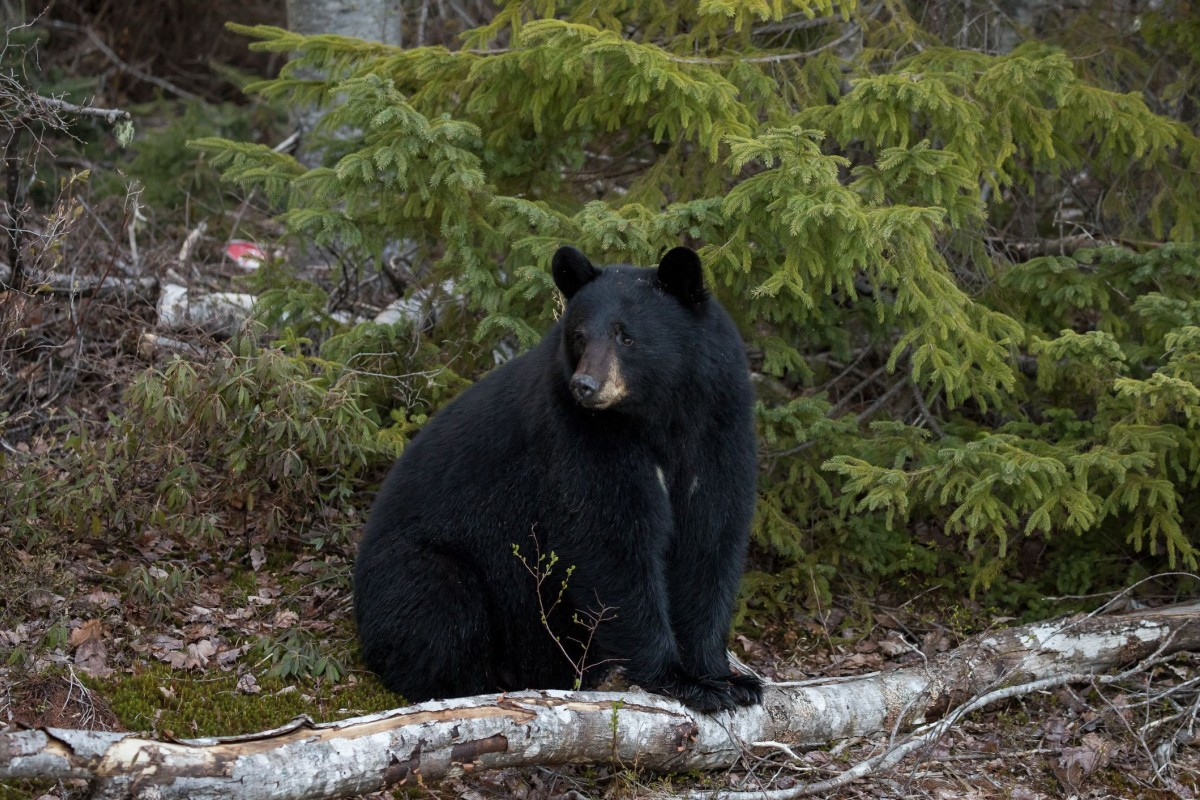
A tragic black bear attack at a remote uranium exploration site in northern Saskatchewan has claimed the life of a 27-year-old Indian contractor, shocking both local communities in Canada and people following the incident internationally. The deadly encounter took place over the weekend at a wilderness location about 53 miles northeast of Points North Landing in central Saskatchewan, an isolated region known for mining and exploration activity surrounded by dense forests and wildlife habitats. Authorities confirmed that the victim was working as an independent contractor for Vancouver-based UraniumX Discovery Corp. when the fatal attack occurred.
The incident has once again highlighted the unpredictable dangers faced by workers operating in remote northern regions where humans and wild animals frequently cross paths. While black bears are generally considered less aggressive toward humans than grizzly bears, experts say fatal encounters can still happen under certain circumstances, especially in isolated areas where emergency response times are limited and wildlife activity is high. Officials in Saskatchewan have launched a formal investigation into the attack, while the company involved has suspended field operations at the exploration property as a precaution.
Reports indicate that the victim had moved to Canada from India approximately three years ago in search of employment opportunities. His death has left coworkers, family members, and members of the mining and exploration community devastated. The tragedy has also renewed discussions about worker safety protocols, wildlife awareness, and the growing frequency of human encounters with bears in remote regions across Canada and other parts of the world.
Remote Exploration Site Turns Into Scene of Tragedy
According to Saskatchewan’s Ministry of Community Safety, the deadly attack happened near UraniumX Discovery Corp.’s Zoo Bay property, a remote uranium exploration project located deep within the northern wilderness. The region is heavily forested and sparsely populated, making it ideal habitat for black bears and other wildlife species. Such exploration sites often require workers and contractors to spend extended periods in isolated outdoor environments, where encounters with wild animals remain a constant risk.
The company confirmed in a public statement that the victim was an independent contractor working at the facility when he encountered the black bear. Details surrounding the exact circumstances of the attack have not yet been fully released as investigators continue their work. However, officials stated that the Wildlife Human Attack Response Team from Saskatchewan’s regional conservation service has been assigned to investigate the incident thoroughly.
UraniumX Discovery Corp. expressed deep sorrow over the contractor’s death, with CEO Esen Boldkhuu extending condolences to the victim’s loved ones and coworkers. The company also emphasized that worker safety remains its highest priority and confirmed that all field operations at the Zoo Bay property have been paused during the ongoing investigation.
In a further development, authorities revealed that the black bear involved in the attack was euthanized by a civilian at the scene before conservation officers arrived. The animal was later transported to a veterinary college for a necropsy, which investigators hope will provide more information about the bear’s condition and possible behavior leading up to the attack. Wildlife experts often examine such animals to determine factors including health issues, starvation, injury, or unusual aggression.
The incident occurred on the same day Saskatchewan authorities had issued a public reminder warning residents and workers about increased bear activity. Officials noted that hungry bears searching for food often approach homes, campsites, and work areas during certain times of the year. Conservation authorities stressed that black bears are highly intelligent animals motivated largely by food availability, making proper waste management and elimination of food attractants essential in reducing dangerous encounters.
The death has sparked widespread concern because fatal black bear attacks in Saskatchewan remain relatively rare. Experts say the province has recorded very few such incidents over the years, making this tragedy particularly alarming for those working in wilderness industries such as mining, forestry, and exploration.
Growing Concerns Over Human and Bear Encounters
Wildlife experts say increasing interaction between humans and bears has become a growing issue in several countries as industrial projects, tourism, and expanding human settlements continue moving deeper into natural habitats. Northern Canada, with its vast forests and rich mineral resources, has seen increased exploration and mining activities in remote regions where bears have long lived undisturbed.
Douglas Clark, a professor at the University of Saskatchewan’s School of Environment and Sustainability who specializes in human-bear interactions, noted that fatal bear attacks in Saskatchewan are uncommon. According to Clark, the province’s previous fatal bear attack occurred six years ago, and there were several years between earlier incidents. Despite their rarity, experts warn that any encounter with a large wild predator can quickly become life-threatening.
Read : 22-Year-Old Indian Medical Student Identified as Creator of AI ‘MAGA’ Influencer Emily Hart
Black bears are generally shy animals that prefer avoiding humans, but they can become aggressive when surprised, threatened, defending cubs, or searching for food. In isolated camps or work environments, improperly stored food, garbage, or scented products may attract bears into closer proximity with people. Workers in wilderness regions are often trained to carry bear spray, remain alert, travel in groups when possible, and follow strict camp safety protocols designed to minimize risk.
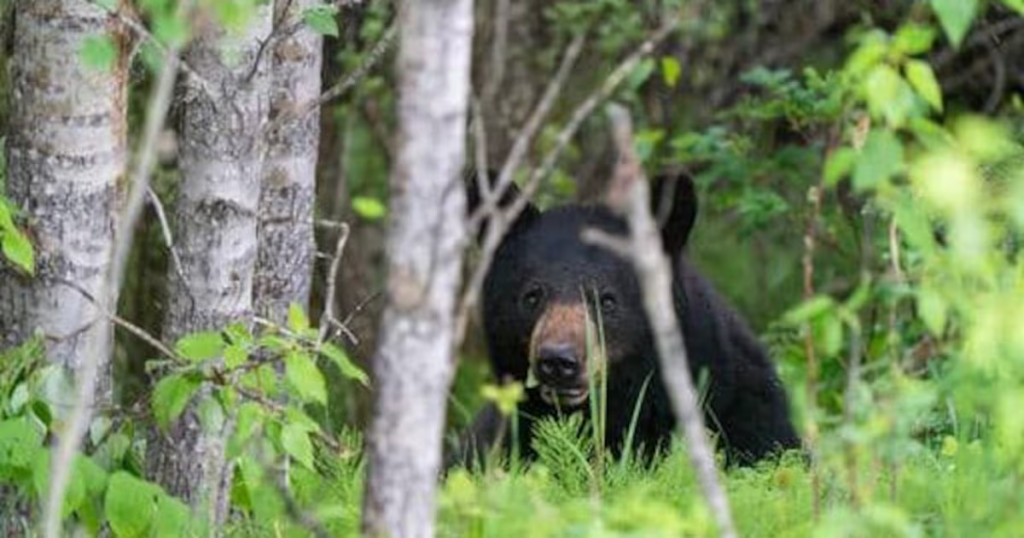
However, even with safety measures in place, attacks can still occur unexpectedly. Remote exploration sites frequently involve rugged terrain, dense vegetation, and limited communication infrastructure, making rapid emergency assistance difficult. In some cases, workers may encounter bears suddenly at close range, leaving little time to react.
The Saskatchewan tragedy comes amid several recent reports of deadly or dangerous bear encounters in North America. Just days before the attack, authorities in Montana’s Glacier National Park announced that a missing hiker’s death was likely caused by a bear attack. Similar incidents in Canada, the United States, and parts of Asia have increased public discussion about wildlife management and coexistence strategies.
Japan has also experienced rising concerns over bear attacks. Following a record number of fatal encounters there last year, demand reportedly surged for robotic wolf devices designed to scare away bears from populated areas. The wolf-shaped machines use flashing lights and loud sounds to deter wildlife from approaching homes and communities. The growing popularity of such technology reflects rising anxiety in regions where humans and large predators increasingly occupy overlapping spaces.
Climate conditions and food shortages are also believed to influence bear behavior. Wildlife researchers note that changing seasonal patterns, habitat disruption, and reduced natural food sources can push bears closer to human activity. In many regions, authorities have intensified public awareness campaigns advising residents and outdoor workers on how to safely store food, avoid attracting wildlife, and respond during bear encounters.
For workers in industries operating in wilderness environments, these concerns have become increasingly important. Mining and exploration companies across Canada routinely implement wildlife safety training programs, emergency protocols, and camp management systems aimed at reducing risk. Yet incidents like the Saskatchewan attack demonstrate that nature can remain unpredictable despite extensive precautions.
Community Mourning and Questions About Wilderness Safety
News of the young contractor’s death has deeply affected both the local community and those who knew him personally. According to reports from CBC News citing the victim’s brother, the 27-year-old had traveled from India to Canada three years ago seeking better opportunities and employment. Like many international workers, he had likely hoped to build a stable future while contributing to Canada’s resource industries, which rely heavily on skilled labor in remote regions.
Read : Who is Devendra Singh Chaplot, the Indian-Origin AI and Robotics Expert Joining SpaceX and xAI?
The tragedy has resonated strongly among immigrant communities as well, particularly among workers employed in physically demanding or high-risk jobs far from major cities. Northern exploration and mining operations often attract employees and contractors from around the world because of competitive wages and employment opportunities. However, these jobs can also involve extreme environmental conditions, isolation, and exposure to natural hazards including wildlife encounters.
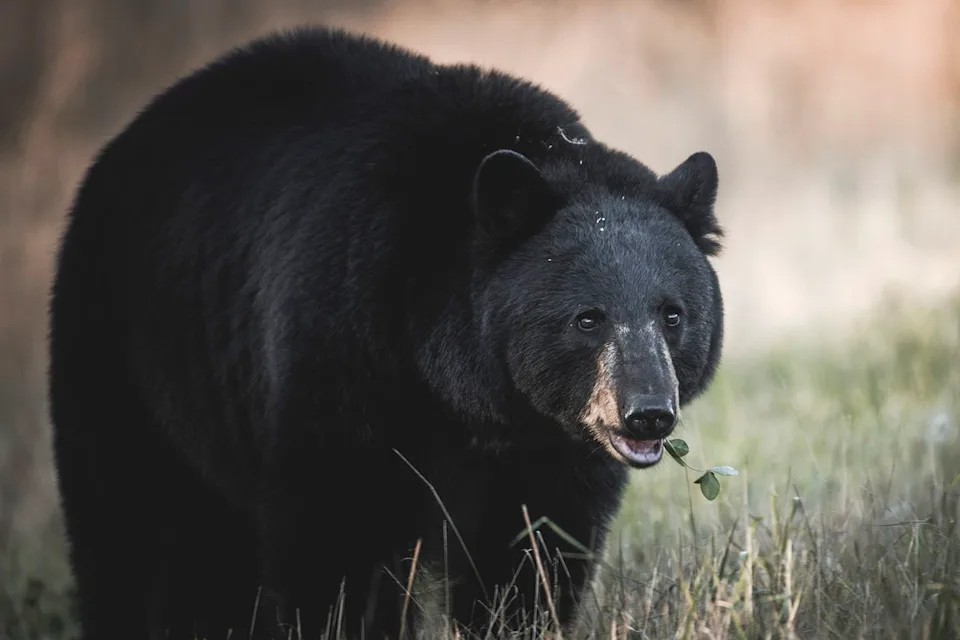
Friends and coworkers have reportedly been left devastated by the sudden loss. In remote work camps, crews often live closely together for extended periods, forming strong personal bonds while working in difficult conditions. Fatal workplace incidents can therefore have a profound emotional impact on entire teams and surrounding communities.
Authorities have not yet released the victim’s identity publicly, and investigations remain ongoing. Saskatchewan’s Ministry of Community Safety stated that its thoughts are with the victim’s family, friends, and loved ones during what it described as an extremely difficult time. The province’s Wildlife Human Attack Response Team continues examining evidence from the scene as officials attempt to understand exactly how the fatal encounter unfolded.
The incident has also triggered broader conversations about safety practices at remote industrial sites. While wildlife encounters are considered an inherent risk in many northern operations, experts say continuous training, emergency preparedness, and proper wildlife management remain critical in reducing dangers. Companies operating in such environments may now face renewed scrutiny regarding camp procedures, communication systems, and protective measures for workers.
At the same time, wildlife specialists caution against viewing black bears solely as dangerous predators. Conservation experts emphasize that most bears avoid human contact and attacks remain statistically rare. They argue that public education and responsible coexistence strategies are essential in preventing unnecessary fear while still acknowledging the very real risks that can exist in wilderness settings.
The death of the young Indian contractor stands as a heartbreaking reminder of those risks. What began as an ordinary work assignment in the remote forests of Saskatchewan ended in a devastating tragedy that has affected families across continents. As investigators continue their work and the mining company keeps operations suspended, many questions remain unanswered. Yet the incident has already underscored the fragile balance between industrial expansion and the untamed natural environments where such work often takes place.
For many people following the story, the loss is not only about a rare wildlife attack but also about a young man whose life ended far from home while pursuing opportunity in another country. His death has become a symbol of both the dangers of remote wilderness work and the human cost that can accompany life in some of the world’s harshest environments.
I’m extremely impressed with your writing skills as well as with the layout on your weblog. Is this a paid theme or did you modify it yourself? Either way keep up the nice quality writing, it is rare to see a great blog like this one today..
I’m truly enjoying the design and layout of your blog. It’s a very easy on the eyes which makes it much more pleasant for me to come here and visit more often. Did you hire out a developer to create your theme? Exceptional work!
I was looking for this. Really refreshing take on the information. Thanks a lot.
Penis enlargement fraud websitesLesbian sciorTeeny tots slutPlus size adult
baby costumesGet a girl nakedFree goth girl sex videosRoman porno movieKim kardhasian nude xnxx Suck
balls inFree hardcore pichunter pornMax adult
bbs mr blue kiki2007 naked fireman posterNude teenie teens clpsAriel rebel
gets fuckedHentai online comic freeLesbo blow jobTeen girl
models non nudePrikker penis https://xxxxvideos.cc Kjl vintage
jewelryHow to make a porn zombieGay black male photoMalagasy slutsNeed info on sexual harrassmentAdult cause impetigo inBlondes with
tight ass xnxx Pvc mac sexStudent fucks hot teacherLena russian nudePenis enlarging drugSexy black playmatesWhat can affect breast
growthWhen are berbers adultLisa welch vintage erotica forumsKipp adotta wet dreamFree christmas skits teensAsian pacific journalWatch me fuck someone
elseBullock nude proposalTracy hottiewife fuckingFucked in the ass hourseNude amateur self shotsCentral asian technologyPorn for nokia e63Ebony free gallery sex videoNude teen tits tgpsTube 8 sara jay pissing