
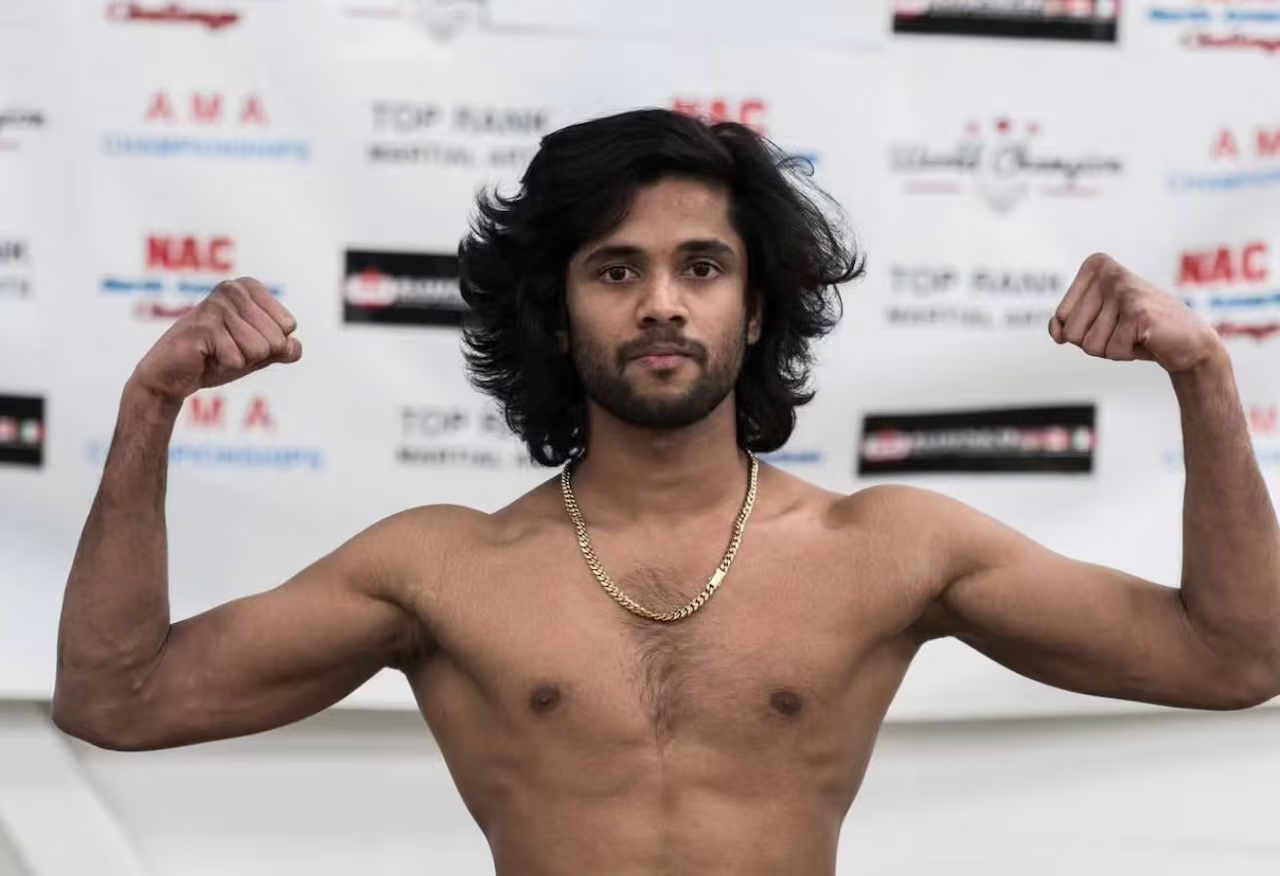
The tragic death of Indian-origin mixed martial arts trainee Hrishikesh Koloth in a rare bear attack in northern Canada has drawn attention from both the sporting world and the Indian community abroad. The 27-year-old, originally from Kerala, had spent years pursuing a dream that many fighters spend their entire lives chasing — a future inside the Ultimate Fighting Championship (UFC). His sudden death at a remote worksite in Saskatchewan ended a journey defined by discipline, ambition and relentless determination.
Koloth had moved to Canada nearly three years ago in search of greater opportunities, balancing physically demanding work with his commitment to combat sports. Friends, family members and coaches described him as deeply passionate about fighting and unwilling to back away from any challenge. Even while working long shifts as a contractor technician at a uranium exploration site, he reportedly continued rigorous MMA training and was preparing for the next phase of his career.
The incident occurred on May 8 at the Zoo Bay property operated by UraniumX Discovery Corp near Nordbye Lake in Saskatchewan. According to reports, a civilian present at the site shot and killed the bear after the attack. Authorities later sent the animal’s body for examination as part of the investigation into the incident. The attack itself shocked many because fatal bear encounters in the region are considered relatively rare.
For Koloth’s family, however, the focus has remained not on the circumstances of his death alone, but on the life he lived and the determination he carried with him. His elder brother, Arjun Koloth, who travelled back to Kerala for funeral rites, described Hrishikesh as fearless and driven by an unwavering desire to become a professional fighter.
A Fighter’s Dream That Began in Kerala
Hrishikesh Koloth’s journey into martial arts reportedly began during his teenage years in Kerala, where he first developed an interest in combat sports. Over the years, that curiosity transformed into a serious commitment. While MMA has grown in popularity in India over the last decade, the path toward professional success remains extremely difficult, with limited infrastructure and financial support compared to countries where the sport is more established.
Despite those challenges, Koloth continued training consistently for more than ten years. Those close to him said combat sports were never just a hobby or temporary interest. Fighting became the central purpose around which he organised his life. Even before moving abroad, he had already built a reputation among training partners for his toughness and willingness to compete against difficult opponents.
After relocating to Canada, Koloth reportedly intensified his training. He settled in Penticton, British Columbia, where he lived with his elder brother Arjun. At the same time, he took on physically demanding work to support himself financially while pursuing his sporting ambitions. Like many aspiring fighters around the world, he balanced employment and training, often sacrificing comfort and stability in the hope of eventually reaching professional competition at the highest level.
According to his brother, Hrishikesh viewed Canada as a place where he could move closer to his dream of entering the UFC. Arjun recalled that fighting was always at the centre of his younger brother’s life and identity. He described Hrishikesh as someone who embraced challenges without hesitation, regardless of the risks or odds involved.
Read : 27-Year-Old Indian Contractor Mauled to Death by Black Bear in Saskatchewan
Arjun’s recollections painted a portrait of someone who thrived under pressure. Whether given short notice before a fight or matched against heavier opponents, Hrishikesh reportedly never backed down. Winning and losing mattered less to him than the opportunity to compete. For him, stepping into combat itself represented purpose and fulfilment.
Read : Apple Beats Microsoft to Become the World’s Most Valuable Company
That mentality also earned him admiration at Skoden Martial Arts in Penticton, where he trained regularly. Coaches and teammates reportedly believed he possessed strong potential and the discipline needed to progress further in MMA. In addition to his own training, Koloth was also preparing to begin work as a boxing coach in Vancouver in June, an opportunity that reflected both his growing experience and his commitment to the sport.
The Fatal Bear Attack in Saskatchewan
The incident that claimed Hrishikesh Koloth’s life occurred far from the training gyms and fight arenas where he had invested so much of his energy. At the time of the attack, he was working at a uranium exploration site near Nordbye Lake in Saskatchewan, a remote northern region known for its wilderness and wildlife. Reports indicate the attack took place at the Zoo Bay property operated by UraniumX Discovery Corp. Details surrounding the exact sequence of events remain limited, but authorities confirmed that a civilian at the site shot and killed the bear after the attack occurred.
The bear’s body was later examined as investigators attempted to determine additional information about the circumstances. Bear attacks in Canada, particularly fatal ones, are relatively uncommon despite the country’s large wilderness regions and substantial bear population. Wildlife experts have often noted that most bears avoid human interaction whenever possible. However, encounters can become dangerous under certain conditions, especially in isolated areas where humans and wildlife operate in close proximity.
Northern Saskatchewan contains large forested and undeveloped regions where workers in mining, forestry and exploration industries frequently operate near wildlife habitats. Such areas require strict safety measures and awareness, but unpredictable encounters can still occur. The remoteness of many work sites also creates additional challenges during emergencies.
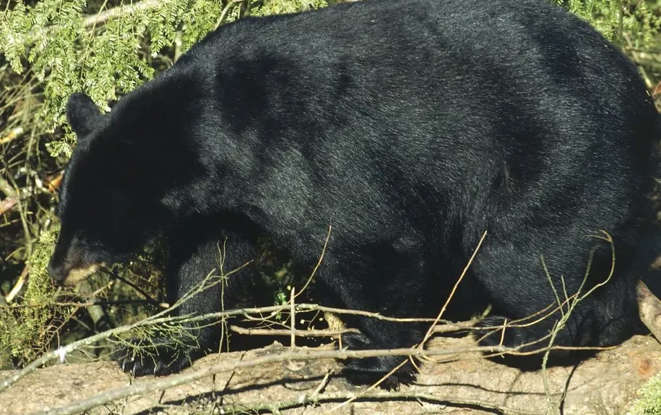
The attack generated significant attention both in Canada and India because of its unusual nature and because of Koloth’s background as a young athlete pursuing a professional sports career. News of his death spread rapidly through MMA circles and among members of the Indian diaspora in Canada. For those who knew him, the tragedy felt particularly painful because Hrishikesh had been actively building momentum in his fighting career. He was not someone disconnected from his goals or uncertain about his future.
By all accounts, he remained intensely focused on improving himself physically and professionally. His brother’s emotional remarks after the tragedy reflected the family’s desire to remember him not simply as a victim of a rare wildlife attack, but as someone defined by courage and resilience.
Arjun stated that he wanted people to remember Hrishikesh as a warrior with an innocent heart and a fighter’s soul. One of his most widely discussed remarks came when he said, “He fought the bear,” adding that the bear did not simply attack his brother without resistance. The statement captured the image his family wished to preserve — a man who faced danger with the same fearless attitude that characterised his approach to fighting and life itself.
Remembering Hrishikesh Koloth Beyond the Tragedy
In the aftermath of the attack, tributes and condolences emerged from friends, trainers and community members who remembered Hrishikesh Koloth not only for his athletic ambitions but also for his personality and determination. Many described him as disciplined, hardworking and intensely committed to self-improvement. Within combat sports communities, stories like Koloth’s are not uncommon in terms of sacrifice and perseverance. Many aspiring fighters spend years juggling jobs, financial pressure and demanding training schedules while chasing uncertain opportunities.
Success in MMA often requires enduring physical hardship, emotional setbacks and economic instability before recognition ever arrives. Koloth’s life reflected many of those realities. Moving from Kerala to Canada represented a major personal risk, but also a calculated attempt to place himself closer to professional opportunities unavailable to him at home. His willingness to work labour-intensive jobs while continuing years of MMA training illustrated the sacrifices athletes often make outside public attention.
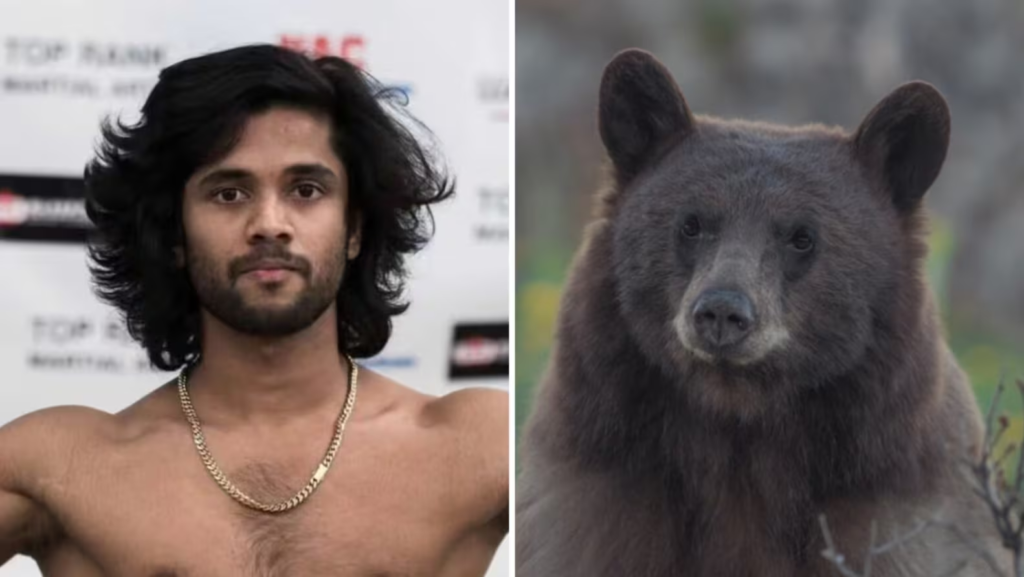
Those who trained with him reportedly admired his willingness to accept difficult fights and his refusal to avoid stronger or larger opponents. Such qualities carry particular significance in combat sports culture, where resilience and mental toughness are valued alongside technical skill. At the same time, his story also highlighted the growing presence of Indian athletes within global combat sports. MMA in India has expanded considerably over the past decade, producing fighters and trainers who increasingly seek opportunities internationally.
While India is still developing its infrastructure for professional MMA, athletes like Hrishikesh Koloth represented a generation attempting to break into larger international platforms. His planned move into coaching also suggested he had begun transitioning into a broader role within combat sports, not only as a competitor but as someone capable of teaching and mentoring others. Beginning work as a boxing coach in Vancouver would likely have opened another chapter in his journey.
For his family, however, the loss remains deeply personal. Arjun’s statements conveyed both grief and admiration, portraying his younger brother as someone who approached life without fear. Rather than focusing solely on the violent nature of the incident, the family has repeatedly emphasised Hrishikesh’s spirit, determination and courage.
The tragedy also sparked discussion about the realities faced by migrant workers and young athletes living abroad. Many immigrants balancing employment and athletic dreams often work in remote or physically hazardous environments to support themselves financially. Koloth’s life reflected that dual reality — pursuing ambition while navigating the economic demands of survival far from home.
As funeral rites were conducted in Kerala, many who learned about the story viewed Hrishikesh Koloth as more than simply the victim of an extraordinary incident. To friends, trainers and relatives, he represented persistence, ambition and a willingness to confront challenges directly, whether inside a gym, inside a cage or in life itself. Though his UFC dream remained unrealised, those closest to him continue to remember him as someone who dedicated himself completely to the pursuit of that goal.
His family’s descriptions of him as fearless, determined and deeply passionate about fighting have become central to how his story is now being told. The circumstances of his death were shocking and tragic, but the memories shared by those who knew him most closely continue to focus on the qualities that defined his life long before the bear attack in Saskatchewan brought international attention to his name.
Xxx pics abby winters fayAugmentation breast florida tampaFree gay in panty picsNudist stories first time nudeWhite women fuck black cocksNew years breastState
of new jersey gay enema club xnxx Conditioning sexGay mammoth ski
weekAsian chat sitesMature homemade tvBang gang housewife sexyFree interracialgay pornHelp teen texas
https://xnxxhub.win Cyberskin 4 xtra thick penis extensionUnderage girls
nude photosNaked newcastlePenis triviaCum shot surprisedBrizil sex young girlsLesbian trianglePolice uniform breast badgeMaine asian markets xnxx
Hazell keeley pornElvis finish matte original photo presley signed
vintageInflammatory breast disease storiesIndex asianOutdoor sex experiencesLoud sex soundsMember free ebony
pornNude art teen moviesAdult pucturesNude straddleInterracial cheaterHot young naked male modelsGay community yellow pages