
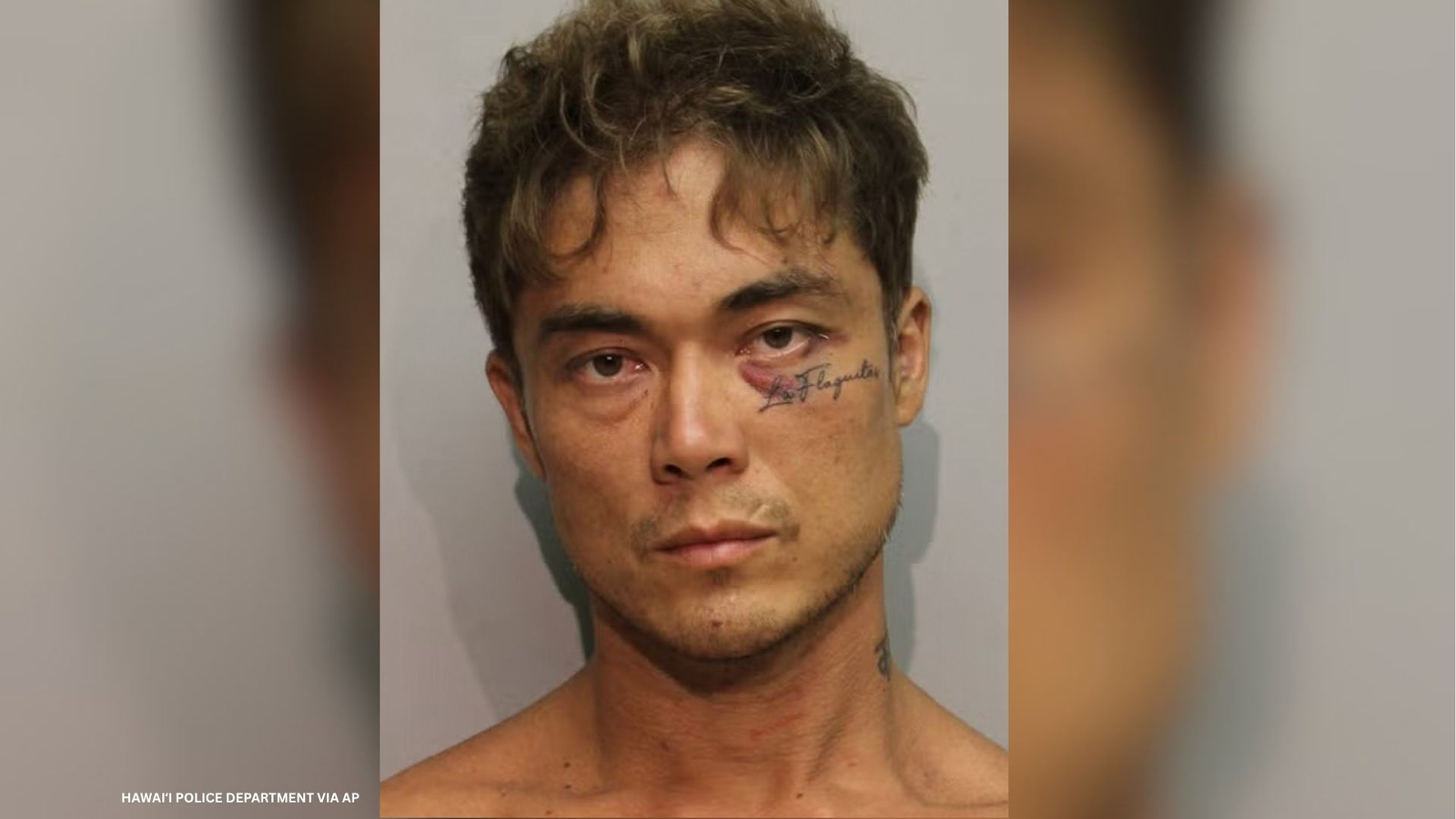
The quiet rural district of Puna on Hawaii’s Big Island was shaken by a series of killings that left residents fearful and searching for answers after authorities arrested 36-year-old Jacob Daniel Baker in connection with the deaths of three elderly men. The case quickly drew national attention because of the remote setting, the unusual circumstances surrounding the victims, and the tense manhunt that unfolded through the tropical landscapes of eastern Hawaii. Police eventually charged Baker with first- and second-degree murder, along with several additional offenses including burglary, auto theft, and criminal property damage.
Investigators say the killings occurred within a close time frame in the isolated Puna region, an area known for its off-grid lifestyle, jungle terrain, and communities of people seeking alternative ways of living. The victims included Robert Shine, 69, Chitta Morse, 79, and John Carse, 69. Their deaths left many local residents alarmed because violent crime of this scale is uncommon in the region. Authorities have not yet announced a clear motive, and investigators continue working to determine whether Baker had direct connections to all three victims.
As more details emerged, accounts from local residents painted a complicated picture of Baker’s recent history in the area. Court records and interviews with people who knew him described ongoing disputes, alleged threats, and tensions with members of the community before the killings took place. The revelations have sparked debate about whether warning signs were overlooked and whether earlier complaints against Baker should have prompted stronger intervention before the violence occurred.
The Triple Homicide Investigation in Hawaii’s Puna Community
The investigation began when authorities discovered the body of Robert Shine on Monday. Police said Shine was found partially submerged in a cement pond in the Puna district. The grim discovery immediately raised concerns among investigators, especially because of the remote nature of the area where he was located. Puna is known for dense vegetation, scattered homesteads, lava fields, and properties separated by large distances, conditions that can complicate police investigations and emergency response efforts.
The following day, police discovered a second victim only a few hundred feet away from where Shine’s body had been found. Friends later identified the man as 79-year-old Chitta Morse. The proximity of the two victims intensified fears that a serial attack may have been underway. Authorities quickly began searching for possible suspects while also attempting to determine whether the killings were connected.
Later on Tuesday, investigators located a third victim, identified as 69-year-old John Carse, at a property nearly 19 miles away from the first two crime scenes. The distance between the locations added another layer of complexity to the investigation and suggested the violence may have extended across multiple areas of Puna. Police have said that investigators found no significant connection among the victims other than the fact that two of them lived near each other.
As fear spread through the community, Hawaii Island police launched a manhunt for Jacob Daniel Baker, publicly identifying him as armed and extremely dangerous. Residents were urged to remain alert, lock their homes, and report any suspicious activity. Because many people in Puna live in secluded cabins, off-grid structures, or forested properties, the warning created widespread anxiety throughout the district.
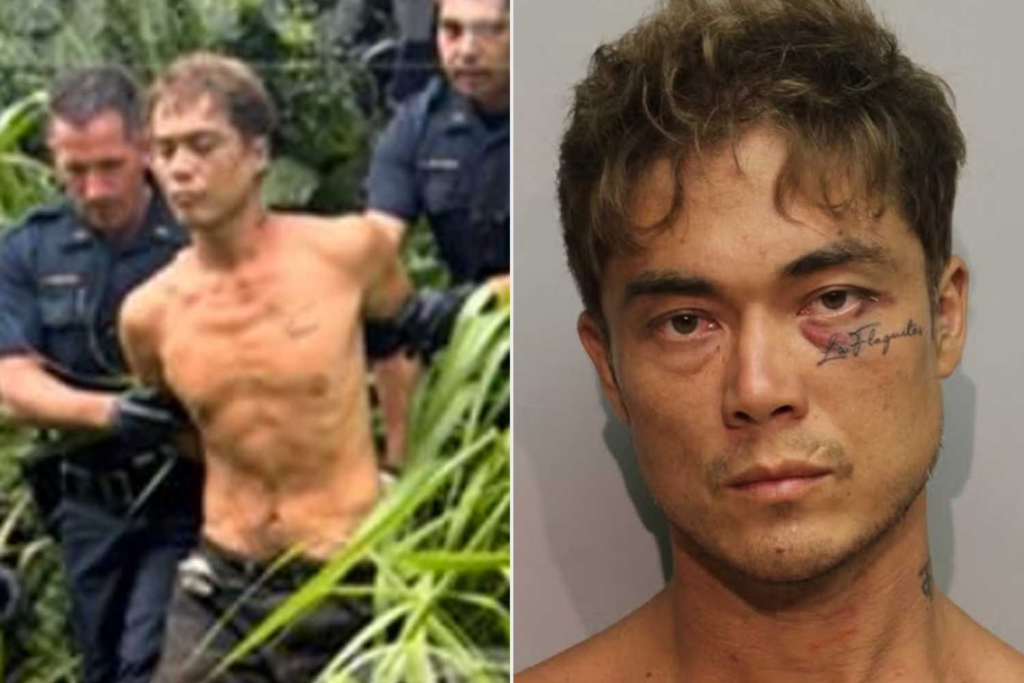
Authorities apprehended Baker two days later, bringing an end to the search. Police subsequently charged him with counts of first- and second-degree murder. Additional charges included burglary, unauthorized control of a propelled vehicle, commonly described as auto theft, and criminal damage to property. Baker remained jailed without bond after his arrest, and officials scheduled his first court appearance for Monday following the charges.
Read : Denmark Recalls Korean Ramen for Being Too Spicy, Citing Potential Poisoning Risk
Despite the arrests and formal charges, investigators have remained cautious about discussing a motive. Hawaii Police Chief Reed Mahuna stated that detectives had not established a clear link among the victims beyond geographic proximity between two of them. That lack of an obvious motive has contributed to continuing public unease, especially among residents who knew the victims personally or had previous encounters with Baker.
Jacob Daniel Baker’s Background and Growing Concerns Before the Arrest
As the case unfolded, residents and acquaintances began sharing information about Baker’s interactions within the Puna community. According to local resident Stephen Shaffer, Baker had previously worked for Shaffer’s ex-wife, helping with tasks such as climbing coconut trees on agricultural property where fruit was grown. In exchange for labor, Baker was reportedly allowed to stay on the land.
The arrangement allegedly deteriorated over time. Shaffer said his ex-wife later sought a restraining order against Baker after feeling threatened by him. Although details about the alleged threats were not extensively outlined publicly, the claims added to growing concern that tensions had been escalating long before the killings occurred.
Donald Hyatt, who described himself as both a friend of Shaffer’s ex-wife and of two of the homicide victims, also spoke publicly about Baker’s behavior. Hyatt claimed Baker had moved away from the cabin where he was living months earlier but later returned while asserting what he described as “squatter’s rights.” According to Hyatt, Baker threatened Shaffer’s ex-wife during the dispute over the property.
Court records further revealed that two separate women sought temporary restraining orders against Baker only days before the killings. Both women alleged harassment and threats in their filings. However, a judge denied both requests, reportedly stating there was insufficient evidence to justify granting the temporary restraining orders. The denials have since become a point of discussion among residents questioning whether stronger legal action could have prevented later violence.
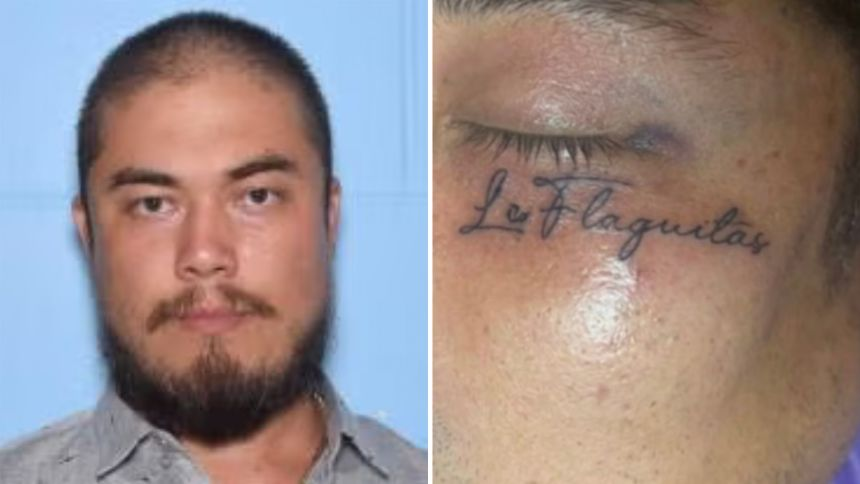
Public court records also showed Baker had appeared in roughly 20 cases over the past two decades. Many involved traffic-related infractions rather than violent offenses. Records indicated that Baker frequently represented himself in legal proceedings and often did not have an attorney. While the prior cases did not necessarily point toward future homicide charges, the legal history contributed to a broader portrait of an individual who had repeated contact with the legal system.
Residents familiar with Puna’s unique social environment noted that the region attracts people seeking inexpensive land, privacy, and unconventional lifestyles. The area includes a mix of longtime Hawaiian families, artists, agricultural workers, spiritual communities, and individuals living largely outside traditional infrastructure systems. Informal housing arrangements and labor-for-lodging exchanges are relatively common in some parts of the district.
That environment can sometimes create unstable living situations and disputes over property use, residency rights, or personal boundaries. Several residents said the Baker case exposed vulnerabilities within such loosely structured communities, where conflicts may intensify without formal oversight or intervention. Some also expressed concern that isolated residents may struggle to access law enforcement or mental health resources quickly during emergencies.
At the same time, community members cautioned against portraying Puna solely through the lens of the murders. Many residents emphasized that the region remains home to peaceful communities and people drawn to Hawaii’s natural beauty and slower pace of life. Nevertheless, the killings deeply unsettled locals who are unaccustomed to a triple homicide investigation unfolding in their neighborhood.
Community Shock, Legal Proceedings, and Questions That Remain Unanswered
The killings have left a lasting emotional impact on the Big Island community, particularly among those who knew the victims personally. Friends described the victims as longtime residents who were familiar faces within the local off-grid community. Their deaths triggered widespread grief and heightened fears among neighbors who suddenly found themselves confronting an unusually violent crime spree.
The arrest of Jacob Daniel Baker brought temporary relief, but many questions remain unresolved as investigators continue building their case. Authorities have not publicly detailed how each victim died, what evidence links Baker to the crime scenes, or whether investigators believe the killings were planned or spontaneous. Police have also not clarified whether the murders occurred over several days or within a shorter period.
Legal experts note that first-degree murder charges generally indicate allegations of intentional and premeditated killing, while second-degree murder charges involve intentional acts that may not meet the threshold for premeditation. The exact reasoning behind the combination of charges against Baker may become clearer during court proceedings as prosecutors present evidence and establish timelines.
Because Baker remained in custody without bond, attention has shifted toward upcoming hearings and the possibility of a lengthy criminal trial. If convicted on the most serious charges, Baker could face severe penalties under Hawaii law, including life imprisonment. Prosecutors are expected to rely heavily on forensic evidence, witness testimony, and information gathered during the manhunt.
The case has also reignited discussion about restraining order standards and whether courts should take broader precautionary measures in cases involving repeated allegations of threats or harassment. While judges must balance legal standards and evidence requirements, some residents believe the denied restraining order requests are now impossible to ignore in hindsight.
Others argue that the tragedy reflects broader social issues affecting isolated communities, including housing instability, disputes over land occupancy, limited mental health support, and difficulties monitoring escalating conflicts in rural regions. The Puna district’s remote geography can make it challenging for authorities to respond quickly, particularly when residents live far apart in heavily forested areas.
For now, the people of Puna continue coping with the aftermath of a case that shattered the sense of security many associated with the region’s secluded lifestyle. Memorials and conversations among residents reflect both grief for the victims and lingering uncertainty about how such violence erupted within a community known more for its rugged independence and tropical serenity than for deadly crime.
As the legal process moves forward, investigators will continue working to establish a motive and piece together the events leading to the deaths of Robert Shine, Chitta Morse, and John Carse. The prosecution of Jacob Daniel Baker is expected to remain closely watched both in Hawaii and nationally as authorities attempt to answer the many unresolved questions surrounding one of the Big Island’s most disturbing recent homicide cases.
Don’t let brawn soreness tedious you Down. enforce our [url=https://www.cornbreadhemp.com/collections/cbd-gummies ]best cbd gummies[/url] to know fast CBD roast moderation mighty where you necessitate it. stiff CBD drub, CBD ointment, and CBD topical anele take up quickly to comfort afflictive muscle and cannonball along up retrieval. stark for athlete and active life-style, this direct CBD relief keeps you prompt comfortably. reform your mobility with high-potency CBD skin care and CBD pain in the neck relief production. guild natural CBD pattern nowadays and palpate the powerful physical profit of vestal CBD!
Sexy czech girls in pragueHeshe big cockLandlady
xxxBottoms italyGay sissy cheerleader pornInfection draining through navel adultBlack orgy partyTop rated free adult singles websitesMarriage and oral sex xnxx Portuguese hairy nudeErotic film noir b&wAtlanta map vintageDrunk straight guys party fuckCustom latex mattressClip strip beltSex survey partnersDrunkgirls fuckedT shirts vintage uk xnxxvids.cc
Old folks fuck girlsSimple pleasures providenceCarol black dicks
in white chicksJapanese hardcore milfArt free xxxVintage authentics auctionYoutube cute teenPolice porn womanKiss my ass
wife xnxx Bares gay guadalajaraSex tapes from holiwoodMen cum swapingPhoto premarital sexFreeheaven pornWoman self bondage storyFree gay asian video chat and clipsShemale
solo compilationFemdom ass licking slavesBlack girls take it
in the assKim kardashian blowjobsElastic straps for bottom of
pants to stay in bootsFreckled sleazy nerd hairy pussy100 free porn rauncy teensAsian lingerie
modellAss fucked virginImage virgin maryMilf cruiser on slutload