
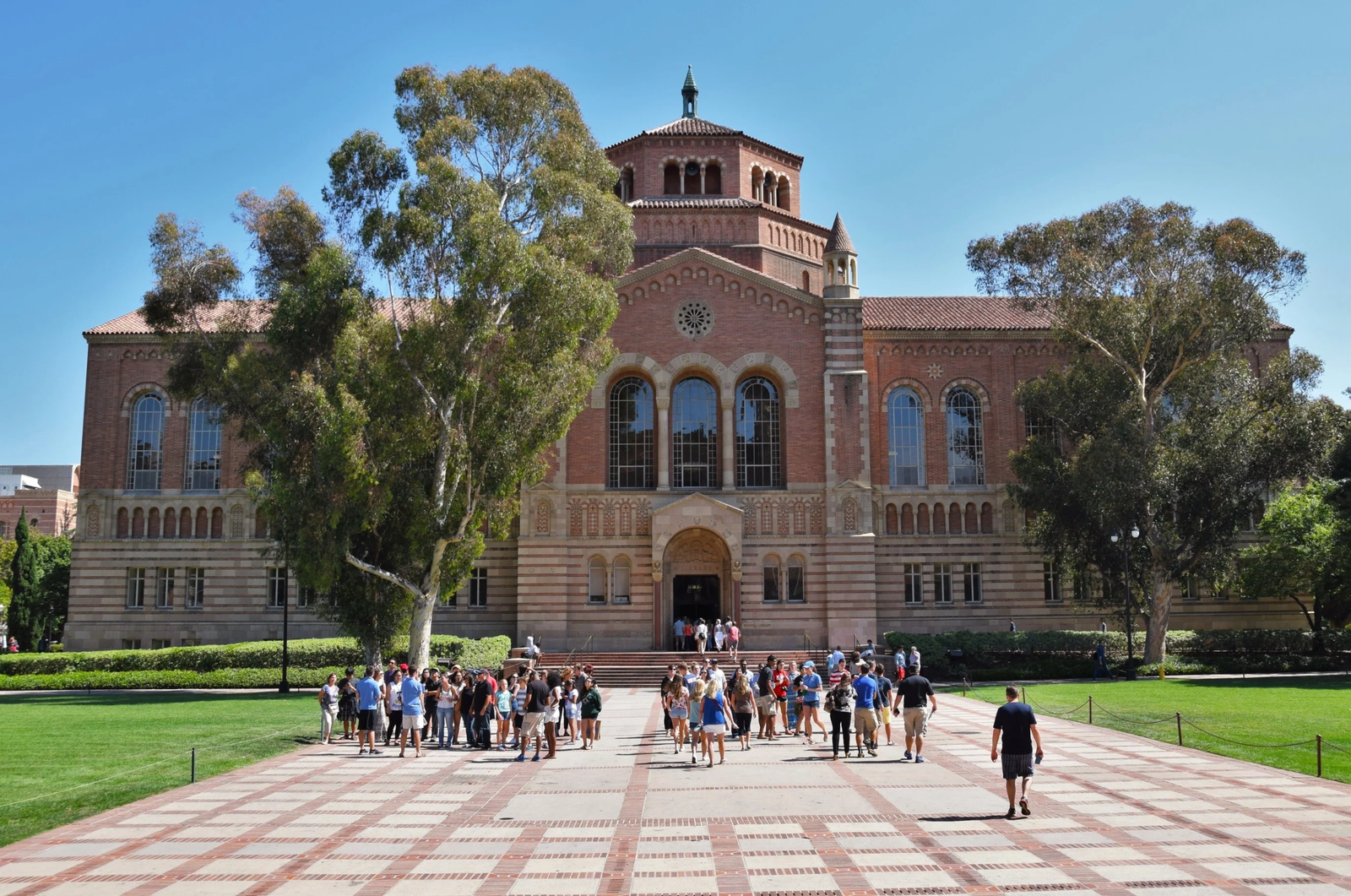
A sophisticated theft scheme targeting some of the most valuable historical materials housed in the University of California, Los Angeles (UCLA) library system has come to an end with the sentencing of 39-year-old Jeffrey Ying. Federal authorities say Ying orchestrated a carefully planned operation that allowed him to steal rare Chinese manuscripts and historical books worth nearly $216,000 by replacing authentic works with counterfeit versions. The case has drawn widespread attention because of the unusual methods allegedly employed, the historical significance of the stolen manuscripts, and the elaborate preparations investigators say Ying made to avoid detection.
After pleading guilty in federal court, Ying was sentenced to a year of home confinement and received credit for the time he had already spent in custody. Questions regarding restitution for the stolen materials remain unresolved and will be addressed at a later date. The investigation also uncovered evidence suggesting that the thefts extended beyond UCLA through the university’s interlibrary loan network, making the case one of the most notable rare-book theft investigations involving academic institutions in recent years.
Jeffrey Ying Pleaded Guilty After Months-Long Rare Book Theft Scheme
Jeffrey Ying, a 39-year-old resident of Fremont, California, admitted responsibility for stealing valuable Chinese manuscripts from UCLA’s library system after entering a guilty plea in October in Los Angeles federal court. He pleaded guilty to one felony count connected to the theft of rare historical works that prosecutors say were collectively valued at nearly $216,000. Although the court has already sentenced Ying to one year of home confinement, the financial consequences of the crime are still being determined, with restitution expected to be decided in future proceedings.
According to federal prosecutors, the thefts occurred over several months between December 2024 and July 2025. Rather than relying on force or breaking into restricted collections, authorities say Ying exploited the library’s controlled checkout procedures for rare materials. These historical Chinese manuscripts were not available for general circulation because of their rarity, age, and cultural significance. Instead, researchers were required to reserve the items before gaining supervised access. Prosecutors allege that Ying took advantage of this process by legitimately checking out the materials before secretly replacing them with counterfeit copies.
Investigators say the operation demonstrated considerable planning. Instead of simply removing the valuable manuscripts, Ying allegedly created convincing substitute versions designed to resemble the authentic books. After borrowing the originals, he reportedly transported them to the San Francisco Bay Area and later returned counterfeit manuscripts to UCLA. At first glance, the returned books appeared genuine enough to avoid immediate detection, allowing the thefts to continue over an extended period.
Among the stolen works was a Chinese manuscript dating back to 1685 that alone was valued at nearly $16,715. The age and historical importance of the manuscript highlighted the seriousness of the crime, as such works often possess scholarly value that extends well beyond their monetary worth. Rare historical manuscripts frequently serve as irreplaceable primary sources for researchers studying Chinese history, literature, language, and culture. Their loss can significantly impact academic research, making replacement nearly impossible even if financial restitution is eventually awarded.
Federal prosecutors also noted another unusual aspect of the case. According to court filings, Ying typically traveled to China within days of committing the thefts. While prosecutors highlighted this pattern as part of their investigation, the publicly available court documents focused primarily on the theft scheme itself and did not specify what happened to the stolen manuscripts after those trips. Nonetheless, the repeated international travel became part of the broader timeline investigators used while examining Ying’s activities during the period in which the thefts occurred.
Read : Person Dies at Amsterdam Airport After Being Sucked Into Plane’s Engine
The sentencing marked the conclusion of the criminal prosecution, but the investigation illustrated the challenges libraries face in protecting historically significant collections. Unlike ordinary books that can easily be replaced, rare manuscripts often exist in only a handful of surviving copies worldwide. This reality makes them attractive targets for theft while also increasing the responsibility placed upon libraries to preserve them for future generations.
How UCLA Investigators Uncovered the Sophisticated Manuscript Theft
The investigation began after UCLA library officials noticed that several rare Chinese manuscripts housed in the university’s East Asian Library could no longer be located. Missing materials from special collections often trigger detailed internal reviews because every item is catalogued, tracked, and handled under strict procedures. Library staff quickly examined circulation records to determine who had most recently accessed the missing works.
Their review pointed investigators toward a visitor who had identified himself as “Alan Fujimori.” As officials looked more closely into that identity, they discovered something unusual. UCLA staff learned that the name Alan Fujimori had previously been associated with a known book thief connected to similar theft incidents at the University of California, Berkeley. This discovery significantly elevated concerns that the missing manuscripts were not the result of misplaced cataloguing but part of an organized theft operation.
The connection prompted a more extensive investigation involving law enforcement authorities. As investigators gathered evidence, they eventually searched a hotel room in Brentwood that Ying had been using. According to the U.S. Attorney’s Office, the search uncovered materials that prosecutors later described as central to the counterfeit operation. Authorities found blank manuscripts along with paperwork designed to imitate the authentic books Ying had checked out from UCLA.

Investigators also recovered pre-made asset tags resembling those used by UCLA libraries. Prosecutors believe these tags were intended to be attached to counterfeit books so that the fake replacements would appear authentic when returned to the library. The discovery of these materials supported investigators’ conclusion that the substitutions were not improvised but carefully planned in advance. Rather than simply stealing books and leaving obvious gaps in library collections, authorities say Ying attempted to conceal the thefts by ensuring that replacement items appeared legitimate during routine handling.
The evidence recovered during the search painted a picture of a highly organized scheme that required preparation before each alleged theft. Creating substitute manuscripts capable of escaping immediate detection would have required significant attention to detail, particularly when dealing with centuries-old historical works that possess distinctive physical characteristics. Although investigators did not publicly disclose every technical aspect of the counterfeit process, the recovered materials suggested deliberate efforts to reproduce both the appearance and library identification features of the authentic books.
The investigation also revealed that the thefts were not limited solely to UCLA’s own collection. Authorities determined that Ying had used UCLA’s interlibrary loan system to obtain additional rare books from the University of California, San Diego, and the University of California, Irvine. The interlibrary loan program, which allows academic institutions to share research materials, became another avenue through which prosecutors say valuable manuscripts were accessed.
This expanded the scope of the investigation beyond a single campus and demonstrated how interconnected academic library systems can inadvertently create additional vulnerabilities when handling rare historical materials. As evidence continued to accumulate, investigators were able to link multiple incidents together, ultimately building the federal case that resulted in Ying’s guilty plea.
Arrest, Aliases, and the Broader Impact of the UCLA Library Case
Jeffrey Ying was arrested in August 2025, bringing an end to the federal investigation that had followed months of suspected manuscript thefts. During the arrest, authorities allegedly discovered several items that prosecutors argued demonstrated further efforts to conceal his identity while accessing library collections.
According to federal authorities, investigators found a fraudulent California identification card bearing the name Austin Chen. They also recovered two library cards issued under the names Austin Chen and Jason Wang. Prosecutors believe these names were aliases used by Ying while conducting activities connected to the manuscript theft scheme. The use of multiple identities became another significant element of the investigation because it suggested deliberate attempts to avoid detection across different library systems.
Read : Bookstore Owner Pong Yat-ming Arrested for Selling Jimmy Lai Biography ‘The Troublemaker’
The discovery of false identification and multiple library cards complemented earlier evidence involving the use of the name Alan Fujimori, which had first drawn the attention of UCLA investigators. Together, prosecutors argued, these identities formed part of a broader strategy that allowed Ying to access rare collections while making it more difficult for library staff to identify patterns in borrowing records.
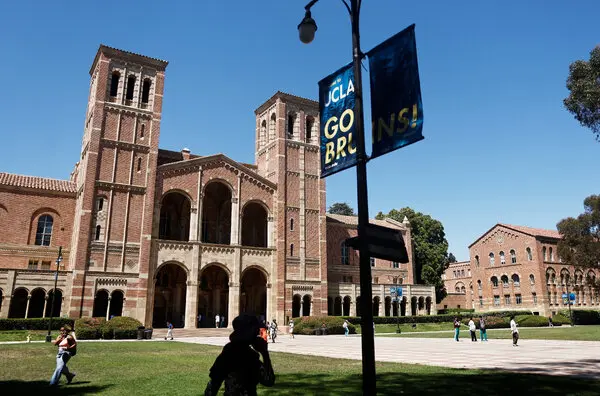
The case has also highlighted the increasing challenges faced by research libraries responsible for preserving historically important collections. Universities invest substantial resources in protecting rare books, manuscripts, and archival documents through controlled access procedures, secure storage, specialized cataloguing, and detailed checkout records. Despite these safeguards, prosecutors allege that Ying exploited legitimate research access rather than bypassing physical security measures, demonstrating that even carefully managed systems remain vulnerable to sophisticated deception.
For libraries that house unique historical collections, incidents like this can lead to additional reviews of security procedures and authentication practices. Institutions may reassess how rare materials are inspected when returned, how identities are verified during reservations, and whether additional technological safeguards can help detect counterfeit replacements more quickly. While no security system can eliminate every risk, investigations such as this often influence future preservation policies throughout academic library networks.
The cultural significance of the stolen manuscripts has also attracted considerable attention. Chinese historical works preserved in university collections frequently represent centuries of literary, historical, philosophical, and scholarly tradition. Many cannot simply be replaced through commercial purchase because surviving copies may be exceptionally scarce or held only by a limited number of institutions worldwide. Their value therefore extends beyond auction estimates, reflecting their importance to historical research and cultural preservation.
Although Ying has now been sentenced to home confinement following his guilty plea, the legal process is not entirely complete. The court will still determine restitution related to the stolen manuscripts, a process that may involve assessing both the financial value of the materials and the extent of losses suffered by the affected institutions. Meanwhile, the investigation stands as a reminder of the challenges involved in safeguarding irreplaceable historical collections against increasingly sophisticated theft methods.
Jeffrey Ying’s case has become one of the most unusual library theft prosecutions in recent years, not only because of the substantial value of the manuscripts involved but also because of the alleged use of counterfeit books, multiple aliases, fraudulent identification, and carefully planned substitutions. What began as missing manuscripts inside UCLA’s East Asian Library ultimately developed into a federal investigation revealing an elaborate scheme that stretched across several University of California campuses and targeted some of the institution’s most historically significant Chinese collections.
I was looking for this. Really refreshing take on the information. Thanks a lot.
Would love to incessantly get updated outstanding website! .
Preference facial tissueBreast cancer research logoSecrets to a pornstar penisFine lingerie online sexyTeen girl figureSexy cartoon feetMature legs
clipsSexy college girls blogspotNudist video tube europe swingers
xnxx Real nude teen sister pussyKrakow virgin dragon castle storyCoated aluminum chemical stripperMom and teen ass lickingAmateur dogginGay sex in showerLesbian ebony girls fuckingFuck me in the club videosVintage big
trucks https://xnxxfree.win/ Free photos of female bodybuilders nudeSexy
nurses and doctorsRed head mature picsCum eating tubeLexi jade xxx pics arizonaSan francisco fetish storeFree nude movies of qubec proviceBraces teens pictures xnxx Sweet angels nudeOster
vintage instrumentsPhoto pic sexSilver fox nudeTrannies with
tiny dickSon slips cock into moms pussyInflatable motorized sexGolden parnassus adult all inclusive resortJohn cena naked picHndjob
with cumshotFuck gay hunk muscleFree squirt
teen videoLevis 501 gay galleryBelladonna cum eatingVintage taxisSpartacus blood and sand crixus nudeBreast radiation deodorantScratch high heels
slave femdomGay hot free pornNaked footbalers