
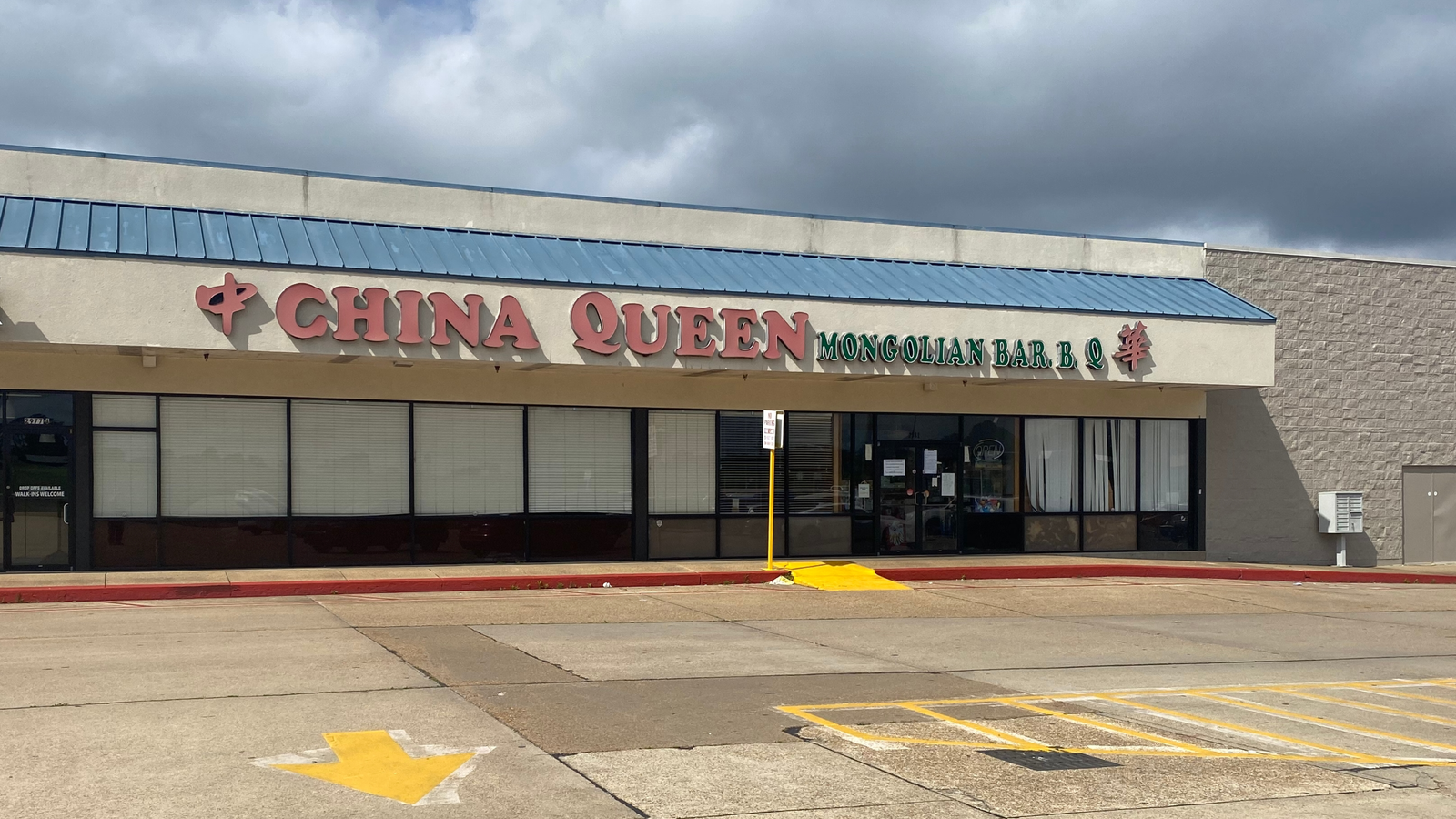
A viral social media post alleging that a restaurant worker was skinning a deer behind a food establishment in Pineville, Louisiana, triggered a multi-agency investigation that has since resulted in legal action and heightened public scrutiny. The incident, which quickly gained traction online before the original post was removed, raised serious concerns about food safety, wildlife regulations, and proper handling procedures within licensed restaurants.
Authorities later confirmed that the situation involved improper possession of wild game, not food intended for customers, but the case nonetheless prompted swift responses from both wildlife enforcement and public health officials. The man at the center of the controversy, Jiang Hua Zheng, now faces penalties under Louisiana law as officials emphasize the importance of adhering to both wildlife and sanitation regulations.
Investigation Uncovers Illegal Possession of Deer
The sequence of events began when a widely circulated social media post claimed that an employee at the China Queen restaurant in Pineville was seen skinning what appeared to be a dead animal on the premises. The post included a photograph that fueled speculation and concern among the public, particularly regarding whether the meat might have been used for food preparation. Although the post was later deleted, it had already drawn the attention of authorities and prompted an official investigation.
Agents from the Louisiana Department of Wildlife and Fisheries responded to the scene on April 21 after receiving reports of suspicious activity behind the restaurant. Upon arrival, they encountered Jiang Hua Zheng, who was reportedly in the process of cleaning a deer. According to officials, several containers of deer meat were found at the location, along with a deer hide and other body parts stored in a box near a dumpster area.
Further examination by wildlife agents determined that the deer had likely been struck by a vehicle, classifying it as roadkill. While this detail clarified the origin of the animal, it did not absolve Zheng of legal responsibility. Louisiana law requires individuals to notify proper authorities before taking possession of a deer killed in this manner. Investigators concluded that Zheng had failed to contact either the wildlife agency or local law enforcement, a violation that ultimately led to his citation.
Read : Robot Throws Itself Down the Stairs in South Korea: First Robot Suicide Case in the World
On April 26, Zheng was formally cited for possession of an illegally taken deer. Under state regulations, such an offense carries penalties that can include a fine ranging from $400 to $950 and a potential jail sentence of up to 120 days. Officials emphasized that the law exists to ensure proper tracking of wildlife and to prevent the unauthorized handling or distribution of game animals.
Restaurant Response and Public Health Measures
As the incident gained attention, the restaurant at the center of the controversy took steps to address public concerns and clarify the situation. A notice posted on the establishment’s door acknowledged the incident and issued an apology to customers. The statement emphasized that the deer in question was never intended to be served as food and that its presence on the property was the result of improper storage rather than an attempt to incorporate it into menu items.
The restaurant also stated that it had undergone a full cleaning and sanitization process following the discovery. Management indicated that they were cooperating fully with health authorities and had taken corrective measures to ensure compliance with food safety regulations moving forward. The response aimed to reassure customers while acknowledging the seriousness of the situation.
Read : Governor Sarah Huckabee Sanders Asked to Leave Little Rock Restaurant
Public health officials from the Louisiana Department of Health conducted their own investigation into the matter, focusing specifically on food safety compliance. According to their findings, the claims regarding improper handling of wild game at a permitted food establishment were valid. As a precautionary measure, the facility voluntarily closed while a comprehensive cleaning and sanitization process was carried out in accordance with state regulations.
The health department’s involvement highlighted the regulatory framework governing food establishments, particularly the requirement that all food served to the public must originate from approved sources. Wild game, unless processed through proper legal channels, does not meet these standards and is therefore prohibited in commercial food settings. Inspectors determined that once the contaminated materials were removed and the facility was thoroughly sanitized, there was no ongoing public health risk.
A follow-up inspection was conducted the next day, during which officials confirmed that the establishment met all necessary safety requirements. With no evidence of continued violations, the restaurant was permitted to reopen. The swift resolution of the health concerns helped to stabilize the situation, though the incident continued to draw attention due to its unusual nature.
Legal and Regulatory Implications of the Incident
The case involving Jiang Hua Zheng underscores the intersection of wildlife law and public health regulations, illustrating how violations in one area can quickly impact another. Louisiana’s wildlife laws are designed not only to protect animal populations but also to regulate how game is handled after death, particularly in cases involving roadkill. By requiring individuals to notify authorities, the state ensures that such incidents are documented and managed appropriately.
Read : Elias L. Lavelle Detained After Allegedly Stabbing Woman Inside Restaurant
Failure to follow these procedures can result in legal consequences, as seen in this case. The citation issued to Zheng serves as a reminder that even seemingly minor actions, such as collecting an animal found on the roadside, are subject to strict rules. These regulations are particularly important when the handling occurs near or within a food establishment, where the risk of cross-contamination becomes a significant concern.

From a public health perspective, the incident highlights the importance of maintaining clear boundaries between approved food sources and unauthorized materials. Food safety regulations are designed to prevent contamination and ensure that all items served to customers meet established standards. The presence of unregulated wild game on restaurant premises represents a direct violation of these principles, regardless of intent.
Authorities were careful to clarify that there was no evidence suggesting the deer meat was ever served to customers. This distinction played a key role in the decision to allow the restaurant to reopen after corrective measures were taken. However, the situation still raised broader questions about oversight, employee conduct, and adherence to established procedures within food establishments.
The rapid spread of the initial social media post also demonstrates the powerful role of public perception in shaping responses to such incidents. Even before official findings were released, the viral nature of the claim had already influenced public opinion and prompted immediate action from authorities. This dynamic reflects the increasing importance of transparency and timely communication in addressing potential health and safety concerns.
In the aftermath of the investigation, both wildlife officials and health inspectors reinforced the need for compliance with all applicable laws. The case serves as a reminder that regulatory frameworks exist not only to enforce rules but also to protect public trust. When those rules are not followed, the consequences can extend beyond legal penalties to include reputational damage and heightened scrutiny.
The incident in Pineville stands as a notable example of how quickly a localized issue can escalate into a widely discussed matter involving multiple agencies. While the immediate concerns have been addressed through enforcement actions and corrective measures, the case continues to highlight the importance of vigilance, accountability, and adherence to established standards in both wildlife management and food safety practices.
My souse annd I stuimbled ovedr hewre comng from a different
page and thought I may as wel chek hings out.
I like what I seee soo noow i am followwing you. Loook forwaard too
goking over your web page yett again. xnxx