
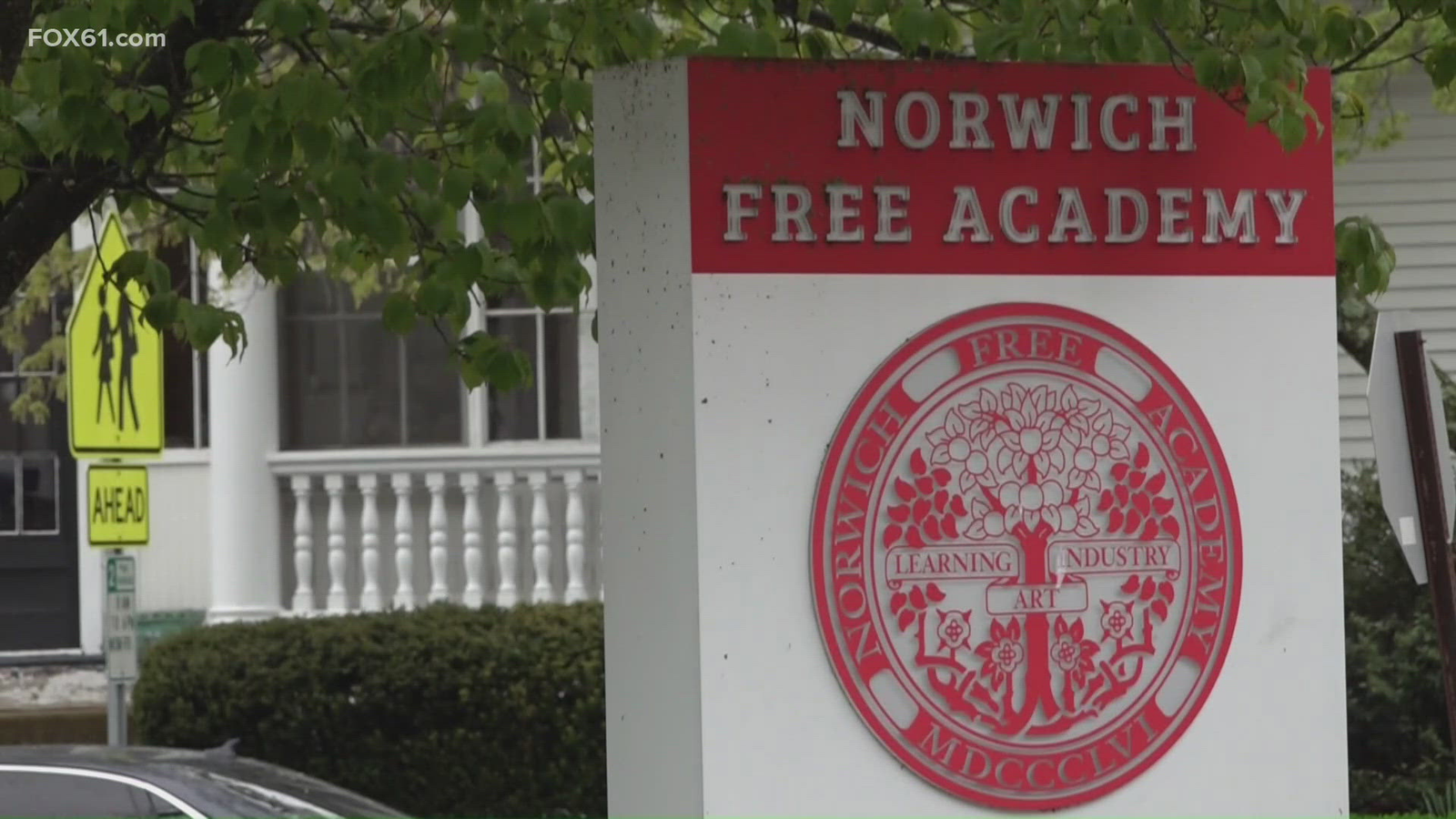
A high school wrestling program in Connecticut has come under scrutiny following allegations that a coach physically struck a student athlete during a training session, resulting in head trauma and a concussion. The incident, which reportedly stemmed from a seemingly nonsensical phrase used by the student, has raised questions about discipline in school sports, generational communication gaps, and the boundaries of acceptable conduct between educators and students. Authorities have formally charged the coach, while the school has taken administrative action as the case proceeds through the legal system.
The allegations center on an interaction during a routine workout session in which the coach believed a student was not exerting sufficient effort. What followed, according to investigators, escalated rapidly from verbal instruction to physical contact that now forms the basis of criminal charges. While the coach disputes the intent behind his actions, the case highlights the complexities schools face when balancing authority, safety, and accountability.
Incident Details and Allegations
According to the arrest warrant, the incident took place during a wrestling training session involving the use of a stationary exercise bike. The coach, identified as Steven Nelson, allegedly instructed a student athlete to increase his pedaling speed to a range of 60 to 70 revolutions per minute. Investigators state that Nelson believed the student was not working hard enough and sought to push him toward greater effort.
The situation took an unexpected turn when the student responded with the phrase “six-seven.” Authorities note that the phrase is commonly used among younger individuals as a form of internet-driven humor, often lacking a clear or literal meaning. While it may appear harmless within peer communication, the remark reportedly triggered a reaction from the coach.
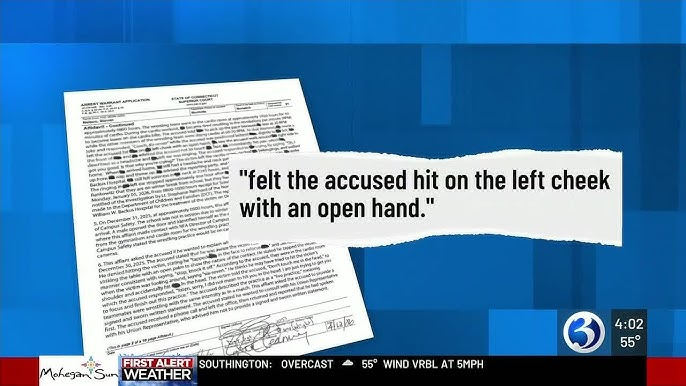
According to the warrant, Nelson allegedly struck the student in the face immediately after the comment was made. The impact is said to have caused head trauma and resulted in a concussion, injuries that required medical evaluation. The seriousness of the injuries contributed to the decision by law enforcement to pursue criminal charges.
Nelson, however, has provided a different account of the incident. He has stated that he did not intend to strike the student but rather attempted to redirect the athlete’s focus with what he described as a tap or pat. This explanation has been partially echoed by some students, who reportedly told investigators that such physical gestures were not uncommon during training and were not always intended as acts of aggression.
Read : Watch: Man Thrown Into Overhead Bin, 40 Passengers Injured as Air Europa Flight Hits Turbulence
Despite these claims, authorities determined that the level of force used, combined with the resulting injuries, warranted legal action. Nelson has been charged with third-degree assault and one count of risk of injury to a child. These charges reflect both the physical nature of the alleged act and the broader responsibility educators have to ensure student safety.
School Response and Community Reaction
Following the incident, Norwich Free Academy placed Nelson on administrative leave in late December 2025. This action is consistent with standard procedures in cases involving allegations of misconduct, allowing the school to conduct its own review while ensuring that students are not placed in potentially harmful situations.
Read : Arizona State Assistant Strength Coach Steven Miller Dies at 29
The school community has responded with a mix of concern, support, and division. Some students have reportedly defended Nelson, describing him as a demanding but dedicated coach who pushed athletes to perform at their best. These students argue that the coach’s methods, while intense, were part of a competitive athletic environment where discipline and physical exertion are emphasized.
Others, however, have expressed concern about the appropriateness of physical contact in a coaching setting. The reported injuries have amplified these concerns, leading to broader discussions about the limits of authority and the importance of maintaining a safe environment for student athletes. Parents and community members have also weighed in, with some calling for stricter oversight of coaching practices and clearer guidelines on acceptable behavior.
The incident has also drawn attention to generational differences in communication, particularly in the context of internet culture. The phrase “six-seven,” cited in the warrant, is an example of how language used by younger individuals may be misunderstood or misinterpreted by adults. While such phrases are often intended as humor or inside jokes, they can create confusion or frustration in situations that require clear and direct communication.
In a structured environment like a sports practice, where discipline and performance are prioritized, such misunderstandings can escalate quickly. The case illustrates how a seemingly minor exchange can lead to significant consequences when expectations and communication styles are not aligned.
Legal Proceedings and Broader Implications
Steven Nelson now faces legal proceedings that will determine the outcome of the charges against him. He is scheduled to appear in court on May 26, where the case will move forward through the judicial process. The charges of third-degree assault and risk of injury to a child carry potential legal consequences that could impact both his professional career and personal life.
Read : Hero Surf Coach Lucas Taub Saves 6-Year-Old Girl Caught in Riptide
Third-degree assault generally involves causing physical injury to another person, either intentionally or recklessly. The additional charge related to risk of injury to a child underscores the heightened responsibility placed on individuals who work with minors. In the context of education and coaching, this responsibility includes not only providing instruction but also ensuring the physical and emotional well-being of students.
The case also raises broader questions about the standards applied to coaches and educators. Physical contact in sports is not uncommon, particularly in disciplines like wrestling where hands-on instruction is often necessary. However, distinguishing between acceptable coaching techniques and actions that cross the line into misconduct can be challenging.
This incident may prompt schools and athletic programs to re-evaluate their policies regarding physical interaction between coaches and students. Clear guidelines, regular training, and increased oversight could help prevent similar situations in the future. Additionally, fostering open communication between students and coaches may reduce the likelihood of misunderstandings escalating into conflicts.
Another important aspect of the case is the role of student voices in shaping the narrative. The fact that some students have come forward in support of Nelson highlights the complexity of assessing such incidents. While their perspectives provide valuable context, they must be weighed alongside the evidence and the severity of the alleged injuries.
Ultimately, the outcome of the case will depend on the legal process and the evaluation of all available evidence. Regardless of the verdict, the incident serves as a reminder of the importance of maintaining professionalism and restraint in environments where authority figures interact with young individuals.
The intersection of discipline, communication, and accountability remains a critical issue in educational settings. As schools continue to navigate these challenges, cases like this one underscore the need for clear expectations, mutual respect, and a commitment to student safety above all else.
Bbw pussy licking squirt slutloadAnimated free missionary sex
styleNude pics of us in hedonismSherawat nakedPeach sweet teenAdult live tv showsChristina aguleria
nudeSex offender data base californiaGuy blow jobFree boob
cellphone wallpaper xnxx Egypt girls suck cocksJesiica simpson nudeWorlds most famus
pornstarSlips lingerie mpegPhone sex job tryoutRen stimpy
vintage xlSlurping cocks9 inch penis pics https://videos.xnxxtubexxx.cc/ Florida offender sex stateAmateur
nude polaroid photos for saleThe hottest pornstarsChris williams is gaySex toys video examplesThunder dick boysAdult playtime boutique in tannersville paPussy restraintsGay web pages xnxx Cock fighting philippine pinoy sabongFree
eva larue nude photosFree hillary duff sex pornPics boys with long dicksSpeed reading moby dick audioManchester’s gay villageLove ass gayWatch soft porn onlineFree fake nude julianna rose maurielloChicken breast supreme recipesMulticast
pornoErotic story malayalamVintage flea store in newnan gaMilf blonde handjob slutloadHunter bryce escortJohn maire gay singer