
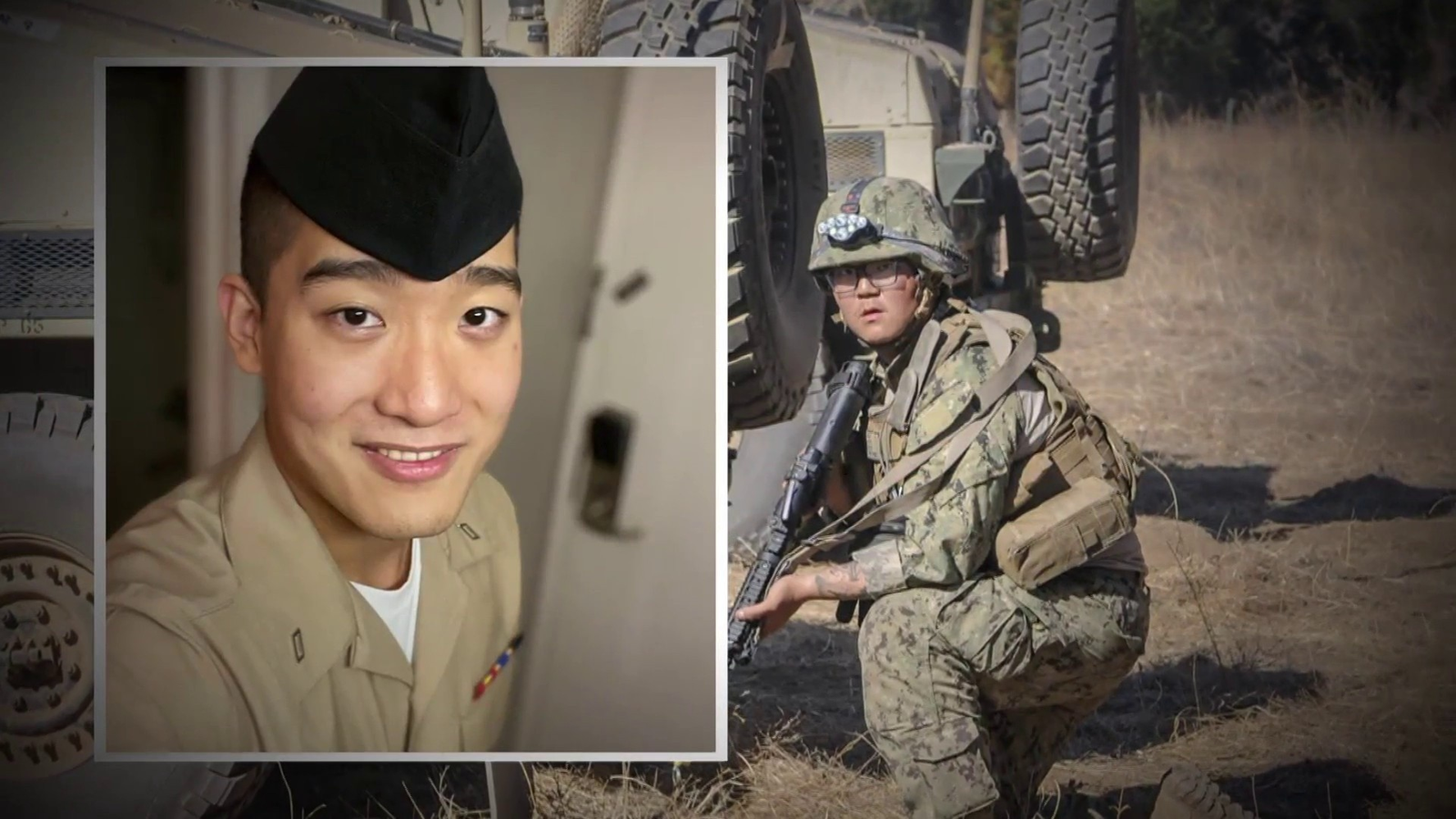
On August 20, 2025, a federal jury in San Diego, California, convicted 25-year-old U.S. Navy sailor Jinchao Wei, also known as Patrick Wei, of espionage and related charges for selling sensitive military information to a Chinese intelligence officer. The conviction marks a significant case in the ongoing efforts to combat foreign espionage within the U.S. military, highlighting vulnerabilities in national security and the severe consequences of betraying trust.
Wei, a machinist’s mate aboard the USS Essex, an amphibious assault ship stationed at Naval Base San Diego, was found guilty of six out of seven charges, including conspiracy to commit espionage, espionage, and violations of the Arms Export Control Act. He faces a potential life sentence, with sentencing scheduled for December 1, 2025.
The Espionage Scheme: How Wei Betrayed His Oath
Jinchao Wei’s descent into espionage began in February 2022, when he was contacted via social media by an individual posing as a naval enthusiast affiliated with the state-owned China Shipbuilding Industry Corporation. This person was later identified as a Chinese intelligence officer. Wei, a naturalized U.S. citizen who held a security clearance, had access to sensitive national defense information about the USS Essex, including its weapons, propulsion, and desalination systems.
Over an 18-month period, from March 2022 to August 2023, Jinchao Wei provided his handler, whom he referred to as “Big Brother Andy,” with extensive classified information. This included approximately 60 technical and operational manuals, many marked with export-control warnings, as well as photographs, videos, and details about the ship’s vulnerabilities and the locations of other U.S. Navy vessels.
The evidence presented at Wei’s five-day trial revealed a calculated effort to conceal his activities. Wei and his handler used encrypted communication apps and digital “dead drops” that erased messages after 72 hours to avoid detection. Prosecutors highlighted that Wei was fully aware of the illegality of his actions, having recently completed Navy training on detecting foreign recruitment efforts.
He even researched another espionage case involving a U.S. Navy sailor, indicating his knowledge of the consequences. In one instance, Wei confided to a fellow sailor that he suspected he was dealing with a Chinese intelligence organization, describing the contact as “extremely suspicious” and stating, “This is quite obviously f***ing espionage.” Despite this awareness, Wei continued, motivated by financial gain, accepting over $12,000 in payments over the 18 months.
Read : Bank Employee Falls Asleep on Keyboard and Transfers $267 Million Instead of $67.69 in Germany
His handler also offered perks, such as a trip to China with his mother, to further incentivize his cooperation. Wei’s actions were not only a personal betrayal but also a violation of his oaths as a U.S. Navy sailor and a naturalized citizen. The prosecution emphasized that Wei’s greed and selfishness drove him to prioritize personal gain over national security. Assistant U.S. Attorney Adam Barry told the jury, “Jinchao Wei’s allegiance was to Jinchao Wei.
Read : China Has Developed Multiple Spy Bases in Cuba
Jinchao Wei was loyal to Jinchao Wei.” The evidence included hand-written receipts Wei sent to his handler for payments and conversations detailing the handler’s use of intelligence tradecraft to conceal their relationship. Wei’s arrest in August 2023, as he arrived for work on the USS Essex, marked the culmination of a months-long investigation by the FBI and the Naval Criminal Investigative Service (NCIS), which had bugged his apartment and tapped his phone.
National Security Implications: A Wake-Up Call
The conviction of Jinchao Wei underscores the significant risks posed by foreign espionage to U.S. military operations and national security. The information Wei provided to the Chinese intelligence officer included critical details about the USS Essex, a Wasp-class amphibious assault ship capable of carrying over 1,000 sailors and 1,500 Marines. Such ships are vital for rapid troop deployment in strategic regions like the South China Sea, where tensions between the U.S. and China are high.
The leaked data, described by the Navy as “critical technology,” included technical manuals and operational details that could aid China in developing its own amphibious assault ships and understanding U.S. naval vulnerabilities. U.S. Attorney Adam Gordon stated, “By trading military secrets to the People’s Republic of China for cash, he jeopardized not only the lives of his fellow sailors but also the security of the entire nation and our allies.”

The case also highlights the broader threat of Chinese espionage targeting U.S. military personnel. The FBI and NCIS have noted that China aggressively seeks to exploit service members, often using social media to disguise agents as civilians or enthusiasts. Wei’s case is not isolated; another sailor, Wenheng Zhao, was arrested alongside Wei in August 2023 and sentenced to 27 months in prison in January 2024 for accepting over $14,800 in bribes to transmit sensitive military information to a Chinese intelligence officer.
These incidents reflect a pattern of China’s intelligence services targeting junior personnel with access to classified information, exploiting their vulnerabilities for relatively small sums of money. The $12,000 Wei received, roughly 20% of a junior machinist’s annual Navy salary, illustrates how financial incentives can lure individuals into compromising national security.
The conviction serves as a reminder of the Department of Justice’s commitment to prosecuting espionage cases vigorously. Assistant Director Roman Rozhavsky of the FBI’s Counterintelligence Division emphasized, “Jinchao Wei swore oaths to become a U.S. Navy sailor and a U.S. citizen.
He then committed espionage by sending photographs and videos of U.S. Navy vessels, ship movement information, technical manuals, and weapons capabilities to a Chinese intelligence officer.” The case also raises questions about the effectiveness of current counterintelligence training and vetting processes for military personnel with security clearances, prompting calls for enhanced measures to detect and prevent such betrayals.
The Broader Context: Espionage in a Tense U.S.-China Relationship
Wei’s conviction comes at a time of heightened U.S.-China tensions, particularly in the Indo-Pacific region, where both nations compete for military and technological dominance. Espionage prosecutions under the Espionage Act are rare and typically reserved for severe cases, but the increasing frequency of such incidents reflects growing concerns about China’s efforts to undermine U.S. security. The FBI has warned that China’s intelligence services are intensifying their “virtual espionage” tactics, using online platforms to target individuals with access to sensitive information.
Wei’s case, along with Zhao’s, underscores the sophistication of these efforts, as well as the vulnerabilities within the U.S. military’s ranks. A particularly disturbing aspect of Wei’s case is the involvement of his mother, who was aware of his illegal activities and encouraged them, believing they could secure him a job with the Chinese government. In a text exchange, Wei wrote to his mother, “Other Chinese serving in the US Navy are still trying to figure out how to make extra money, and driving cabs. Whereas I am just leaking secrets.”
This revelation highlights the personal and familial pressures that may influence individuals to engage in espionage, as well as the cultural and ideological ties that foreign governments may exploit. Wei’s lawyer, Sean Jones, argued that his client harbored no anti-American sentiment and was manipulated by someone he thought was a friend. Jones stated, “It was never disputed that Jinchao made numerous errors in judgment.
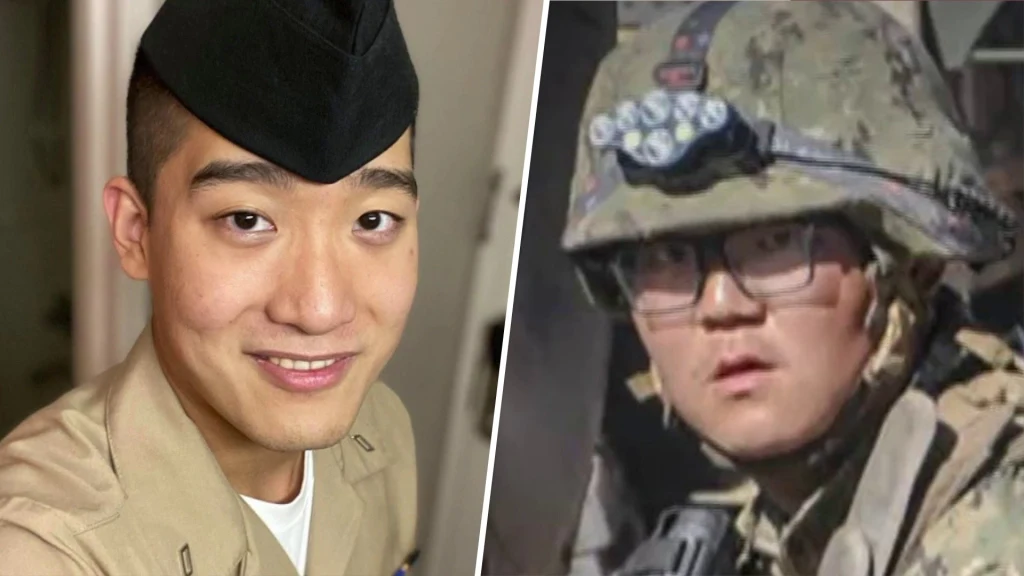
He was young and naive and regrettably agreed to share some very low-level information in exchange for easy money.” However, the jury rejected this defense, finding Wei guilty on six counts. The case also draws attention to the challenges of integrating naturalized citizens into sensitive military roles. Wei, a Chinese-born individual who became a U.S. citizen, was targeted during his naturalization process, raising questions about the vetting of personnel with ties to adversarial nations.
While Jones argued that Jinchao Wei’s actions had “absolutely no effect on national security” and involved outdated manuals for a steam-powered ship, prosecutors countered that the information compromised critical U.S. naval capabilities. The conviction sends a strong message that such betrayals will not be tolerated, regardless of the perceived impact of the leaked information.
As Jinchao Wei awaits sentencing, the case serves as a stark warning to military personnel about the dangers of foreign recruitment and the severe consequences of espionage. The Department of Justice, FBI, and NCIS have vowed to continue their efforts to root out traitors, emphasizing the need for vigilance in an era of sophisticated foreign intelligence operations. The broader implications of Wei’s actions will likely influence ongoing discussions about military security, counterintelligence measures, and the protection of classified information in an increasingly digital and interconnected world.
In conclusion, Jinchao Wei’s conviction for spying for China is a sobering reminder of the persistent threats to U.S. national security. His actions, driven by financial gain and facilitated by encrypted communications, compromised sensitive military information and endangered the safety of his fellow sailors.
The case highlights the need for robust counterintelligence measures, enhanced training, and stricter oversight of personnel with access to classified data. As the U.S. navigates its complex relationship with China, incidents like these underscore the importance of safeguarding national defense information and maintaining the trust placed in those who serve.