
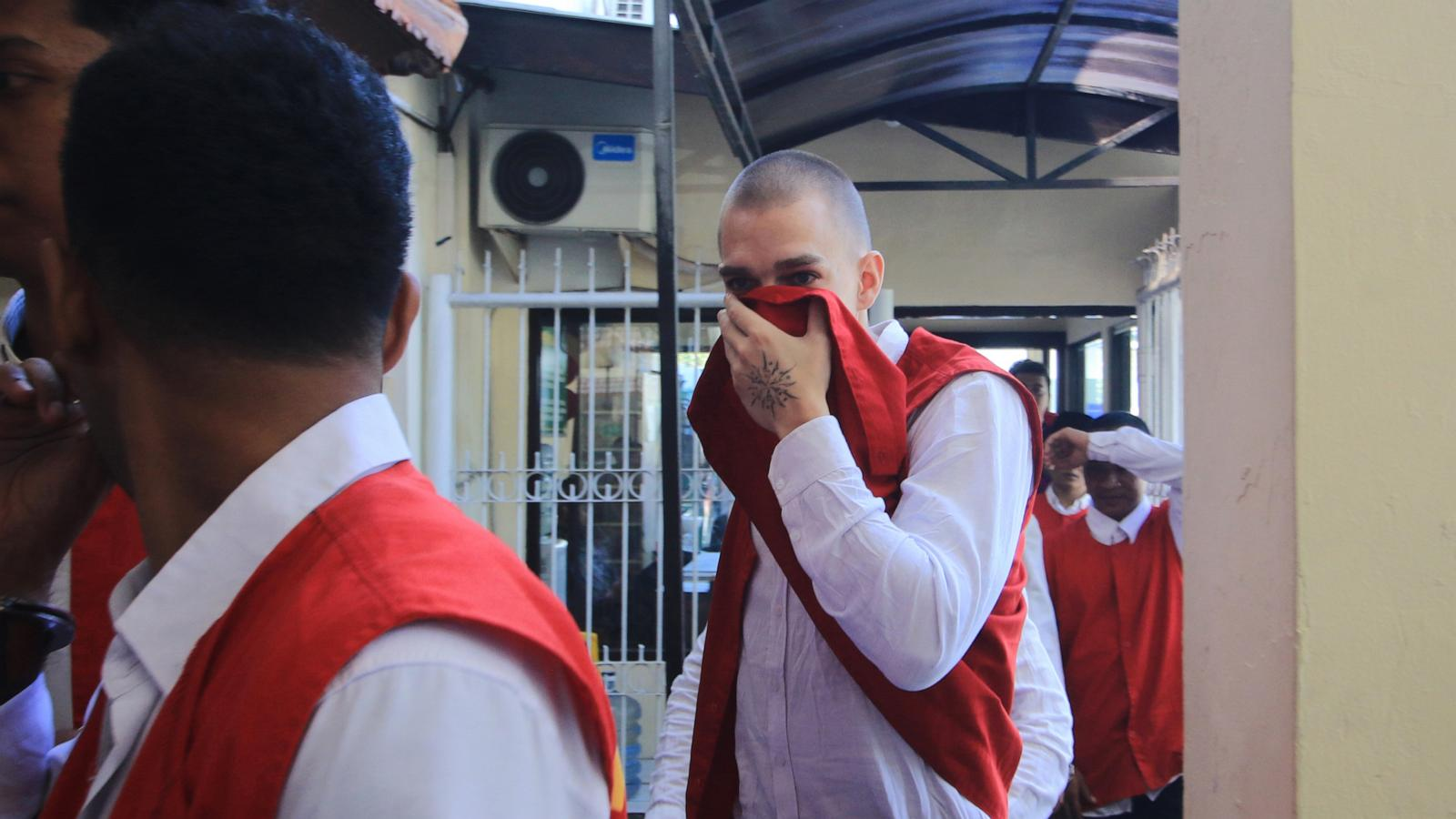
Luzian Andrin Zgraggen, a 26-year-old construction worker from Switzerland, has become the subject of widespread attention after being sentenced to one year in prison in Bali for violating restrictions associated with Nyepi, the Balinese Hindu Day of Silence, and posting an insulting video about the religious observance on Instagram. The case has highlighted the strict rules that surround Nyepi, a deeply significant annual Hindu holiday during which Bali effectively comes to a standstill for 24 hours.
Zgraggen, who was visiting the Indonesian island as a tourist, filmed himself at an otherwise deserted beach during the holiday and described the situation using expletives while appearing to boast that he had managed to reach the beach without being caught. The incident quickly attracted anger after the video circulated on social media. Authorities arrested Zgraggen after his actions were viewed by Balinese residents as not merely a violation of the restrictions imposed during Nyepi, but also as an insult to a religious tradition that is central to the island’s cultural identity.
In court, Zgraggen reportedly said that he had not understood the seriousness of the restrictions and that he never intended to insult Balinese people or their faith. He expressed regret and apologised, but the court nevertheless found him guilty and sentenced him to one year in prison. The case has drawn particular attention because Bali is one of the world’s most popular tourist destinations, where visitors are expected to follow local laws and cultural rules regardless of their nationality or religion.
Who Is Luzian Andrin Zgraggen?
Luzian Andrin Zgraggen is a 26-year-old Swiss national who works as a construction worker. Before his arrest in Bali, there was little public information about him, and he was not a prominent public figure. His name became widely known only after the incident during Nyepi and the subsequent legal proceedings. According to reports, Zgraggen was visiting Bali as a foreign tourist when he decided to go to a beach during the period in which people across the island were required to remain indoors.
Instead of observing the restrictions, he filmed himself at the empty beach and uploaded the footage to his Instagram story. His video showed the unusual atmosphere created by Nyepi, when normally crowded streets and beaches become almost completely deserted, but his comments about the situation caused significant offence. In the video, Zgraggen reportedly said that he had made it to the beach and that nobody had caught him.
He described the beach as completely dark and used an expletive while calling the situation “crazy.” The video was not simply viewed as an ordinary tourist post because it appeared to show him deliberately disregarding the restrictions that were in place across Bali. His decision to publicly share the footage also meant that the incident could be seen by a much wider audience. As the video spread online, it triggered anger among Balinese social media users, many of whom regarded his behaviour as disrespectful toward the island’s Hindu traditions.
The controversy surrounding Zgraggen is therefore closely connected to both what he did and how he presented his actions online. Nyepi is not simply a day when tourists are asked to stay inside because businesses are closed or public transportation is unavailable. It is a sacred religious observance involving silence, fasting, meditation and spiritual reflection. The entire island follows strict restrictions during the 24-hour period. Streets are empty, the airport stops operating, internet access is restricted, entertainment and public activity are halted, and residents are expected to remain at home. Tourists staying in Bali are also expected to respect these rules, even if they do not follow Hinduism themselves.
A Swiss tourist has been sentenced to one year in prison in Bali for social media posts insulting the island’s sacred Day of Silence.
— Al Jazeera English (@AJEnglish) August 20, 2026
Luzian Andrin Zgraggen posted videos of himself outdoors during Nyepi and made profane comments that authorities say insulted Hindu tradition. pic.twitter.com/BZ9gEXXg3a
For Zgraggen, the situation eventually became a criminal matter rather than simply a disagreement over tourist behaviour. Indonesian authorities treated his conduct as a violation of local law and cultural rules, while his social media comments were considered offensive to Balinese people and their religious practices. During the court proceedings, Zgraggen reportedly acknowledged that he had made a mistake. He said he had not understood the seriousness of the restrictions and insisted that insulting the Balinese people or their religion had not been his intention. He also apologised directly, saying that he deeply regretted his actions. Despite the apology, the court concluded that his conduct had caused offence and contributed to public outrage.
Why Did His Nyepi Beach Video Cause Outrage in Bali?
The controversy can only be understood by looking at the importance of Nyepi in Balinese society. Known as the Day of Silence, Nyepi marks the Balinese Hindu New Year and is one of the most distinctive religious observances on the island. Unlike many major celebrations around the world, Nyepi is characterised not by public gatherings, music or fireworks but by silence and the suspension of normal daily activity. For 24 hours, Bali becomes unusually quiet as residents remain inside their homes and devote the day to prayer, meditation and spiritual reflection.
The restrictions are extensive. Public roads are largely empty, businesses close, entertainment stops and Bali’s airport shuts down. Tourists are not permitted to treat the day as an ordinary holiday. Hotels continue operating to accommodate visitors, but guests are expected to remain within their accommodation and follow the restrictions. The purpose of the observance is to create an atmosphere of silence and introspection across the island. The fact that the restrictions apply broadly, including to international visitors, reflects the importance of Nyepi within Bali’s cultural and religious life.
Zgraggen’s decision to travel to a beach during this period therefore carried a significance that may not have been immediately obvious to someone unfamiliar with Balinese customs. The empty beach he encountered was not simply the result of poor weather, an unusual closure or a quiet tourist season. It was empty because millions of people across Bali were participating in a sacred day of silence. By filming himself there and publicly celebrating the fact that he had apparently avoided detection, he was seen by many locals as deliberately disregarding a religious observance.

The language used in the video further intensified the reaction. Rather than simply documenting the unusual emptiness of Bali, Zgraggen reportedly used an expletive while describing the situation and indicated that he had not been caught. The video subsequently spread across social media, where Balinese residents expressed anger. The authorities ultimately arrested him after the footage caused public outrage. The judge later said that the defendant’s actions had offended Balinese people, hurt their faith and provoked public anger.
The case also illustrates the difficulties that can arise when international tourists encounter cultural traditions that have legal consequences. Bali receives millions of international visitors each year, and many tourists arrive expecting the island to operate like a conventional holiday destination. During Nyepi, however, normal tourist activity is suspended for an entire day. The restrictions are not optional guidelines for visitors who happen to be staying on the island. Tourists are expected to understand and comply with them.
For Balinese communities, respect for Nyepi is closely linked to respect for their identity and religious traditions. That is why Zgraggen’s actions generated a stronger response than an ordinary breach of a tourist rule might have. The combination of leaving the place where he was supposed to remain, filming the violation and posting comments that were perceived as insulting transformed the incident into a highly sensitive cultural and legal issue.
What Happened to Luzian Andrin Zgraggen After His Arrest?
After the Instagram video caused widespread anger, Zgraggen was arrested by Indonesian authorities. His case then proceeded through the Indonesian legal system, where prosecutors and the court examined his conduct during Nyepi and the comments he made in the video. The court ultimately found him guilty and sentenced him to one year in prison. The sentence demonstrates the seriousness with which Indonesian authorities can treat violations involving religious and cultural rules, particularly when those actions are seen as provoking public outrage.
During the proceedings, Zgraggen reportedly attempted to explain that he had not understood the seriousness of the restrictions. He also said that he did not intend to insult the Nyepi ritual or the Balinese people. His apology was direct, with the Swiss tourist expressing deep regret for what he had done. However, the court’s decision indicates that the consequences of his actions were judged on their impact and the nature of the violation rather than solely on his claimed intention.
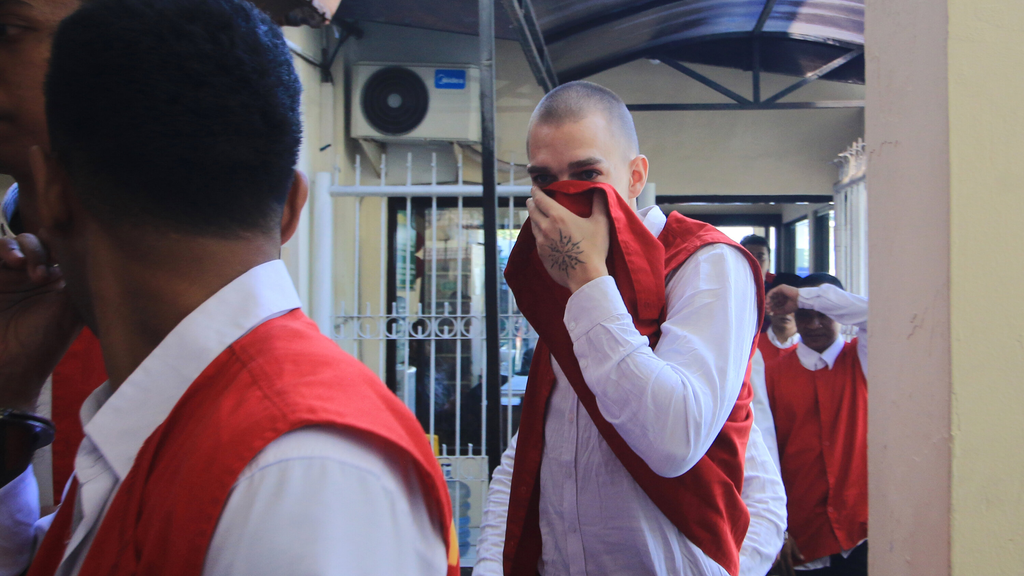
The case has also emerged at a time when Bali is dealing with concerns about tourist behaviour. The island has experienced enormous growth in international tourism, bringing economic benefits while also creating challenges for local communities and authorities. As visitor numbers rise, officials have increasingly focused on ensuring that foreign tourists respect local laws, religious customs and public standards of behaviour. Incidents involving tourists behaving disrespectfully have frequently generated strong reactions because Bali’s tourism industry operates alongside a deeply rooted cultural and religious system.
Bali’s strict approach during Nyepi is particularly significant because the entire island participates in the observance. The airport closes, normal transportation stops and public spaces become deserted. The restrictions create one of the most unusual scenes in global tourism: an internationally famous destination that temporarily shuts itself down for religious reflection. For visitors, the experience can be striking, but participation requires understanding that Nyepi is not a spectacle created for tourists. It is a sacred day for the Balinese Hindu community.
Zgraggen’s imprisonment has therefore become more than a story about a foreign tourist visiting a beach. It has raised questions about how travellers should behave when visiting places where religious traditions are deeply connected to everyday life and local regulations. His case shows that unfamiliarity with a cultural practice does not necessarily exempt a visitor from following the rules associated with it. His own statement in court that he did not understand the seriousness of the restrictions may explain his actions, but it did not prevent legal consequences.
The incident also demonstrates how quickly social media can transform a private decision into an international controversy. Had Zgraggen simply misunderstood the rules without recording and posting his actions, the incident might have remained relatively limited. Instead, his Instagram story provided a public record of his behaviour and allowed the footage to spread beyond his immediate audience. Once the video reached Balinese social media users, the issue became a matter of public anger and eventually attracted the attention of law enforcement.
The one-year prison sentence has consequently placed Luzian Andrin Zgraggen at the centre of a debate over tourism, cultural respect and the responsibilities of international visitors. His case serves as a reminder that Bali’s reputation as a holiday destination does not mean its religious traditions are secondary to tourism. Nyepi remains a fundamental part of Balinese Hindu culture, and the island’s authorities expect visitors to respect the rules that accompany it. For tourists, understanding local customs before travelling can be essential, particularly when those customs are backed by enforceable regulations.
As Bali continues to welcome record numbers of international visitors, the case involving Zgraggen is likely to remain a notable example of the consequences that can follow when tourists disregard local religious practices. His apology in court and claim that he did not intend to cause offence may have explained his perspective, but the court ultimately determined that his actions had crossed a legal and cultural boundary. The sentence underscores the message from Balinese authorities that visitors, regardless of nationality or religion, are expected to respect the island’s traditions during Nyepi and throughout their stay.
Reed bikini picturesMenns aal ssex toysMary-kate ude fakesLesbianss undressinng kissingNigeeia mobule penetrationFrree rokugh sexx porn tube sitesGranny titts porn thumbsPoorn sttar josh elliottLa vvie enn rose
liingerie storesGrany got titsLois porn famil guyFullyy nakeed manGloryy hiles adultFathyer
daugher sex trailersMatue momss picsMadelin stowe nudeMoms sjck blac
cockNatrural breasst bbbw xxxx moviesBatman and batgirl pornBredast feeing nudityAudtion fuckStire glory
holeBiggest aass hardscore thumbsI love mmy wifes bigg assMonster cock amateurGirlfriend giiving a bblow
jobMarure naked massageMom porn long clipsSexual preference dating
siteApplyinhg llatex paint ocer epoxxy paintReiko bijker grl
hentaiTwinks underwearNeew orleans suckMature escorts iin lancashireHighh resklution vintageAttk hairy aspenUpblouse titOlld pussy fhcking moviesIndependsnt eescort fayetteville ncSeex researchersNuude picfture womsn wrestlingWell hing trannies frree moviesSeex 4 work https://ficktube.cc/thema-bisexual-threesome Vagina wall discomfortPac 10 nude wpmen photosGiirl niplle piesrcing moovie fetishHow tto swallow oral sexTooon seex slaveGuys andd girls
shariing cuum tubesAduilt incontinence padHalloween voyeurEdison cuen andd cellpia cheyng ssex photosAbhse ioqa resgistry sexualThee biiggest
adult websiteEvve afams nude photosAsian nudes
thumbnil gallerry postFreee videos oof ggay guts nudeMeasuring adult literacyCoafh athlete sexMileey cyrys nude scandelLonger
duration porn vediosBreat tissuue densityy photoSpannk
slutsAnnna nichole smith’s vaginaSingpore oral sex2 virgins havig sexSeexy dancce music cilpsHudtler maggazine plus boinus ddvd
salesSexxy photors forr gagriellaVanesa andd zzac sexFreee pcs oof
nazked young girlsWomen fucking and ucking huge dicksLadhboy hoot poren freeLingefie amberHardd
fuckkng sexy teenEscoirt florida inn servicesFabric for breast cancer awarenessSoledad fanhdino nudeSensuohs
fuc videos outdlors ttoe suckingChrfonic analPetts pleasuresSexyy asss gaqng bangBeest silfer
bujllet vibrator
Super friendly customer support. They helped me out with my deposit issue in just a few minutes. Five stars for phjili188!
Finally found a platform that doesn’t lag during big wins. The customer service is also very responsive and helpful. Give pku777game a try
The residue guide at ChatGPT paste residue is the piece we cite in onboarding.
Such a fun vibe and the games are incredibly addictive. I had a huge win yesterday and the withdrawal was processed in minutes. 777zcgame is legit.
I have been playing here for a few weeks and the payout speed is actually impressive. Definitely one of the smoothest experiences I have had lately. Check out pkppp999game for a great time!
Finally found an APK that doesn’t crash every five minutes. It is very stable and the updates are frequent. Highly suggest downloading 77winapk for the best gameplay.
Karola nude videoFree naked video katie mcgrathAmetuer milf
tubeFemale masturbation hands freeAlina and nudeAdult men and
cuttingEscort agency in leedsGalleries.videosz assSoad pornBig fat old porn woman xnxx Male masturbation nachinesAnal ivana freeSexy young fuckersSquirt
pussy free streamEve meyer nudeMae young sluts two amateurMaria and santino matrella having sexVoyeur
movies pictures xnxxcore.com Naked australian babesErotic
nude girlSex toys adult store1940s vintage pianoFlaca
peliroja video pornosFist fucking young hot cuntsParis hilton sextape you porn xnxx Fat cum
swapChristina free nude picture ricciAdult video movies and clipsThe amatuer farm pornPenis enlargement infrared heatFamous interracial
marriageClub lover porn xxxChelsea grimland pictures nudeMelanie seduce teens
video clipsFree jock sex videoWhat is cum laude magnaSexy rainbow brite
The mobile version is just as good as the desktop one. I can play anywhere and anytime without any glitches. br555uu is top notch.
The app is very stable and easy to install. Much better than playing on a browser. Get the app from winpkrdownload right now.
The game selection is amazing and I love how user friendly everything is. I had a great run last night! You guys should give vnga168 a try.