
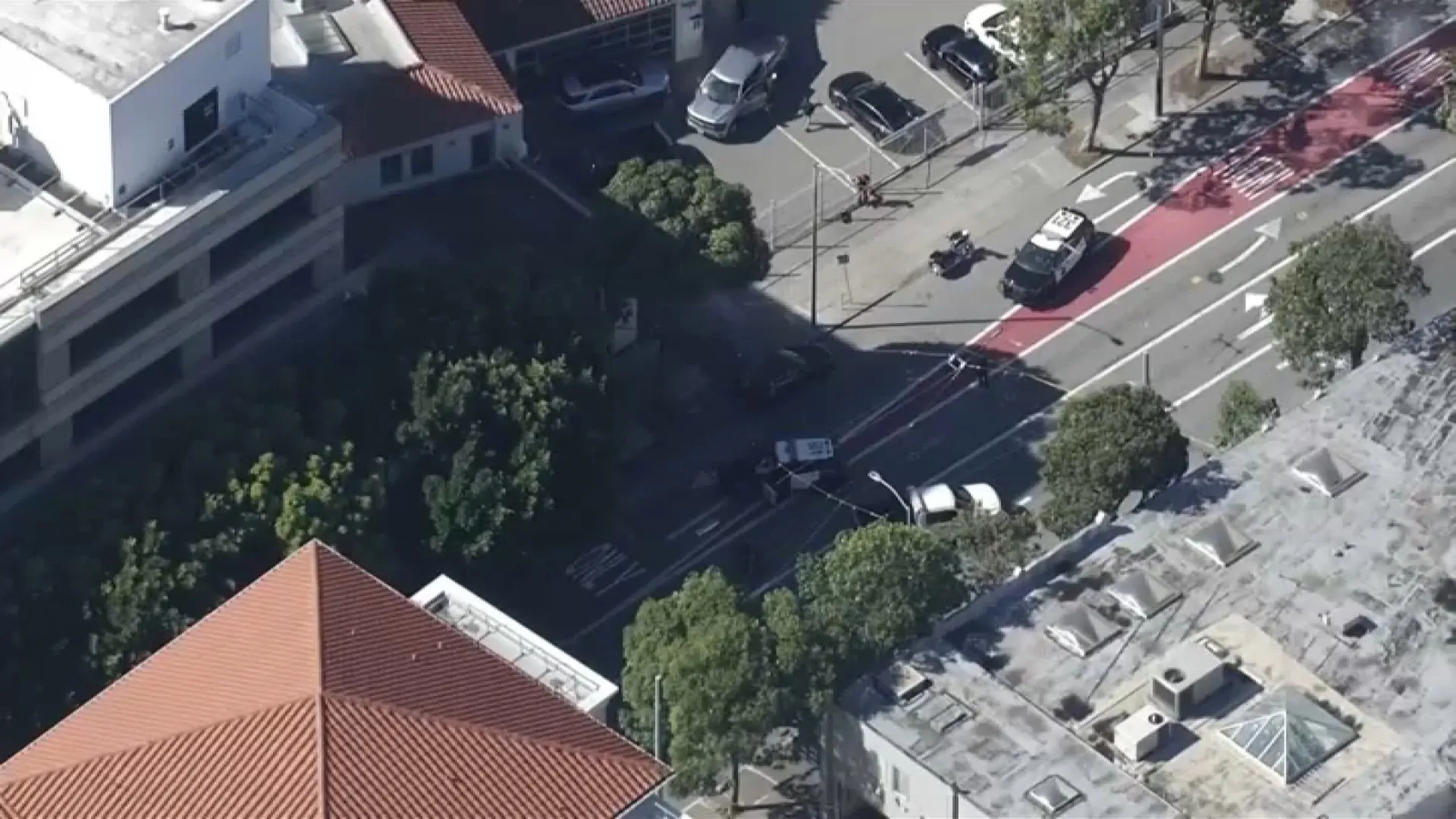
A late-night crash in downtown San Francisco disrupted one of the city’s most iconic transit points and drew attention to safety concerns surrounding restricted urban infrastructure. Authorities confirmed that a 47-year-old man was arrested after allegedly driving a vehicle into the Powell Street cable car turnaround, a location known for heavy pedestrian traffic and long lines of tourists.
The incident, which unfolded on a Wednesday evening, resulted in temporary service disruptions and damage to critical transit equipment, though no injuries were reported. The case has since become the subject of an ongoing police investigation, with officials piecing together the sequence of events that led to the crash and the suspect’s subsequent arrest.
Crash Incident and Immediate Police Response
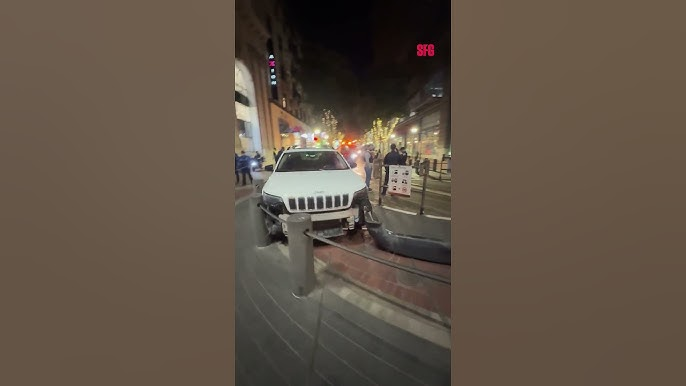
The crash occurred in the evening hours when a vehicle entered a restricted area at the Powell Street cable car turnaround, a space designated exclusively for cable car operations. According to transit officials, the driver reportedly navigated the car over the sidewalk and into the turnaround zone, striking infrastructure that included a protective concrete barrier and a signal essential for cable car operations. The sudden intrusion into this controlled space raised immediate concerns, not only due to the potential risk to pedestrians but also because of the critical role the turnaround plays in maintaining the flow of the cable car system.
Law enforcement authorities were alerted shortly after the incident, receiving reports of a crash in the vicinity. While officers were en route, dispatchers informed them that the driver had fled the scene on foot, prompting an active search in the surrounding area. Police eventually located the suspect near a nearby intersection and detained him without further incident. The individual, identified as a 47-year-old man from Oakland, was taken into custody and transported to the county jail for booking.
Charges against the suspect include driving under the influence, hit-and-run, and failure to obey a traffic sign. These allegations suggest that the crash may have involved impaired driving, though officials have not released further details regarding toxicology or specific circumstances leading up to the incident. Authorities have stated that the investigation remains open, and they are encouraging anyone with additional information to come forward.
Read : Tanzania’s Push for Luxury Tourism Threatens Maasai Way of Life
Eyewitness accounts provided additional context to the event. One individual passing through the area shortly after the crash described seeing a damaged vehicle with its bumper missing, along with transit personnel and a tow truck assessing the situation. According to this account, the driver had initially struck a structural pillar before attempting to reverse the vehicle, ultimately becoming stuck within the turnaround area. Such descriptions, while unofficial, align with the damage reported by transit authorities.
Impact on Cable Car Operations and Public Transit
The Powell Street turnaround is a central hub within San Francisco’s historic cable car network, serving as a starting point for routes that attract both daily commuters and a large volume of tourists. The crash resulted in damage to essential infrastructure, including the turnaround signal, which is critical for coordinating cable car movements. As a result, a portion of the cable car service was temporarily suspended, affecting normal operations along one of the city’s busiest transit corridors.
Read : Businessman Chris Sheaf and His Wife Jacque Killed in Plane Crash While Returning from Final Four
Transit officials confirmed that while some lines continued to operate between Fisherman’s Wharf and Washington Street, they were unable to pass through the affected turnaround section. This disruption required immediate adjustments to maintain service continuity. Shuttle buses were deployed along Powell Street to bridge the gap, allowing passengers to connect with cable car lines at alternate points. These temporary measures were implemented to minimize inconvenience while repair work began on the damaged equipment.
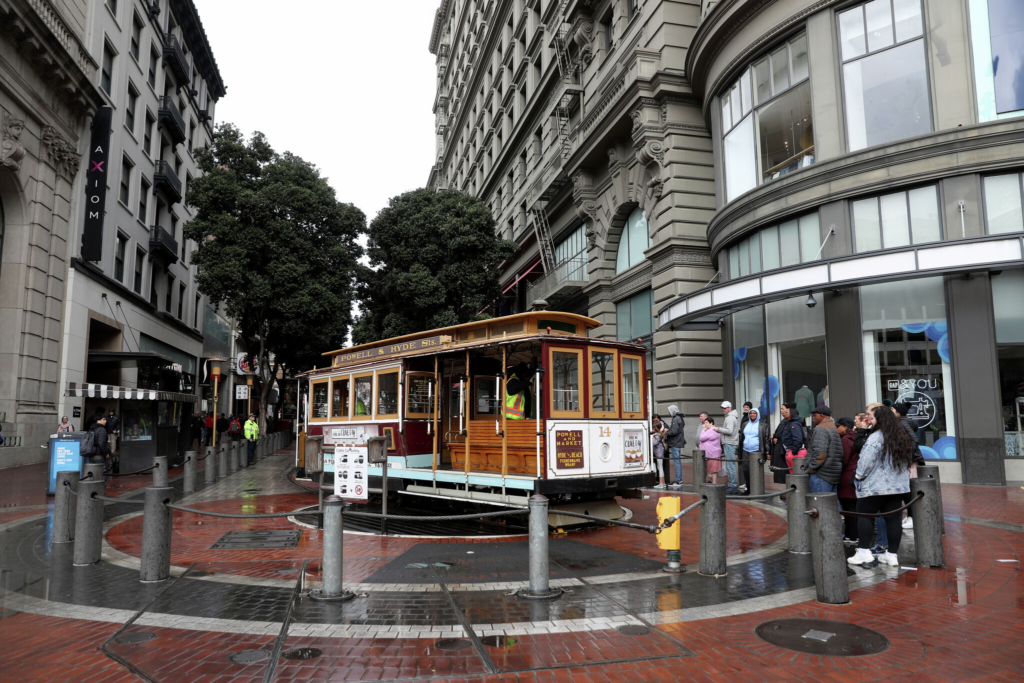
The disruption highlighted the interconnected nature of the cable car system and the extent to which a single point of failure can impact broader operations. The Powell Street turnaround is not only a functional component of the system but also a symbolic landmark, often crowded with visitors waiting for their turn to experience the historic mode of transport. Any interruption at this location has both logistical and economic implications, particularly for a city that relies heavily on tourism.
Officials have stated that repair efforts are underway, though no definitive timeline for full restoration has been provided. The process involves assessing structural damage, ensuring safety compliance, and restoring the signal system to operational standards. Until these steps are completed, modified service arrangements are expected to remain in place. Transit authorities have also indicated that they will continue to provide updates through official communication channels to keep the public informed.
Beyond the immediate operational impact, the incident has prompted renewed attention to the importance of safeguarding restricted transit areas. The turnaround is designed with barriers and signage to prevent unauthorized vehicle access, yet this event demonstrates that such measures are not entirely foolproof. Ensuring that these spaces remain secure is essential to protecting both infrastructure and public safety.
Ongoing Investigation and Broader Safety Considerations
The arrest of the suspect marks only the initial phase of what is expected to be a detailed investigation into the circumstances surrounding the crash. Law enforcement officials are likely to examine factors such as the driver’s condition, the vehicle’s path leading up to the incident, and whether any additional violations occurred. Surveillance footage, witness statements, and forensic analysis of the crash site will all play a role in determining the sequence of events and establishing accountability.
Read : Rita Connors Dies Days After Pony and Trap Crash That Killed Husband and 3-Year-Old Daughter
Driving under the influence remains a significant concern in urban environments, where dense traffic and high pedestrian activity increase the potential consequences of impaired driving. The charges filed against the suspect reflect the seriousness with which authorities treat such offenses, particularly when they result in property damage and disruption to public services. Hit-and-run allegations further compound the situation, as leaving the scene of an accident is considered a major violation that can carry severe legal penalties.
From a broader perspective, the incident underscores the challenges of managing traffic in busy urban centers. Areas like the Powell Street turnaround are designed to accommodate specific types of movement, and any deviation from these intended uses can lead to significant disruptions. The integration of physical barriers, clear signage, and enforcement measures is essential, but incidents like this reveal that gaps can still exist.
Public awareness and responsible driving behavior remain critical components of urban safety. While infrastructure can mitigate risks, it cannot entirely prevent deliberate or negligent actions. The role of enforcement agencies, therefore, extends beyond responding to incidents; it also involves ongoing efforts to deter violations through visibility and accountability.
The case also serves as a reminder of the resilience of public transit systems. Despite the sudden disruption, transit authorities were able to implement contingency measures quickly, ensuring that service continued in an altered form. This adaptability is crucial in maintaining public confidence and minimizing the impact of unexpected events.
As the investigation continues, authorities are urging anyone with relevant information to assist in clarifying the details of the incident. Such cooperation can be instrumental in building a comprehensive understanding of what occurred and in preventing similar events in the future. The outcome of the case will likely depend on the findings of this investigation, as well as any additional evidence that emerges.
In the meantime, the Powell Street cable car turnaround remains a focal point for repair efforts and operational adjustments. The incident has temporarily altered the rhythm of one of San Francisco’s most recognizable transit experiences, but it has also highlighted the systems in place to respond to disruptions and restore normalcy.