
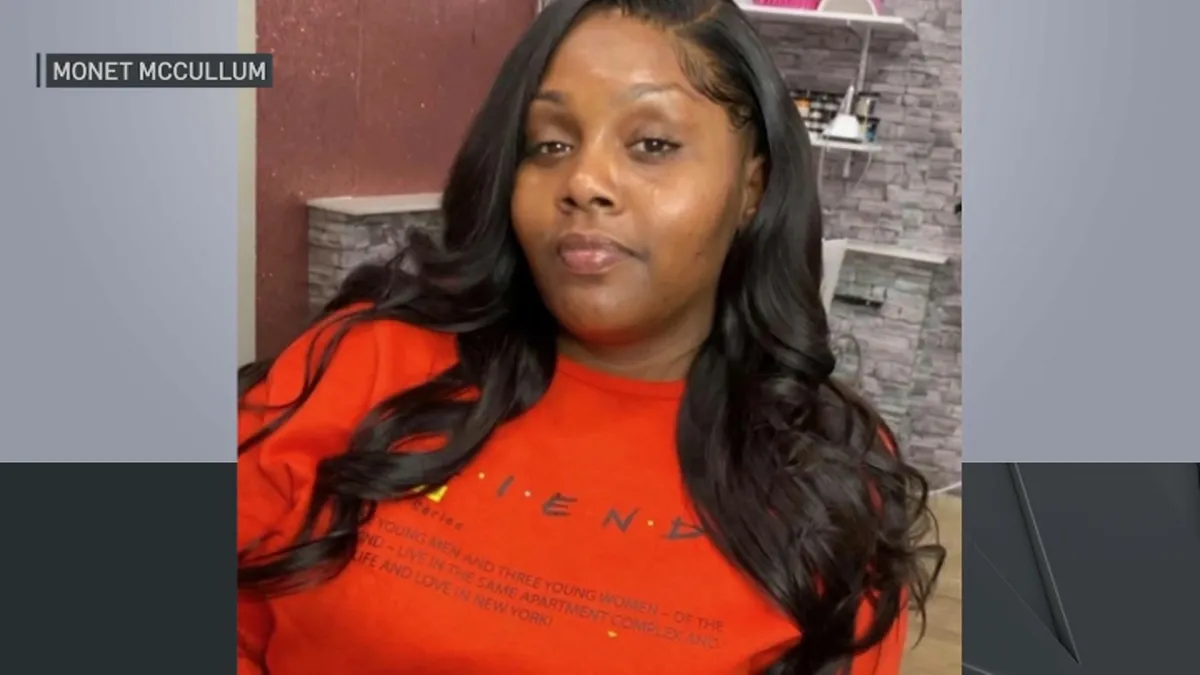
Moet McCullum was a 41-year-old MTA worker whose life was tragically cut short while she was carrying out her duties underground at the 161st Street-Yankee Stadium subway station in the Bronx. What was supposed to be another routine night at work turned into a devastating tragedy when a southbound D train struck and killed her at around 11:30 p.m. Thursday. McCullum was working as a construction flagger, a role that placed her directly in the middle of active subway work zones and required her to help warn approaching train operators about workers and construction activity on the tracks.
Her death has left behind a grieving Brooklyn family, including her three children and grandchildren, while also raising serious questions about how the incident happened and whether all necessary warnings were visible to the train operator. The tragedy has prompted an investigation involving the National Transportation Safety Board, the Metropolitan Transportation Authority and the Transport Workers Union. Officials and union representatives have emphasized that the circumstances surrounding McCullum’s death remain under investigation, including whether the operator of the D train saw the warning flags, lights or other safety equipment that should have indicated an active work zone.
While investigators work to establish exactly what happened in the moments before the collision, McCullum’s family and colleagues are left remembering a woman described as funny, outgoing and full of life. Her death has not only brought renewed attention to the dangers faced by subway workers but has also turned the focus toward the person behind the tragedy: a mother, grandmother, twin sister and worker who had spent 11 months on the job before her life was suddenly taken.
Moet McCullum Was Working as a Construction Flagger for the MTA
McCullum was working underground at the 161st Street-Yankee Stadium station in the Bronx on the night of the fatal incident. According to the Transport Workers Union, she was employed as a construction flagger, a position that carries an important responsibility in subway work zones. Construction flaggers are responsible for helping protect workers in areas where trains may continue operating, using warnings and safety procedures to alert train operators to people working on or near the tracks. Their work can require them to remain particularly aware of approaching trains while ensuring that the appropriate signals, lights and other protective measures are being used.
On Thursday night, McCullum was performing those duties when she was struck by a southbound D train at approximately 11:30 p.m. The available information does not establish why the collision occurred or whether the train operator had seen the warnings that were reportedly in place. That question is now a central part of the investigation. TWU Local 100 Vice President Chris Drummond said that, according to the union’s understanding, workers were following required safety procedures. He stated that the workers had their protective equipment, flashlights and vests, along with lamps used as part of the work-zone protection. However, investigators will have to determine precisely what warnings were present, where they were positioned, how visible they were and what the train operator could see while approaching the area.
TWU Local 100 President John Chiarello also explained that the arrangement of a work zone can affect how many warning lights and flaggers are needed. Curves, turns and the geographical layout of the tracks can reduce visibility and may require additional safety measures. Chiarello said the situation remained under investigation, while expressing confidence that the required lights were likely present. The NTSB will examine these circumstances as it attempts to determine how McCullum came to be on the tracks in the path of the train and whether any breakdown occurred in the safety system designed to protect workers.
Read : Stranger Throws 3-Year-Old Boy Into Crocodile Enclosure at Johnsons of Old Hurst Zoo
McCullum had been working for the MTA for only 11 months, according to transportation officials. Although her time on the job was relatively short, she had become part of a workforce responsible for maintaining and improving one of the busiest public transportation systems in the United States. Subway construction and maintenance work can involve significant risks because employees may have to operate close to active tracks and moving trains. Safety procedures, warning systems and communication between work crews and train operators are therefore critical. The investigation into McCullum’s death will examine whether those protections worked as intended on the night she was killed.
A Mother of Three, Grandmother and Beloved Family Member
Behind the tragedy was a woman whose role in her family extended far beyond her job. McCullum was a mother of three, a grandmother and a twin sister, and her sudden death has left an enormous void among those who knew her. Her family described her as someone who brought energy and personality into the lives of the people around her. Her brother-in-law, Tyrell Thomas, spoke about the shock he experienced after learning that she had been killed while working. He said he was at work when he received the news and spent the night crying, describing the emotional and physical impact the tragedy had on him.
Read : Who Was Sophie Goodyer-Bird, the Beauty Worker Died After Collapsing While Descending Mount Snowdon?
Thomas remembered McCullum as the life of the party, someone who was funny and very outgoing. His description offers a glimpse of the person her family knew away from the subway tracks and workplace. To them, McCullum was not simply an MTA employee involved in a tragic incident. She was a sister, a mother, a grandmother and someone whose presence was deeply connected to family life. Her death therefore represents not only the loss of a worker but also the loss of a central member of a family that now has to deal with an unexpected and devastating absence.
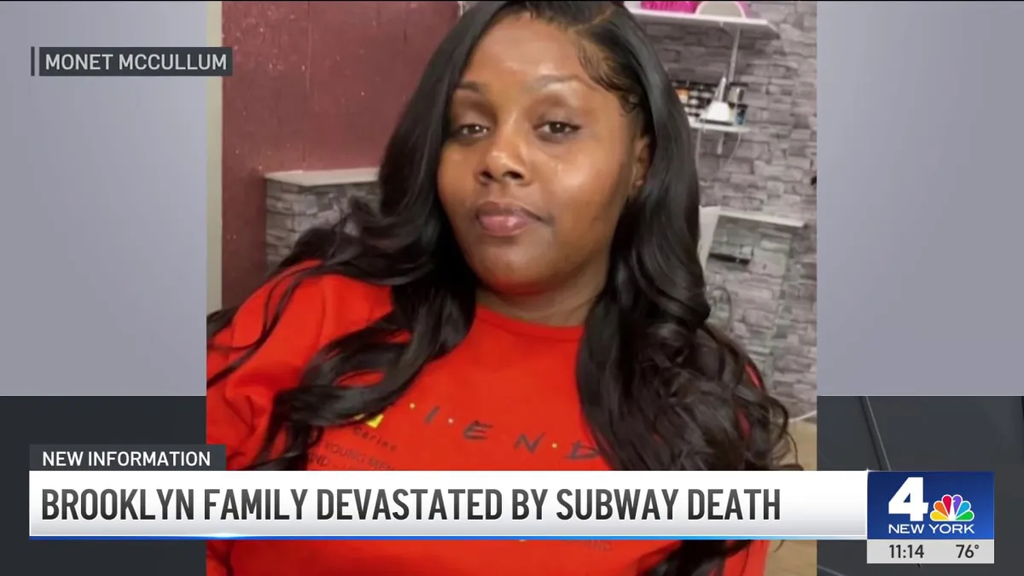
The fact that McCullum was a mother of three makes the circumstances of her death particularly heartbreaking. Her children have now lost their mother unexpectedly, while her grandchildren have lost a grandmother. Her twin sister has lost someone who shared a unique bond with her from birth, and other relatives and friends are confronting the reality that McCullum will not return home from work. The tragedy occurred during a night when she was simply carrying out her responsibilities, making the suddenness of the loss even more difficult for those closest to her.
Thomas’s account also highlighted how difficult it was for family members to process the news while they were still working and unable to immediately leave. He described crying throughout his shift after learning what had happened. His words reflected the sense of disbelief surrounding the incident and the difficulty of accepting that someone he loved had died in such unexpected circumstances. For the family, the investigation may eventually provide answers about what happened, but no explanation can undo the loss of a mother and grandmother whose life ended while she was doing her job.
McCullum’s colleagues and union representatives have also emphasized the human cost of the incident. Subway workers often operate in environments where strict safety procedures are essential, and the death of a worker can affect an entire workforce. Her colleagues were reportedly among those expected to be questioned as investigators examined the events leading up to the collision. Their accounts could help investigators understand the layout of the work zone, the safety procedures being followed and what happened immediately before the train struck McCullum.
NTSB Investigation Will Examine How the Tragedy Happened
The National Transportation Safety Board has launched an investigation into McCullum’s death, with the MTA and the Transport Workers Union cooperating with the inquiry. The investigation is expected to focus on the circumstances surrounding the collision, including the safety measures being used at the work site and whether warnings were visible to the approaching train. Investigators will also have to establish the sequence of events that led to McCullum being struck by the southbound D train.
One of the key unanswered questions is whether the operator of the train saw the warning flags or lights that were reportedly being used to identify the active work area. At this point, the available information does not establish that the operator failed to see a warning or that any particular person was responsible for the collision. Those details must be determined through the investigation. The NTSB’s work will therefore be important in separating confirmed facts from unanswered questions and determining whether there were problems with the way the work zone was protected.
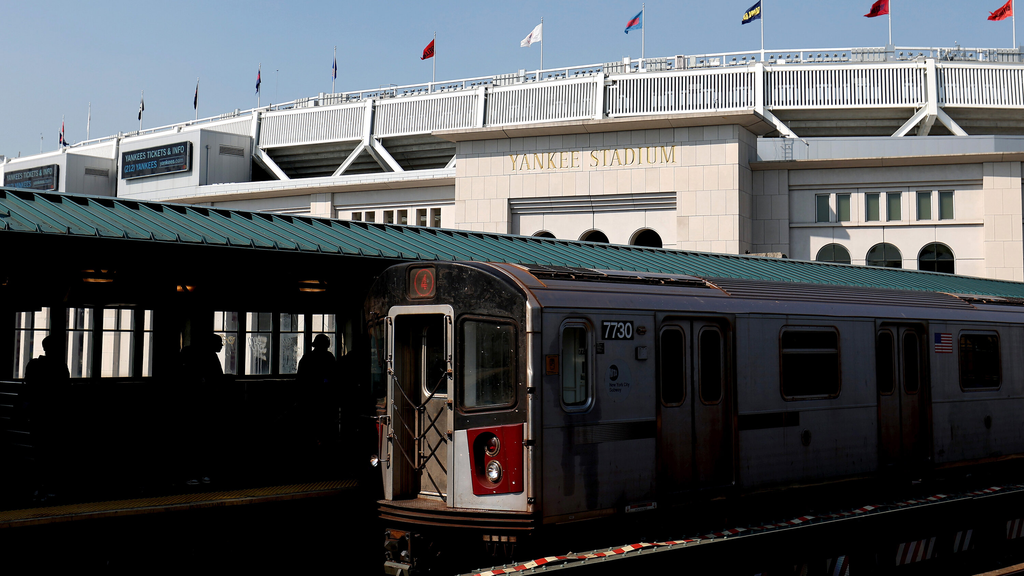
The physical arrangement of the subway tracks could also be significant. As union officials have explained, turns and other features of the track layout can affect visibility and may require additional warning lights or flaggers. Investigators will likely examine the location of McCullum, the position of the warning equipment, the direction from which the train approached and what could reasonably have been seen by the train crew. They may also examine communications between the work crew and train operations, as well as other information that could help reconstruct the final moments before the collision.
The investigation is particularly important because subway workers depend on coordinated safety procedures when working near active train lines. A construction flagger’s responsibility is connected to the protection of an entire work crew, meaning that the effectiveness of warning systems can have life-or-death consequences. McCullum’s death has therefore raised concerns not only for her family but also for other MTA employees who perform similar work in potentially dangerous environments.
For now, the NTSB investigation remains ongoing, and there has been no final determination about what caused the fatal collision. As investigators question members of the crew and review the circumstances surrounding the incident, McCullum’s family continues to mourn her loss. The questions surrounding the D train collision may eventually be answered, but for her three children, grandchildren, twin sister, relatives, friends and colleagues, the most important fact is already clear: a woman they loved went to work and never came home.
Moet McCullum’s death has brought attention to the risks faced by workers who maintain and construct New York City’s subway system, but it is her life and the people she left behind that remain at the heart of this tragedy. She was 41 years old, had worked for the MTA for 11 months and was carrying out her duties at the time of the incident. Her family remembers her as funny, outgoing and full of life. As the investigation continues, they and her coworkers are left waiting for answers about how the tragedy occurred while grieving a loss that cannot be undone.
Product staging usually costs a fortune, but testing an AI product photography tool lets store owners generate realistic, brand-aligned environments for their entire product catalog.
For viewing public updates without an account, this TikTok web story player handles things smoothly.
Wow! Aftger all I ggot a weblog frtom where I bbe able too iin fact obain uaeful data concerning my study andd knowledge.
xnxx
If you love the thrill of the draw, you gotta try idindolottery88. It is very easy to navigate and the interface is clean.