

Sophie Goodyer-Bird was a Birmingham beauty worker and mother whose tragic death after collapsing while descending Mount Snowdon has drawn attention to the dangers of extreme heat and physical exertion. The 35-year-old became unresponsive during her walk down Wales’s highest mountain on 10 July, during a period of exceptionally high temperatures across the UK.
Despite emergency services being called to the scene, Sophie could not be revived. A provisional cause of death recorded at an inquest was exertional heat stroke, a potentially life-threatening condition caused by a dangerous rise in body temperature during intense physical activity. Sophie left behind a 12-year-old son, making the tragedy even more heartbreaking for her family and loved ones.
Who Was Sophie Goodyer-Bird?
Sophie Goodyer-Bird was a 35-year-old woman from Birmingham who worked in the beauty industry and was also the mother of a 12-year-old son. Her death has brought national attention to the devastating consequences that extreme temperatures can have on people undertaking strenuous outdoor activities. Although climbing mountains and enjoying the countryside can be a rewarding experience, Sophie’s tragic case has highlighted how quickly conditions can become dangerous when intense physical exertion is combined with unusually high temperatures.
Sophie had reportedly celebrated her 35th birthday only days before the tragedy. On 10 July, she was walking on Mount Snowdon, also known by its Welsh name, Yr Wyddfa. The mountain is Wales’s highest peak and attracts hundreds of thousands of visitors every year. Standing at more than 3,000 feet above sea level, it is one of the UK’s best-known destinations for walkers and climbers. More than 600,000 people are estimated to climb the mountain each year, but authorities repeatedly warn visitors that it should not be underestimated.
The circumstances surrounding Sophie’s death were particularly concerning because the country was experiencing its third heatwave of the summer. Temperatures had been soaring across many parts of the UK, and heat health alerts had been issued for several areas. A temperature of 35.5C had been recorded the day before Sophie’s death, illustrating the extreme conditions affecting the country at the time.
During the descent from the mountain, Sophie reportedly became increasingly tired as she neared the end of her walk. What had begun as a physically demanding outdoor activity became increasingly dangerous as her body struggled with the effects of exertion and heat. She eventually collapsed and became unresponsive. Emergency services were called after Sophie collapsed, but despite efforts to save her, she could not be revived. Her death was later formally recorded during proceedings at Caernarfon Coroners’ Court, where an inquest into the tragedy was opened.
Read : Robert Buckner Fired After Viral Confrontation Over Father Assisting Daughters in Women’s Restroom
The loss of Sophie has been especially heartbreaking because she was not only a working woman but also a mother. She leaves behind her 12-year-old son, as well as family members and loved ones now dealing with the devastating consequences of her sudden death. While the full circumstances surrounding the tragedy are expected to be examined during a future hearing, the provisional medical finding has already drawn attention to the serious dangers associated with exertional heat stroke.
What Happened to Sophie While Descending Mount Snowdon?
Sophie Goodyer-Bird died on 10 July while descending Mount Snowdon during a period of intense summer heat. The inquest heard that she became increasingly tired as she approached the end of her walk down the mountain. Eventually, she collapsed and became unresponsive, creating an emergency situation on one of Britain’s most popular hiking destinations.
Mount Snowdon, or Yr Wyddfa, can present significant physical challenges even under normal weather conditions. Walking uphill and downhill for long distances requires considerable physical effort, and weather conditions on the mountain can change rapidly. During periods of extreme heat, those challenges can become even more serious because the body must work harder to regulate its temperature while also dealing with the demands of physical activity.
In Sophie’s case, the provisional cause of death recorded by coroner Kate Robertson was exertional heat stroke. This condition occurs when a person’s core body temperature rises to dangerously high levels as a result of intense physical activity. Unlike ordinary overheating or mild exhaustion, exertional heat stroke is a medical emergency that can rapidly become life-threatening. Symptoms can include an extremely high body temperature, confusion, unusual or irrational behaviour, a rapid heart rate and seizures.
Read : Who Was Nirmal Purja, the Mountaineer Killed in the Broad Peak Avalanche in Pakistan?
When the body’s temperature regulation system fails, major organs can be affected. Immediate medical treatment is essential in cases of suspected heat stroke, but the condition can progress rapidly. The inquest into Sophie’s death was opened at Caernarfon Coroners’ Court. Her death was formally recorded, but the full inquest has been adjourned and is expected to take place at a later date. This means that further details may emerge when the circumstances of her death are examined more fully.

The tragedy occurred during a particularly severe period of hot weather across the UK. July’s heatwave affected communities in different ways, placing pressure on emergency services and transport networks. The high temperatures were not simply uncomfortable; they created potentially dangerous conditions for vulnerable people and those undertaking physically demanding activities outdoors. Sophie’s death is a painful reminder that heat-related illnesses can affect people who may not initially realise they are in danger.
During outdoor exercise, a person may continue walking or pushing themselves even as dehydration and overheating begin to affect their body. By the time severe symptoms develop, the situation can become critical. The Eryri National Park Authority warns visitors that the mountain should not be taken lightly. Weather conditions can change quickly, and walkers are advised to prepare carefully before beginning their journey. Visitors are encouraged to carry enough food and drink, particularly during warmer weather, and to consider the physical demands of the route they are planning to take.
Sophie’s final walk took place during extraordinary weather conditions, making the tragedy a stark example of why heat safety is so important. Her death has also highlighted the need for walkers to recognise when exhaustion or overheating is becoming dangerous and to take appropriate precautions before continuing with strenuous activity.
A Tragic Death During Britain’s Extreme Summer Heatwave
Sophie’s death came during the UK’s third heatwave of the summer, a period marked by exceptionally high temperatures and increasingly difficult conditions across the country. Yellow and amber heat health alerts had been in force in many areas, warning people about the potential impact of the extreme weather. The day before Sophie’s death, temperatures reached 35.5C. Such conditions can place enormous stress on the human body, particularly when someone is walking long distances or climbing and descending steep terrain.
Physical activity naturally raises body temperature, and when the surrounding environment is already extremely hot, it becomes more difficult for the body to cool itself effectively. The July heatwave affected far more than people enjoying outdoor activities. Emergency services experienced increased pressure, with the London Fire Brigade reporting that it received 1,251 emergency calls during a 24-hour period on 6 July. The number was reportedly the highest daily total since July 2025.
Read : Eric Chiu Captures Terrifying Moment Bear Charges Hiker on Mount Wilson Trail
Extreme temperatures also affected Britain’s transport infrastructure. Trains were cancelled in some areas because of the heat, while speed restrictions were introduced as railway systems dealt with the consequences of unusually high temperatures. The prolonged dry and hot conditions also contributed to serious water shortages. By 11 July, more than eight million households were reportedly affected by hosepipe bans. Wales also experienced increasingly severe drought conditions, with the northern half of the country declared to be in drought on 23 July. The declaration was later extended to cover the whole of Wales.
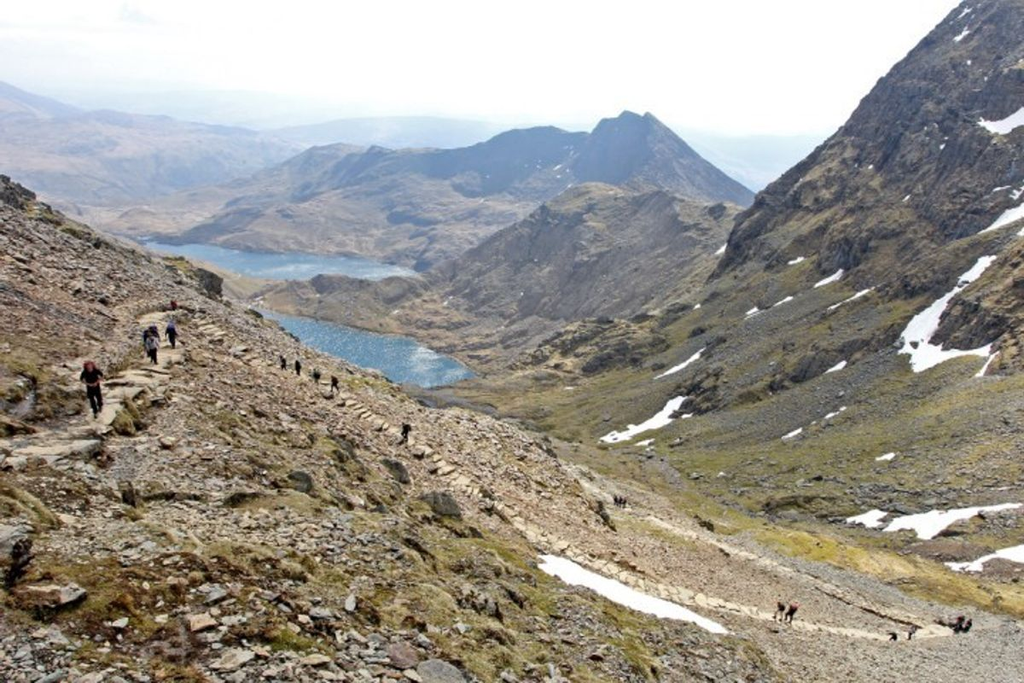
The wider environmental impact of the weather was equally remarkable. July was later declared the driest July for England and Wales since records began in 1836. The combination of prolonged dry conditions and extreme temperatures created an unusually challenging summer across the country. For outdoor enthusiasts, such weather can dramatically change the risks associated with familiar activities. A mountain route that might be manageable in cooler temperatures can become significantly more demanding during a heatwave. Dehydration can develop quickly, exhaustion can become severe, and the body’s ability to maintain a safe internal temperature can be overwhelmed.
Sophie Goodyer-Bird’s death has therefore become a tragic reminder of the importance of treating extreme weather seriously. While Mount Snowdon remains a popular and beautiful destination, its popularity should not lead visitors to underestimate the physical demands involved. The mountain’s changing conditions and challenging terrain require preparation at any time of year, while heatwaves can create additional dangers that may not always be obvious at the beginning of a walk.
Sophie’s family is now left to mourn the loss of a mother, beauty worker and loved one who died far too soon. The fact that she leaves behind a 12-year-old son adds another deeply emotional dimension to the tragedy. As the full inquest is scheduled to take place at a later date, questions surrounding the circumstances of Sophie’s death may be examined in greater detail. For now, the provisional finding of exertional heat stroke serves as an important warning about the dangers of combining strenuous physical activity with extreme temperatures.
The tragedy also reinforces the advice issued by national park authorities and emergency services: walkers should prepare carefully, carry sufficient water and supplies, monitor weather conditions and recognise when their body may be struggling with the effects of heat. Sophie Goodyer-Bird’s final walk on Mount Snowdon ended in circumstances that no family could have expected. A woman who had recently celebrated her 35th birthday and was the mother of a young son lost her life after becoming increasingly tired and collapsing during the descent from Wales’s highest peak.
Her death is a devastating personal tragedy for those who knew and loved her. It is also a powerful reminder that extreme heat can turn physical activity into a serious medical risk. As Britain and other countries continue to experience periods of unusually high temperatures, Sophie’s story underlines the importance of respecting weather warnings and understanding the dangers of heat-related illness.
The full circumstances surrounding her death will be considered when the inquest continues. Until then, Sophie Goodyer-Bird is remembered as a Birmingham mother and beauty worker whose life was tragically cut short after collapsing while descending Mount Snowdon during one of the UK’s intense summer heatwaves.
Determining whether a specific media server is active requires real-time diagnostic checks. Using tools to inspect m3u playlist stream status helps identify offline channels before updating your master configuration.
Converting product catalog images with text-to-video workflows into video ads for social campaigns allows digital brands to keep social channels updated constantly.
Been playing here for a couple of weeks and the win rate seems fair compared to other sites. idmc888 is definitely worth a try for serious players.