

The global mountaineering community has been left in mourning following the death of renowned British-Nepali climber Nirmal Purja, popularly known as “Nims Dai,” after a devastating avalanche struck his expedition on Pakistan’s Broad Peak. The tragedy unfolded on Thursday when an avalanche hit the international climbing team at high altitude, cutting off all communication with the expedition. After several days of difficult rescue operations involving both aerial and ground teams, rescuers recovered Purja’s body on Sunday along with several members of his team.
The incident claimed the lives of ten climbers in total, making it one of the deadliest mountaineering disasters in recent years. Purja’s death marks the loss of one of the most celebrated climbers of his generation, a man whose achievements transformed modern high-altitude mountaineering and inspired adventurers around the world. As tributes continue to pour in from fellow climbers, world leaders, and admirers, many are reflecting on the extraordinary journey of the mountaineer whose passion for pushing human limits ended on one of the world’s most challenging peaks.
The Broad Peak Avalanche That Claimed Ten Lives
The fatal avalanche struck Broad Peak, the world’s 12th-highest mountain, located in Pakistan’s Karakoram mountain range. Standing at more than 8,000 meters above sea level, Broad Peak is regarded as one of the most technically demanding mountains among the fourteen peaks that exceed 8,000 meters. Its unpredictable weather, steep terrain, and avalanche-prone slopes have challenged experienced climbers for decades.
Nirmal Purja was leading an international expedition on the mountain when disaster struck. The avalanche occurred on Thursday, abruptly ending communication with the expedition team. Rescue efforts began immediately but were hampered by extreme altitude, dangerous terrain, and unstable weather conditions. Teams searched both from the air and on foot, hoping against mounting odds that survivors might still be found.
By Saturday, Purja’s expedition company confirmed the devastating news that none of the team members had survived. The announcement sent shockwaves throughout the international climbing community, where Purja was widely respected for his remarkable achievements and leadership in high-altitude expeditions.
On Sunday, the Alpine Club of Pakistan confirmed that a ground rescue team had reached Purja’s body at approximately 5,700 meters on Broad Peak. The organization described the mountain as one he deeply loved but one that had ultimately claimed his life. Rescue teams began transporting four recovered bodies down the mountain, including Purja, two Nepali climbers, and one Chinese climber.
According to Alpine Club of Pakistan General Secretary Ayaz Shigri, rescuers also identified another body at a significantly higher elevation. However, the location and hazardous conditions make any immediate recovery attempt unlikely. The steep slopes, constant avalanche threats, and high-altitude environment continue to pose enormous risks even to experienced rescue personnel.
Earlier rescue missions had already recovered the remains of three other climbers, including an Omani woman, an American woman, and a Nepali man. Their bodies were flown to Skardu on Friday. The recovery operations highlighted the immense logistical challenges involved in mountaineering accidents at such extreme elevations, where weather conditions can change rapidly and helicopters often face operational limitations.
Nirmal Purja, ( @nimsdai ) who made history over the years by climbing the world’s highest peaks, has been confirmed dead after Broad peak avalanche !
— Ananda Nepali (@anandanepali99) August 1, 2026
Rest in Heaven, Nims Dai with others beautiful souls .
Video : Trek Nepal pic.twitter.com/LhZKiVMzmk
The loss of ten climbers has become one of the most tragic incidents on Broad Peak in recent memory. The mountain, first successfully climbed in 1957 by an Austrian expedition, has long been respected for demanding not only physical endurance but also technical precision and favorable weather. Even the world’s most accomplished climbers acknowledge that Broad Peak offers little room for error.
Who Was Nirmal Purja? The Record-Breaking Mountaineer
Nirmal Purja was far more than an elite climber. Born in Nepal, he rose from humble beginnings to become one of the most accomplished mountaineers in history, earning worldwide admiration for repeatedly accomplishing feats many experts once believed impossible. Before dedicating his life to climbing, Purja built an impressive military career. He served with Britain’s Brigade of Gurkhas, renowned for producing some of the world’s most disciplined soldiers. His abilities later earned him a place in the Special Boat Squadron of the Royal Marines, one of the United Kingdom’s elite special forces units.
The discipline, endurance, and resilience he developed during his military service became defining characteristics of his mountaineering career. After transitioning into full-time mountaineering and expedition guiding, Purja quickly established himself among the sport’s greatest climbers. Rather than simply completing difficult climbs, he consistently sought to redefine what was considered achievable in high-altitude mountaineering. His speed, stamina, and ability to perform under extreme conditions earned him international recognition.
Read : Avalanche Coach Jared Bednar Suffers Facial Fractures After Being Hit by Puck
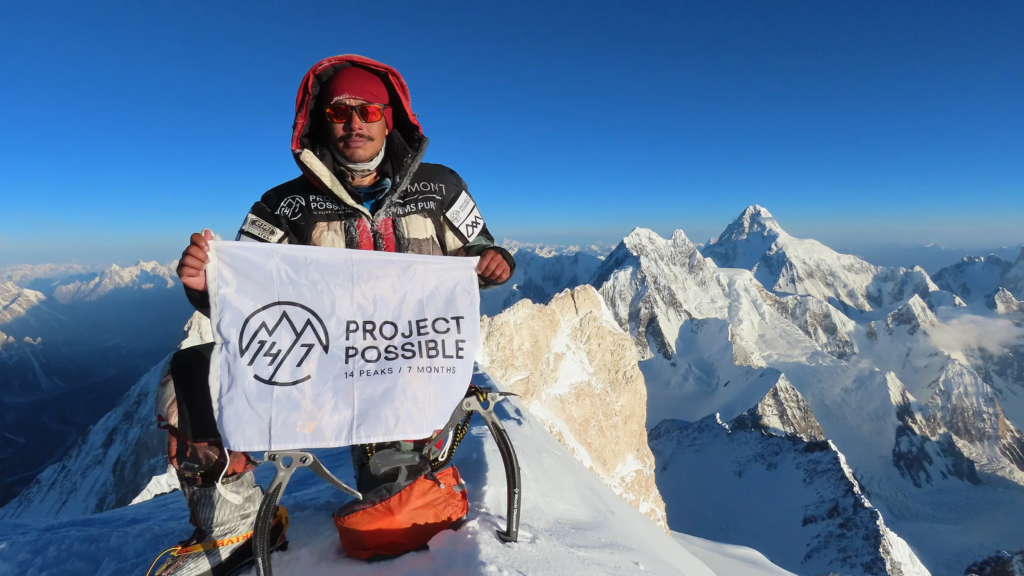
Purja became known for setting multiple climbing records while promoting Nepali mountaineers on the global stage. His accomplishments challenged long-standing assumptions about expedition timelines and human performance at high altitude. Even shortly before the fatal expedition, Purja remained focused on achieving another historic milestone. Just days before the avalanche, he wrote on social media that he was close to becoming the first climber ever to summit all fourteen mountains above 8,000 meters twice without using supplemental oxygen.
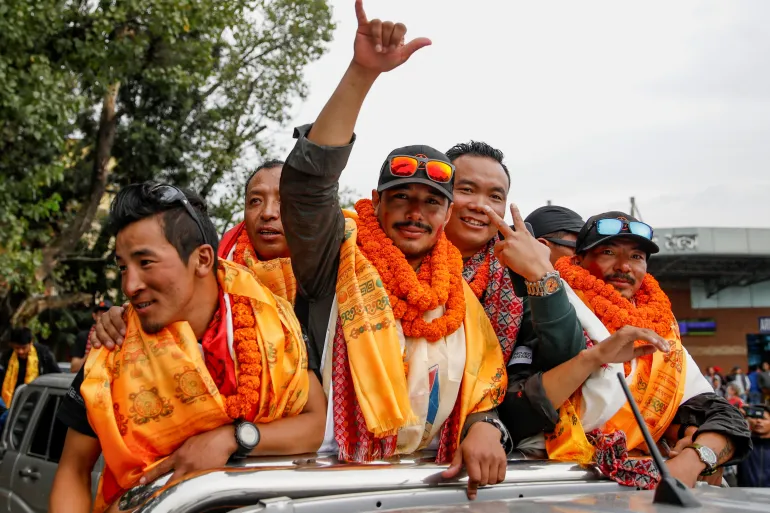
Such an achievement would have represented one of the greatest accomplishments in the history of mountaineering, given the immense physical demands of climbing at extreme altitude without bottled oxygen. In what has now become an especially poignant message, Purja shared a simple request before beginning the climb: “Broad Peak, I ask for nothing but safe passage up and back down.” The words have since been widely shared by climbers and admirers as a heartbreaking reminder of the unpredictable nature of high-altitude mountaineering.
Beyond his records, Purja became an influential ambassador for Nepal’s mountaineering community. Throughout his career, he emphasized the skills and professionalism of Nepali climbers, many of whom have historically played essential roles in Himalayan expeditions without receiving equal international recognition. His leadership inspired countless aspiring climbers in Nepal and around the world. Through his expeditions and public profile, he worked to elevate the reputation of Nepali mountaineers as world-class athletes rather than simply expedition support personnel.
His efforts significantly contributed to changing international perceptions within the climbing community. Purja’s reputation also extended beyond his climbing accomplishments. Fellow mountaineers frequently described him as determined, generous, and deeply committed to helping others succeed in some of the world’s harshest environments. His willingness to support fellow climbers and promote teamwork became central aspects of his legacy.
Worldwide Tributes Honor a Mountaineering Legend
News of Purja’s death prompted an immediate outpouring of grief from across the international community. Tributes came not only from fellow climbers but also from public figures who recognized his extraordinary achievements and influence. Britain’s Prince William expressed his condolences shortly after confirmation of the tragedy. Reflecting on Purja’s remarkable life, he noted that the climber had served with distinction in the British Armed Forces before becoming one of the world’s greatest mountaineers. He also acknowledged Purja’s role in bringing greater international recognition to Nepali climbers, saying he was deeply saddened by the loss of life.
Read : 23-Year-Old Kai Smart Dies of Complications from Being Buried in Avalanche
The tribute reflected the widespread respect Purja had earned throughout both his military and mountaineering careers. His journey from serving in elite military units to breaking global climbing records represented an extraordinary example of determination and perseverance. Within Nepal, the sense of loss has been especially profound. Purja had become one of the nation’s most recognizable sporting figures and a symbol of national pride. Fellow climbers and mountaineering organizations described his death as an unimaginable tragedy for Nepal and for the international climbing community.
Fur Gelje Sherpa, president of Nepal’s mountaineering association, described the incident as an unthinkable loss for both the mountaineering community and the nation. He emphasized that Purja had been deeply committed to promoting Nepal’s reputation worldwide and advancing the country’s mountaineering sector through his accomplishments. Other rescue personnel also shared emotional messages during the recovery operations. Veteran mountaineer Mingma G Sherpa posted a heartfelt tribute, expressing his determination to bring his fellow climbers home to their families despite the immense challenges facing the rescue teams.
The avalanche also renewed discussion about the risks faced by climbers attempting the world’s highest mountains. Even with modern equipment, improved forecasting, and extensive experience, avalanches remain among the most unpredictable and deadly hazards in mountaineering. High-altitude rescue operations are often limited by weather, terrain, and the physical effects of extreme elevation, leaving rescuers with few options once disaster strikes.
Broad Peak itself continues to command enormous respect among experienced climbers. Although overshadowed by nearby K2, the mountain is widely recognized as one of the most demanding climbs in the Karakoram. Its steep slopes, rapidly changing conditions, and technical challenges require exceptional preparation and judgment. The latest tragedy serves as another reminder that success on such mountains depends not only on skill but also on circumstances that can change within moments.
For many climbers, Nirmal Purja represented the spirit of ambition combined with humility. He continually sought to push beyond established limits while encouraging others to dream bigger and believe in what appeared impossible. His achievements inspired a new generation of mountaineers, particularly in Nepal, where his success demonstrated that local climbers could stand among the greatest in the world.
As rescue efforts conclude and the climbing community continues to mourn, Purja’s legacy remains defined not by the mountain that claimed his life but by the extraordinary accomplishments that transformed modern mountaineering. His record-breaking expeditions, commitment to promoting Nepali climbers, distinguished military service, and relentless pursuit of excellence ensured his place among the most influential mountaineers of his era. Though his final expedition ended in tragedy on Broad Peak, Nirmal Purja’s remarkable career and lasting impact on the world of climbing will continue to inspire adventurers for generations to come.
The login process is secure and fast. I love how stable the connection is even during peak hours. Log in at 333winlogin!
The registration process was a breeze and I was able to start playing in under two minutes. Everything feels very professional here at jilibet88loginregister
[7398]nabjee লগইন এবং অ্যাপ ডাউনলোড | সেরা অনলাইন স্লট গেম সাইট,nabjee লগইন করার নিয়ম জানুন এবং অ্যাপ ডাউনলোড করুন। বিকাশ দিয়ে অনলাইন ক্যাসিনো ডিপোজিট করে লাইভ ক্যাসিনো খেলার নিয়মাবলী শিখে আজই শুরু করুন। visit: nabjee
Hmm it looks like your website ate my first comment (it was extremely long) so I guess I’ll just sum it up what I had written and say, I’m thoroughly enjoying your blog. I too am an aspiring blog blogger but I’m still new to the whole thing. Do you have any tips for novice blog writers? I’d certainly appreciate it.