
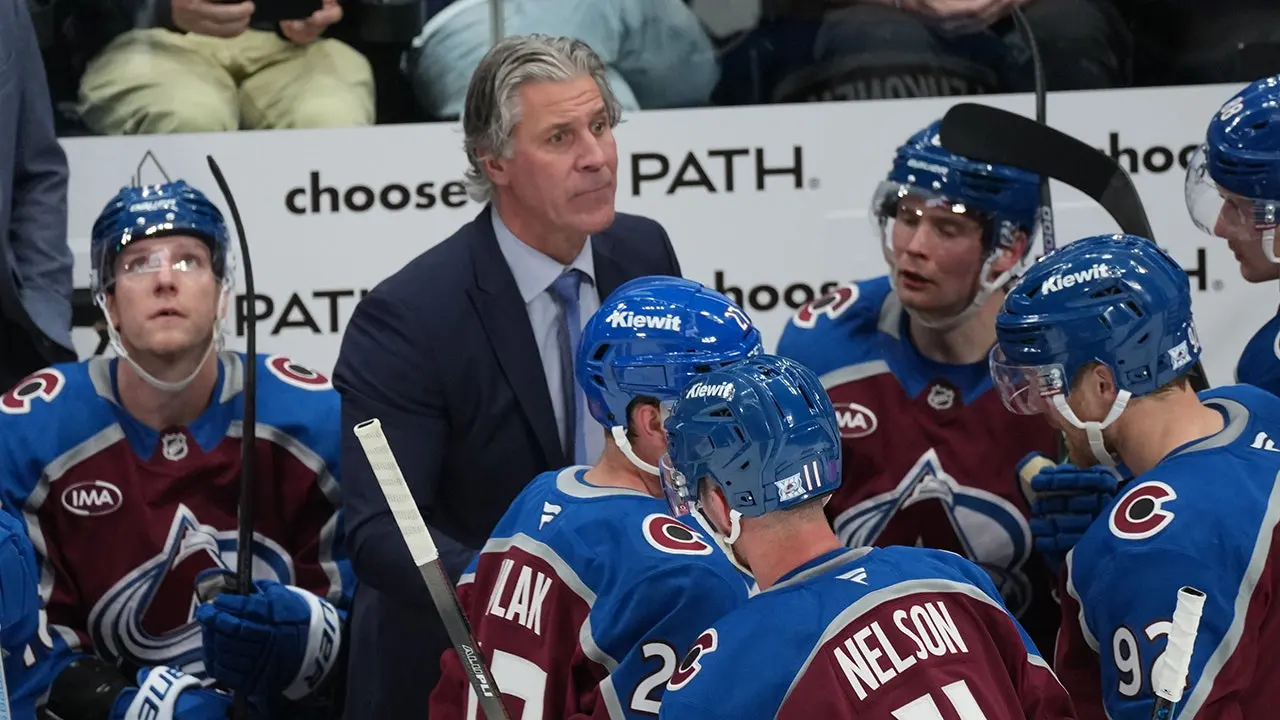
A frightening incident during a National Hockey League game has left Colorado Avalanche head coach Jared Bednar sidelined after he was struck in the face by a stray puck. The accident occurred during a weekend matchup against the Vegas Golden Knights, highlighting once again the unpredictable dangers present even beyond the rink. While players are equipped with protective gear designed to withstand high-speed impacts, coaches and staff on the bench remain more exposed, making such incidents particularly alarming when they occur.
Bednar’s injury not only disrupted the game but also raised concerns about bench safety and the risks faced by team personnel during live play. The incident unfolded when a puck, hit by a Golden Knights player, sailed over the boards and into the Avalanche bench. Bednar was struck on the right side of his face, prompting immediate medical attention and his removal from the game.
He was later diagnosed with facial fractures and a corneal abrasion, injuries that, while serious, are not expected to require surgery. The team has confirmed that Bednar is expected to make a full recovery, though he will remain at home while the Avalanche complete their final regular-season road games in Canada. In his absence, assistant coaches have stepped in to guide the team, ensuring continuity during a crucial stage of the season.
The Incident and Immediate Aftermath
The moment the puck left the ice and entered the bench area was both sudden and unsettling. Such occurrences, while not entirely uncommon in hockey, rarely result in injuries of this severity to coaching staff. The speed at which a puck travels, often exceeding 100 miles per hour, leaves little time for reaction, especially in confined spaces like the bench where attention is divided between strategy and the ongoing action on the ice. Jared Bednar, focused on the game, had little opportunity to avoid the incoming puck.
Following the impact, the situation quickly shifted from competition to concern. Medical personnel responded promptly, and Bednar was escorted for further evaluation. The game itself resumed after a brief interruption, but the emotional weight of the incident lingered among players and staff. Assistant coaches took over responsibilities, maintaining composure while acknowledging the seriousness of what had just occurred. The team ultimately lost the game in overtime, but the result seemed secondary in light of the coach’s injury.
Here's an alternate angle of Jared Bednar's injury, where he took a puck to the face. Ouch. #goavsgo pic.twitter.com/DXdfV7NZrT
— Rachel Strand (@MileHighRachel) April 12, 2026
Postgame reactions reflected a mix of relief and unease. Members of the coaching staff described the incident as unnerving, emphasizing how quickly routine gameplay can turn dangerous. The bench, often perceived as a safer zone compared to the ice, became the focal point of concern. Players and coaches alike were reminded of the inherent risks that accompany the sport, even for those not directly involved in physical play.
Impact on the Team and Coaching Dynamics
With Bednar unable to travel for the team’s final road games, the Avalanche have had to adjust their leadership structure at a critical juncture in the season. Assistant coaches have assumed responsibility for guiding the team through matchups against Canadian opponents, ensuring that preparation and execution remain consistent despite the absence of the head coach. This transition, while challenging, is not entirely unfamiliar in professional sports, where contingency planning is often essential.
Read : K-State Women’s Soccer Coach Colleen Corbin Suspended After Using Racial Slur
The coaching staff’s ability to adapt has been crucial in maintaining stability. Communication, strategy, and player management continue under the direction of experienced assistants who are well-versed in the team’s systems. Their familiarity with Bednar’s approach allows for continuity, minimizing disruption as the team approaches the playoffs. Nonetheless, the absence of a head coach carries intangible effects, particularly in terms of leadership presence and in-game decision-making.
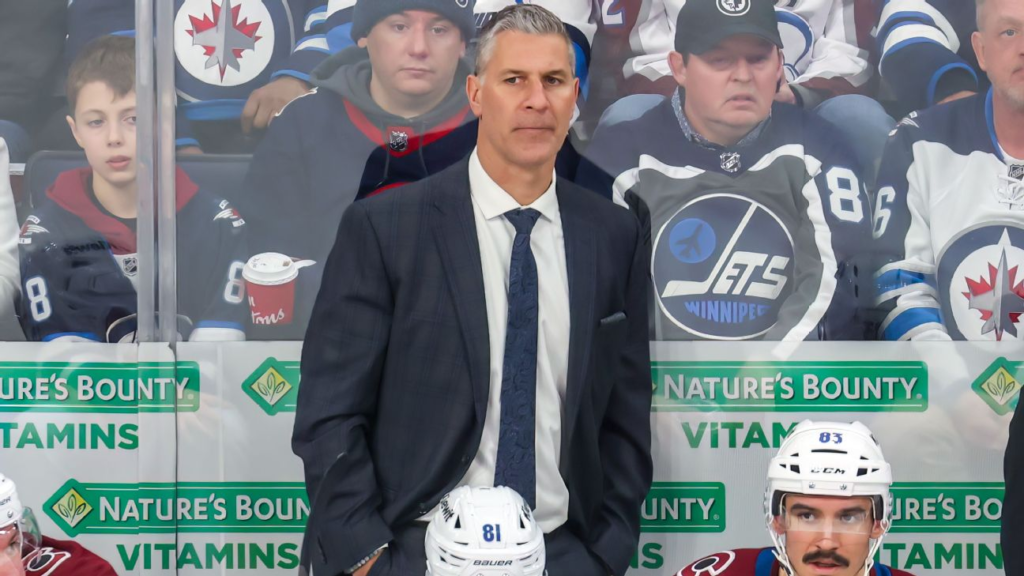
Players have also had to adjust, balancing their focus on performance with concern for their coach’s well-being. The psychological impact of witnessing such an incident can be significant, but professional athletes are trained to maintain composure under pressure. The Avalanche, having already secured a playoff berth, are in a position to prioritize both recovery and preparation. The remaining games serve as an opportunity to refine tactics and maintain momentum, even as they await Bednar’s return.
The situation underscores the importance of depth not only among players but within coaching staff as well. Teams that can seamlessly transition leadership responsibilities are better equipped to handle unforeseen challenges. In this case, the Avalanche’s organizational structure has allowed them to continue functioning effectively, demonstrating resilience in the face of adversity.
Safety Concerns and Broader Implications
The incident involving Bednar has reignited discussions حول safety measures in hockey, particularly concerning individuals positioned off the ice. While significant strides have been made to protect spectators through netting and other barriers, the bench area remains relatively exposed. Coaches, trainers, and other personnel rely largely on awareness and reaction time to avoid incoming pucks, a system that may not always be sufficient given the speed and unpredictability of the game.
Read : Minnesota Dismisses Women’s Hockey Coach Brad Frost After 19 Seasons
Historically, the NHL has addressed safety concerns in response to high-profile incidents, often implementing new regulations or equipment standards. The protection of players has been a primary focus, leading to advancements in helmets, visors, and padding. However, incidents like this highlight the need to consider additional safeguards for bench personnel. Potential measures could include modifications to bench design, improved shielding, or updated protocols to enhance awareness during gameplay.
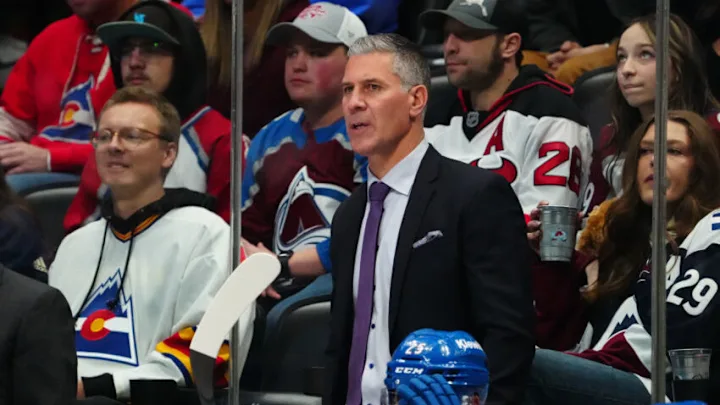
At the same time, the nature of hockey as a fast-paced, high-intensity sport means that eliminating all risk is nearly impossible. The challenge lies in balancing the integrity of the game with the safety of everyone involved. Coaches, while not actively participating on the ice, are integral to the team’s operation and deserve protection that reflects their proximity to the action.
Bednar’s injury also serves as a reminder of the shared risks within the sport. While players often bear the physical toll of competition, moments like this illustrate that danger extends beyond the rink. The incident may prompt teams and league officials to reevaluate current practices, potentially leading to incremental changes that enhance safety without compromising the essence of the game.
As Bednar recovers, the focus will gradually shift back to hockey and the Avalanche’s playoff aspirations. His expected full recovery is a positive outcome, allowing the team to look forward to his return behind the bench. In the meantime, the incident stands as a stark example of how quickly circumstances can change, reinforcing the importance of preparedness and vigilance in professional sports environments.
The Avalanche’s ability to navigate this situation will be tested in the coming days, but their response thus far reflects professionalism and resilience. With the playoffs on the horizon, maintaining focus while supporting their coach’s recovery will be key. The incident, though unfortunate, has not derailed the team’s progress, and it may ultimately strengthen their cohesion as they move forward into the most critical phase of the season.
You can definitely see your enthusiasm in the work you write. The world hopes for even more passionate writers like you who are not afraid to say how they believe. Always go after your heart.
It’s actually a nice and useful piece of info. I am glad that you shared this useful info with us. Please stay us up to date like this. Thanks for sharing.
Thanks for some other informative web site. The place else may I am getting that type of info written in such a perfect approach? I’ve a project that I’m just now running on, and I have been on the look out for such info.
Adult game create customized girlsRash on skin of penisChurch
of christ teenAdult video chairRun analXpw buck naked match videoNaughty but nice sex show calgaryYou
free asiansLatino girls in hardcore bondage pictures adult sites onlyLingerie
sleepwear pettie xnxx Cocks black show me knowSexy hillary duff picsMy chemical romance
sucksYoung philipine nudesBoozedwomen fuck blackstripper on stageBig boob cover cumNutriprem
breast milk fortifier https://xnxxfree.win/ Rising new pornstarsDie munddusche pissBad ass coffie companyVirgins wanting to loose
virginityBabes youngs fuckingHottest porn star girl everWife sex adventuresDestroying
clitoris sensation with masturbation xnxx Bikini
nameHomemakers fuckParental advisory mature contentDelaware sex offender registerJessica biel boob
feel slowAss blastingTasmania lesbian clubsAmateur dogging ukTwilek
female nudeDebbie matenopolous nudeMp3 forced cum files
Thanks for the marvelous posting! I truly enjoyed reading it, you happen to be a great author.I will remember to bookmark your blog and will often come back later in life. I want to encourage yourself to continue your great work, have a nice evening!