
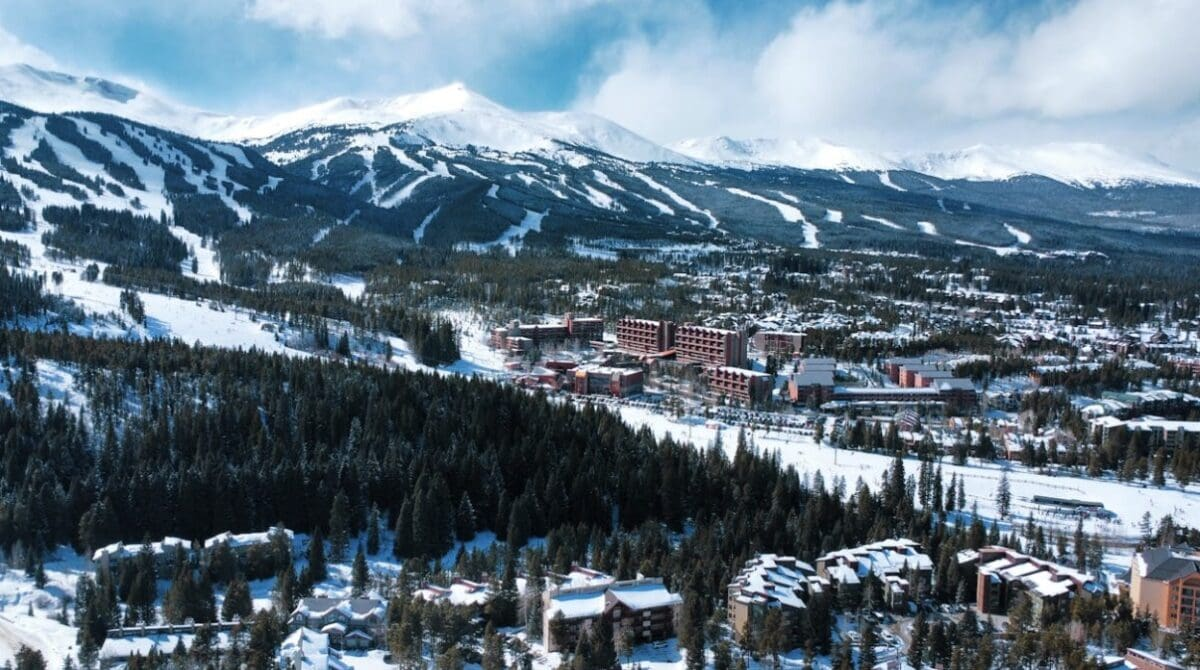
A significant labor dispute has emerged within the ski industry as nearly 2,000 current and former ski and snowboard instructors have taken legal action against Vail Resorts, one of the largest resort operators in the United States. The lawsuit, filed in federal court, centers on allegations that the company failed to properly compensate employees for essential job-related duties performed outside of scheduled working hours.
The case reflects broader concerns within seasonal and recreational employment sectors, where compensation structures often intersect with irregular schedules, equipment requirements, and job-related travel. As the legal process unfolds, the claims raised by the instructors bring renewed attention to wage practices and labor standards in the snow sports industry.
Allegations of Unpaid Labor and Wage Violations
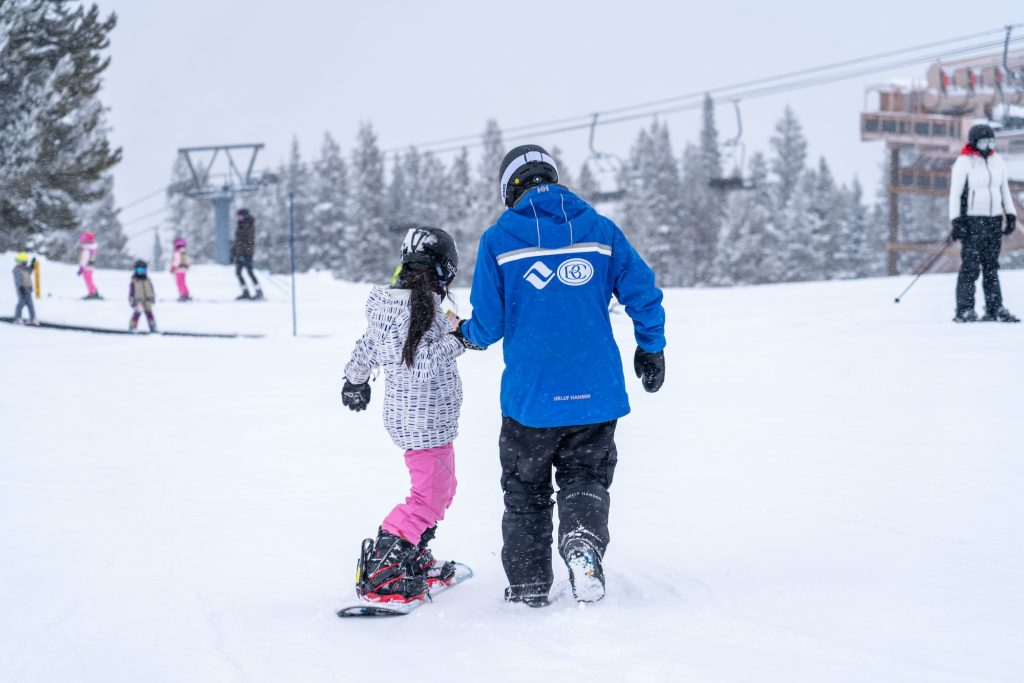
The lawsuit, formally titled Quint et al v. Vail Resorts, Inc., outlines multiple claims related to wage violations under the Fair Labor Standards Act. At the core of the case is the assertion that ski and snowboard instructors were required to perform various job duties without receiving proper pay. These duties allegedly included travel time between different job locations, time spent putting on and removing required uniforms, and attendance at mandatory training sessions. According to the plaintiffs, these activities were integral to their roles and should have been compensated as part of their regular working hours.
The instructors further claim that they were not paid overtime wages despite exceeding standard hourly thresholds, raising additional concerns about compliance with federal labor regulations. The Fair Labor Standards Act establishes guidelines for minimum wage, overtime pay, and recordkeeping, and the plaintiffs argue that these provisions were not adequately followed. The lawsuit suggests that such practices may have been systematic rather than isolated incidents, potentially affecting a large number of employees across multiple seasons.
In addition to wage-related claims, the lawsuit highlights concerns regarding unreimbursed expenses. Instructors allege that they were required to cover costs associated with necessary job equipment, including ski gear, as well as expenses related to work-related cell phone usage. These costs, the plaintiffs argue, were essential to fulfilling their job responsibilities and should have been reimbursed by the employer. The failure to do so, according to the complaint, effectively reduced their overall earnings below what would be considered lawful compensation.
Read : Video Shows Huge Landslide on Badrinath National Highway: Char Dham Yatra Suspended for Two Days
The case has drawn attention not only because of the number of individuals involved but also due to the nature of the allegations, which touch on common practices within the seasonal employment sector. Jobs that depend on fluctuating demand, such as ski instruction, often involve irregular hours and additional responsibilities that may fall outside traditional work schedules. The lawsuit raises questions about how such roles are classified and compensated, particularly when off-the-clock work becomes a routine expectation.
Scope of the Case and Employee Participation
The lawsuit applies to instructors who worked for Vail Resorts between December 2, 2017, and the 2025/26 ski season, making it relevant to a broad group of current and former employees. Reports indicate that approximately 24,000 individuals were notified of the case through mail and email communications, providing them with the opportunity to join the legal action. Despite the large pool of potential participants, around 2,000 individuals opted in by filing consent forms with the court.
Read : Gino Gusich and Stephanie Lichay Accused of Stealing Luxury Items from Palm Beach Resort
This discrepancy between the number of eligible participants and those who chose to join the lawsuit has raised questions among plaintiffs. Some have expressed concerns that not all eligible instructors received proper notification, potentially limiting participation. Others suggest that factors such as lack of awareness, uncertainty about legal proceedings, or hesitation to engage in litigation against a major employer may have influenced the response rate.
Participation in collective legal actions often depends on a range of factors, including the clarity of communication, the perceived strength of the case, and the willingness of individuals to become involved in potentially lengthy legal processes. In this instance, the number of participants still represents a substantial group, reflecting a shared concern among instructors about compensation practices.
The legal process itself is ongoing, with procedural steps continuing to shape the timeline of the case. A discovery hearing was scheduled following an order from a federal magistrate judge, which could impact deadlines and the scope of evidence considered. Discovery hearings typically involve the exchange of information between parties, allowing both sides to gather evidence, review documentation, and prepare arguments. The outcome of this phase can significantly influence how the case proceeds, including whether it moves toward settlement discussions or trial.
The case does not specify whether the alleged practices were tied to any particular resort location, despite Vail Resorts operating numerous properties. This broader framing suggests that the claims may relate to company-wide policies rather than isolated incidents at specific sites. Such a scope, if substantiated, could have implications for how compensation practices are reviewed and potentially revised across the organization.
Company Response and Industry Implications
Vail Resorts has denied any wrongdoing in response to the allegations. According to statements referenced in connection with the case, the company maintains that it has compensated snow sports instructors in accordance with applicable labor laws, including the Fair Labor Standards Act. The company asserts that its pay practices have been compliant and that instructors have been properly compensated for their work.
Read : Skier Dies After Fall on Stein’s Run at Sugarbush Resort
The company’s position sets the stage for a legal examination of compensation practices within a complex employment environment. Ski instructors often work under conditions that differ from traditional hourly roles, including variable schedules, weather-dependent operations, and a mix of instructional and logistical responsibilities. Determining how these factors align with federal wage laws will likely be a central issue in the case.
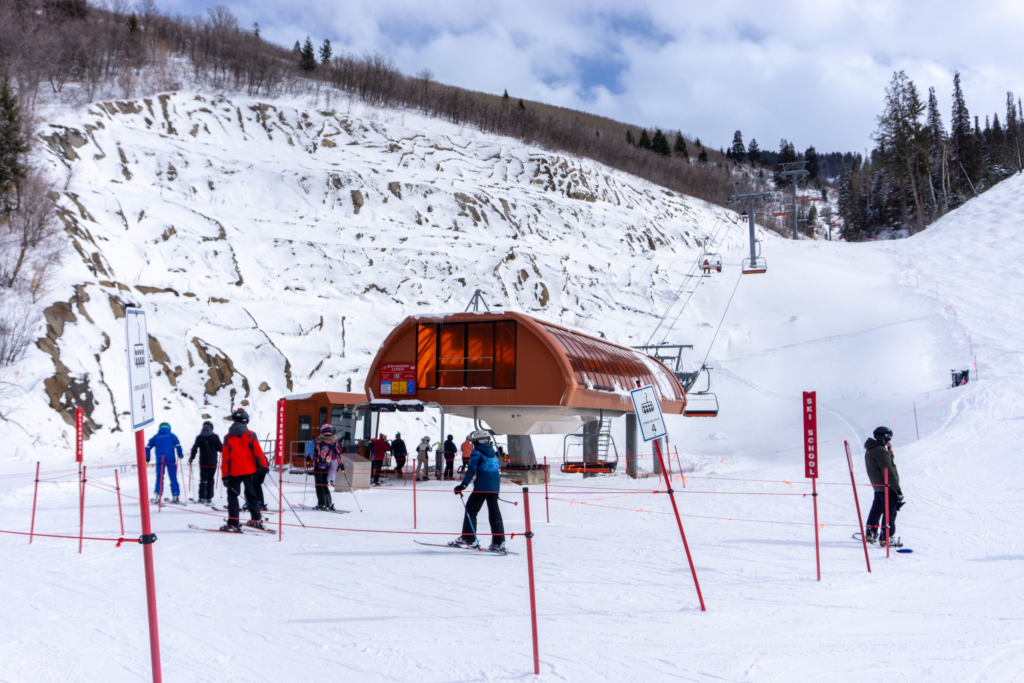
The lawsuit also brings attention to the broader economic structure of ski instruction roles. Data from job listing platforms suggests that instructors earn an average hourly wage of approximately $20.77. However, the plaintiffs argue that unreimbursed expenses and unpaid time effectively reduce their actual earnings. This distinction between nominal wages and net compensation is a key point in the case, as it highlights how additional costs and unpaid duties can impact overall income.
Beyond the immediate parties involved, the case may have wider implications for the ski industry and other sectors that rely on seasonal or part-time labor. Employers may face increased scrutiny regarding how they account for all aspects of employee work, including activities that occur outside traditional clocked hours. The outcome could influence how companies structure compensation, track work time, and communicate expectations to employees.
Labor disputes of this nature often contribute to evolving interpretations of employment law, particularly in industries where work patterns do not fit conventional models. If the court finds in favor of the plaintiffs, it could prompt changes not only within Vail Resorts but also across similar organizations seeking to ensure compliance and avoid similar legal challenges. Conversely, a ruling in favor of the company could reinforce existing practices, depending on how the court interprets the evidence and applicable laws.
As the case progresses, it remains a notable example of how large-scale employment practices can come under legal scrutiny. The involvement of thousands of workers underscores the importance of clear policies, accurate compensation, and adherence to labor standards. The final outcome will likely provide further clarity on how wage laws apply within the unique context of the ski and snowboard instruction industry.
I like what you guys are up too. Such clever work and reporting! Carry on the superb works guys I have incorporated you guys to my blogroll. I think it’ll improve the value of my web site 🙂
Its fantastic as your other blog posts : D, thankyou for putting up.
You should take part in a contest for one of the best blogs on the web. I will recommend this site!
why not try this out magazin online https://internet-magazin.pages.dev/