
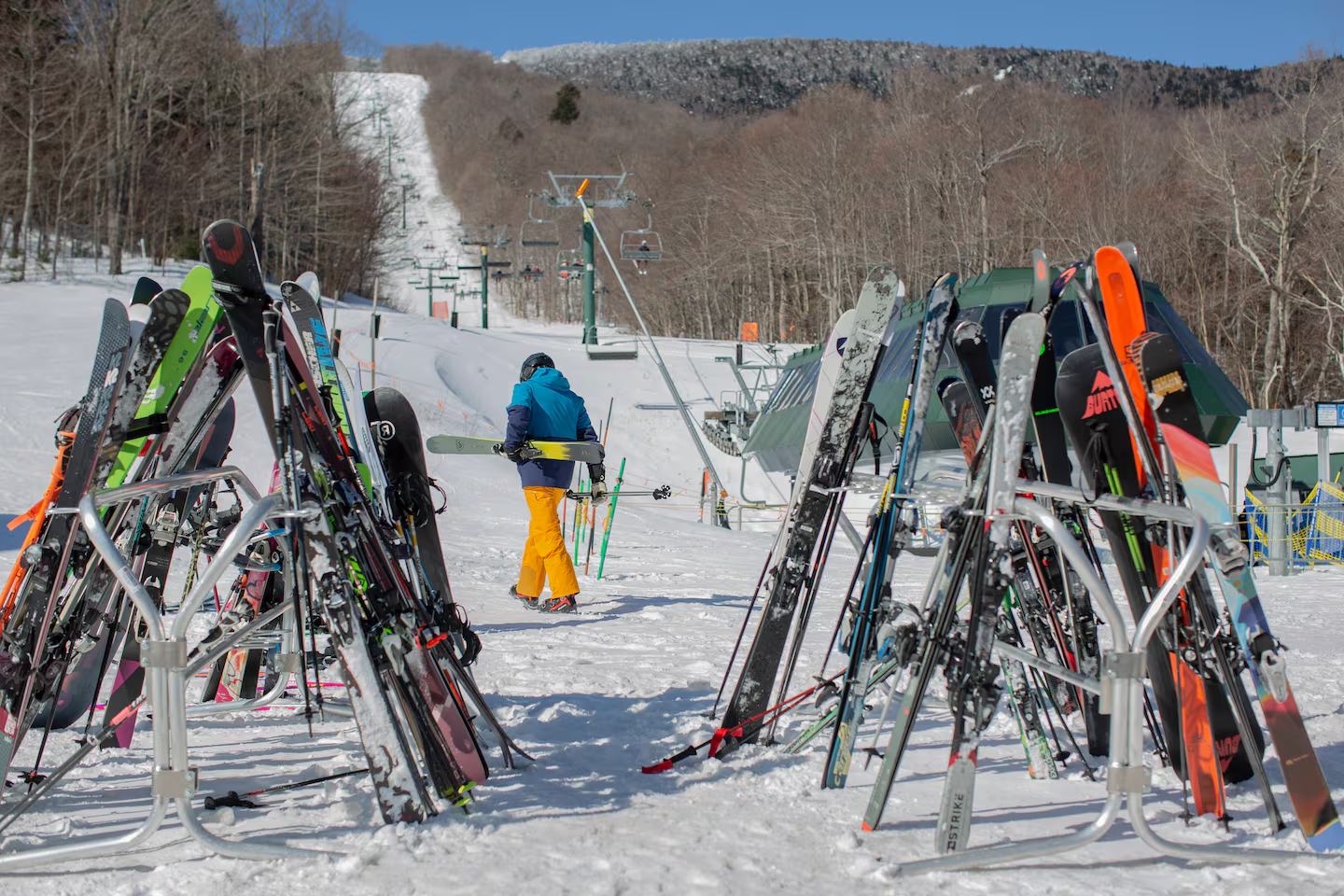
A tragic accident at a well-known Vermont ski destination has left one skier dead following a fall on one of the resort’s most recognized trails. Authorities confirmed that the incident occurred Saturday afternoon at Sugarbush Resort, where emergency responders were called after reports that a skier had suffered a fatal fall. The event unfolded on Stein’s Run, a trail known for its steep terrain and challenging conditions, drawing both experienced and adventurous skiers throughout the winter season.
Despite rapid response efforts from ski patrol and medical personnel, the individual could not be saved, and the incident has prompted an official investigation to determine the exact cause of death. The Vermont State Police reported receiving the call at approximately 3:26 p.m. Emergency crews quickly mobilized to the scene, where ski patrol members had already located the unresponsive skier.
According to initial findings, the man had fallen while descending Stein’s Run at the resort’s Lincoln Peak and subsequently slid off the marked trail into a wooded area. The terrain beyond groomed trails can be unpredictable and hazardous, particularly when combined with speed and steep gradients. The skier was transported to the base area, where he was met by ambulance personnel, but he was pronounced dead due to the severity of his injuries. Officials have indicated that there is no evidence of foul play, and the case is being treated as a tragic accident.
Details of the Incident and Emergency Response
The sequence of events, as outlined by authorities, underscores how quickly conditions can turn dangerous on advanced ski terrain. Stein’s Run, widely regarded as one of the more difficult trails at the resort, presents a steep vertical drop and requires a high level of control and awareness. While it is a popular route for experienced skiers, it can pose significant risks, particularly when conditions such as snow quality, visibility, or skier traffic are less than ideal. In this case, investigators believe the skier lost control during descent, leading to a fall that carried him off the trail and into a wooded section.
Ski patrol teams, trained to respond to emergencies across varied mountain terrain, located the individual after he was reported missing or seen in distress. Their ability to navigate difficult areas and provide immediate aid is often critical in such situations. Upon reaching the skier, patrol members found him unresponsive and initiated transport procedures to bring him down the mountain as quickly as possible. At the base, additional medical support from the Mad River Valley Ambulance team was already in place. Despite these efforts, the injuries sustained proved fatal.
Emergency responses in ski resorts often involve coordinated efforts between patrol units, local emergency medical services, and sometimes law enforcement. In this incident, the rapid arrival of responders reflects established safety protocols designed to minimize response time. However, even with efficient systems in place, the severity of injuries in high-impact falls can limit the effectiveness of medical intervention. Authorities have not yet released the identity of the victim, pending notification of family members.
Read : Unveiling the Mysteries of Tanah Lot Temple: 21 Mind-Boggling Facts
The Vermont State Police have initiated a standard investigation into the circumstances surrounding the fall. While early assessments indicate no suspicious factors, officials are expected to review trail conditions, witness accounts, and any available evidence to construct a complete understanding of what occurred. An autopsy has been scheduled at the Office of the Chief Medical Examiner in Burlington, which will provide further clarity regarding the cause of death.
Risks Associated with Advanced Ski Terrain
Incidents like this highlight the inherent risks involved in alpine skiing, particularly on trails designed for advanced or expert-level participants. Stein’s Run, known for its steep pitch and sustained gradient, is a trail that demands strong technical ability and confidence. Even for skilled skiers, maintaining control on such terrain requires constant attention to balance, speed, and environmental factors. A momentary lapse in control or an unexpected change in snow conditions can lead to serious consequences.
One of the primary dangers on steep runs is the potential for high-speed falls. As skiers descend, gravity accelerates movement, making it more difficult to recover from instability. When a fall occurs at speed, the skier may slide a considerable distance before coming to a stop, increasing the likelihood of impact with obstacles such as trees, rocks, or uneven ground. In this case, the skier’s slide into a wooded area suggests that he was unable to regain control before leaving the marked trail.
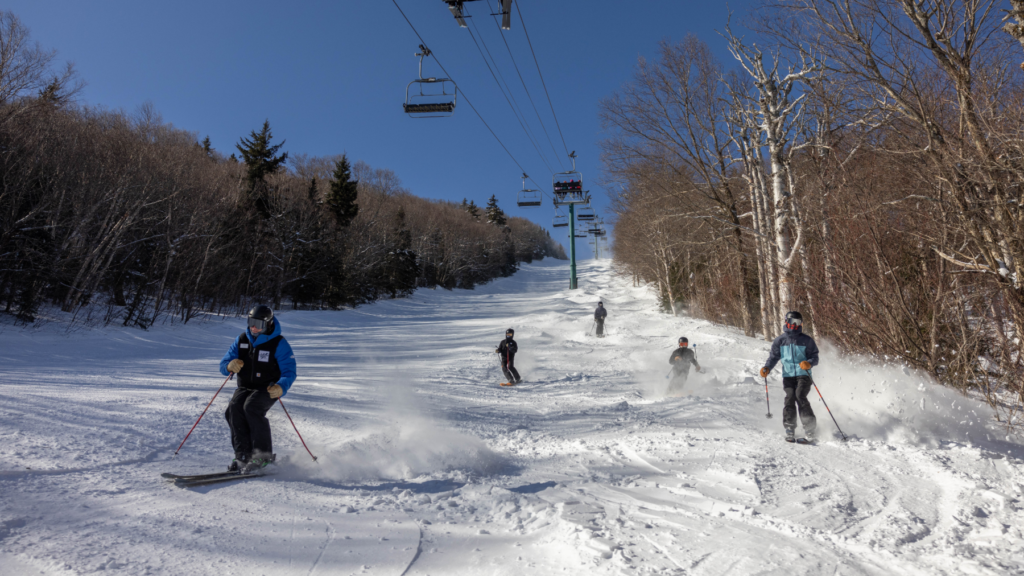
Environmental conditions also play a significant role in ski safety. Factors such as ice patches, soft powder, moguls, or changing visibility can all influence how a skier navigates a trail. While resorts regularly groom and monitor their slopes, natural variations in weather and usage can create unpredictable conditions throughout the day. Even familiar trails can present new challenges depending on these variables.
Another consideration is skier fatigue. Long hours on the slopes can reduce reaction time and physical coordination, increasing the risk of accidents. As the incident occurred in the afternoon, it is possible that accumulated fatigue may have been a contributing factor, although this remains speculative pending the results of the investigation. Equipment performance, including ski bindings and boots, can also influence safety, though no details have been released regarding these aspects in this case.
Ski resorts typically classify trails to help participants choose routes that match their skill level. However, classification alone cannot eliminate risk. Advanced trails are inherently more dangerous due to their design, and even experienced individuals must approach them with caution. The presence of wooded areas alongside trails further increases the potential for injury if a skier exits the designated path.
Ongoing Investigation and Broader Safety Awareness
As authorities continue their investigation, attention is likely to focus on gathering comprehensive information about the incident. This includes examining the exact location of the fall, assessing trail conditions at the time, and reviewing any witness statements or patrol reports. The autopsy results will be a key component in determining the precise cause of death, particularly in understanding whether the fatal injuries were sustained during the fall itself or as a result of subsequent impacts.
While the death does not appear to involve any criminal or suspicious elements, standard investigative procedures are essential to ensure that all aspects are thoroughly documented. Such investigations can also contribute to broader safety assessments, helping resorts and authorities identify potential improvements in trail management, signage, or emergency response protocols. In many cases, findings from individual incidents inform ongoing efforts to enhance skier safety across the industry.
The incident serves as a reminder of the unpredictable nature of outdoor recreational activities, especially those involving speed and challenging terrain. Skiing, while widely enjoyed, carries inherent risks that cannot be entirely eliminated. Awareness, preparation, and adherence to safety guidelines remain critical for all participants. This includes understanding trail difficulty, maintaining proper equipment, and recognizing personal limits.
For ski resorts, maintaining a balance between providing challenging experiences and ensuring safety is an ongoing priority. Measures such as regular trail inspections, clear signage, and well-trained patrol teams are essential components of this effort. However, individual decision-making on the slopes also plays a crucial role in preventing accidents.
As the investigation continues, the focus remains on understanding the circumstances of the fall and providing closure to those affected. The identity of the skier is expected to be released once family notifications are complete. In the meantime, the incident stands as a sobering example of how quickly a routine day on the slopes can turn tragic, even in environments designed with safety measures in place.