
A violent incident inside a New York City subway station has led to murder charges against a Brooklyn man following the death of an elderly Air Force veteran. The case has drawn significant attention due to the brutality of the act, the vulnerability of the victims, and the accused’s prior history with law enforcement and immigration authorities. Authorities say the attack was captured on video, showing a sudden and unprovoked assault that left two individuals injured and one ultimately dead. The incident has intensified public concern about subway safety and the broader implications of repeat offenders within the criminal justice system.
Details of the Subway Attack and Victims
The incident involved 83-year-old Richard Williams, a veteran of the United States Air Force, who was pushed onto subway tracks along with a 30-year-old man. According to investigators, the suspect approached the victims and shoved them without warning before fleeing the scene on foot. The suddenness of the attack left little opportunity for the victims to react or protect themselves, resulting in severe injuries.
Emergency responders transported both victims to a hospital, where they were treated for their injuries. Williams, due to his age and the severity of the fall, suffered critical trauma and was placed on life support. Despite medical efforts, he later succumbed to his injuries, turning what was initially classified as an attempted murder case into a homicide investigation. The second victim survived but sustained injuries that required medical attention.
The randomness of the attack has been particularly alarming. Authorities have not indicated any prior connection between the suspect and the victims, suggesting that the act may have been entirely unprovoked. This has heightened concerns among commuters, especially elderly passengers who may be more vulnerable in crowded or unpredictable transit environments.
Arrest, Charges, and Legal Developments
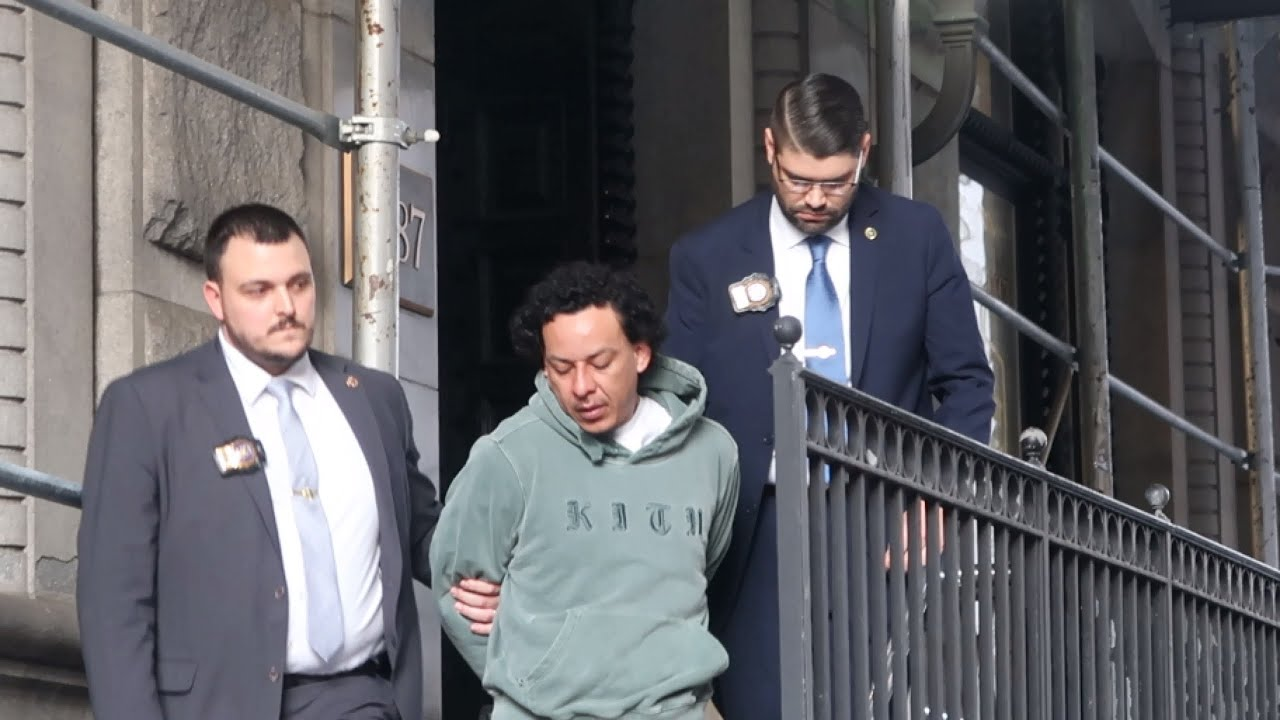
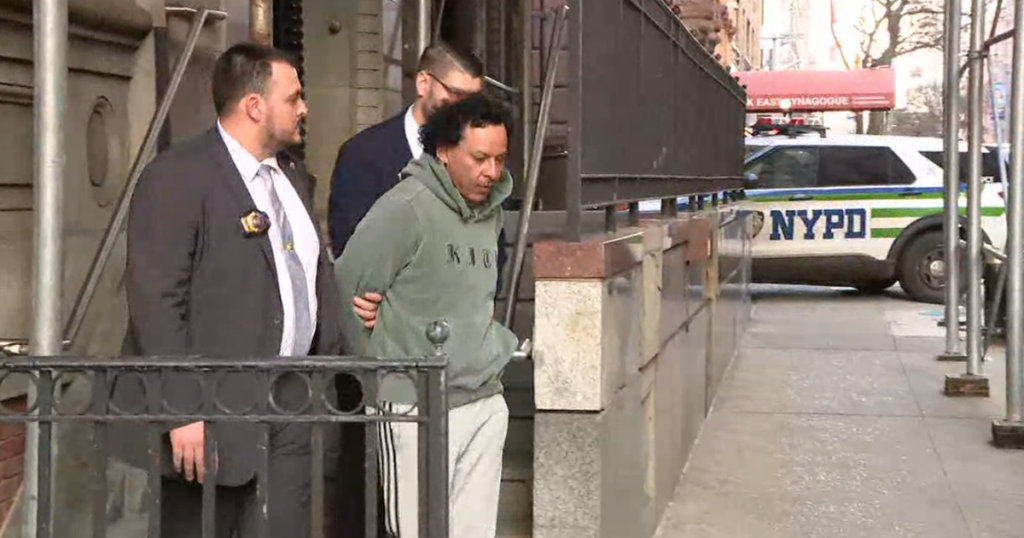
Following the attack, law enforcement officials released surveillance footage to the public in an effort to identify the suspect. The video reportedly showed the attacker moments after the incident, providing crucial evidence that led to his identification. Public assistance played a role in the investigation, and police arrested 34-year-old Bairon Hernandez on March 10. Initially, Hernandez faced charges including attempted murder, assault, and other related offenses. However, after Richard Williams died from his injuries, prosecutors upgraded the charges to murder.
The decision to elevate the charges reflects the legal principle that when a victim dies as a result of injuries sustained in an attack, the severity of the charges must correspond to the outcome. The Manhattan District Attorney’s office confirmed the upgraded charges, signaling a more serious legal battle ahead for the accused. If convicted of murder, Bairon Hernandez could face a lengthy prison sentence, potentially including life imprisonment.
Bairon Hernandez’s public defenders have not issued a detailed response regarding the allegations. A spokesperson for New York County Defender Services stated that the defense team has yet to review the indictment, complete its investigation, or examine the extensive evidence expected in the case. This indicates that legal proceedings are still in the early stages, and further developments are likely as both sides prepare their arguments.
Read : Where is Rakesh Sharma, the First Indian to Go to Space, and What is He Doing Now?
The case is expected to involve significant evidence, including surveillance footage, witness testimony, and forensic analysis. Prosecutors will likely focus on establishing intent and demonstrating that the act directly caused the victim’s death, while the defense may challenge aspects of the evidence or raise questions about the circumstances surrounding the incident.
Background of the Accused and Broader Implications
Information released by federal authorities has added another layer of complexity to the case. According to the Department of Homeland Security, Bairon Hernandez is a Honduran national who has been deported from the United States four times since first entering the country illegally in 2008. Authorities allege that he reentered the country a fifth time at an unknown date and location.
In addition to his immigration history, Hernandez reportedly has a lengthy criminal record that includes 15 prior charges. These charges span a range of offenses, including simple assault, domestic violence, obstruction of police, possession of a weapon, drug possession, and aggravated assault. While prior charges do not determine guilt in the current case, they may influence how authorities and the public view the incident.
Read : Ciara Frederick Facing Murder Charge in Stabbing Death of 10-Month-Old Infant
Officials from the Department of Homeland Security have expressed concern over the circumstances that allowed Bairon Hernandez to remain in the country despite previous deportations and encounters with law enforcement. Statements from agency representatives suggest frustration with systemic gaps that may have contributed to the situation.
The case has also sparked broader discussions about public safety in urban transit systems. Subway platforms, by their nature, present inherent risks due to the proximity of passengers to active train tracks. Incidents involving individuals being pushed onto tracks, though relatively rare, tend to generate widespread fear due to their unpredictability and potential for fatal outcomes.
City officials and transit authorities may face renewed pressure to implement additional safety measures, such as increased surveillance, a stronger police presence, or physical barriers in high-risk areas. Public awareness campaigns encouraging vigilance and caution near platform edges could also become part of the response.
Beyond transit safety, the case raises questions about how repeat offenders are monitored and managed within the criminal justice system. The existence of prior charges and deportations has led to scrutiny over whether earlier interventions could have prevented the incident. While it is not possible to predict individual acts of violence with certainty, cases like this often prompt calls for policy reviews and reforms aimed at reducing the likelihood of similar incidents.
The legal process will ultimately determine Hernandez’s guilt or innocence in relation to the murder charge. As the case proceeds, it is likely to remain in the public eye, not only because of the tragic loss of life but also due to the broader issues it highlights. For the family of Richard Williams, the focus remains on justice for a loved one whose life ended in a sudden and violent manner during what should have been a routine moment in a public space. The incident serves as a stark reminder of the vulnerabilities present in everyday environments and the far-reaching consequences of violent acts.