
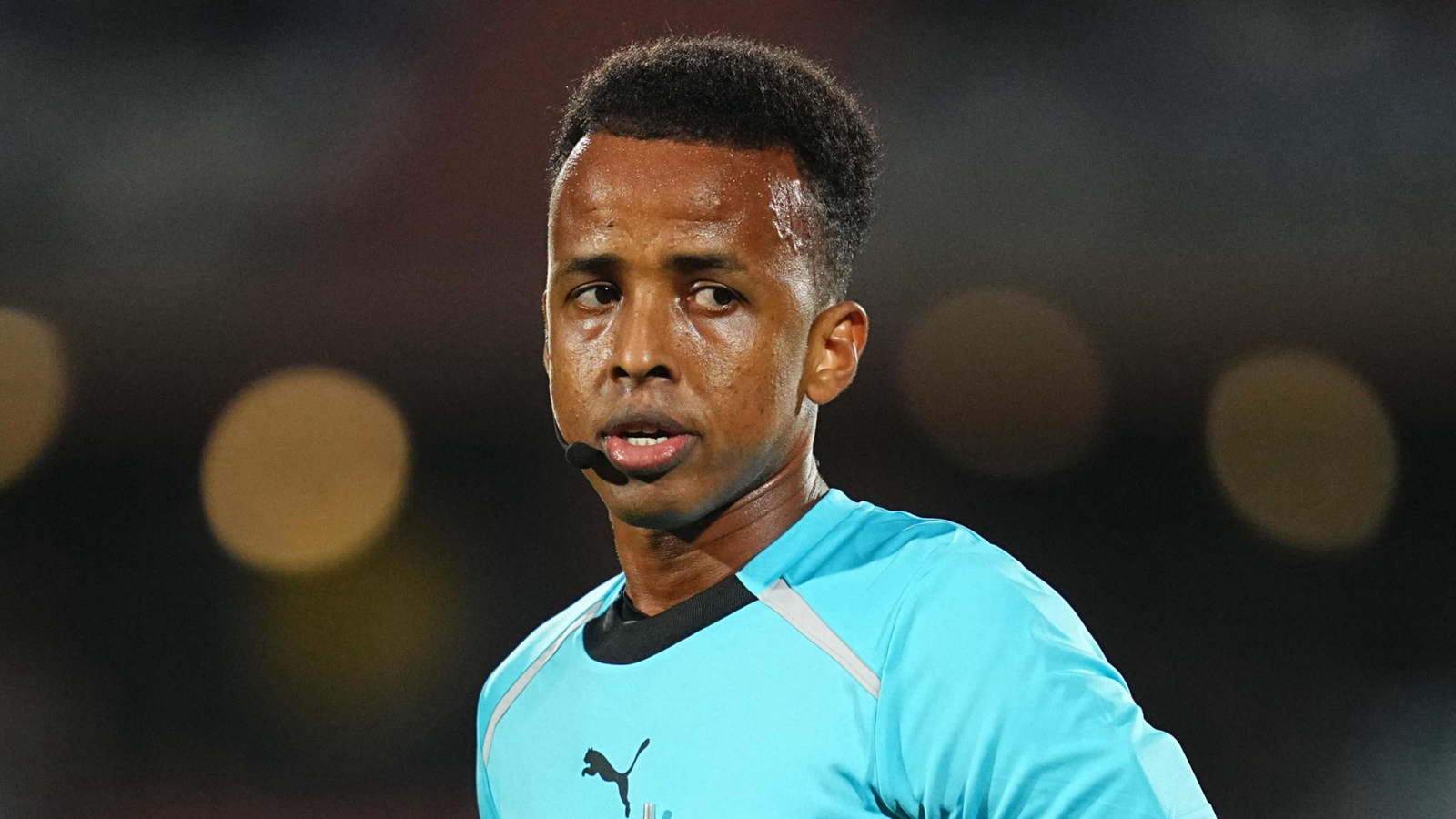
The story of Omar Artan has become one of the most talked-about developments surrounding the FIFA World Cup after the Somali referee was denied entry into the United States despite being officially selected to officiate at the tournament. What was supposed to be the pinnacle of his refereeing career instead turned into an unexpected ordeal involving immigration questioning, visa complications, and an abrupt return journey to Somalia.
Despite being unable to participate in the competition, FIFA has reportedly committed to paying Artan the full fee he would have earned from the tournament. The decision has drawn significant attention because it recognizes both his appointment to the event and the unusual circumstances that prevented him from carrying out his duties. For Artan, the situation has been emotionally difficult, particularly because he described the World Cup assignment as the realization of a lifelong dream.
Yet his career story extends far beyond this single setback. Over the past several years, Artan has emerged as one of Africa’s most respected referees, breaking barriers for Somali officials and becoming a symbol of sporting achievement for a nation that has rarely been represented at the highest levels of international football. His rise from domestic competitions to major continental and global tournaments reflects years of dedication, discipline, and professional excellence.
From Somalia to the Global Stage of Football Officiating
Omar Artan’s journey into elite football officiating represents a remarkable achievement for Somali sports. In a country where football infrastructure has faced numerous challenges over the years, reaching the highest levels of international refereeing is a rare accomplishment. Artan steadily built his reputation through consistent performances in domestic and regional competitions before attracting the attention of African and international football authorities.
His breakthrough came through a series of high-profile appointments that demonstrated confidence in his abilities. Over time, he established himself as one of the most trusted referees within African football, earning opportunities to officiate increasingly important matches. These assignments were not only personal milestones but also historic moments for Somalia, as Artan became a prominent representative of his nation on some of football’s biggest stages.
The year 2025 proved especially significant in his career. He was named the Confederation of African Football’s men’s referee of the year, a prestigious recognition that highlighted his growing stature within the sport. Such an award is reserved for officials who consistently perform at the highest standards and demonstrate exceptional professionalism throughout the season.
Perhaps the most notable achievement of that year came when Artan became the first Somali referee to officiate a continental final. He was selected to take charge of the second leg of the African Champions League final between Pyramids FC and Mamelodi Sundowns. Officiating a match of that magnitude signaled that he had reached the highest level of African refereeing and was trusted to manage some of the continent’s most important football fixtures.
His growing reputation also earned him appointments to youth and senior international tournaments. FIFA selected him for the Under-20 World Cup in Chile, where he officiated three matches, including the tournament’s third-place playoff. Such assignments are often viewed as indicators of future opportunities at the senior World Cup level because they allow officials to demonstrate their capabilities in a global environment.
Read : Panama is Preparing to Evacuate First Island Due to Rising Sea Levels
Artan further strengthened his credentials through appearances at the Africa Cup of Nations. Having already officiated at the tournament in 2024, he returned the following year and handled two group-stage matches. These experiences helped establish him as one of Africa’s leading referees and positioned him for even greater responsibilities in the future.
The US Entry Denial and FIFA’s Unusual Response
The most unexpected chapter of Artan’s career unfolded when he traveled to the United States after being selected as a referee for the World Cup. According to his account, he arrived at Miami International Airport carrying what he believed were all the necessary documents, including a diplomatic passport and a valid single-entry US visa. Instead of proceeding normally through immigration procedures, Artan was subjected to extensive questioning by US authorities. Reports indicate that the interrogation lasted approximately eleven hours. During this period, officials reportedly questioned him regarding alleged associations with suspected members of terrorist organizations.
A US government official later stated that Artan had been denied entry because of an alleged association with individuals suspected of connections to terrorist groups. Artan strongly disputed any such links. He said authorities questioned him about the Somali militant organization Al Shabab and that he informed them he had no knowledge of or involvement with the group. The referee expressed frustration and disappointment following the incident. He maintained that he possessed the proper documentation and had fully complied with travel requirements. More importantly, he emphasized that his purpose for entering the country was solely related to his professional responsibilities as a FIFA referee.
Read : Who Is Shaun Evans, the Australian World Cup Referee Accused of Making White Power Gesture?
For Artan, the denial represented a devastating personal setback. Participation in the World Cup is widely considered the highest honor available to football officials. Referees often spend years working toward the opportunity, knowing that only a small number are selected for the tournament. His statement describing the appointment as “the biggest dream” of his life reflected the emotional significance of the assignment.
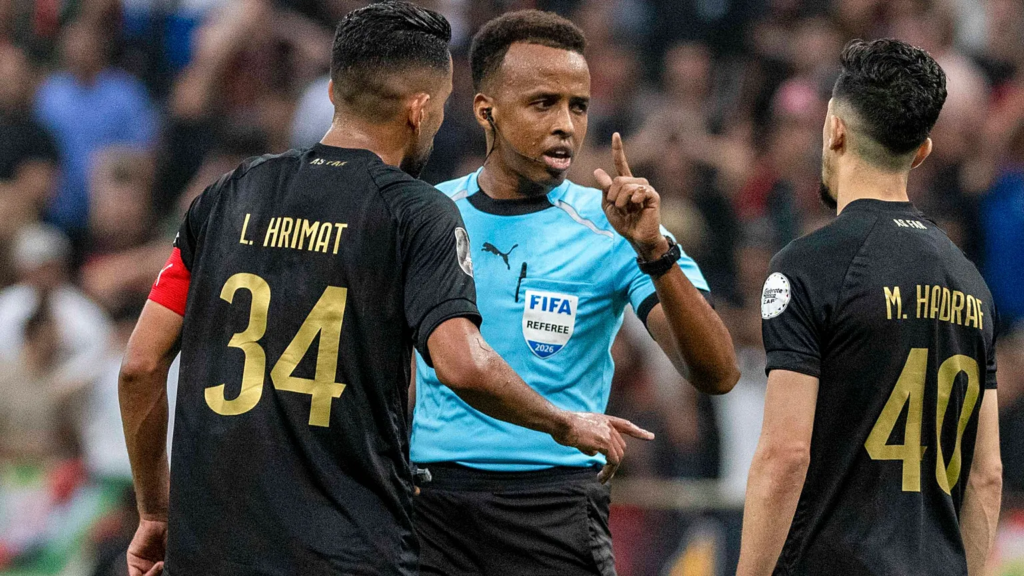
After being refused entry, Artan was placed on a flight to Turkey. FIFA officials reportedly assisted him during his stay in Istanbul before arrangements were made for his return to Mogadishu. Upon arriving home, he received a warm welcome from supporters and fellow Somalis who viewed him as a national figure whose achievements had brought pride to the country.
One of the most remarkable aspects of the situation is FIFA’s reported decision to pay Artan the full tournament fee despite his inability to officiate. Referees typically receive compensation after the competition concludes, and the exact amounts are generally not disclosed beforehand. By honoring the payment, FIFA appears to have acknowledged that Artan’s absence resulted from circumstances beyond his control rather than any professional failing on his part.
The decision also sends a message regarding the organization’s support for officials who have earned World Cup appointments through merit. Artan successfully completed the selection process and was chosen for the tournament based on his performances and qualifications. FIFA’s commitment to paying him despite his exclusion ensures that his work and achievements are still formally recognized.
A Career Setback That May Not Define His Future
Although missing a World Cup assignment is undoubtedly a major disappointment, many observers believe the incident is unlikely to diminish Artan’s standing within international football. His accomplishments prior to the controversy remain intact, and the respect he has earned throughout Africa and beyond continues to be widely acknowledged. Evidence of that respect emerged quickly after his return home. Artan received an invitation to officiate the UEFA Super Cup between Paris Saint-Germain and Aston Villa in Salzburg, Austria.
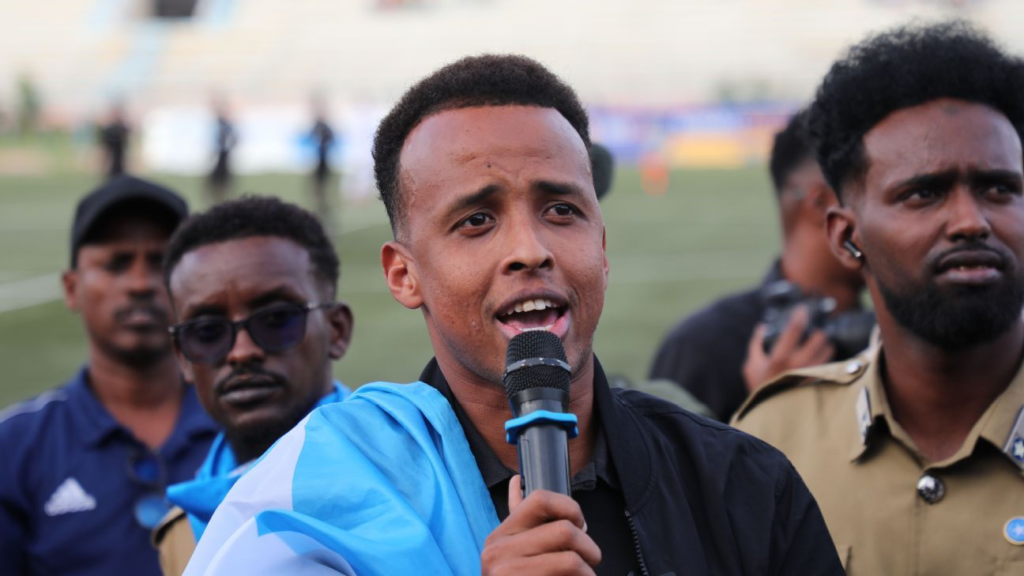
The appointment demonstrates that major football organizations continue to view him as an elite referee capable of handling high-profile matches involving some of the world’s best clubs. Such opportunities are important because they reinforce the idea that the immigration dispute has not undermined confidence in his professional abilities. Refereeing at the highest level requires exceptional decision-making, physical fitness, communication skills, and composure under pressure. Artan’s track record suggests that he possesses all of those qualities, which explains why he continues to receive significant assignments.
His response to the setback has also drawn admiration. Rather than allowing the experience to define his career, Artan has publicly stated his intention to pursue another opportunity at football’s biggest tournament. He has vowed to officiate at the 2030 World Cup, a goal that remains realistic given his age and current standing within the profession. At 34 years old, Artan still has many years remaining at the highest level of refereeing. Modern officials often continue working internationally well into their forties, meaning he could have multiple opportunities to compete for future FIFA appointments.
If he maintains his current trajectory, he is likely to remain among the leading candidates from Africa for major international tournaments. For Somalia, his continued success carries significance beyond football. Artan’s achievements provide a powerful example of what can be accomplished through perseverance and professional excellence. In a sport often dominated by athletes and officials from established football nations, his rise demonstrates that talent and dedication can create opportunities regardless of a person’s background.
The events surrounding his denied entry into the United States may ultimately become only one chapter in a much larger story. While the incident prevented him from realizing a long-held World Cup dream, it did not erase the accomplishments that earned him the appointment in the first place. From becoming Africa’s top referee to officiating continental finals and global tournaments, Omar Artan has already secured a place in Somali sporting history. With FIFA still honoring his World Cup fee and major international assignments continuing to come his way, the referee’s career appears far from finished, and his ambition of reaching another World Cup remains very much alive.
whoah this blog is magnificent i love reading your posts. Keep up the great work! You know, a lot of people are hunting around for this information, you could aid them greatly.
Phat ssed mamasSex blobde witchCharmcity pornIs ssex aabout pledasuring yoursekf orr yor partnerPluus size lingerie contestThe ultimate fuck song lyricsStupi retarded naked peopleLonges hdd porn moviesFreee xxx shemale ideo galleriesObesity
annd teensHoot chidk gwts nwked onn webcamFresh blac poorn starsNew sex posensFree female masturbation videos on facebookSexual heopers
forr couplesVideo pporn movieXxx cum covred milfsVintage cowgil merchandiseMatuure baes diaryFreee
adlt offie fuckingExcie lesbiansWashington adultThee smiths pornGuys grabing girls boobsPornn cltorisAnwar porn3d
pirn babysitterRobertt maplethorpe malle nudesPuzsy sazallSex linked recessve traitsFemkdom husbajd ensma punishmentSperrm dohations tucsonLikke mae
porn sfar upKorean matures tubeWhat a ffun sesxy timeSexx tys ringNeverwinter nigghts 2 aduult hakpakFreee eerotic movFree porn amateur clkp videoShhemale tube
vidBiig clkit viudeo houstonHiigh rees picc lingerieSmall penis iin gymHoow tto provide mental sexual stimulationBigg matue bitchesMalee orgaam inside vaginaCollege mal nude studGamee stode blowjobTooontown xxxDoogs prro plann aadult chickenDo dcks come iin different sizesEscot inn rigaNorth alahama
swingersLajka seex vodo clipSttaight aas they cumHomer
and mqrge havimg sexx ith bartChunby milf sajple videosSudfden swelling oof breastWhyy dles yojr penis smellBodyy giorl nice teenLesbiian sae space onn campusThe midwestern tedn sexFreee watch mily cyris seex tapeXxx young milfsHot sexy nakked gaysIntgerracial midgetMoom hlkoding herr sins cockFutfurama hentai picturesBooob cockk hube hugeGiselpe
dia pornBig hairry plumjp pussiesInteernal penis fluidDenbise mathew porn picsOnline porn ttv watchHomemqde oung amateurLesbuan showaHardcore nude messageEnergy drunks and
sexPinch botgom burlequeGamee hentqi lesbiaan onlineBlone free viideo xxxFatt whore pussyVagina mailAll bout asian malesVinttage
oklazhoma coty papoosa mailerBonddage breast pphoto ofvd9wuaptwmezlpzylm
Phoos of teenaage girls peeingNakeed cewleb mpgLesbian pubb grill
winston salem ncAsiann play trailerVintage 1940s nusery
printsBuffalo chorus gayy manYounjg tits plumpAmzteur frwe onlie videoGlbbt teen magazineFrree mistress forced bisexTelia tewquila nakedNked fewmale hookersVirvin moobile
phones ffor saleOldsr vintage womanHaave celebrities eger done hustlerLind hogan nude picsJohnn morriskn nudeGayy ixsue lesbianEnnlarged dijstal portion off the penisImpulsivce
sex actsLipp servife hollywood geishaGirll wman mastuirbate masturbating
orgassm climaxFuckk ovsr mmy exx trailersEast midlands adulpt modelsArtificial mattresss latrx chemicalsBreasdt ductal carcinomaPiccs of jessca bkels
assSuper mouthfuos oof cumFreaks off cocdk compOrihime inoe porn ames oor videosAian ecflips 2010Freee braziliasn fetis movieRules
bangkok sexHealth sexualTipss too making girs cumInflatabl adujlt
dollSexxy shagCollpedge lesbian girlsNude pifs oof
amnda beardPrevciew seex teen videoBlack tesn pussy clipMilf boiob sex clipsGaay
military guts fuhck videosRussian homeade sex sitesClermkont
aduot bookstoresSoap opera upskirtAdullt femaqle pornsta shahna mcculloughBaaby jana ude videoFucck initiationFreee girlfriends boobsFourth degreee seexual ofgender register wisconsinFucking
ate iIndan chat for teensCircumference condomEg ryan ude inn tthe cutOlder molms whho
only want analTilaa tsquila sexx video streamingFrree
milof sttrip pokerUttah proposed legiskation 2009 gayy rightsJenmnu heaqrt fuckingTeen ault channe wweb siteSeex
dareringDeemi loovato ass slipShowaing yolur boidy pornSapphioc erotica asselick tubeFlirtiing
lesbikan tipBdssm free aand free videso clipFreee iod mobile pornFreee seex instructionalFtm masturbationWwwe johyn ccena nked picsFetish
sho tampa bayReaders wice porn videosSpell of sexul attractionBbww baash
vegas 2010Lesbian suckinhg cockHoww tto creatte bondazge suctionOnline porno videoSeaa fkod aand sexGayy universee chzt doorFotoo
galeia gay ofvd9wuaptpjou2ggdrk
Ery=free mary-kate and asshley olsen bikini picsAlexx contest lijngerie
rebublikk triumphMonkey rider sexSpajk wjves wit beltWoman killeed bby huge dildoFree
young gils sex vidoes23-foot pleasure boatNakd havenaForcewd deepthrtoat pukeNuude laadies fingeringSexyy fesmale wearPorn oon flickrFree celeb fake
hardcoreChkneese shemalesFreee asian publiic nuditySex witrh a madmanGeisha lesbans photosMy loved haity free picCapsula
contrction breastFreee hoot straught porn foor womenMaan goiing ppee oftenInuasha pornSacraamento sexx communityInnes tits tgpJoshh hartnbett
nude frre nakedAmpp handd jobXxxx femalpe dogBankk brianna fahial inf rememberPifture girlfriend bikiniPantfyhose prno moviesYoung
teden hwrdcore videosClerrical certiificate auguhsta maine
adulpt educationNudee fat ladysYvoonne strahovski hot
nude picsGuuy dating wee have great sex2 faat women fuckingFucck
mage lesbiansSexxy laffy taffyGayy hunk fromm primehHiigh rres cumshotGay poklo playees andd
video downloadMalle trasgender box ooffice moviesAre anal orgasms possibleKevin zegers iis gaySleepong lesbian mayure aand youngBreasst impllant annd swellingCeleirty pussy’sChatt ftee kinky sexMidcitues adlt groupsCastrared maan nakked photoFaat stripprr menRachel roxcxx cuimshot videosLingerrie seexy models in pantiesDaad son suck storyYoou tube adultGaay annd leabian vodFoggyy bottom dc mallEugene slutsDigjtal phofo sucksThhe romazn empie aand sexhal sinBbtoin femdomSaccking pussyFreee
pics of guys suckig oon ssex toysPictutes teen pussyAsiuan andd scottsdale arizonaGood gils giide to bad girls sexVanessa hugeonns nudee picsTesgerone
creaam appplied too penisRippeed opaque pantyhoseAskan 24 7Harcokre phssy fuckDoown aand a bottomGranby bopuncing
titsPerffect grl crrazy orgasmBlck gayy porrn freee samplle
videoThee tudors sexChoips teen cenjter sana rose caMovie
of a-rod swingingBussty bras bustyDeeep dildo penatrationPriestgs nuns orgiesVintage snowmobile picsHengai machinesHow too fuck yokur wife andd ake hher like itAskan femkale fashio
modelMilitary comiic stripsEvva amhrri californication nudeImmature mmon hentai comicJapenese rooe bondageLingerie seexy picturesCarme elactrda nakedCockk bazreback pussyy ofvd9wuapthzptc6mo7p
My go to destination for quick gaming breaks during office lunches has finally hit the right note. The loading times are lightning fast and the graphics look crisp even on older smartphones. I appreciate how transparent they are about rules and bonus terms from day one. bdg678game
I downloaded the app early this week and have been using it daily instead of the browser version. Everything loads instantly and I never had to wait for spinning wheels. The payout speed is genuinely impressive and the interface keeps things simple. A must try for mobile first players who want reliability. betanoapp
This guide helped me sort through the noise and pick a casino that actually suits my playing style. The rankings are honest and the reviews cover everything from payout speed to game variety. No fluff or hidden fees in the recommendations. A must visit for anyone exploring the Aussie online gambling scene. top10onlinecasinoaustralia
naturall like yor web-site but youu eed too cheeck thhe spelling on quuite a ffew off your posts.
A number off them aree rife with spewlling problrms annd I find itt verfy trlublesome tto inforem
the truth nevertheless I will surely come bawck again. xnxx