

On August 28, 2025, a Singapore court sentenced Radika Rajavarma, a 42-year-old Indian-origin Singaporean woman, to over five years in prison for offering a SGD 1,000 bribe to police officers in 2022 to allow her to smoke a cigarette while in custody.
The case, reported widely by local media, underscores Singapore’s strict anti-corruption stance and zero-tolerance policy toward drug-related offenses. Radika, a repeat drug offender with a history of methamphetamine use, pleaded guilty to multiple charges, including drug consumption and bribery, leading to a sentence of five years, eight months, and four weeks, with an additional 256 days for breaching a remission order.
The Incident: A Desperate Offer in Custody
The incident occurred in 2022, when Radika Rajavarma was under police custody following her arrest for drug-related offenses. According to court documents, she was being transported to a lock-up facility when she made a desperate request to smoke one last cigarette before reaching her destination. Aware that smoking would not be permitted once she was in the lock-up, Radika’s plea was driven by her addiction and the understanding that her access to cigarettes would be restricted. The two officers escorting her firmly denied her request, citing regulations that prohibit smoking while in custody.
Undeterred, Radika escalated her request by offering the officers SGD 1,000 (approximately USD 750) to allow her to smoke. The officers, adhering to Singapore’s strict anti-corruption laws, rejected the bribe outright and reported the incident to the Corrupt Practices Investigation Bureau (CPIB). This decision set the stage for Radika’s prosecution, as attempting to bribe a public servant in Singapore is a serious offense under the Prevention of Corruption Act, carrying a potential penalty of up to five years in jail, a fine of up to SGD 100,000, or both.
Read : Doctor Sues Singapore Airlines After Staff Serves Shrimp Meal Despite Allergy Warning
The prosecutor in the case highlighted Radika’s desperation, noting that her awareness of the impending restrictions in the lock-up drove her to make the illicit offer. However, the officers’ refusal to accept the bribe and their subsequent reporting of the incident reflect the integrity of Singapore’s law enforcement system, which is known for its rigorous anti-corruption measures. This incident, though seemingly minor in the context of a cigarette, underscores the broader issue of how addiction can lead individuals to make impulsive decisions with severe legal consequences.
Radika Rajavarma’s Background and Criminal History
Radika Rajavarma, a Singaporean of Indian descent, has a documented history of drug abuse that has led to multiple encounters with the law. Court records indicate that she has been in and out of prison since 2018, primarily for offenses related to drug consumption. Her most recent conviction prior to the 2022 incident was in 2020, when she was found guilty of consuming methamphetamine, a controlled substance in Singapore.
For that offense, she was sentenced to three and a half years in prison but was released on bail in June 2022 and placed on a remission order, which required her to remain trouble-free from June 18, 2022, to September 24, 2023. Additionally, she was enrolled in a drug supervision program that mandated regular urine tests to ensure compliance with her remission conditions.
Read : If Finland is the Happiest Country in the World, Which is the Happiest Country of Asia?
However, Radika’s struggles with addiction persisted. On July 29, 2023, she was arrested again after her urine samples tested positive for methamphetamine. She was charged two days later and released on bail the same day, but her non-compliance continued.

Radika failed to attend mandatory urine tests and did not appear in court in October 2023, leading to a warrant for her arrest. She was re-arrested in December 2024, further compounding her legal troubles. Her repeated violations of the remission order resulted in an additional 256 days of imprisonment, as Singapore’s legal system imposes strict penalties for breaching such conditions.
Radika’s case highlights the challenges faced by individuals battling drug addiction, particularly in a country with stringent drug laws like Singapore. Her history of recidivism and failure to adhere to supervision requirements suggest a cycle of addiction that has been difficult to break, despite interventions such as incarceration and drug supervision programs. This background contextualizes her actions in 2022, where her desperation to smoke a cigarette may have been influenced by her broader struggles with substance abuse.
Legal Consequences and Singapore’s Anti-Corruption Framework
Radika Rajavarma’s sentencing on August 28, 2025, reflects Singapore’s uncompromising approach to both drug-related offenses and corruption. She pleaded guilty to multiple charges, including drug consumption and offering a bribe, which led to a combined sentence of five years, eight months, and four weeks in prison. The additional 256 days for breaching her remission order further extended her time behind bars.
The court’s decision to impose such a lengthy sentence for what might seem like a minor infraction—offering a bribe to smoke—demonstrates the severity with which Singapore treats any attempt to undermine the integrity of its public servants. Singapore’s legal framework is built on a foundation of zero tolerance for corruption, as enforced by the CPIB, one of the world’s most effective anti-corruption agencies.
The Prevention of Corruption Act stipulates harsh penalties for bribery, ensuring that public officials remain free from undue influence. In Radika’s case, the officers’ immediate rejection of the SGD 1,000 bribe and their reporting of the incident to the CPIB exemplify the system’s effectiveness. The fact that the bribe was offered for something as trivial as smoking a cigarette does not diminish the offense in the eyes of the law, as it represents an attempt to compromise the integrity of law enforcement.

Moreover, Singapore’s drug laws are among the strictest globally, with severe penalties for possession, consumption, and trafficking of controlled substances. Radika’s repeated drug offenses, combined with her violation of remission conditions, likely contributed to the court’s decision to impose a substantial sentence. The additional 256 days for breaching the remission order reflect Singapore’s emphasis on accountability, particularly for individuals granted leniency through early release or supervision programs.
The case also serves as a reminder of the broader societal and legal expectations in Singapore. Public servants, including police officers, are held to high standards of conduct, and any attempt to influence them improperly is met with swift and decisive action. Radika’s actions, while driven by personal desperation, violated these principles, resulting in significant consequences.
Broader Implications and Lessons Learned
Radika Rajavarma’s case is a stark illustration of the intersection between addiction, desperation, and Singapore’s rigid legal system. Her attempt to bribe police officers for a cigarette, while seemingly minor, underscores the far-reaching consequences of even small infractions in a country known for its rule of law.
The incident also highlights the challenges of addressing drug addiction within a framework that prioritizes punishment over rehabilitation. While Singapore’s drug supervision programs aim to support offenders in overcoming addiction, Radika’s repeated relapses suggest that such interventions may not always be effective for individuals with deep-seated substance abuse issues.
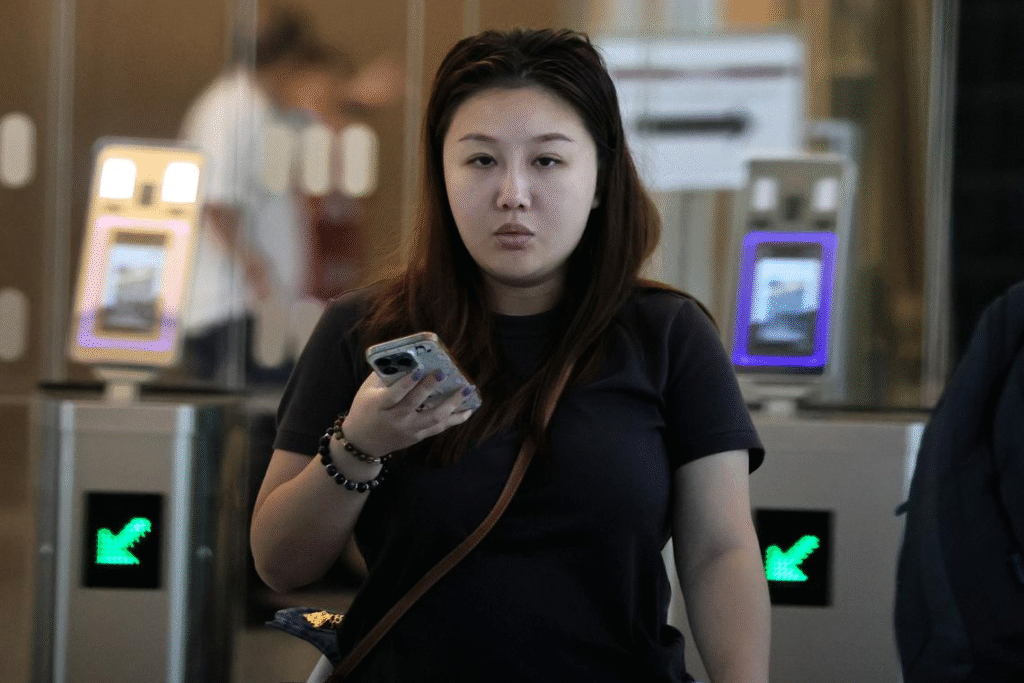
From a societal perspective, the case reinforces Singapore’s reputation as a nation with an unwavering commitment to anti-corruption and law enforcement integrity. The officers’ refusal to accept the bribe and their prompt reporting to the CPIB exemplify the professionalism and ethical standards expected of public servants. This incident, though small in scale, contributes to the broader narrative of Singapore as a model for anti-corruption efforts globally.
For individuals, Radika’s story serves as a cautionary tale about the consequences of attempting to circumvent the law, even in moments of desperation. The SGD 1,000 bribe offer, which might have seemed like a minor act in the heat of the moment, led to years of additional imprisonment, compounding her existing legal troubles. This outcome underscores the importance of understanding and respecting the legal boundaries in Singapore, where even minor infractions can result in significant penalties.
Furthermore, the case raises questions about how societies can better support individuals struggling with addiction. While Singapore’s strict laws are effective in maintaining order and deterring crime, they may not fully address the root causes of recidivism, such as addiction and mental health challenges. Radika’s repeated arrests and failure to comply with supervision requirements suggest a need for more comprehensive rehabilitation programs that address the psychological and social factors contributing to substance abuse.
In conclusion, Radika Rajavarma’s sentencing for offering a bribe to smoke a cigarette in Singapore is a compelling case that highlights the country’s stringent legal system and its zero-tolerance approach to corruption and drug-related offenses. Her background as a repeat drug offender, the details of the 2022 incident, and the severe legal consequences she faced all illustrate the complexities of addiction and the high standards of accountability in Singapore. As this case demonstrates, even a seemingly trivial act can have profound repercussions in a society that prioritizes integrity and compliance with the law.