
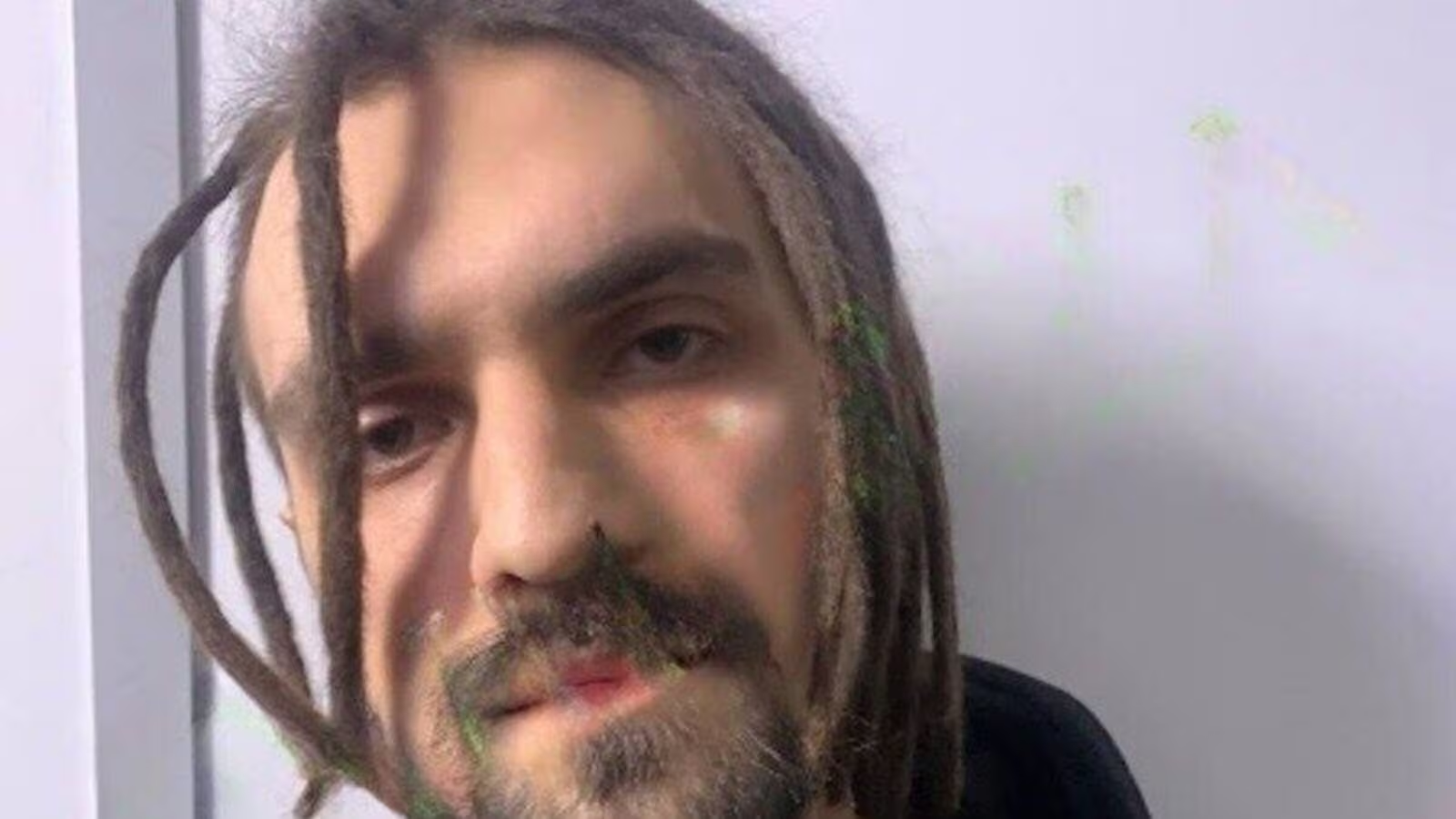
The arrest of Russian comedian Artemy Ostanin has sparked intense debate about freedom of speech, the boundaries of satire, and the increasing risks faced by performers in Russia.
Ostanin was detained while attempting to leave the country after being accused of mocking war invalids, a charge he denies. His case highlights the dangers of artistic expression in an environment where any perceived criticism of the state or its military actions can lead to severe consequences.
The Arrest and Allegations
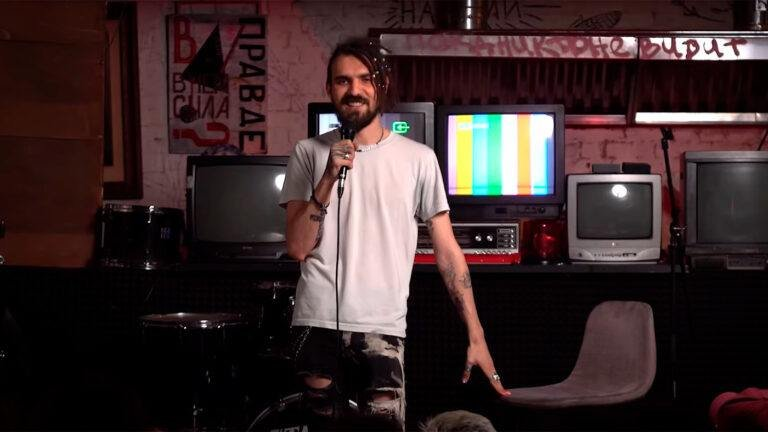
Artemy Ostanin, a stand-up comedian known for his sharp wit, found himself at the center of controversy after a clip from one of his performances went viral. In the clip, he made a joke about encountering a legless beggar in the Moscow metro.
While Artemy Ostanin did not explicitly reference Russia’s war in Ukraine, his joke was quickly condemned by Sergei Zaitsev, the leader of a pro-government movement called Zov Naroda (Call of the People). Zaitsev claimed that the beggar in Ostanin’s joke could have been a war veteran who lost his legs in the conflict, making the joke an attack on Russian soldiers.
Following Zaitsev’s complaint, Russian authorities opened an investigation into Artemy Ostanin, accusing him of inciting hatred and debasing human dignity. This charge carries a potential prison sentence of up to six years.
Стендап-комика Артемия Останина при задержании избили и сломали позвоночник. Несмотря на перелом, его отправили в СИЗО до 15 мая.
— Виктор Горский-Мочалов (@imgoingforawalk) March 19, 2025
Ещё раз: за одну штуку "правоохранители" в РФ искалечили и лишили свободы моего творческого коллегу стендап-комика.#СвободуАртемиюОстанину pic.twitter.com/cB6Hm4v5Mg
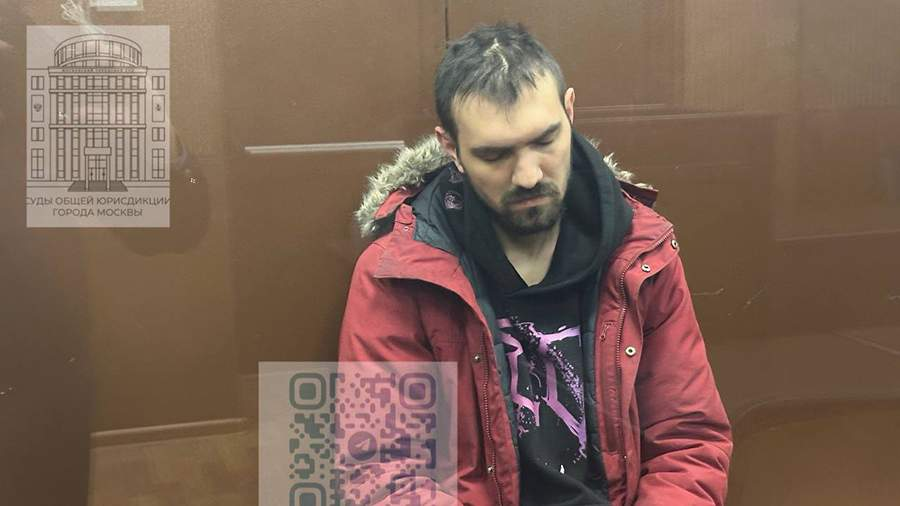
As the controversy escalated, Ostanin attempted to leave Russia but was detained at a border crossing. Reports suggest that he was trying to enter neighboring Belarus when he was arrested. He has since been transported to Moscow for interrogation, and his future remains uncertain.
Crackdown on Artistic Expression
Artemy Ostanin’s arrest is the latest in a series of actions taken against Russian artists, comedians, and writers who have spoken out—directly or indirectly—against the government or its military actions.
Since the invasion of Ukraine in February 2022, the Russian state has tightened its grip on freedom of expression. Performers who make even subtle criticisms of the war risk severe consequences, including arrest, censorship, and exile.
Read : Hundreds of People Travel in Colourful Underwear in Freezing Cold for ‘No Trousers Tube Ride’
Several high-profile figures have already faced repercussions. Boris Akunin, one of Russia’s most popular novelists, was recently placed on a wanted list for violating the country’s “foreign agents” law.
His name was added to the register of “extremists and terrorists” after he publicly condemned Russia’s invasion of Ukraine. Akunin now lives in Britain, and his books have been banned from sale in Russia.
Many other artists, filmmakers, and writers have fled Russia to avoid persecution. The government’s increasing hostility toward dissenting voices has driven a mass exodus of cultural figures.
Those who remain are forced to navigate a treacherous landscape where any perceived criticism of the state can be met with harsh legal consequences. Ostanin’s case is a stark reminder of these dangers.
The Role of Public Denunciations
One of the most troubling aspects of Artemy Ostanin’s arrest is the role played by public denunciations. In modern Russia, complaints from pro-government activists and organizations can lead directly to legal action against individuals.
Zaitsev’s accusation that Ostanin had insulted war veterans was enough to trigger a full-scale investigation and arrest, demonstrating the power that nationalist groups wield in shaping the country’s legal landscape.
Public denunciations have become a common tool for silencing dissent in Russia. The government actively encourages citizens to report any speech or behavior they perceive as disloyal or unpatriotic. This practice, reminiscent of Soviet-era informant culture, creates an environment of fear where artists and intellectuals must constantly self-censor to avoid persecution.
The satisfaction expressed by pro-war Russian bloggers over Artemy Ostanin’s arrest further underscores the risks faced by those who challenge state narratives. The comedian’s fate now rests in the hands of the authorities, but his case sends a clear message to other performers: any attempt to push the boundaries of satire can have dire consequences.
The arrest of Artemy Ostanin is a chilling reminder of the shrinking space for free expression in Russia. His case highlights the dangers faced by comedians, writers, and artists who dare to touch on sensitive issues.
With public denunciations playing an increasingly central role in the suppression of dissent, creative professionals must tread carefully or risk severe legal repercussions.
As Russia continues its crackdown on free speech, the cultural landscape is undergoing a transformation. Many of the country’s most talented artists have already left, and those who remain face constant scrutiny.
Whether Artemy Ostanin will be convicted remains to be seen, but his arrest has already had a profound impact, reinforcing the climate of fear that has come to define artistic expression in modern Russia.
Don’t net ball muscle tenderness obtuse you downwards. Apply our best cbd gummies to see fast CBD roast relievo right on where you demand it. powerful CBD ointment, CBD balm, and CBD topical anele engross quick to soothe afflictive brawniness and zip up recovery. Perfect for athletes and participating lifestyles, this targeted CBD embossment go on you run comfortably. reform your mobility with high-potency CBD skin care and CBD nuisance relievo production. Order instinctive CBD expression today and palpate the brawny strong-arm do good of thoroughgoing CBD!