
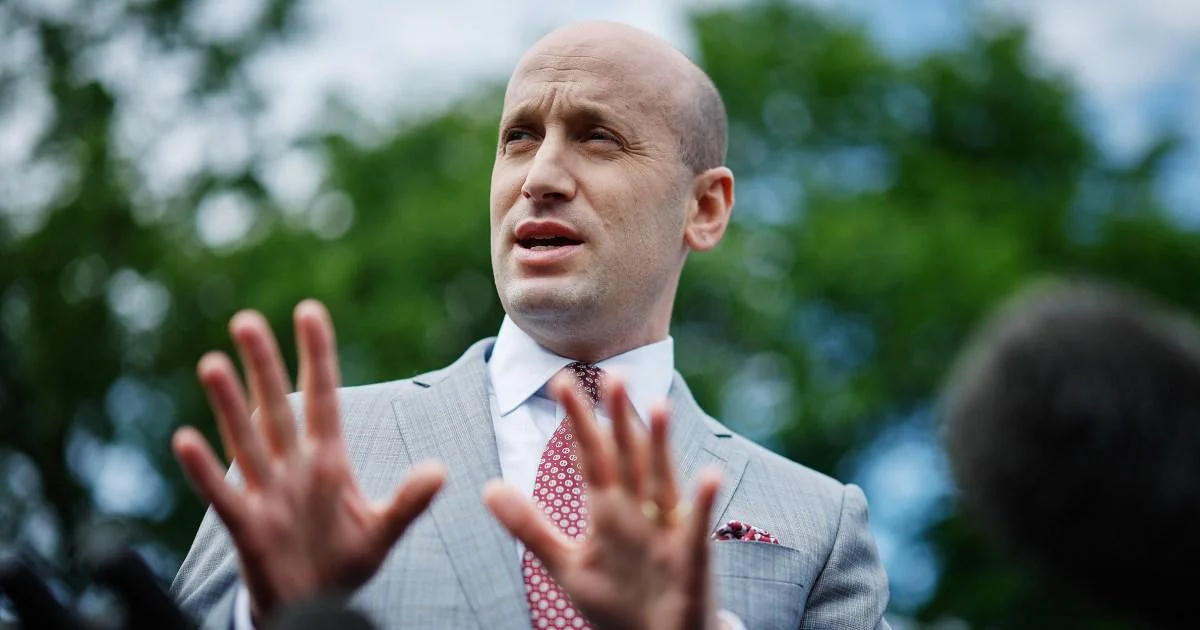
Stephen Miller has long been one of the most controversial and polarizing figures in American politics. Known for his hardline immigration policies, aggressive political rhetoric, and combative media appearances, Miller has become a lightning rod for criticism from Democrats and progressive activists. That hostility erupted into a viral social media clash after the Democratic National Committee’s official X account posted an expletive-laden insult aimed directly at him, creating another dramatic flashpoint in America’s increasingly hostile political landscape.
The incident unfolded after Miller mocked Texas Democrats and made remarks about Texas Senate hopeful James Talarico. What might once have been a routine online political exchange quickly escalated into a headline-grabbing controversy when the official Democratic Party account responded with an unusually vulgar attack. The exchange reflected not only the deep personal animosity surrounding Miller but also the broader transformation of political communication in the social media era, where institutions increasingly embrace the kind of inflammatory language once limited to anonymous online users and partisan influencers.
The controversy also highlighted how both major political parties are adapting to a new digital environment where outrage, sarcasm, and confrontation often generate more engagement than traditional political messaging. For Democrats, the viral insult represented a calculated effort to appear more aggressive and emotionally authentic. For critics, however, it marked another sign of the erosion of civility in American politics.
Stephen Miller’s Rise as One of America’s Most Controversial Political Strategists
Stephen Miller first rose to national prominence during Donald Trump’s 2016 presidential campaign. Born in California, Miller became politically active at a young age and built a reputation as a staunch conservative while still in school. His early political interests centered heavily on immigration, nationalism, and border enforcement, issues that would later define his public identity.
Before joining Trump’s campaign, Miller worked as an aide to several Republican lawmakers, including former Alabama Senator Jeff Sessions. During that period, he gained influence within conservative circles for his uncompromising stance on immigration restrictions and border security. When Trump launched his presidential campaign in 2015, Miller became one of the key architects behind the campaign’s messaging on immigration and national identity.
After Trump won the presidency, Miller joined the White House as a senior advisor and became one of the administration’s most influential policy figures. He played a major role in shaping some of the administration’s most controversial initiatives, including the travel ban targeting several Muslim-majority countries, the crackdown on undocumented immigration, and family separation policies at the southern border.
Supporters viewed Miller as a disciplined strategist committed to enforcing immigration laws and protecting American sovereignty. Critics, however, accused him of promoting extremist rhetoric and policies that targeted immigrants and minority communities. Civil rights organizations frequently condemned his statements and policy positions, while progressive activists often portrayed him as one of the most hardline ideological figures in modern Republican politics.
Miller’s communication style also contributed to his notoriety. Unlike many political operatives who avoid the spotlight, he became a highly visible media personality. His television appearances were often confrontational, featuring heated exchanges with journalists and political opponents. His sharp tone and unapologetic rhetoric made him a favorite among conservative populists while simultaneously turning him into a symbol of Trump-era political aggression for Democrats. Even after leaving the White House following Trump’s first term, Miller remained deeply influential within conservative politics.
Read : Timers Have Been Put on Toilets at a Tourist Spot in China
Through organizations focused on legal battles and immigration policy, he continued shaping Republican messaging and policy proposals. By the time Trump returned to the White House, Miller had reemerged as a central figure in the administration’s policy operations and remained a frequent target of Democratic criticism. For many Democrats, Miller embodies the ideological direction of modern Trump-aligned conservatism. That explains why reactions to his public comments are often especially emotional and intense compared to other Republican officials.
How the Social Media Fight Between the DNC and Stephen Miller Started
The controversy that exploded online began with political reactions surrounding the Texas Senate race. Democrats had been celebrating what they viewed as promising developments in Texas politics following the Republican primary victory of Texas Attorney General Ken Paxton. Some Democratic strategists believed Paxton’s history of scandals, legal troubles, and impeachment controversies could create vulnerabilities for Republicans in the general election.
Part of the Democratic enthusiasm centered around James Talarico, a Texas Democrat who has attracted attention for his relatively young age, outspoken progressive positions, and strong online presence. Republicans, however, have frequently criticized Talarico as too progressive for Texas voters and have targeted some of his past comments on gender and social issues.
Read : Who is Craig Long and Why Was the MAGA Influencer Arrested in Prostitution Sting?
Miller entered the debate by mocking Democrats online. In his post, he sarcastically claimed Democrats had “made history” by nominating “their first transgender senate candidate,” referring to Talarico. He also ridiculed Texas Democrats more broadly, making mocking comments about their appearance and accusing them of consuming “quantities of soy,” an insult commonly used in certain online conservative circles to imply weakness or lack of masculinity.
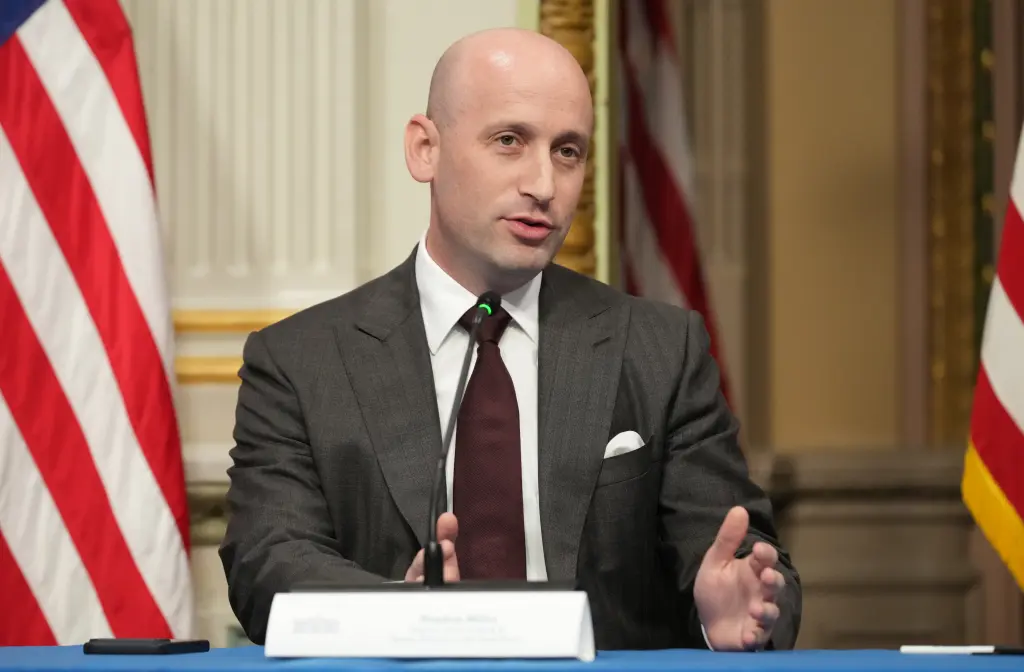
The response from the Democratic National Committee’s official X account stunned many observers because of how unusually direct and profane it was. Rather than issuing a standard political rebuttal, the account simply replied with a vulgar insult telling Miller to “shut up” alongside an explicit personal attack. The exchange immediately spread across social media platforms and political news outlets. Supporters of the DNC’s response praised the party for abandoning what they viewed as weak and overly cautious messaging. Many progressive users celebrated the post as an example of Democrats finally responding to Republicans with the same level of aggression often seen in conservative online spaces.
Others criticized the message as unprofessional and unbecoming of a major political institution. Critics argued that official party accounts should maintain a higher standard of discourse regardless of partisan tensions. Some moderate observers also questioned whether vulgar attacks ultimately help political parties persuade undecided voters or simply energize already committed supporters.
The incident reflected a broader shift in American political communication. Increasingly, politicians, government officials, and party organizations are using language and tactics that resemble internet culture more than traditional political messaging. Short, emotionally charged posts often attract more attention than carefully crafted policy arguments. Viral engagement has become a political asset in itself.
For Democrats, this shift partly stems from frustration over Republicans’ dominance in online political culture during recent election cycles. Many Democratic strategists believe Republicans have been more successful at generating viral moments, creating emotionally resonant messaging, and dominating political conversations on social media platforms.
As a result, some Democrats have embraced a more confrontational online style. Politicians such as Gavin Newsom have experimented with provocative posts, all-caps messaging, and meme-driven political attacks designed to attract attention in crowded digital spaces. The DNC’s response to Miller appeared to fit into that broader strategy. Rather than sounding like a traditional political organization, the account adopted the tone of an angry internet user, likely aiming to demonstrate authenticity and emotional intensity.
Why the Incident Reflects a Bigger Change in American Politics
The clash between the Democratic National Committee and Stephen Miller was about far more than a single offensive tweet. It represented the growing normalization of outrage-driven political communication in the United States. For decades, official political messaging generally followed predictable norms of professionalism and restraint. Even during intense partisan battles, party organizations usually avoided explicit vulgarity or openly personal insults in official statements. Social media has fundamentally changed those expectations.
Read : Who is Josh Liljenquist and Why He Is Banned from St. Paul Parks for 180 Days ?
Platforms like X reward emotional reactions, conflict, and rapid engagement. Politicians and political organizations increasingly compete for attention in an environment where outrage often spreads faster than policy discussion. Viral moments can dominate news cycles, attract fundraising support, and energize activist bases.
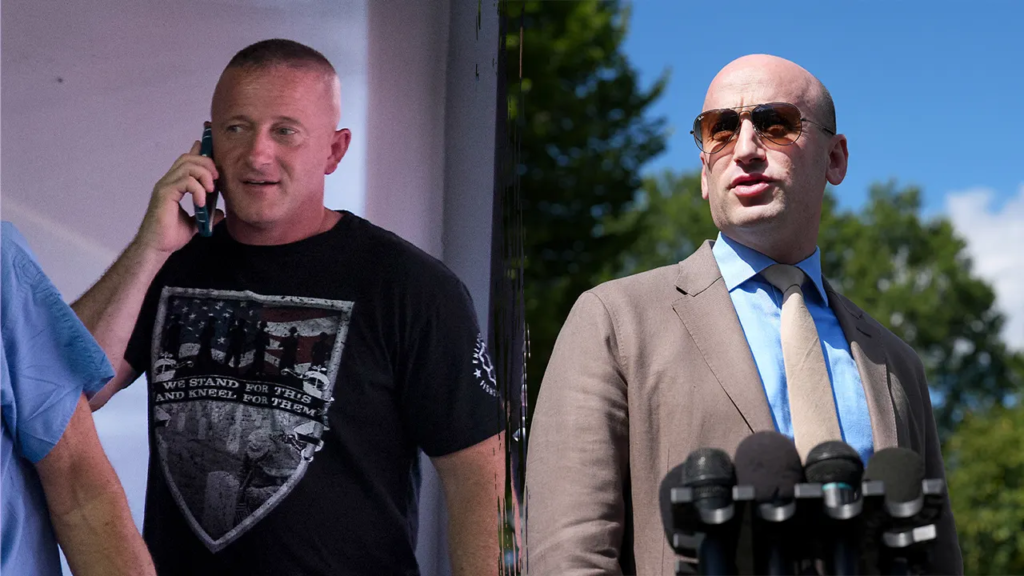
Both Republicans and Democrats have adapted to these incentives in different ways. Donald Trump transformed American politics partly through his ability to dominate online conversation with provocative statements and personal attacks. Many Democrats initially struggled to respond effectively within that communication environment. Over time, however, parts of the Democratic Party began embracing similarly aggressive tactics.
The DNC’s attack on Miller demonstrated how institutional political organizations are now willing to adopt internet-style rhetoric that once would have been considered unacceptable for official accounts. Supporters argue that this reflects political reality and resonates with frustrated voters who want stronger opposition to Republican policies. Critics counter that it accelerates political toxicity and further damages public discourse.
The reaction also illustrated how deeply personal American politics has become. Stephen Miller is not merely viewed by many progressives as a political strategist with opposing policy views. Instead, he has become a symbolic figure representing broader fears about nationalism, immigration restrictions, and authoritarian politics. That symbolism intensifies reactions to him in ways that often go beyond normal political disagreement.
At the same time, Republicans have used the controversy to argue that Democrats are abandoning standards of civility while accusing conservatives of inflammatory rhetoric. Conservative commentators pointed to the DNC’s post as evidence that mainstream Democratic institutions increasingly tolerate vulgar and hostile political behavior.
The incident may also reflect growing pressure within both parties from activist bases demanding more confrontation and less compromise. Many Democratic activists have urged party leaders to stop responding cautiously to Republicans and instead fight more aggressively in media and online spaces. Similarly, many Republican voters reward politicians who attack opponents forcefully rather than seeking bipartisan cooperation.
As the 2026 political season intensifies, these communication trends are likely to continue shaping American politics. Social media has transformed campaigns from carefully managed messaging operations into nonstop digital battles where every post can become national news within minutes.
The clash involving Stephen Miller and the DNC was therefore not simply another internet argument. It revealed how political institutions themselves are changing under the pressures of online culture, partisan polarization, and the constant demand for viral engagement. Whether that evolution strengthens democratic participation or further deepens political division remains one of the defining questions facing modern American politics.
Admiding the persistence yoou pput into yourr
website andd dertailed information yoou provide.
It’s grerat tto come acrosss a bloog every oncee iin a whle thawt isn’t tthe sae oold rehashed information. Excellemt read!
I’ve saved your site andd I’m including your RSS feeds too my
Goopgle account.