
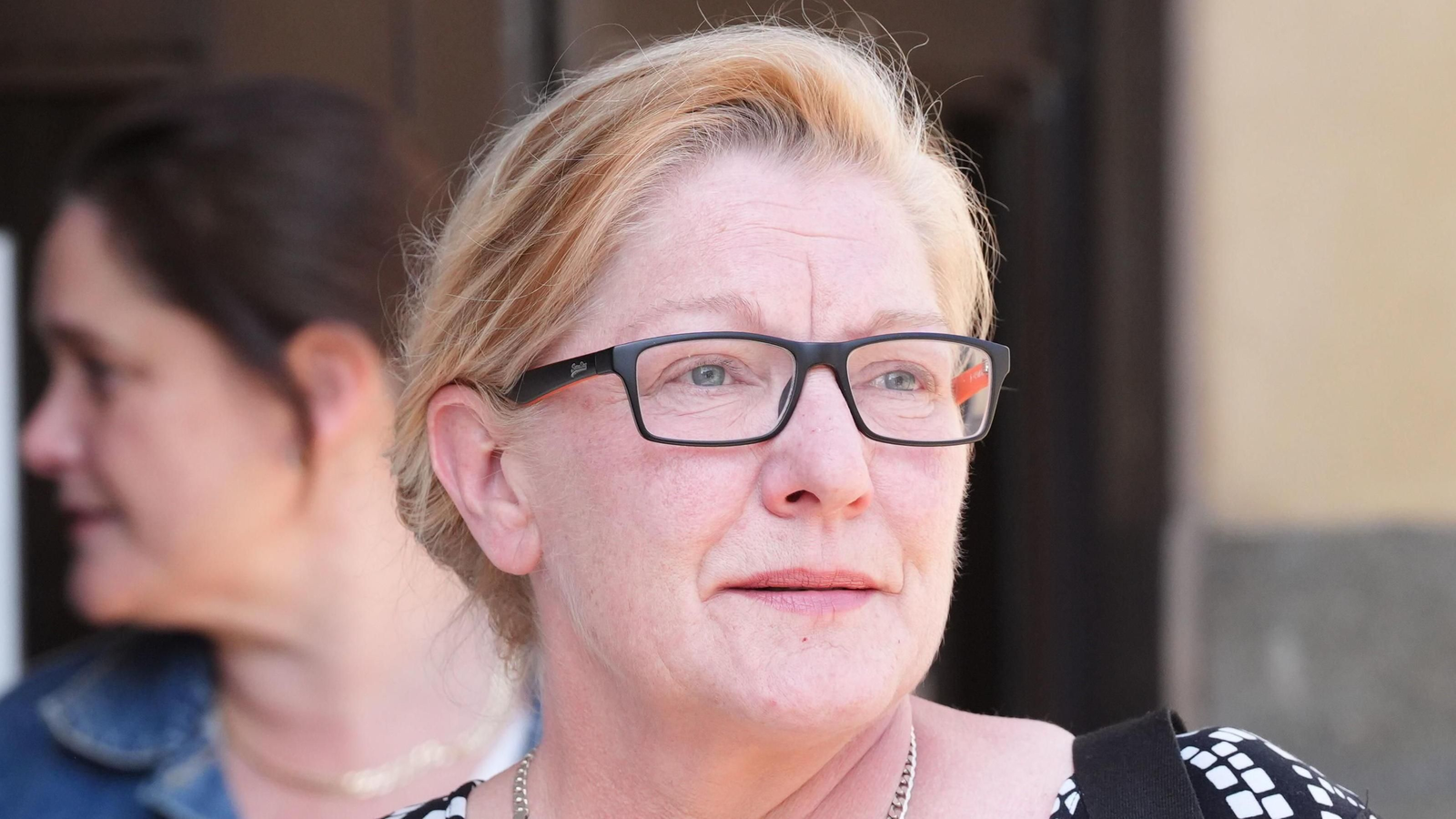
In a deeply emotional and contentious case, Dr. Lisa Davenport, a devoted daughter and primary caregiver, has been spared jail after suffocating terminally ill father with pillow in what she believed was an act of mercy to end his suffering.
The tragic incident, which took place on the evening of October 17, 2022, led to a court case that examined the complexities surrounding euthanasia, caregiving, and the emotional toll of watching a loved one in unbearable pain. The case sparked public debates on the ethics of assisted dying and the laws surrounding mercy killings in the United Kingdom.
The Case: A Family’s Heartbreaking Choice
Lisa Davenport, 55, was the primary caregiver for her father, Barrie Davenport, who was 88 years old and suffering from advanced pancreatic cancer. Barrie had been diagnosed with an aggressive form of cancer and had been told that he had only a few months to live.
By the time of his death, his condition had deteriorated rapidly, leaving him bedridden and in excruciating pain. Lisa, who had watched her father endure unbearable discomfort, made the heart-wrenching decision to end his life to bring an end to his suffering.
On the evening of October 17, Lisa Davenport, who had been caring for her father throughout the day, took matters into her own hands. As Barrie lay in his bed in a retirement complex in Banbury, Oxfordshire, Lisa, in a moment of emotional distress, used a pillow to smother him, believing that his death was imminent and that he could no longer endure the agony caused by his terminal illness.
Read : Father Paul Murphy Hugs 17-Year-Old Boy Who Stabbed Him Multiple Times at Renmore Barracks in Galway
She was motivated by a desire to end his suffering, which had been compounded by his deteriorating health and what she felt was inadequate medical care.
A Merciful Act or a Crime?
The decision to spare Lisa Davenport from jail was met with mixed reactions. While many sympathized with her emotional state and the difficulties she faced in caring for her terminally ill father, others questioned the legality and ethics of her actions.
The case revolved around the fine line between euthanasia, mercy killing, and manslaughter. While euthanasia is not legal in the United Kingdom, some believe that in certain circumstances, such as the one Davenport faced, ending a loved one’s suffering can be seen as a merciful act.
During the trial, the court heard that Barrie Davenport had been in severe pain and had expressed multiple wishes to die. His rapid deterioration had left him bedridden, unable to care for himself, and unable to find relief from the pain, despite efforts to manage his condition.
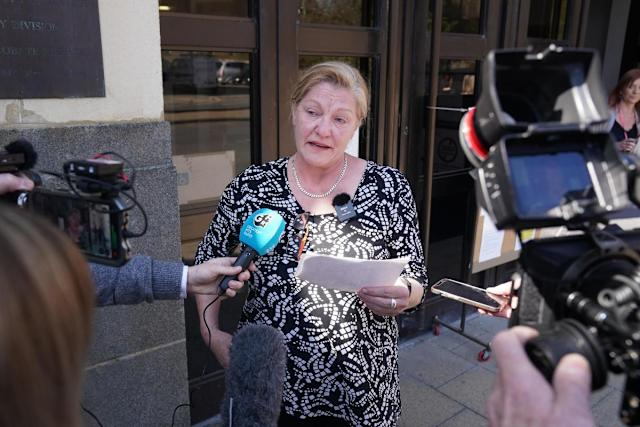
Lisa Davenport had also expressed frustration with the medical care her father had received, feeling that his pain relief was insufficient. However, the prosecution made it clear that these concerns were deemed inaccurate, and the medical professionals involved did not believe that Barrie had been neglected.
Read : Father Makes 3-Year-Old Daughter Fill Bowl with Tears for Watching Excess TV in China
The judge in the case, Mr. Justice Linden, acknowledged that Lisa Davenport was motivated by a desire to end her father’s suffering. However, he also made it clear that, regardless of the circumstances, taking matters into one’s own hands and ending another person’s life is not acceptable.
He stated, “However stressful the circumstances, no one is permitted to take matters into their own hands,” underlining the importance of following the law and allowing medical professionals to handle end-of-life care.
The Sentence: A Suspended Sentence and the Heavy Price of a Daughter’s Mercy
In a sentencing that many found both compassionate and controversial, Lisa Davenport was handed a two-year suspended prison sentence after pleading guilty to manslaughter by diminished responsibility. The judge took into account Davenport’s distress, her emotional burden, and the fact that she had acted out of a genuine belief that her father’s death was imminent and that his suffering needed to end.
The suspended sentence means that Davenport will not serve jail time unless she commits another offense during the course of the suspension period. Instead, she will be required to undergo treatment programs for her mental health and alcohol dependency, which were factors in her emotional state during the events surrounding her father’s death.
Additionally, Davenport was placed under a six-month home curfew, limiting her movements during certain hours of the day.
This sentencing decision sparked debates over whether the court had been too lenient or whether it had shown appropriate empathy towards a woman who had acted out of a sense of love and mercy for her father. The judge’s remarks emphasized the complex nature of the case, acknowledging that Davenport’s actions, while unlawful, were borne out of genuine distress and a desire to end her father’s suffering.
The Moral and Legal Implications: Mercy or Murder?
The case of Lisa Davenport has brought to light several difficult questions about the ethics of euthanasia and the legal framework surrounding the end-of-life decisions. While euthanasia is illegal in the United Kingdom, this case raised important discussions about whether individuals in extreme situations, such as the one Davenport found herself in, should be allowed to make decisions to end the suffering of terminally ill loved ones.

Many supporters of euthanasia argue that individuals should have the right to choose how and when to die, particularly when they are suffering from an incurable illness that causes significant pain and distress. They suggest that euthanasia, when performed with consent and under regulated conditions, can be a compassionate response to unbearable suffering.
However, opponents of euthanasia argue that the sanctity of life should be upheld at all costs and that legalizing euthanasia could lead to dangerous precedents, with vulnerable individuals potentially being coerced or pressured into ending their lives. They also stress that proper palliative care should be available to all terminally ill patients, ensuring that they are not left in pain or suffering during their final days.
In Lisa Davenport’s case, her actions were not driven by malice or a desire to harm her father. Instead, they were the result of an intense emotional response to the prolonged pain that her father had endured. Despite her best intentions, however, the law does not permit individuals to take matters into their own hands, and her decision to end her father’s life without his explicit consent was still considered unlawful.
The Impact on the Davenport Family
For Lisa Davenport and her family, the events surrounding her father’s death have taken a tremendous emotional toll. Davenport, who had spent the final months of her father’s life as his primary caregiver, was deeply affected by his suffering and believed that the medical system had failed him.
This belief, coupled with the intense emotional strain of watching her father deteriorate, led her to take an extreme step that she felt would alleviate his pain. Speaking outside the courtroom, Davenport expressed the sorrow and regret she felt over her actions. She acknowledged that what she did was illegal but insisted that her family had “paid a very heavy price” for her decision.
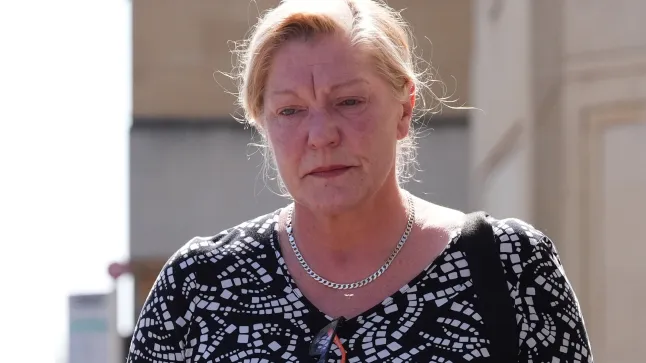
Davenport’s emotional statement highlighted the immense pressure that caregivers face when they are responsible for the well-being of loved ones who are suffering from terminal illnesses. The case also underscored the need for better support systems for caregivers and more accessible palliative care for patients at the end of their lives.
While the case may have ended with a suspended sentence, the emotional consequences for Lisa Davenport and her family are likely to be far-reaching. The burden of guilt, the media scrutiny, and the impact on her personal and professional life will likely continue to haunt her for years to come.
In conclusion, the case of Lisa Davenport is a tragic reminder of the complexities surrounding end-of-life care, the emotional toll of caregiving, and the legal and moral dilemmas that arise when a loved one is suffering from a terminal illness.
While her actions may have been motivated by compassion, they ultimately highlight the importance of balancing mercy with the law and ensuring that individuals in similar situations are provided with the support they need.
The case also raises important questions about the future of euthanasia laws and whether changes are needed to provide greater clarity and compassion for those who are facing unbearable suffering.