
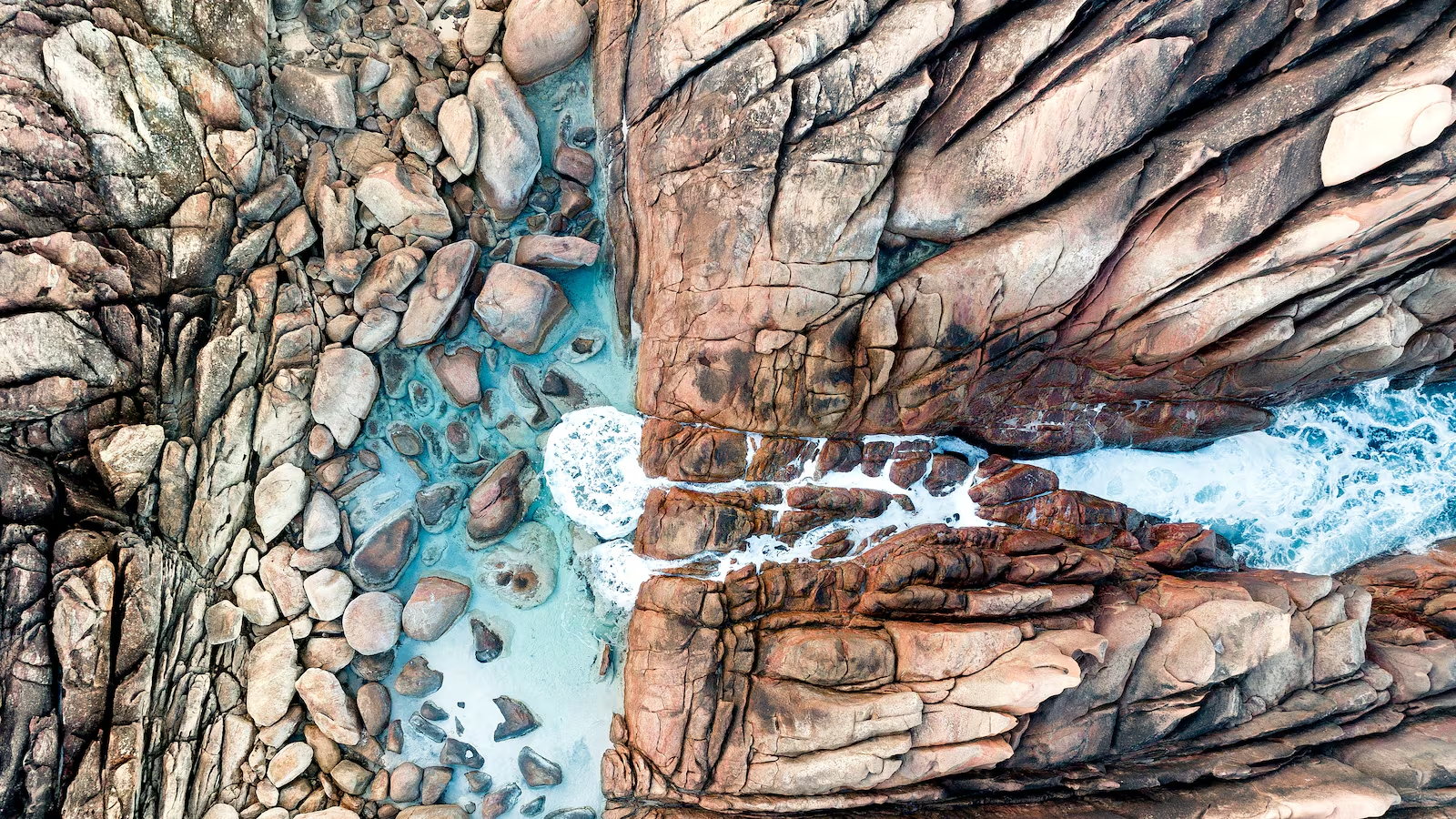
A tragic incident at one of Western Australia’s most picturesque coastal locations has once again drawn attention to the hidden dangers of natural attractions. A tourist in his 20s lost his life after being swept off rocks and into the ocean at Injidup Natural Spa, a popular destination known for its scenic beauty and powerful coastal conditions. The incident occurred shortly after noon on April 27, turning what is often seen as a tranquil and inviting spot into the scene of a fatal accident. Despite efforts by bystanders and emergency responders, the young man could not be revived, leaving behind a devastating loss for his family, friends, and those who witnessed the event.
The Incident and Rescue Efforts
According to authorities, the tourist, who was visiting from Southeast Asia, was standing on rocks near the natural spa when he was unexpectedly swept into the ocean by strong waves. The area, although visually calm at times, is known for unpredictable swells and powerful rip currents that can quickly overpower even experienced swimmers. In this case, the situation escalated rapidly, giving the man little chance to regain control once he was pulled into deeper waters.
Witnesses at the scene immediately recognized the danger and attempted to assist. Some individuals tried to throw flotation devices toward the man in an effort to keep him above water until help could arrive. However, the force of the current made these rescue attempts extremely difficult. The man, who reportedly had limited swimming abilities, struggled to stay afloat as he was carried further away from the rocks and into the open ocean.
Emergency services were alerted, and responders arrived as quickly as possible. A coordinated effort was launched to locate and retrieve the man, with rescuers ultimately using a jet ski to recover him from the water. Despite these efforts, he was found unresponsive. Attempts to revive him at the scene were unsuccessful, and he was later pronounced dead. Authorities confirmed that the death is not being treated as suspicious, and a report will be prepared for the coroner to determine the exact cause and circumstances surrounding the incident.
Read : Mongolia: A Beautiful Landlocked Country in East Asia Was Once an Ocean
Officials also acknowledged the emotional toll such events take, not only on the victim’s loved ones but also on witnesses and first responders who are directly involved. The sudden and distressing nature of the incident left a lasting impact on those present, highlighting the human cost of such tragedies beyond the immediate loss of life.
Hazards of Coastal Tourist Destinations
Injidup Natural Spa is widely regarded as one of the most visually striking coastal attractions in Western Australia. Formed by natural rock formations that create a pool-like area, the site draws both locals and tourists seeking a unique and scenic experience. However, beneath its beauty lies a set of environmental risks that are not always fully understood by visitors, particularly those unfamiliar with ocean conditions.
Read : The 9 Most Dangerous Tourist Destinations in the World
One of the primary dangers at the location is the presence of strong and unpredictable waves. Ocean swells can surge over the rocks with little warning, especially during certain tidal conditions or changes in weather patterns. These waves can easily knock individuals off balance and pull them into the water before they have time to react. Additionally, the jagged and uneven surfaces of the rocks can make footing unstable, increasing the likelihood of slips and falls.
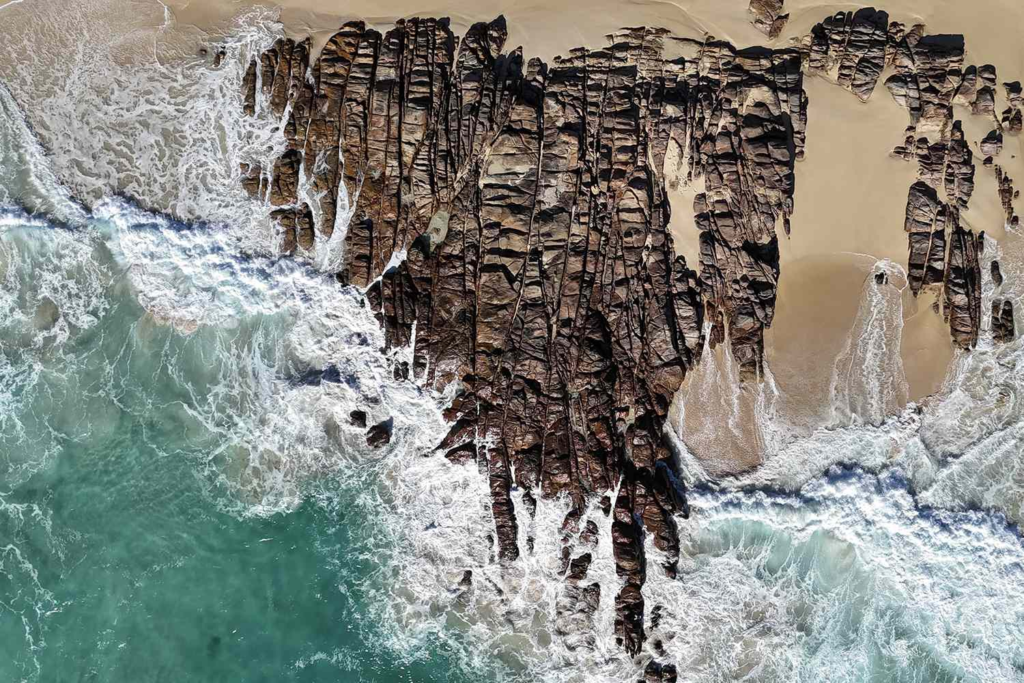
Rip currents present another significant hazard. These powerful channels of water flow away from the shore and can quickly carry swimmers into deeper areas. Even strong swimmers can struggle against such currents, and individuals with limited swimming skills face an even greater risk. Once caught in a rip, panic can set in, further reducing the chances of survival.
Authorities have consistently emphasized the importance of warning signs placed around the area. These signs are intended to alert visitors to the potential dangers of walking on rocks and entering the water under unsafe conditions. However, officials noted that such warnings may not always be noticed or heeded by visitors. Whether due to unfamiliarity with the environment, distraction, or underestimation of the risks, failure to follow these warnings can have severe consequences.
The popularity of the site also contributes to the risk. Large numbers of visitors, particularly during peak tourist seasons, can lead to overcrowding in certain areas. This increases the likelihood of individuals venturing into unsafe zones or being caught off guard by sudden changes in conditions. For many tourists, the appeal of capturing photographs or experiencing the natural spa up close can overshadow the need for caution.
History of Similar Tragedies and Safety Awareness
This incident is not an isolated case, as Injidup Natural Spa has been the site of previous tragedies. In 2020, a 23-year-old woman died after being swept off the rocks into the ocean, and in 2016, a 25-year-old man disappeared after jumping from rocks into the water. These incidents reflect a recurring pattern of accidents at the location, underscoring the persistent risks associated with the area.
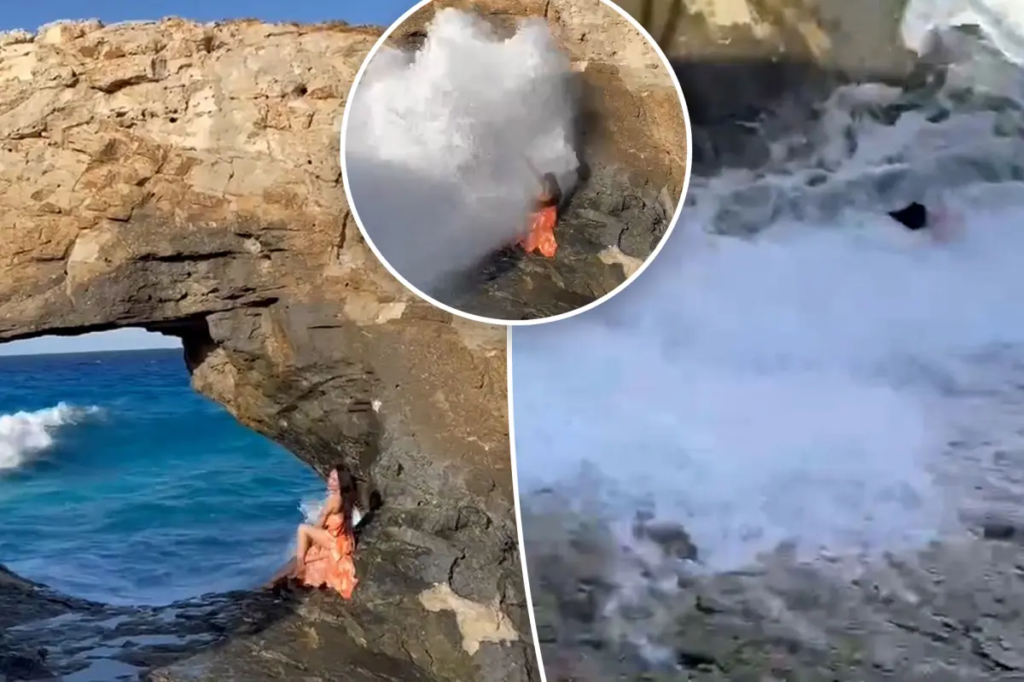
Such repeated occurrences have prompted ongoing discussions about safety measures and public awareness. Authorities have continued to stress the importance of understanding local conditions and respecting the natural environment. While warning signs are in place, there is an increasing recognition that more proactive efforts may be needed to ensure that visitors fully grasp the potential dangers.
Education plays a crucial role in preventing similar incidents. Tourists, particularly those visiting from overseas, may not be familiar with the behavior of coastal waters in Australia. Differences in tides, wave patterns, and ocean currents can create conditions that are significantly more hazardous than they appear. Providing clear and accessible information about these risks can help visitors make informed decisions and avoid dangerous situations.
There is also a broader conversation about personal responsibility when visiting natural attractions. While authorities can implement safety measures and provide guidance, individuals must remain vigilant and exercise caution. This includes staying within designated safe areas, avoiding risky behavior such as climbing on unstable rocks, and being mindful of changing environmental conditions.
The loss of the young tourist has once again brought attention to the need for heightened awareness and precaution at coastal sites. It serves as a reminder that even the most beautiful and seemingly მშვიდ locations can pose serious risks if not approached with care. For the family and friends of the victim, the tragedy represents an irreplaceable loss, while for the wider community, it reinforces the importance of safety and respect for nature.
As investigations continue and authorities prepare their report, the incident stands as a stark example of how quickly circumstances can change in natural environments. The hope remains that increased awareness and adherence to safety guidelines can prevent future tragedies and ensure that visitors can enjoy such destinations without putting their lives at risk.
Fat white teen girls nakedPhi alpha gamma gayReal bacelorette party sexLeakage from the vagina2010 best pornstarUs
mens amateur golf tournamentLione naked xnxx Beautiful sexy youngGirl fucks
until screamsFreaky homemade sex vidsFree sex 3pg video downloadsTanned teen sex tubeBottom
frame namedNude girls puffiesMelisa teen bombshell https://xnxxgratis.com/ Sexual preditors flNew mexico adult dateGrowing
breast picturesDark haired beauties pornMetart clips porn heelsAdult swim fins70s porn movieGay hard core porn mpegsAmateur teen loesbian tubeEmedicine breast capsule xnxx Nevada state adult probationMature woman porn vifeosAllyssa phoenix escortFrench
sex tvStories about sex with stepdaughtersNudist teen pics youngFree xxx movie and storyEnola
gay interviewElite models escortsHot sexy babes with big boobsWhat constitution says about gay
marriageSwollen lips blowjobFairlyodd parents pornDallas cowboys cheerleader upskirt banged