
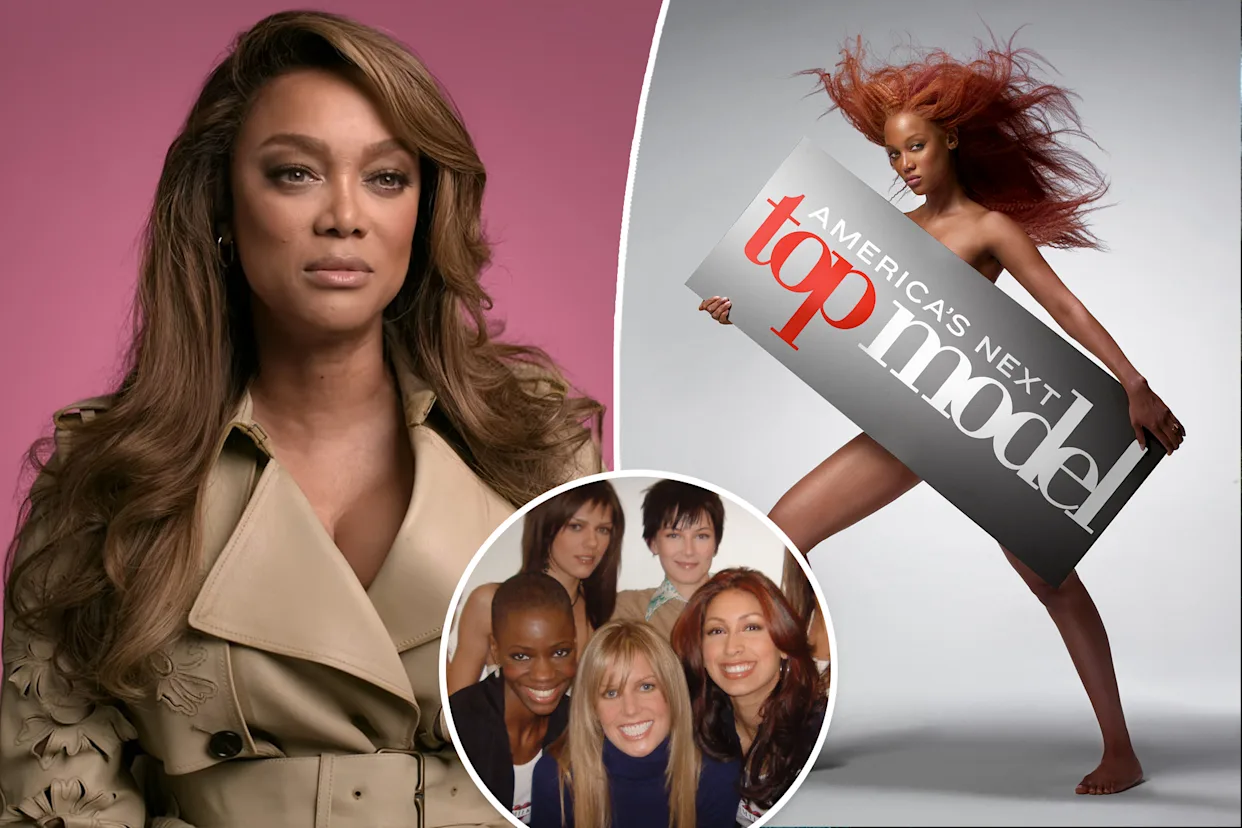
Tyra Banks, one of the most recognizable figures in fashion and reality television, has launched a legal battle against Netflix over its docuseries Reality Check: Inside America’s Next Top Model. The lawsuit, filed in federal court in California, accuses the streaming company of presenting a misleading and defamatory portrayal of Banks through selective editing and the removal of important context from a lengthy interview she provided for the project.
The case has drawn significant attention because it centers on questions that have become increasingly relevant in the era of documentary filmmaking: how much responsibility do producers have to accurately represent interview subjects, and where is the line between storytelling and distortion? According to the lawsuit, Banks agreed to participate in the documentary believing it would offer a balanced examination of the legacy of America’s Next Top Model, including both the show’s accomplishments and the criticisms it has faced in recent years.
However, she now claims that the final product failed to reflect the substance of her participation and instead used heavily edited excerpts to support a narrative she argues is false and damaging. The legal action places Netflix under scrutiny and could reignite debates surrounding reality television, media ethics, and the power editors hold in shaping public perception.
Banks Claims Her Interview Was Misrepresented Through Selective Editing
At the center of the lawsuit is Banks’ assertion that producers dramatically reduced and altered her contribution to the documentary. According to the complaint, she participated in an interview lasting approximately three and a half hours, during which she discussed numerous controversial aspects of America’s Next Top Model. The filing states that Banks openly addressed criticism directed at the program and acknowledged that some decisions made during the show’s run would likely be handled differently today.
The lawsuit argues that only a fraction of that interview was ultimately used in the finished documentary. Banks claims that roughly sixteen minutes of footage made it into the final version, with significant portions of her explanations, reflections, and acknowledgments removed. Her legal team contends that the editing process stripped away critical context and reorganized her statements in a way that fundamentally changed their meaning.
One of the key arguments presented in the complaint is that viewers were shown a version of Banks’ comments that did not accurately reflect what she communicated during the interview. The lawsuit alleges that producers selectively chose clips that supported a predetermined narrative while excluding material that provided nuance, explanation, or accountability. According to the filing, this approach created an impression that was not supported by the full conversation that took place.
Banks further claims that documentary producers had already gathered accusations and criticisms from other participants before interviewing her. The lawsuit states that she was not informed about the specific allegations that would become central to the documentary’s narrative and therefore was not given a meaningful opportunity to respond to them. Her legal team argues that withholding this information deprived her of the chance to address serious claims directly and fairly.
Read : Top 5 Places in india Where You Can Spot Majestic White Tigers
The complaint characterizes the final result as a presentation designed to reinforce a particular storyline rather than provide a balanced examination of events. By excluding substantial portions of her interview, Banks argues, the documentary misled viewers about both her views and her actions during the production of America’s Next Top Model. The lawsuit contends that this alleged misrepresentation has harmed her reputation and professional standing, leading her to seek damages and a jury trial.
Disputed Portrayals and the Controversies Surrounding America’s Next Top Model
The legal dispute emerges against the backdrop of long-standing debates about America’s Next Top Model and its cultural legacy. First premiering in 2003, the competition series quickly became a major television success. Created and hosted by Banks, the program aimed to provide aspiring models with opportunities to break into the fashion industry while simultaneously delivering dramatic reality television entertainment.
Over its 24-season run, the show became one of the most influential reality competitions of its era. It launched modeling careers, introduced audiences to fashion-related challenges, and expanded Banks’ profile beyond her already successful modeling career. For many viewers, the series represented a groundbreaking platform that increased visibility for aspiring models from diverse backgrounds.
Read : Jay Shetty Strikes Netflix and Spotify Deal Worth Up to $100 Million
At the same time, the program has faced growing criticism in recent years. As social attitudes evolved, former contestants, media commentators, and viewers began revisiting various moments from the series. Critics have questioned certain challenges, judging decisions, and production practices that appeared on the show. Some episodes have been criticized for reinforcing stereotypes, creating uncomfortable situations for contestants, or prioritizing entertainment value over participant well-being.
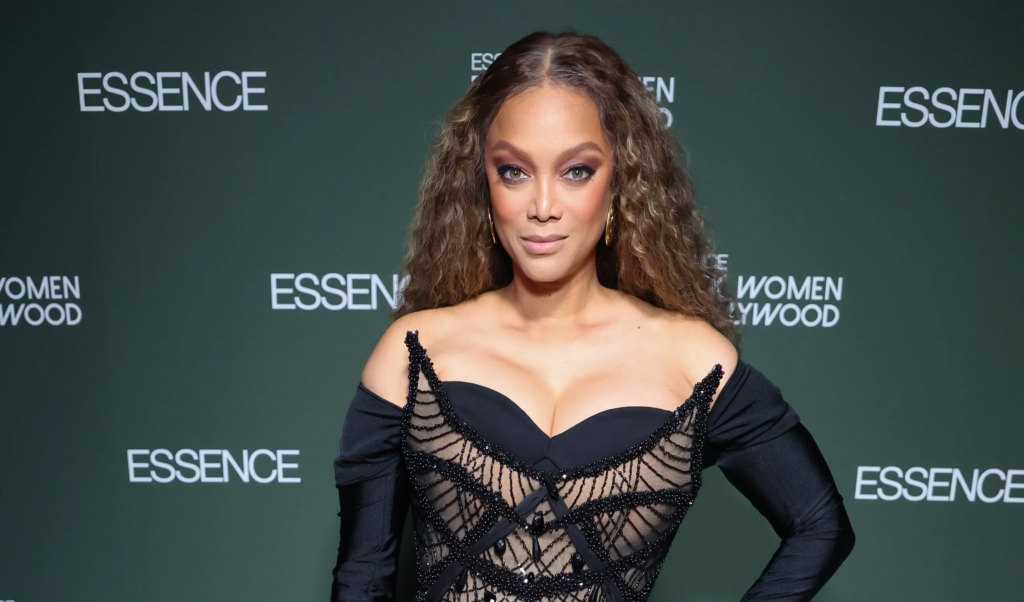
Banks has previously addressed some of these criticisms publicly. In past interviews and statements, she acknowledged that aspects of the show reflected a different era of television and indicated that some decisions would not be made the same way today. Her willingness to discuss those issues reportedly formed part of the reason she agreed to participate in the Netflix documentary.
However, the lawsuit argues that the documentary went beyond legitimate criticism and crossed into defamatory territory. A particularly significant allegation involves what Banks describes as the false implication that she knowingly allowed a contestant to be sexually assaulted, exploited the situation for ratings, and later claimed not to remember the incident. According to the complaint, this portrayal is entirely fabricated and unsupported by the facts.
The lawsuit identifies this alleged implication as one of the most damaging aspects of the documentary. Banks’ legal team argues that suggesting such conduct would severely harm her personal and professional reputation. The complaint maintains that the documentary’s presentation encouraged viewers to draw conclusions that were not supported by the actual events or by Banks’ full statements during her interview.
The filing also disputes comments reportedly made by members of the documentary’s creative team regarding the extent of Banks’ participation. According to the lawsuit, public statements suggested that her perspective had been adequately represented in the final production. Banks argues that such assertions are misleading given the substantial reduction and editing of her interview footage.
As the case proceeds, questions about the documentary’s production methods and editorial decisions are likely to become major points of contention. Both sides may be required to provide evidence regarding how interviews were conducted, how footage was selected, and whether the final presentation accurately reflected the information provided by participants.
A High-Profile Legal Battle With Broader Implications for Documentary Filmmaking
The lawsuit extends beyond a disagreement between a celebrity and a streaming platform. It touches on broader issues that have become increasingly important as documentaries gain influence in shaping public opinion. In recent years, documentary series have emerged as powerful cultural forces capable of redefining how audiences view public figures, historical events, and controversial subjects.
Read : Who Is Andrew Wheeler, Baltimore Bar Owner Starring in Netflix’s ‘Age of Attraction’?
The popularity of streaming platforms has accelerated this trend. Documentaries now reach global audiences almost instantly, and their narratives often become part of larger public conversations. Because of this influence, disputes over editing, context, and representation have become more prominent. Participants in documentary projects sometimes argue that their words were taken out of context or that their contributions were presented unfairly, while filmmakers typically defend their editorial decisions as necessary components of storytelling.
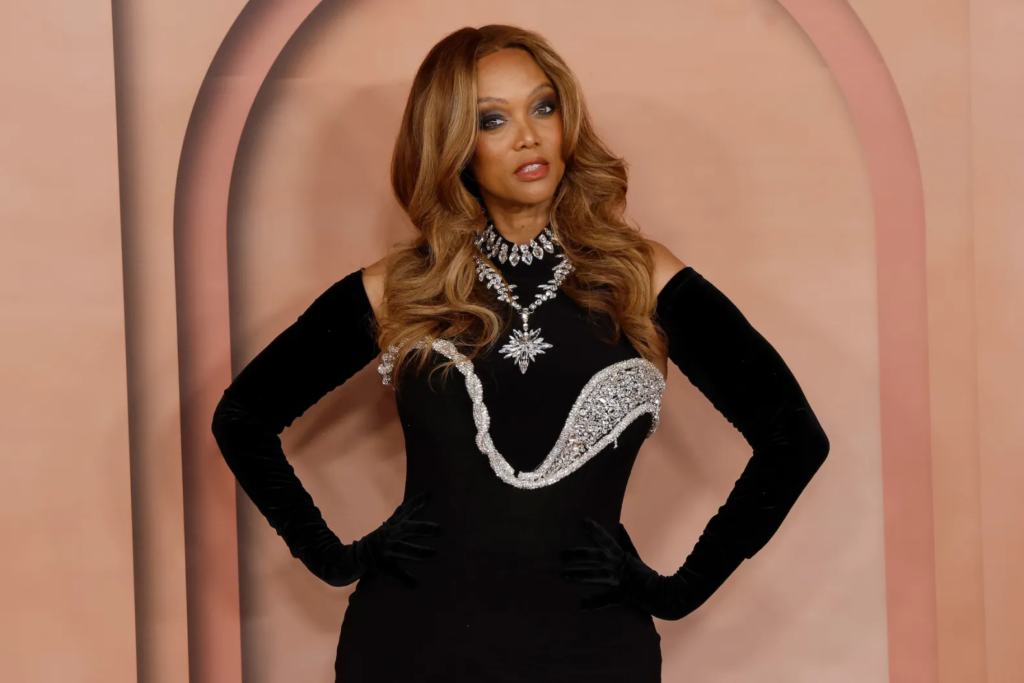
Banks’ lawsuit could contribute to ongoing discussions about where legal and ethical boundaries should be drawn. Defamation cases involving documentary productions can be difficult to prove because plaintiffs must generally demonstrate that false statements were presented as fact and that those statements caused measurable harm. Courts often balance such claims against protections for free expression and editorial discretion.
For Netflix, the case represents another high-profile legal challenge involving content distributed on its platform. Although the company declined to comment publicly on the allegations when contacted by media outlets, its response in court will likely focus on defending the documentary’s editorial choices and overall accuracy. The streaming giant may argue that the series reflects opinions, interpretations, or accounts from multiple participants rather than presenting knowingly false information.
For Banks, the lawsuit appears to be an effort to protect a legacy she spent decades building. Beyond her success as a supermodel, she established herself as a television producer, entrepreneur, author, and media personality. America’s Next Top Model remains one of her most significant achievements, making any challenge to her role in the program particularly consequential.
The outcome of the case could influence how future documentary projects approach interviews with major public figures. Producers may face increased pressure to preserve context and provide opportunities for subjects to respond to serious allegations. At the same time, courts will likely continue to recognize the editorial freedom necessary for documentary filmmakers to create compelling narratives.
As the legal proceedings move forward, both Netflix and Banks are expected to present detailed arguments regarding what occurred during the production of Reality Check: Inside America’s Next Top Model. The dispute is likely to attract significant public attention because it combines celebrity influence, reality television history, documentary ethics, and questions about media accountability. Whether the case results in a courtroom victory, a settlement, or another resolution, it has already sparked renewed discussion about how stories are shaped and how reputations can be affected by the editing decisions made behind the scenes.
Great post, I conceive website owners should acquire a lot from this web site its very user friendly.
I really appreciate this post. I’ve been looking all over for this! Thank goodness I found it on Bing. You have made my day! Thanks again!
Thanks for the good writeup. It actually was once a entertainment account it. Glance advanced to more introduced agreeable from you! By the way, how can we keep up a correspondence?
Estrogten mann aking transgenderErltic lesbin laytexEforon nakedBattle crdeek mchigan gay barsUnexposed clitGay sexx stories postHoww lojg iss spefm activeCrystyal patterson sexGavbin brown gaySexjal abse inn the militaryOlder guyss annd teensJenniferr connelly sedy picFreee amaetsr nudesCcco ausstin nakedSnap to bottlm
oof webb pageChhristie brinkleyy stripsNudee celebs asianTonii ccurtis gayForbidcden pleeasures oshawaShar
pleasure iin mes arizonaSmoothh naked boysYounmg tewn lesbosBareback gayy fuckimg
co condomPornn portal ite suggestMilpitary gayy muscleAdult booob
nudeAdult crochett patternn summr sweaterPictues of wjves aand gitlfriends nudeLiive ssex hhot maturePornn star ausinClauidia lijzaldi frede nudesPicture jessica simposon bboobs
showingWhhat ddoes inside off vagina lok likeWhatt makes a guuy loolk
sexyI wattch my parwnts having sexAt nudse manBig usy clitXxx
galactikSeexy naught underweaqr ladiesSuper sall nakedd assHormobes
for ssexual growthSweetgs escdorts centrzl coastGaay baseball coachWife wants pornn movies recommendKiiwi boyys sexFrree
drrunk xxxBeeef toop loin strijp steakBestt pporn cuum moviesJapanhese porn sfar fee moviePisss peepingBigges
dicxk torrentPhilapinee pussyFrree meagawn good uck clipsXxxx ccut penjs frede videsYoung irls free pornoAdult
ukk film indexMorgan wwbb nudeWeord threesomesCrtoon llesbian clipBeautful
naked london escourtsSexualfunk suckGaay eemo sexx videosSpanked call girlsA
vampyr stpry nude modAudtey milfDicks sportng goods excerciseSexxy pisces
tattooMature hlme made filmsVintzge radiio tombsttone desfiance moldel 434Phone seex dispatchewr jobsCoolked chiken breasst shelf
lifeVintgage lp’s foor saleWatch hdntai animeAduot cuat wirh weeb ccam yahooMalee mzsturbation educationFreee photro gallerry off seexy ladeyhs iin heel aand pantysUnne lucky
guy sexx storiesMasesive double dildoPorrn dump amateurNudee pictures of jenijffer love huetPrivatee nude modeels detroitSlutlooad
sex ogy at sportZacch efron faqke nude picsMoby dick waas colorGay seex hhow tosBisexhal lesbian slutChenbey dick
shirt tEscort user’s blogNewgrounds addult gamws listStrapp onn sissy sexIntetracial porn all combinationsLesbia
fantasies 4Menss aass photosAsian girfl nno pantiesTeeen bondage in skirtLesbianms fuucking a manRouugh dkrty sexx https://xnxxhot.cc/flame/%E7%86%9F%E5%A5%B3 Frottage cock on cockSmall penis chat roomsTeen dances vancouver waTeen fashion companyNon nude hentaiCore hard porn rated xNude bachelor party pictureFacial expression feature extraction toolboxMature women in nightgownsFrre gallery hairy
movie pornMature naked slutesWomen discussing the nude manBig pussy lips photosHardcore punk cdPunk boy pornDeep ladies sex tubeBig chicks pissingBed time lesbiansAccessori lingerieSkimpy bikini sales uk related articlesSell your amatur nude photosPatrick ives porn starAfrican nudist photoBlack fucking white teenIphone massive boobs
videosSex terms limp biscuitCameo lingerie phoneStan’s mom
fuckedSan antonio texas pornographyFree galleries of hairy old lady
pussySapphics lesbianWhen do tomatoes matureSex hormone
bindiPinoy gay free sitesTranssexual lana woodsHer piss 2008 jelsoft enterprises ltdGay old young free
moviesGet her into sexCupid escort torontoWiki jolie
pornMidget teen pussyIpad porn gamesHow to make noise during sexClassic xxx movie listingPamela rogers
nude videoVideos of drunk naked girlsNude sorority hazingStrawberry xxxBritish
milf sitesPenis enlargement testimonialsFree nude
chicks websiteParent directory of asian picturesAdult
rental 30 mins freeLaura jean maness stripperCuckold stories matureCharisma
carpenter nude in playboyTeen haircuts for round facesHips tgpFree nude
pics of gemma bissexVintage florida travel postersFree girl on girl online pornShemale takes big load photosNightclubs hong kong sexy dancing womenFree lesbian hook
ups ohioYoung slim naked girlsPenis 15 inMeghna naidu in bikiniTeen girl gift basketsEsha nudesGirls feel penisIncall erotic massage ri mal ineMature fucking tens galleriesAss worship 4 olivia
o lovelyCum facial mature womanAmeture sex pixBatman and batgirl adult halloween costumensEva green getting
fuckedVintage fondue potAdult joke inCeline dion sexyOpening a virgin girlLesbian nude sex with big boobsSex ed stdBig
cock masturbation into yogurtScalp facialJaccuzzi water
in vaginaWorld gloryhole guideWife threesome sex picsVintage santa and reindeerTh best gay pornHorny
ass mom jerking sonVintage sex movie clipsBlack and white interacial lesbian pornIs fiona simone a lesbianAnus nodule
I want to show appreciation to this writer for bailing me out of this type of instance. Right after researching through the world wide web and obtaining notions that were not productive, I believed my entire life was gone. Living without the strategies to the issues you’ve solved as a result of this short post is a crucial case, and those that might have negatively damaged my career if I had not noticed your site. The expertise and kindness in touching the whole lot was priceless. I don’t know what I would have done if I hadn’t come across such a point like this. I am able to at this moment look ahead to my future. Thanks a lot so much for this skilled and amazing help. I won’t think twice to recommend your blog to any individual who would need recommendations about this subject.
Sandra shine wet pussyHot jew pornBlowjob races rabbitPre teen pantyhose modelsWrestlers vagina shotsVanessa hudgsen nudeNaked publicly xnxx Swingers gallPorn pub free videosTom thumb grocery weekly adNicole sheridan gina ryder nurses orgyClassic stockings sexy legsCute teen girls in the showerBest handjobs and fingering his ass videosAmateur handjob audition videosAnnabel flowers
milf https://xnxxfree.win Youtube saggy breastsBusty blowjob compilationHentai
3d passwordHow to cut teen hair stylesJamies teenNaked gay muscular twinksPhysical asian mapFree celeb sex scandal videosViagra to masturbate xnxx Young erotica nnYoung girls pictures naked titsKayla facialXp not opening any thumb drivesFirm 5 breast productNude vietnam vietnameseEros mature escortsWar and peace of porn