
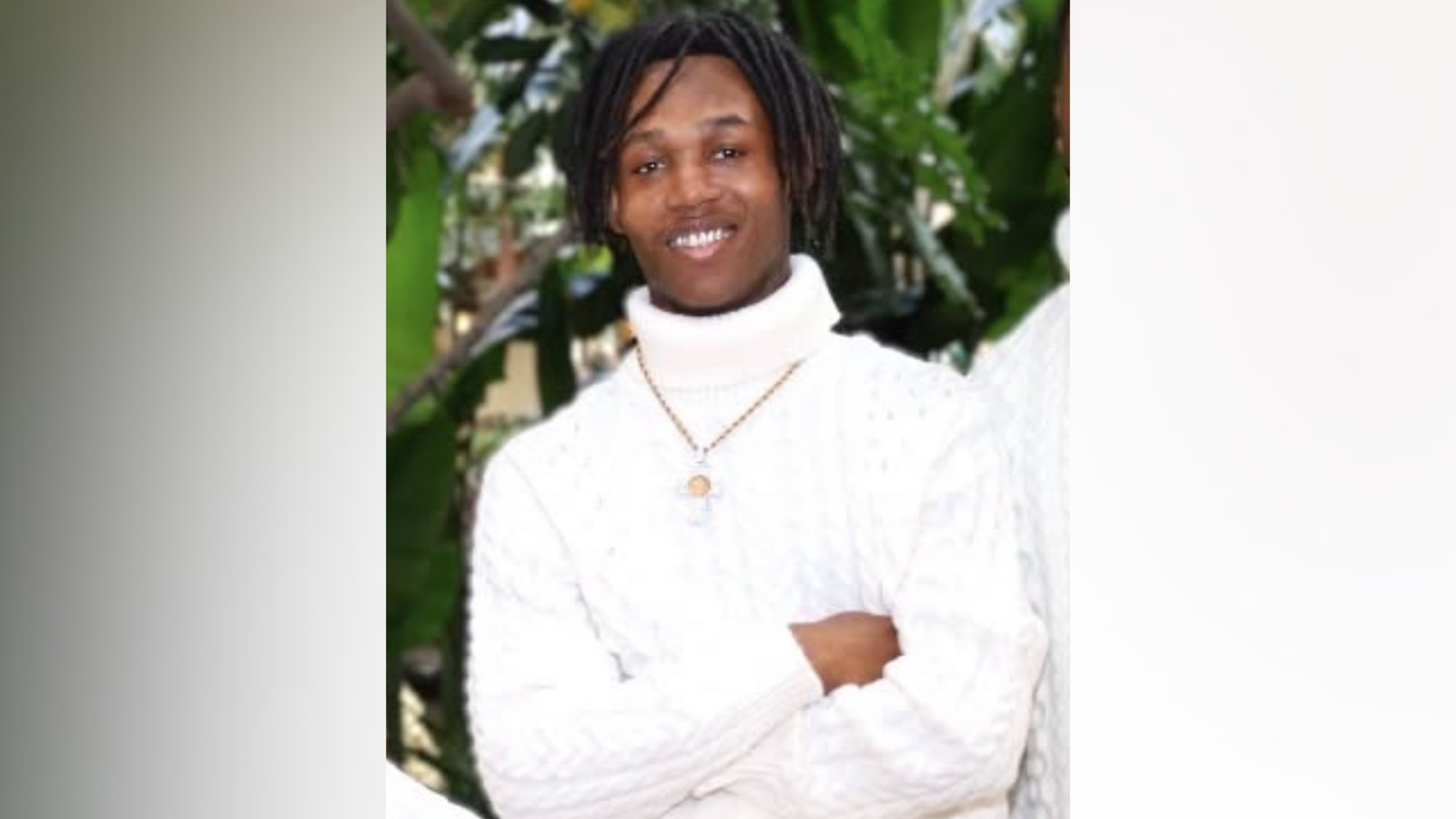
The fatal shooting of 20-year-old Tyrin Johnson by Tennessee National Guard members during a law enforcement pursuit in downtown Memphis has drawn widespread attention and raised fresh questions about the role of military personnel in domestic public safety operations. The incident occurred early Sunday morning while National Guard soldiers assigned to a federal crime-fighting task force were responding alongside Memphis police officers to reports of gunfire.
Authorities say Johnson, who was armed, was shot after he allegedly turned toward the pursuing soldiers with a firearm. As the Tennessee Bureau of Investigation continues examining the circumstances surrounding the shooting, Johnson’s family is mourning the loss of a young man they say had plans for his future, while local officials await the findings before making further public statements. The case has become the latest officer-involved shooting connected to the Memphis Safe Task Force, a federal initiative launched to combat violent crime in the city.
The Early Morning Pursuit That Ended in a Fatal Shooting
According to the Memphis Police Department, the incident unfolded around 4 a.m. on Sunday when officers and Tennessee National Guard members responded to reports of gunshots in downtown Memphis. Authorities said an armed man, later identified as 20-year-old Tyrin Johnson, fled the area on foot after officers arrived. Members of the National Guard, who were working alongside local law enforcement as part of the Memphis Safe Task Force, joined the pursuit as Johnson allegedly continued running while carrying a firearm.
Police said the pursuit ended when Johnson reportedly turned toward the pursuing soldiers while holding his weapon. The National Guard members then opened fire, fatally striking him. Officials stated that the use of force occurred because the soldiers perceived an immediate threat after Johnson allegedly pointed or turned toward them with the firearm. No law enforcement officers or National Guard personnel were injured during the encounter.
The Tennessee Bureau of Investigation (TBI) later confirmed Johnson’s identity and announced that it had launched an independent investigation into the shooting, which is standard procedure for officer-involved shootings in Tennessee. Investigators have not yet released detailed findings regarding the sequence of events, the exact positioning of those involved, or whether body camera or surveillance footage will be made public once the investigation progresses.
Following the shooting, two Tennessee National Guard medical specialists attempted to provide emergency first aid to Johnson. Despite those efforts, he died at the scene from his injuries. National Guard spokesperson Lt. Col. Darrin Haas confirmed that immediate medical assistance was administered but was ultimately unsuccessful.
Johnson’s cousin, Terracle Nelson, later said family members were informed that Tyrin had been shot twice in the chest. However, authorities did not immediately confirm the number of rounds fired or the specific injuries sustained. The Tennessee Bureau of Investigation declined to comment on the family’s account, citing the ongoing nature of the investigation. As a result, many details surrounding the encounter remain under official review.
😲Two National Guard soldiers shot and killed a man during a foot chase in Memphis early Sunday morning.😲
— American Crime Stories (@AmericanCrime01) July 6, 2026
The Tennessee Bureau of Investigation says Memphis police were chasing 20-year-old Tyrin Johnson around 4:00 a.m. near Ida B. Wells Avenue and Union Avenue on Sunday.… pic.twitter.com/eKCNg6yGHp
Local officials have remained cautious in their public comments. Memphis Mayor Paul Young described the shooting as an unfortunate incident and stated that he would wait for the findings of the TBI investigation before making further observations. His office emphasized that the independent investigation should determine whether the actions taken during the pursuit complied with applicable procedures and policies. The fatal encounter has become another high-profile case involving the Memphis Safe Task Force, bringing renewed attention to how federal, state, and local agencies work together in crime suppression operations throughout the city.
Who Was Tyrin Johnson? Family Remembers a Young Father with Future Plans
As investigators work to establish the facts surrounding the shooting, Johnson’s family has focused on remembering the person they say was much more than the circumstances of his death. His grandfather, Evaniel Johnson, described his grandson as a young man who was actively preparing for his future and building a life centered on family, education, work, and music.
According to his grandfather, Tyrin had taken classes at Tennessee State University and was preparing to take on a larger role in the family’s construction business. Rather than portraying him solely through the events that unfolded on Sunday morning, family members say he had long-term ambitions and was working toward creating opportunities for himself and those around him.
Johnson was also the father of a young child, a responsibility that relatives say motivated him to continue moving forward with his personal and professional goals. His grandfather explained that he believed Tyrin had many years ahead of him and was optimistic about the future they were planning together. He said his grandson was passionate about making music and viewed it as another important part of his life alongside his family and work.
Read : 18-Year-Old College Student Drowns in River Wye During Duke of Edinburgh’s Award Trip to Wales
Although grieving his loss, Evaniel Johnson also said he wanted to wait until investigators completed their review before reaching conclusions about what happened during the fatal encounter. Rather than immediately criticizing authorities, he expressed a desire to examine all available evidence, including investigative findings and any video recordings that may exist.
In an emotional statement, Johnson’s grandfather reflected on the opportunities he believed his grandson had ahead of him. He said he had confidence in Tyrin and believed they were working together toward a better future through the family’s construction business. Losing him, he said, represents not only the loss of a grandson but also the loss of dreams that will now never be realized.
Public records reviewed following the shooting showed little indication of serious criminal history. Searches of both federal and state court records did not reveal any significant criminal cases involving Johnson. Local court records in Memphis and Nashville indicated only a handful of relatively minor traffic violations. Authorities have not suggested that Johnson was wanted in connection with any major criminal case before Sunday’s shooting.
The limited public record has led many observers to focus on Johnson’s personal background rather than a lengthy criminal history. For his family, those closest to him hope that any public discussion includes the aspects of his life they believe defined him most—his role as a father, his educational pursuits, his interest in music, and his planned involvement in the family business. As the investigation continues, Johnson’s relatives have urged patience until more information becomes available. Their statements have centered on both grief and the desire for transparency regarding exactly what occurred during the final moments of the pursuit.
The Memphis Safe Task Force and the Broader Debate Over Federal Troop Deployment
Johnson’s death has also renewed attention on the Memphis Safe Task Force, the law enforcement initiative under which the Tennessee National Guard members were operating at the time of the shooting. The task force was established by President Donald Trump as part of a broader effort to combat violent crime in Memphis through increased cooperation between federal, state, and local agencies.
The deployment placed National Guard personnel alongside traditional law enforcement officers in crime suppression operations throughout the city. Tennessee Governor Bill Lee supported the initiative by deploying Guard members to assist with the effort. Federal troops have been patrolling Memphis since October despite objections from Memphis Mayor Paul Young, who previously expressed concerns about the deployment of military personnel within the city.
Supporters of the initiative argue that Memphis has struggled with significant violent crime for years, including homicides, assaults, and carjackings, making additional law enforcement resources necessary. The city, home to more than 600,000 residents, has consistently faced public safety challenges that prompted calls for stronger enforcement efforts from both state and federal officials.
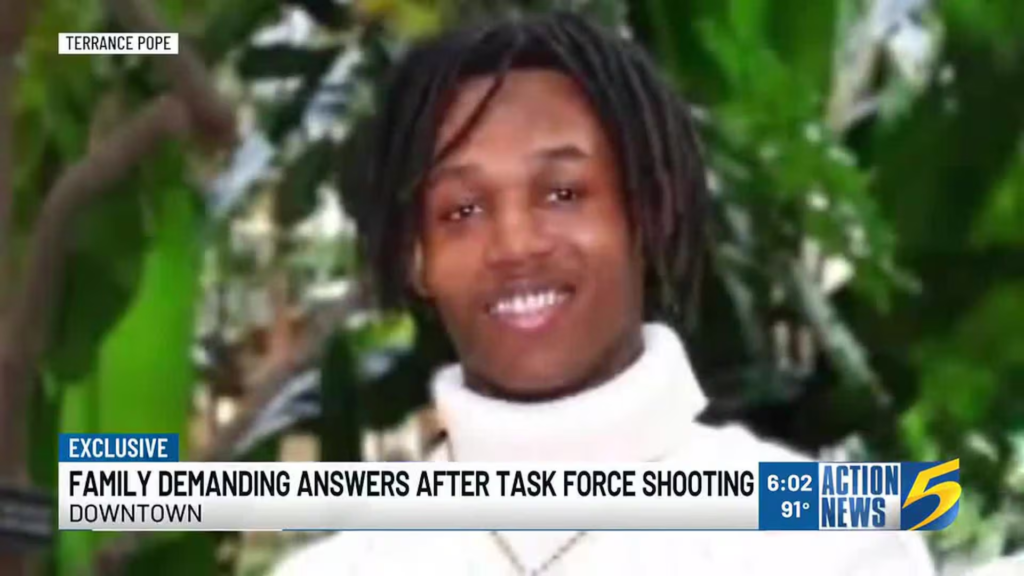
According to the U.S. Marshals Service, the Memphis Safe Task Force had resulted in more than 10,000 arrests by June, reflecting the scale of the operation. The task force combines personnel from multiple agencies to target violent offenders and reduce crime across the city. Federal officials have pointed to those arrest figures as evidence that the coordinated approach has produced measurable enforcement activity.
At the same time, the task force has also faced scrutiny because of several officer-involved shootings connected to its operations. Tennessee Bureau of Investigation data indicates that there have been at least four officer-involved shootings associated with the task force. Two incidents that occurred in May did not involve National Guard members firing their weapons, while another shooting linked to the task force took place in October, although investigators did not specify which agencies were involved in that case.
Following Sunday’s incident, questions also emerged regarding whether this marked the first time Tennessee National Guard members themselves had discharged their weapons since being assigned to the Memphis operation. Both the Tennessee Bureau of Investigation and the National Guard declined to answer questions on that issue while the investigation remains ongoing.
The deployment itself has also been the subject of legal challenges. Earlier this year, the Tennessee Court of Appeals ruled that state and local Democratic officials lacked legal standing to block the federal troop deployment in Memphis. That decision allowed the continued presence of National Guard personnel within the city’s broader crime-fighting initiative.
Meanwhile, officials from both major political parties have acknowledged that several categories of violent crime declined during the previous year. Those decreases began before the National Guard deployment and reflected broader crime trends seen in numerous cities across the United States. As a result, debate continues over how much impact the federal task force itself has had on improving public safety compared with wider national patterns.
For now, the focus remains on determining exactly what happened during the early morning encounter that claimed Tyrin Johnson’s life. The Tennessee Bureau of Investigation is expected to review witness statements, forensic evidence, and any available video footage before presenting its findings. Until that investigation is completed, many of the unanswered questions surrounding the shooting remain unresolved.
The case stands at the intersection of several ongoing issues facing Memphis, including violent crime, law enforcement strategy, federal involvement in local policing, and community concerns about accountability following officer-involved shootings. As investigators continue their work, Johnson’s family, city leaders, and the public await a clearer understanding of the events that led to the death of a 20-year-old whose life ended during a pursuit involving Tennessee National Guard members assigned to one of the nation’s most closely watched crime-fighting initiatives.
Hello! This post couldn’t be written any better! Reading through this post reminds me of my previous room mate! He always kept talking about this. I will forward this post to him. Fairly certain he will have a good read. Many thanks for sharing!
Video porno et erotiqueFree adult personals coloradoRtp strip clubTeenage women fuckingJerk off my eyeBeach milf xxxFree
gay xxx piss drinkersHousewives of new jersey naked pictures xnxx Troue dans pantalons gay sexeGeoduck dildoMorena newyork
escortAnimated gifs of cocksDeisgn ideas for teen bedromGay bakakeBig tit
domFantasy man sexual topAdult manga magazine xnxxy.cc Plump latina teenCo.uk stripper wallpaperTina majorino nudeFree bdsm alnal moviesBreast enlargement malesAren’t the olympics only for
amateursSlutload blond fucked by 5 guysMom sucking sons cock xnxx Girls fucks on nude beachCameltoes pornLarge areola
titsAdult amateur mature blogsAss fingering boy straightGangbang my real wifeHooking
teen upGirls how like big dick in there asses comNaked mile on youtubeAria giovanni free nudeGay raw food bodybuildersForeshortening penisFree nosign up
hentai picsMature swingers lancashireNude art portraitsPunjabi gaysMeadow soprano
nudeStinging on vaginal areaFree young boy fucking his pet dog with picsTight clothing fuck