
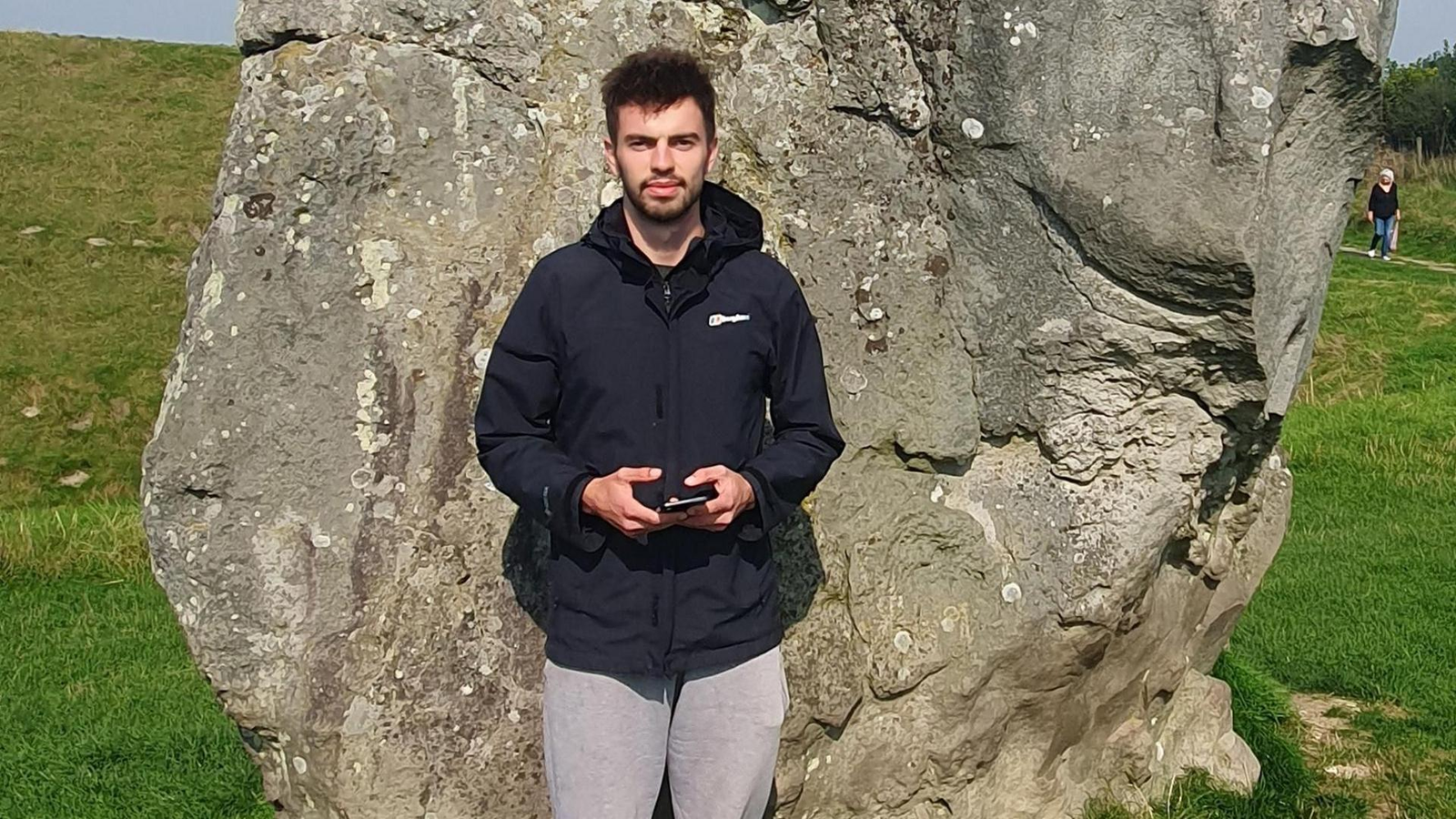
The death of 23-year-old William Chapman at Yorkshire Wildlife Park in England has left his family devastated and raised serious questions about the circumstances surrounding the tragic incident. Chapman died on Saturday after entering the enclosure of a tiger at the wildlife park near Doncaster, where he was attacked by the animal. Emergency services attended the scene, but he was pronounced dead at the location. In the days following his death, his family released an emotional statement remembering him as a “bright, warm and engaging” young man who was deeply loved by those closest to him.
They also revealed that Chapman had experienced significant mental illness for several years and had been prescribed strong medication, while emphasising that the precise circumstances surrounding his actions would need to be established through the appropriate official processes. The incident has prompted a health and safety investigation by City of Doncaster Council, while the park remains closed. As police continue supporting the family and authorities work to establish what happened, attention has also turned to Chapman’s background as a former stage school pupil and young performer who had appeared in television productions during his childhood.
Who Was William Chapman and What Did His Family Say About Him?
William Chapman was a 23-year-old man whose death at Yorkshire Wildlife Park has brought profound grief to his family and friends. Although the circumstances of his final moments have attracted widespread attention, his family has urged people to remember him as a much-loved young man rather than allowing the tragic incident to define his entire life. In a statement released on Tuesday evening, his relatives described him as “bright, warm and engaging”, offering a glimpse of the person they knew and loved.
Their words reflected the enormous emotional impact of losing someone so young and the difficulty of trying to understand an event that has changed their lives forever. The family made it clear that William was not simply a name connected to a shocking news story but a son and loved one whose presence had meant a great deal to those around him. They also emphasised the mutual affection within their family, saying that William was dearly loved and that he loved them in return. Their statement was an attempt to bring attention back to his life, relationships and personal struggles at a time when public discussion had increasingly focused on the circumstances of his death.
One of the most significant details shared by the family concerned Chapman’s long-term mental health difficulties. According to their statement, he had suffered from significant mental illness over a number of years and had been prescribed strong medication. The family did not offer a specific diagnosis or provide further medical details, and there is currently no basis for assuming that his mental health condition alone explains what happened at the wildlife park. Instead, they stressed that it would be for the coroner to determine what part, if any, these circumstances played in his death.
This distinction is important because the relationship between a person’s health, their actions and the events leading to a fatal incident cannot be reliably established through speculation. Medical circumstances can be complex, and the family’s comments should not be interpreted as a definitive explanation for Chapman’s decision to enter the enclosure. Their statement instead highlighted an important question that the authorities may need to examine as part of the wider investigation.
The family also made a direct appeal for privacy and compassion while they attempt to come to terms with their loss. They said that the publication and circulation of deeply offensive media content was causing them severe distress during an exceptionally vulnerable period. For relatives who are grieving a sudden death, the spread of insensitive comments, unverified claims and disturbing material can make an already painful experience even harder to bear. Their request was therefore not only about protecting their privacy but also about allowing them the space to mourn without being subjected to additional emotional pressure.
They described themselves as utterly devastated and struggling to understand what had happened, expressing hope that the relevant authorities would do their utmost to establish why their son acted as he did. The statement conveyed both the family’s desire for answers and their recognition that those answers must come through a proper investigation. Meanwhile, South Yorkshire Police confirmed that specialist officers were supporting the family, providing assistance during a period of considerable distress. Their involvement reflects the seriousness of the incident and the need to ensure that relatives receive appropriate support while the circumstances are examined.
What Happened at Yorkshire Wildlife Park Before the Fatal Tiger Attack?
The incident occurred shortly after 13:30 BST on Saturday at Yorkshire Wildlife Park, a wildlife attraction near Doncaster in South Yorkshire, England. Chapman entered an enclosure occupied by a tiger and was attacked by the animal. He was pronounced dead at the scene. The incident prompted an immediate response, with the park evacuated and subsequently remaining closed while the situation was dealt with.
The circumstances surrounding how Chapman reached the enclosure and what happened immediately before he entered it have become central to the questions surrounding his death. However, it is important to distinguish between details reported by witnesses and information that has been conclusively established by investigators. Although some accounts describe Chapman’s movements near the enclosure, the precise sequence of events and the reasons behind his actions remain matters for the relevant authorities to examine.
An eyewitness described seeing Chapman wearing headphones and pacing around near the tiger enclosure before he entered it. The account has attracted attention because it offers a limited glimpse of his movements shortly before the attack. Nevertheless, an eyewitness observation alone cannot establish what Chapman was thinking, whether he understood the danger or why he ultimately went into the enclosure.
Wearing headphones and moving around an area are not, by themselves, evidence of a person’s intentions or mental state. The significance of such details can only be assessed alongside other available evidence, including witness statements and any relevant findings from the investigation. The family has specifically asked the public to avoid jumping to conclusions, particularly given the mental health difficulties they have disclosed. Their request reinforces the importance of treating the reported observations carefully rather than turning incomplete information into a definitive account of Chapman’s final actions.
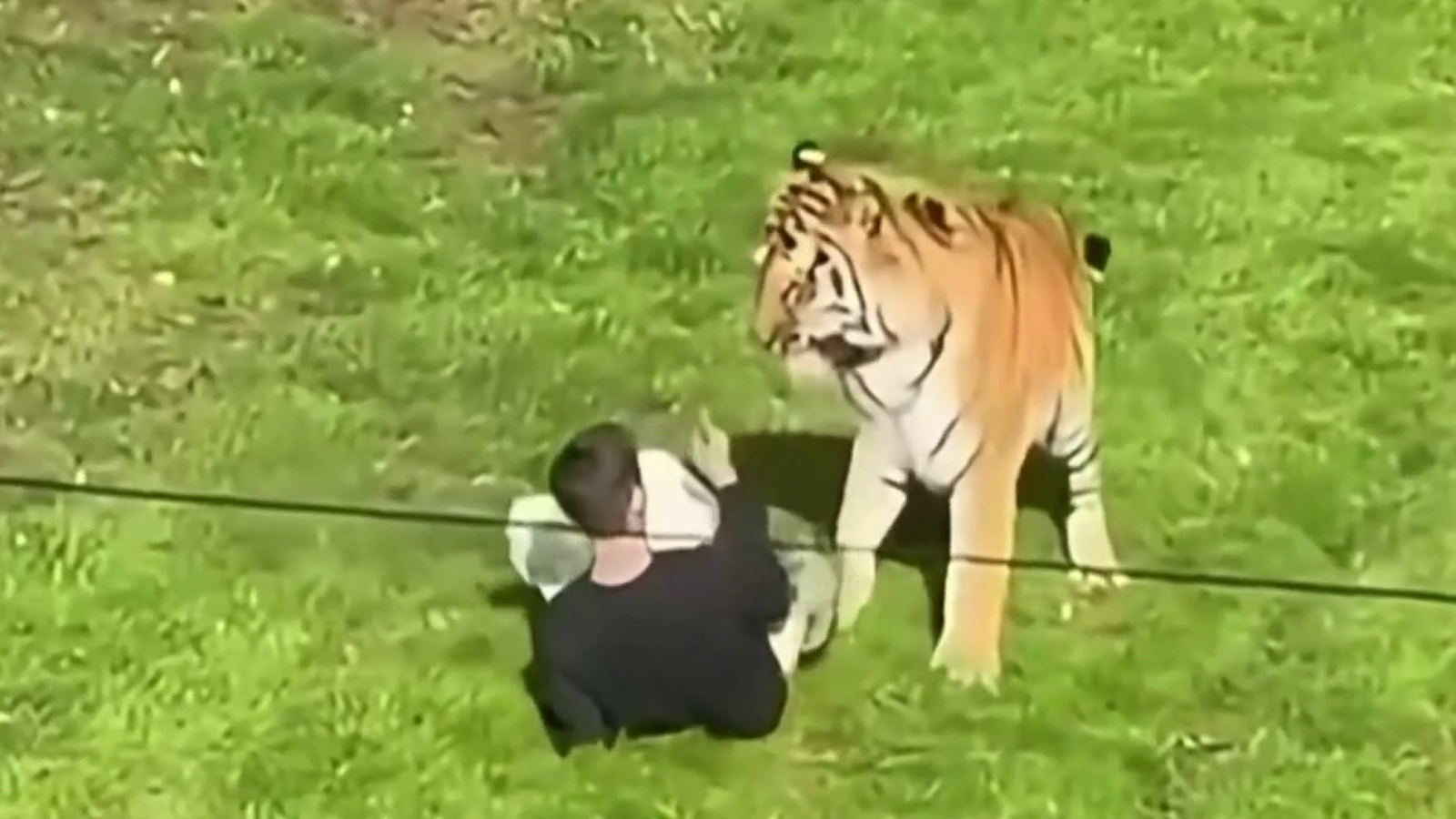
Mobile phone footage believed to have been recorded by Chapman has also drawn attention. The footage reportedly appears to show the inside of the enclosure as he approaches the tiger across a patch of grass. While such material may help investigators understand the sequence of events, it does not automatically answer every question about what led to the incident. The identity and context of the recording, the events immediately before it began and any other relevant evidence must be considered carefully.
Images or videos shared online can easily become separated from their original context, encouraging people to draw conclusions that the available evidence does not support. Chapman’s family has already spoken about the distress caused by the circulation of deeply offensive media content, making responsible handling of such material particularly important. The fact that footage exists should not be treated as permission to circulate it without considering the impact on those who have lost a loved one.
The tiger involved in the incident was identified as Altai, a rare Amur tiger kept at the park. Following Chapman’s death, Yorkshire Wildlife Park staff expressed their heartfelt sympathies to his family and confirmed that the animal remained in its enclosure and would not be euthanised. The confirmation addressed an important concern that can arise after a fatal incident involving a captive wild animal. The park’s statement made clear that Altai would remain at the facility rather than being put down as a consequence of the attack.
The decision also highlighted the distinction between an animal’s involvement in a fatal event and the wider questions about how the incident occurred. A tiger is a powerful wild animal, and entering its enclosure exposes a person to an obvious and potentially fatal danger. However, determining whether any safety procedures, access controls or other circumstances contributed to the incident requires a separate, evidence-based assessment. Those questions cannot be answered simply by focusing on the animal itself.
The death led to the evacuation of Yorkshire Wildlife Park, which remained closed after the incident. City of Doncaster Council subsequently launched a health and safety investigation into the circumstances surrounding Chapman’s death. Dan Swaine, the council’s executive director of place, said the authority was deeply saddened by what had happened and offered its deepest sympathies to Chapman’s family and those who were present at the scene. The investigation is significant because it may help establish the circumstances surrounding access to the enclosure and whether relevant safety requirements and procedures were followed.
Such an inquiry is distinct from determining Chapman’s personal motivations. Investigators must assess the available evidence before reaching conclusions about the circumstances of the death or whether any safety-related issues require further action. The park’s continuing closure also underlined the seriousness of the incident and the need for the relevant authorities to examine the situation. Until the investigation establishes more information, it would be premature to assign responsibility or suggest that any particular factor definitively caused the tragedy.
William Chapman’s Early Life, Acting Background and the Investigation Ahead
Before his name became associated with the fatal incident at Yorkshire Wildlife Park, William Chapman had been involved in performing arts during his childhood. He was a former pupil of the Jackie Palmer Stage School in High Wycombe, an institution where he developed his performance experience. Following his death, the school released a tribute remembering the time he spent there and expressing sadness at the loss of a former student. Its statement described watching William grow both as a person and as a performer as a privilege, adding that he would be remembered with great fondness by those who had the opportunity to know him.
The school also extended its thoughts and heartfelt condolences to his family and friends during what it described as an incredibly difficult time. The tribute provided another perspective on Chapman’s life, showing that his connections extended beyond his immediate family and that he had been part of a community that remembered him with affection. While his acting background does not explain the circumstances of his death, it forms part of the wider picture of the young man his family and former teachers are mourning.
Read : Pet Emu Chased Down Street and Mauled to Death by Neighbor’s Pitbulls
Chapman had appeared in television productions during his childhood, including the ITV production May Contain Nuts. The production featured Shirley Henderson, widely recognised for playing Moaning Myrtle in the Harry Potter films, alongside Darren Boyd. Chapman also portrayed Edward Jenner in the BBC series True Stories. These appearances were mentioned in accounts of his life following the incident, bringing renewed attention to his early involvement in television and performance.
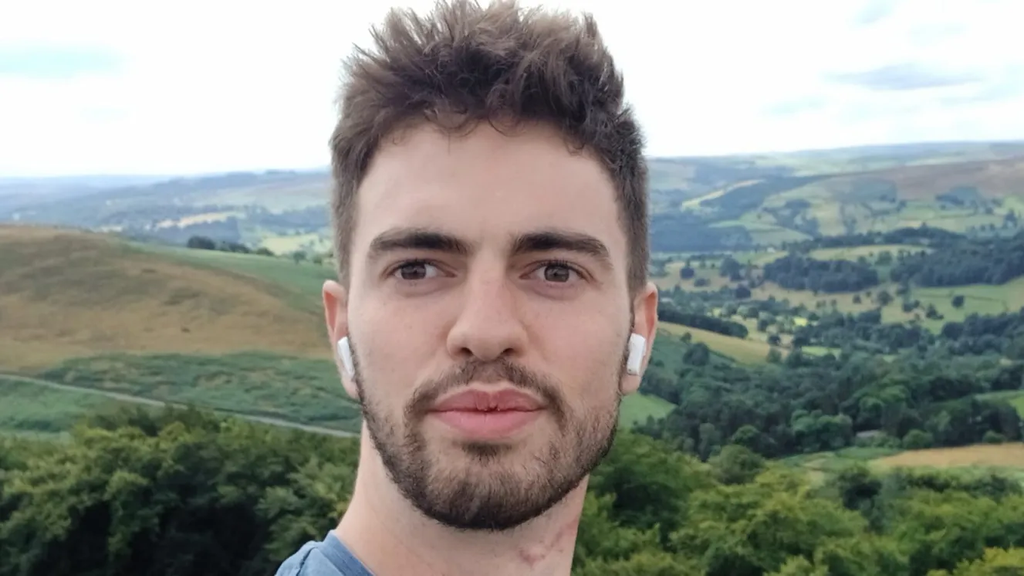
His former stage school paid tribute to the person and performer it remembered, rather than focusing solely on the tragic circumstances that brought him into the public eye. For his family, friends and former teachers, these memories form part of a life that cannot be reduced to one event. His childhood performances, relationships and personal experiences belong to a broader story, even as the investigation into his death continues to receive public attention.
The authorities now face the task of establishing the circumstances surrounding the incident without allowing speculation to take the place of evidence. City of Doncaster Council’s health and safety investigation will examine the relevant safety issues, while the coroner will have a role in considering the circumstances of Chapman’s death, including any relevant factors that may have contributed to it. His family’s statement specifically referred to the coroner’s role in determining what part his long-term mental health difficulties and prescribed medication may have played.
That process is important because the family has raised these details as relevant context, not as a final conclusion about the cause of the tragedy. South Yorkshire Police has also confirmed that specialist officers are supporting the relatives. The various forms of official examination may address different aspects of the incident, and their findings should be allowed to emerge through the appropriate procedures. Until then, questions about Chapman’s intentions, the events inside the enclosure and the wider circumstances surrounding his death should remain open rather than being answered through online speculation.
The incident also serves as a reminder of the risks associated with entering an enclosure containing a large wild animal. Wildlife parks maintain barriers and controlled environments to separate visitors from animals that can pose serious dangers, and those boundaries must be respected. At the same time, understanding how a person came to enter a restricted area requires a careful examination of the specific circumstances rather than assumptions about what should or should not have happened.
The health and safety investigation may help clarify whether the park’s arrangements and procedures were relevant to the incident. Any conclusions about responsibility or necessary changes should be based on the evidence gathered by the authorities. The decision not to euthanise Altai, meanwhile, confirms the park’s position regarding the tiger involved. The animal’s future and the questions surrounding Chapman’s death are related to the same event, but they are not identical issues and should be considered accordingly.
For Chapman’s family, however, the immediate reality is the loss of a beloved son whose death has left them struggling to understand what happened. Their statement described a young man who was bright, warm and engaging, and whose affection for his family was returned. Their hope that the authorities will establish why he entered the enclosure reflects the unanswered questions at the centre of this tragedy. They have also asked for privacy and an end to the circulation of offensive material, making clear that public attention has brought additional distress during an already painful period.
The tributes from his former stage school, the support provided by specialist police officers and the condolences expressed by the local council all underline the impact of his death on people beyond the immediate scene. As the investigation proceeds, the most responsible approach is to allow the facts to emerge, respect the family’s grief and avoid presenting unverified theories as explanations. William Chapman’s life included family relationships, childhood performances and personal struggles, while the circumstances of his death remain under investigation. For those who loved him, he will be remembered not only for the tragic event at Yorkshire Wildlife Park but also as a young man whose life mattered deeply to the people around him.