
In a groundbreaking discovery, researchers have unraveled the enigma surrounding the Plague of Justinian, the world’s first recorded pandemic that ravaged the Byzantine Empire in the 6th century. This catastrophic event, which struck between 541 and 549 CE, decimated populations across Europe, Asia, and Africa, leaving a lasting mark on history.
For centuries, historians and scientists have debated its causes, spread, and impact. Now, recent advancements in genomic analysis and archaeological findings have provided definitive answers, shedding light on one of humanity’s darkest chapters.
Unraveling the Cause: The Role of Yersinia pestis
For decades, scholars speculated that the Plague of Justinian was caused by the same bacterium responsible for later pandemics, such as the Black Death: Yersinia pestis. However, confirming this hypothesis proved challenging due to the scarcity of well-preserved human remains from the period and the limitations of early scientific methods. Recent breakthroughs in ancient DNA sequencing have finally put these debates to rest.
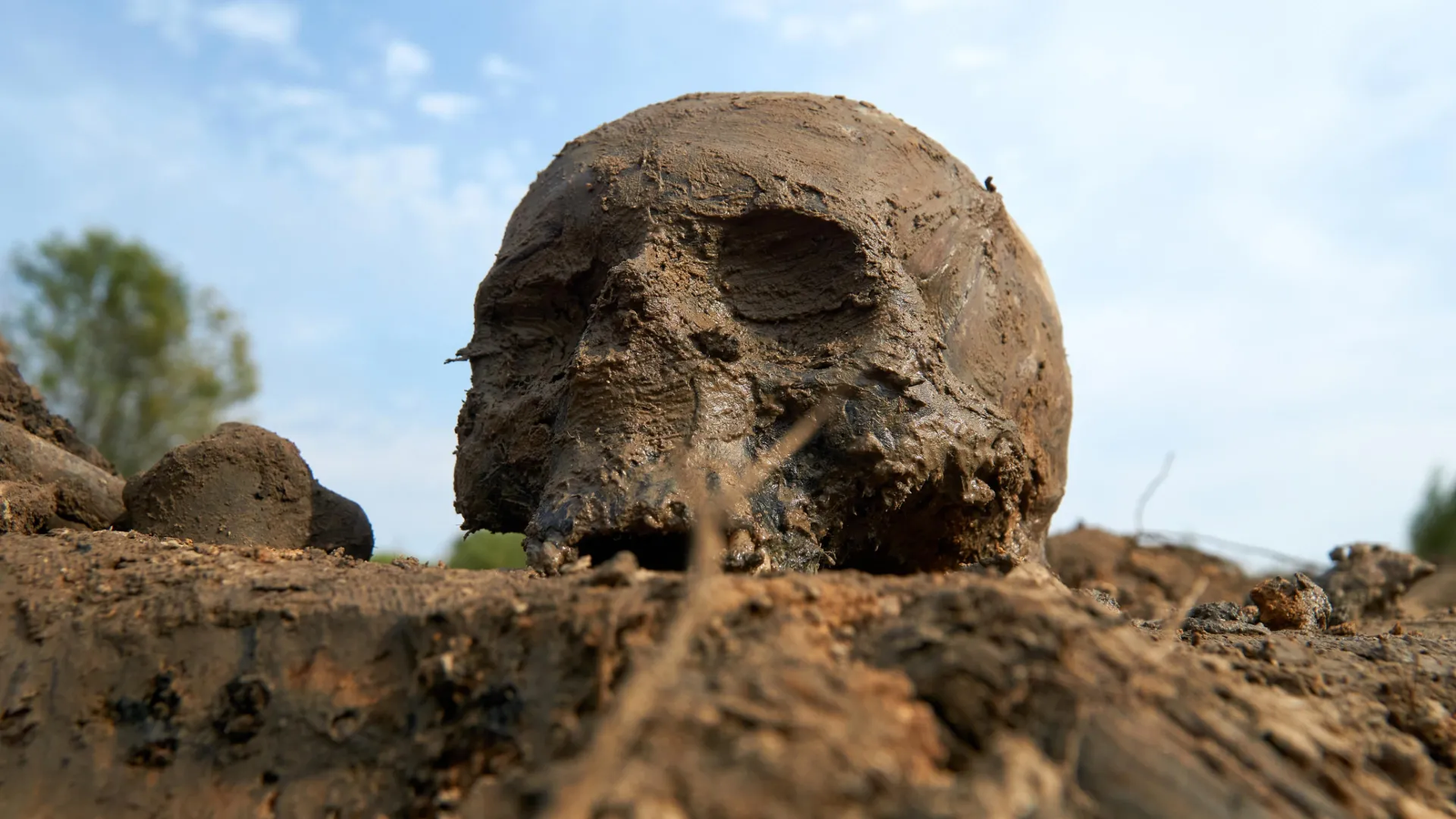
By analyzing skeletal remains from mass graves dated to the 6th century, researchers have extracted and sequenced genetic material, confirming that Yersinia pestis was indeed the culprit behind the Justinianic Plague. The process of identifying the pathogen involved meticulous work. Scientists focused on dental pulp from skeletons, as it often preserves microbial DNA better than other tissues.
Using cutting-edge metagenomic techniques, they isolated fragments of Yersinia pestis DNA and reconstructed its genome. The results revealed a strain closely related to but distinct from the one that caused the Black Death in the 14th century. This strain, dubbed the “First Pandemic” lineage, had unique genetic markers that likely influenced its virulence and transmission dynamics. Notably, the bacterium’s genetic profile suggests it was transmitted primarily through fleas, which carried the pathogen from infected rodents to humans.
Read : New ‘X’ Disease Can Be Deadlier Pandemic Than COVID-19: WHO
This discovery has broader implications for understanding pandemics. The confirmation of Yersinia pestis as the causative agent links the Plague of Justinian to later plague pandemics, establishing it as the first of three major plague pandemics in human history. Furthermore, the genetic data provides insights into how the bacterium evolved over time, adapting to different environments and hosts. These findings underscore the importance of interdisciplinary approaches, combining archaeology, history, and molecular biology to solve historical mysteries.
The Spread of Devastation: How the Plague Swept Across Continents
The Plague of Justinian emerged in 541 CE in the port city of Pelusium, in modern-day Egypt, and rapidly spread across the Mediterranean and beyond. Its swift dissemination was facilitated by the interconnectedness of the Byzantine Empire, a global hub of trade and commerce. The plague likely arrived via grain shipments from North Africa, which carried infected rats and fleas. From Pelusium, it spread to Constantinople, the empire’s capital, where it wreaked havoc on a densely populated urban center.
Contemporary accounts, such as those by historian Procopius, describe streets littered with corpses and a society brought to its knees. The plague’s spread was not limited to the Byzantine Empire. It reached as far as Persia, North Africa, and Western Europe, following trade routes and military campaigns. Procopius estimated that the plague killed up to 50% of the population in some areas, though modern estimates suggest a death toll of 15–50 million people, roughly 10–25% of the Mediterranean population at the time.
Read : COVID-19 Cuts Global Life Expectancy by Nearly 2 Years: WHO
The rapid movement of the disease was exacerbated by poor sanitation, crowded living conditions, and the lack of medical knowledge about infectious diseases. Recent studies have mapped the plague’s spread using both historical records and bioarchaeological evidence. Excavations of mass graves in regions like Bavaria and Spain have revealed clusters of burials dated to the mid-6th century, with many containing Yersinia pestis DNA.

These findings confirm that the plague reached rural areas, not just urban centers, suggesting a more extensive impact than previously thought. Climate data also points to environmental factors, such as a period of global cooling known as the Late Antique Little Ice Age, which may have driven rodent populations into closer contact with humans, facilitating the spread of fleas.
The plague’s recurrence in multiple waves over the next two centuries further amplified its devastation. Unlike the Black Death, which was a single, catastrophic event, the Justinianic Plague persisted in cycles, with outbreaks reported until around 750 CE. This prolonged impact weakened the Byzantine Empire, disrupting trade, agriculture, and military campaigns, and setting the stage for its eventual decline.
Societal Impacts: A Civilization Reshaped
The Plague of Justinian was not merely a biological catastrophe; it reshaped the social, economic, and political fabric of the Byzantine Empire and beyond. The massive loss of life led to labor shortages, which crippled agriculture and trade. Fields lay fallow, food supplies dwindled, and prices soared, exacerbating inequality and unrest. The empire’s tax base shrank, straining its ability to fund military campaigns and maintain infrastructure. Emperor Justinian I, after whom the plague is named, faced immense challenges in holding his empire together, as the plague compounded existing pressures from wars and internal strife.
Socially, the plague altered demographics and community structures. Entire villages were abandoned, and urban centers like Constantinople saw significant population declines. Procopius described a society gripped by fear, with religious fervor intensifying as people sought divine explanations for the calamity. Some turned to apocalyptic prophecies, while others blamed marginalized groups, a pattern echoed in later pandemics. The psychological toll was immense, as survivors grappled with loss and uncertainty.

The plague also had long-term cultural and religious consequences. The Byzantine Empire’s weakened state made it vulnerable to invasions, paving the way for the rise of Islamic caliphates in the 7th century. The demographic collapse shifted power dynamics, as surviving elites consolidated wealth and influence. Additionally, the plague may have influenced religious thought, with increased emphasis on penitence and charity in Christian teachings. Archaeological evidence, such as inscriptions and church dedications from the period, reflects a society seeking spiritual solace amid crisis.
Economically, the plague disrupted the Mediterranean trade network, which had been a cornerstone of Byzantine prosperity. Ports fell silent, and long-distance trade routes withered, contributing to the economic fragmentation of the early Middle Ages. However, the crisis also spurred innovation in some areas. For example, the need for labor-saving technologies led to advancements in agricultural tools, while the scarcity of skilled workers elevated the status of artisans in some regions.
The resolution of the Plague of Justinian’s mysteries offers valuable lessons for modern pandemics. By understanding how Yersinia pestis spread and its societal impacts, researchers can draw parallels to contemporary challenges, such as the importance of rapid response, sanitation, and global cooperation. The interdisciplinary approach that solved this mystery—combining genetics, archaeology, and historical analysis—serves as a model for tackling complex global issues.
The Plague of Justinian stands as a testament to humanity’s resilience in the face of catastrophe. While it reshaped the ancient world, it also laid the groundwork for future societies to adapt and recover. As we continue to uncover the secrets of this ancient pandemic, we gain not only a deeper understanding of our past but also insights into how to navigate the challenges of our present and future.