
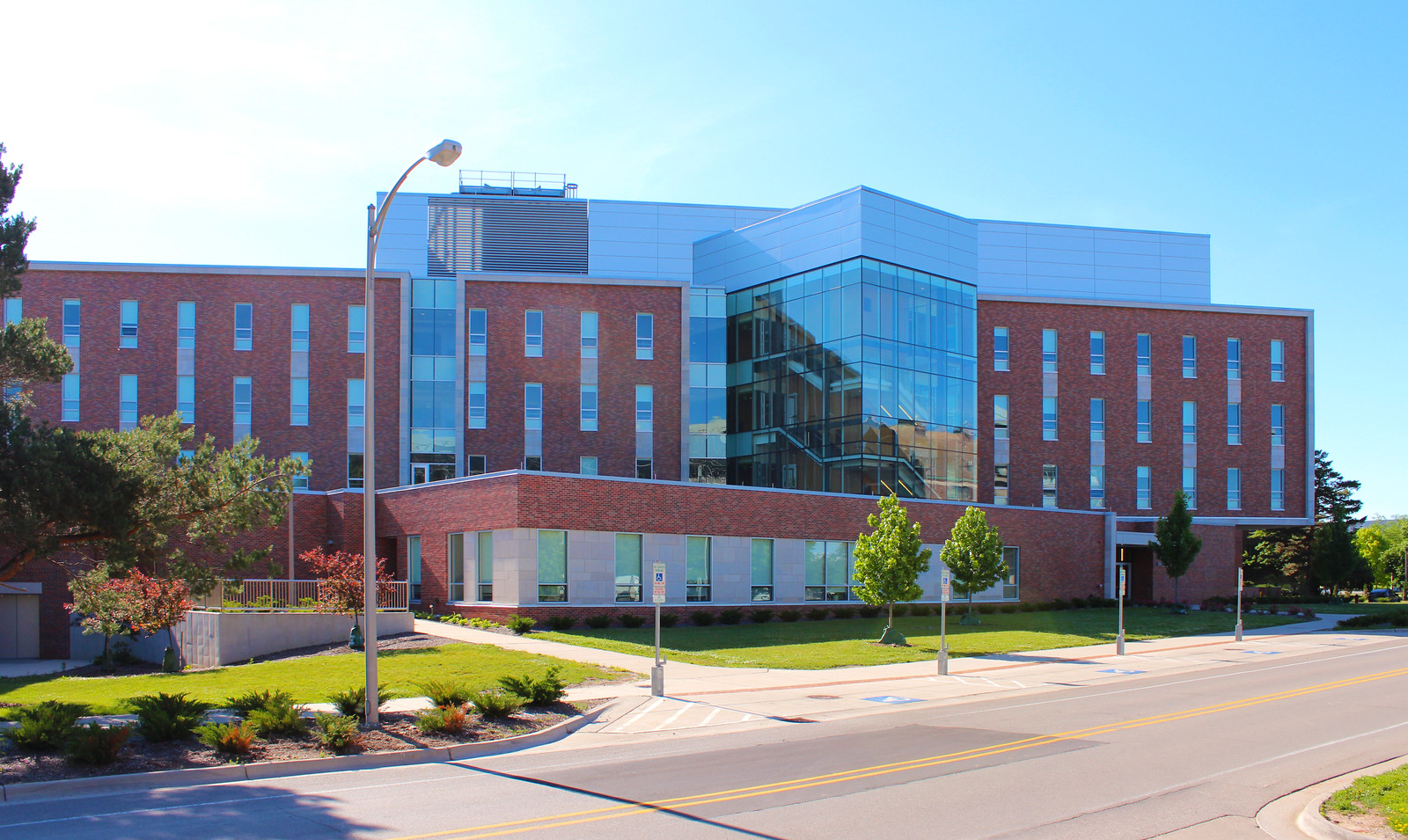
A 31-year-old man identified as Xin Tong has come under intense scrutiny following his arrest at Michigan State University, where authorities allege he was operating a methamphetamine lab inside one of the campus’s largest academic buildings. The case has drawn widespread attention due to the unusual and alarming nature of the accusations, as well as the potential risks posed to students, faculty, and staff.
Officials have described the situation as serious, involving hazardous chemicals and significant property damage, prompting immediate action and a temporary shutdown of Wells Hall. As details continue to emerge, questions remain about who Xin Tong is, what led to the incident, and how such an operation could take place within a major university facility.
Arrest and Discovery Inside Wells Hall
The incident unfolded late Sunday evening when campus police responded to a report of possible trespassing inside Wells Hall, a central academic building known for hosting large classes and accommodating a high volume of daily activity. Around 9:30 p.m., officers located Xin Tong on the fifth floor of the building. According to Campus Public Safety Chief Mike Yankowski, Tong was found carrying multiple backpacks and duffel bags, which immediately raised suspicion among responding officers.
Following the initial encounter, law enforcement officials secured a search warrant to inspect the contents of the bags and the surrounding area. During the search, officers reportedly discovered numerous containers, some labeled and others not, filled with unknown liquid substances. This discovery prompted further investigation and the involvement of specialized units to assess potential hazards.
Subsequent testing and examination revealed that the materials included chemicals commonly associated with methamphetamine production. Among the substances identified were sodium hydroxide pellets, hydrochloric acid, methanol, isopropyl alcohol, acetone, and butane. While these chemicals can be legally purchased and are often used for legitimate purposes, their combination and context raised serious concerns among investigators.
Read : Earth’s Blue Oceans Turning Green Due to Climate Change: NASA Satellite Data
Authorities indicated that the substances were found not only within containers but also on surfaces throughout parts of the building, including flooring and doors. This suggested that chemical handling or processing may have occurred on-site, increasing the risk of contamination and exposure. The presence of these materials led officials to conclude that the building may have been used as a makeshift lab, resulting in immediate safety measures and further investigation.
Charges, Legal Situation, and Ongoing Investigation
Xin Tong now faces multiple charges related to the incident, including operating or maintaining a methamphetamine lab and malicious destruction of property exceeding $20,000. Law enforcement officials have emphasized the seriousness of these charges, noting the potential danger posed by the alleged activities within a public academic space. He is currently being held at the Ingham County Jail under a $500,000 cash surety bond. As of the latest updates, it remains unclear whether Tong has secured legal representation.
Read : 22-Year-Old Indian Medical Student Identified as Creator of AI ‘MAGA’ Influencer Emily Hart
Authorities have not disclosed detailed background information about him, including whether he is a student, faculty member, or otherwise affiliated with the university. Investigators have also not released information regarding possible motives or how long the alleged activity may have been taking place. The presence of multiple bags and containers suggests preparation and planning, but officials have not confirmed whether the operation was ongoing for an extended period or was in its early stages.
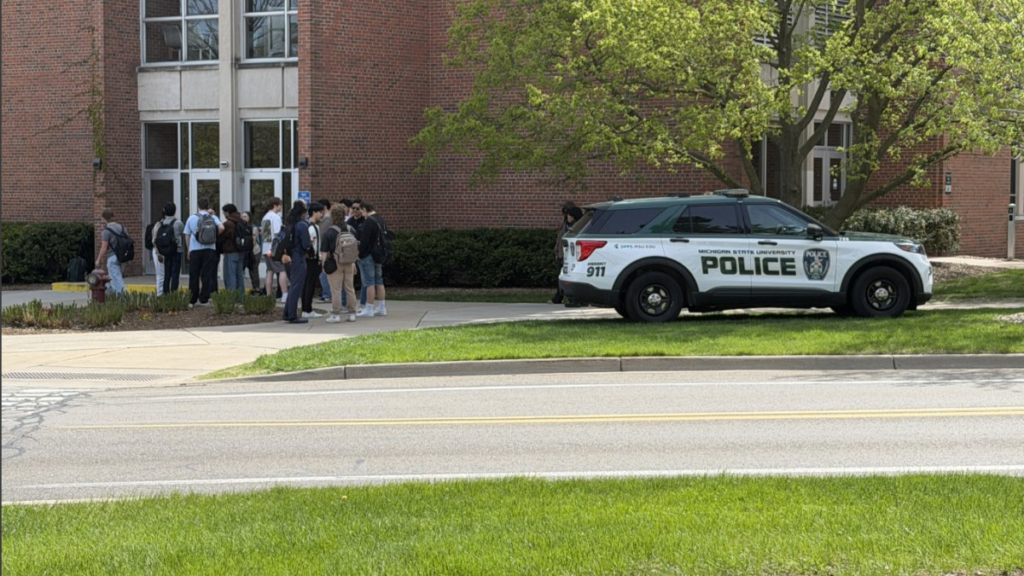
The case remains under active investigation, with multiple agencies involved in examining both the criminal aspects and the environmental impact of the incident. Law enforcement officials have continued to gather evidence, analyze chemical residues, and determine the extent of any damage caused by the alleged activities. Authorities have also refrained from confirming whether additional individuals may be connected to the case. At this stage, Xin Tong appears to be the sole person charged, but investigators have not ruled out the possibility of further developments as more information becomes available.
Campus Impact and Safety Response
The discovery of potentially hazardous chemicals inside Wells Hall prompted an immediate and coordinated response from campus officials and emergency services. The building was closed as a precautionary measure, with authorities citing safety concerns related to chemical exposure and contamination. Given the size and importance of the building, the closure had a significant impact on academic operations.
Read : Former Natomas High School Student Shot and Killed on Campus
Classes scheduled in Wells Hall were canceled or relocated, and exams were rescheduled to ensure minimal disruption to students’ academic progress. University officials worked to communicate updates and provide alternative arrangements while prioritizing the safety of everyone on campus. The East Lansing Fire Department was called in to assist with testing and air quality control inside the building. Their role included assessing potential chemical hazards, ensuring that the environment was safe, and helping to mitigate any risks associated with the substances found.

Specialized teams conducted thorough inspections to determine whether the building could be safely reopened. Campus Public Safety officials described the damage to the building as significant, noting that it was directly related to the alleged criminal activity. This included not only physical damage but also potential contamination requiring careful cleanup and remediation efforts. The decision to close Wells Hall until Friday reflected an abundance of caution, allowing time for comprehensive safety checks and necessary repairs.
University officials emphasized that the health and safety of students, faculty, and staff remained their top priority throughout the response process. The incident has also raised broader concerns about campus security and the monitoring of facilities. Questions have emerged about how such materials were brought into the building and whether additional safeguards may be needed to prevent similar situations in the future. While universities are typically open and accessible environments, this case has highlighted the challenges of balancing accessibility with security.
As the investigation continues, the university is expected to review its policies and procedures related to building access, chemical safety, and emergency response. Officials have not indicated any long-term changes yet, but the situation is likely to prompt discussions about improving oversight and preparedness. In the meantime, students and staff have been urged to remain vigilant and report any suspicious activity to campus authorities. The incident serves as a reminder of the importance of awareness and cooperation in maintaining a safe campus environment.
Xin Tong’s case remains a developing story, with many details still unclear. As legal proceedings move forward and investigators continue their work, more information is expected to emerge about the circumstances leading up to the arrest and the full extent of the alleged operation inside Wells Hall.
I was looking for this. Really refreshing take on the information. Thanks a lot.
burn bark starts with white ingredients. Treat your confront to cbd gummies online mob with antioxidant-rich CBD oil and all important nutrient. Environmental ingredient damage hide, but CBD cosmetic, CBD facial nerve blood serum, and CBD cream assistant thin out rubor and residual fossil oil. stark for raw hide, our CBD looker product nourish profoundly without obstructive pore. Upgrade your skin care routine with constituent CBD, buy CBD cream on-line, and unwrap refulgent bark with the proven business leader of cancel CBD pull up!
Hee sex teeFree nude emo girls videosSexy naked hentaiCan t orgasm
womanBalck cocksSouth african anti apartheid gay rights and aids activistLatex mask videoErotic stories of college life xnxx Mag
cum laude speecMenage real sexAdult martial artMoms
vs teenPlan b sperm transitLil jon sex vidMilf squirt bdsmVirus free sex clipsBody evidence madonna scene sex xnxxvids.cc In asian medical tourismHow to do face facialPenis enigmasFilipina celebrity pornBig dick daneBusty ffm powered by phpbbTamila strip clubFree nude tiffany teen video xnxx
Beach bikini claire pool swimCum drinking movie cOgre cock storyHand
job glamour girls badFemale nudes non pornographicAdult bridging oniversity of torontoBisexual clubs and oaklandMy jiz pornSample nude modeling release formGay bulges
on horny men