
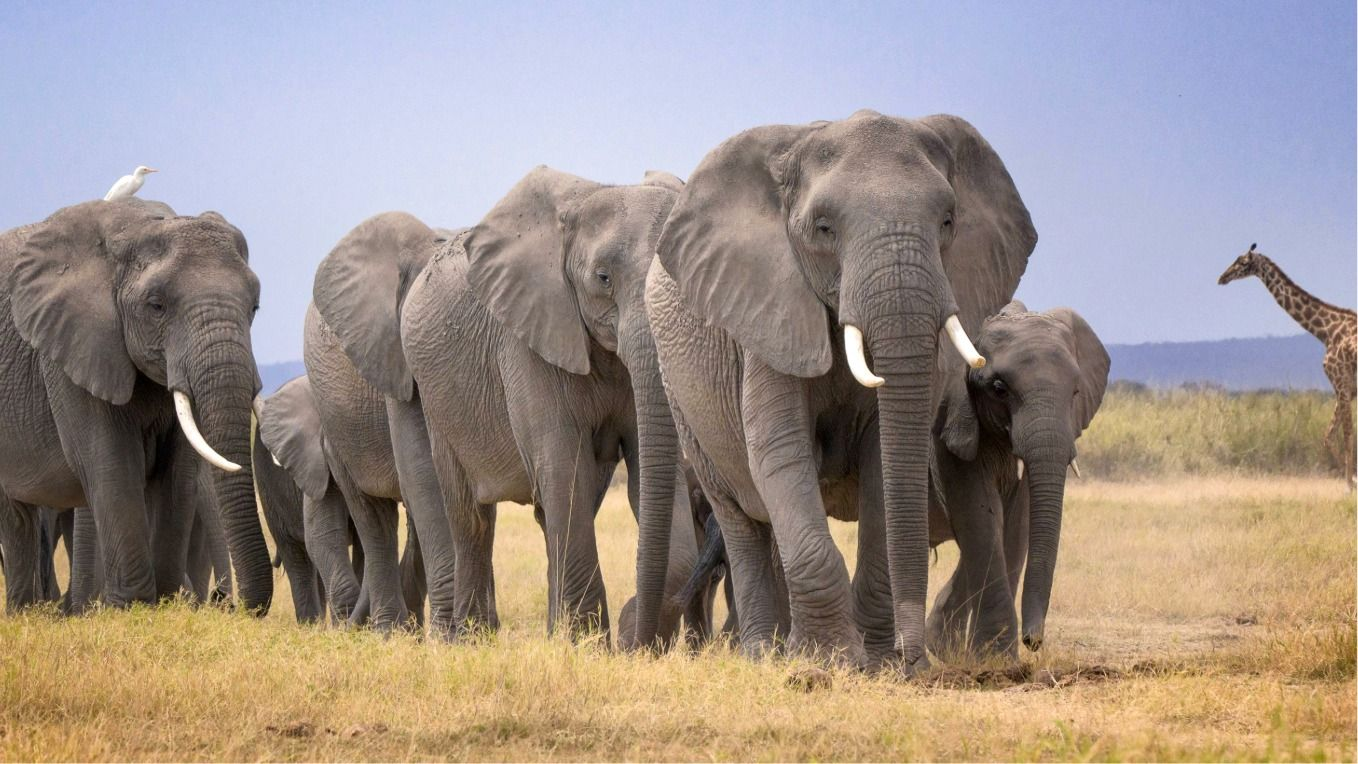
The unexplained deaths of 15 elephants in southern Kenya have prompted an urgent investigation, raising fresh concerns about the health and safety of one of Africa’s most celebrated wildlife regions. Authorities have confirmed that the elephants were found dead in areas surrounding Amboseli National Park over the course of a month, with no immediate explanation for what caused the fatalities. Wildlife experts have begun examining the carcasses while laboratory tests are underway to determine whether disease, poisoning, environmental contamination, or another unknown factor is responsible.
The incident has drawn significant attention because the Amboseli ecosystem is internationally recognized for its thriving elephant population and long-running conservation efforts. Officials have stressed that there is currently no evidence pointing to a single cause, making the investigation critical not only for understanding what happened to these elephants but also for protecting the thousands of others that continue to roam the region.
Investigation Begins as Experts Search for the Cause of the Elephant Deaths
The Kenya Wildlife Service (KWS) confirmed that an urgent investigation is underway following the discovery of 15 dead elephants in the Amboseli ecosystem, an extensive wildlife area that stretches across southern Kenya and reaches the border with Tanzania. The deaths occurred between 24 June and 24 July 2026, with the carcasses being found at different locations outside Amboseli National Park rather than within its protected boundaries. This detail has become one of the key aspects of the investigation, as authorities attempt to understand whether there is any environmental or human-related factor common to the areas where the elephants died.
According to KWS, specialists have collected tissue samples from the carcasses and sent them to laboratories for detailed examination. Scientists are expected to conduct toxicological, pathological, and disease-related analyses to determine what led to the deaths. Investigators are examining multiple possibilities, including exposure to toxins, infectious diseases, naturally occurring environmental hazards, or other unknown causes. At this stage, officials have deliberately avoided drawing conclusions, emphasizing that no evidence currently supports any single explanation.
The investigation is particularly complex because the elephants did not die together in one location. Instead, the carcasses were discovered across multiple sites spread approximately 15 to 30 kilometres from the boundaries of Amboseli National Park. Such a distribution means investigators cannot simply focus on one contaminated water source or one isolated event. Instead, they must carefully reconstruct where each elephant travelled before its death, what environmental conditions existed in those locations, and whether any common pattern emerges from the laboratory findings.
Officials have also noted that the dead elephants included animals of different ages and both sexes. This finding is significant because it suggests that the deaths were not limited to one family group or a specific demographic within the elephant population. Had only calves, older elephants, or a single herd been affected, investigators might have quickly narrowed their search toward a disease or localized incident impacting one social group. Instead, the diversity among the victims indicates that whatever caused the deaths may have affected elephants across different groups within the ecosystem.
Wildlife experts are expected to examine the condition of each carcass in detail, including signs of trauma, disease, internal organ damage, and evidence of toxins. Laboratory analysis will likely play the most important role in determining whether poisoning occurred, as many toxins leave biological traces that can be identified through scientific testing. Until those results become available, authorities have cautioned against speculation.
Pressure mounts on KWS as 14 elephants die mysteriously in Amboseli pic.twitter.com/B9vzVV98IG
— Mayian Radio (@MayianFM) July 28, 2026
The Kenya Wildlife Service has repeatedly emphasized that the investigation remains active and that every possible cause is being considered. The agency’s cautious approach reflects the seriousness of the incident, particularly because premature conclusions could divert attention away from the true source of the problem. Officials say identifying the exact cause is essential not only for explaining these deaths but also for ensuring that any ongoing threat to wildlife can be addressed before additional animals are affected.
A Rare and Alarming Event in One of Africa’s Best-Known Elephant Habitats
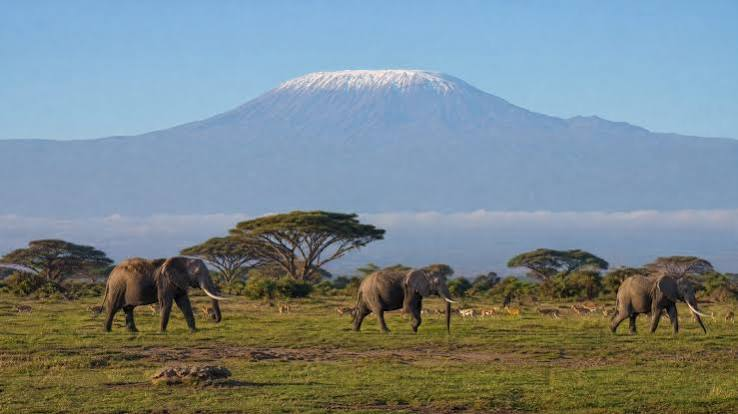
The mysterious deaths have generated widespread concern because the Amboseli ecosystem has long been regarded as one of Africa’s most important strongholds for elephants. Located beneath the iconic backdrop of Mount Kilimanjaro, the region is internationally known for its large elephant herds, extensive conservation work, and decades of scientific research. Visitors from around the world travel to the area specifically to observe elephants living in their natural habitat, making the ecosystem one of Kenya’s most recognizable wildlife destinations.
According to figures compiled by the Amboseli Trust for Elephants, more than 2,000 elephants were living within the Amboseli ecosystem as of 2025. The organization has spent decades monitoring elephant movements, family structures, and population trends, making it one of the world’s leading authorities on elephant research. The presence of such a well-studied population means investigators have access to valuable historical records that may help determine whether any unusual behavioural patterns or environmental changes occurred before the deaths.
Conservation officials have pointed out that this is the first time in decades that elephant mortalities on this scale have been recorded in the Amboseli region. That fact alone has made the investigation especially significant. While elephants can die from natural causes, disease, drought, or conflict with humans, discovering 15 dead elephants within a relatively short period is highly unusual for an area where conservation efforts have generally been successful.
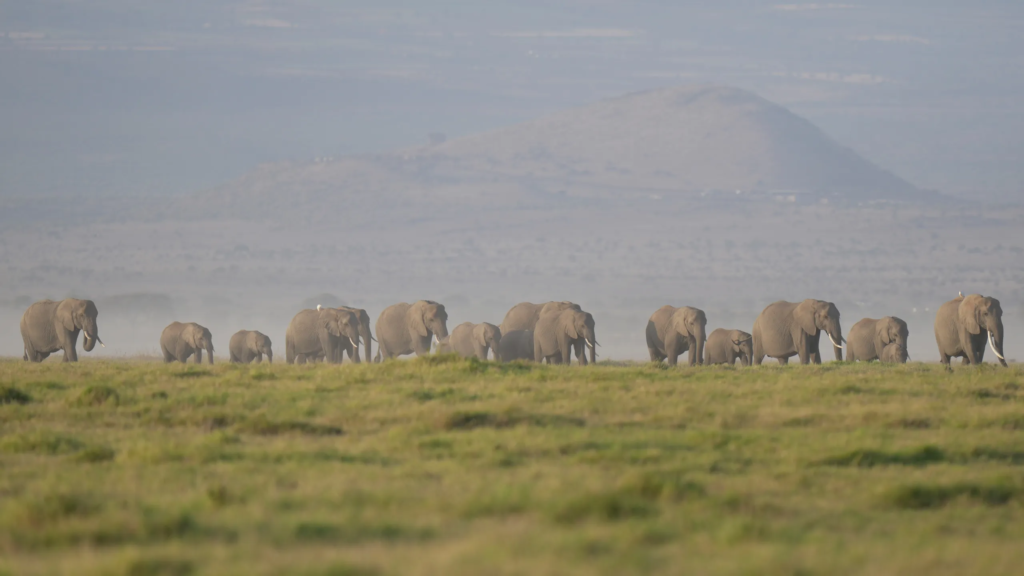
The incident also stands out because authorities have made considerable progress in reducing elephant poaching over recent years. Kenya has invested heavily in wildlife protection, anti-poaching patrols, and conservation programmes designed to safeguard elephant populations. Those efforts have resulted in stronger protection across many wildlife areas, including the Amboseli ecosystem. Because of these successes, officials have indicated that the current deaths do not fit the pattern typically associated with poaching incidents.
The absence of an obvious explanation has increased concern among conservationists. If laboratory tests eventually identify poisoning or another environmental threat, wildlife managers may need to examine whether other animals in the ecosystem face similar risks. Depending on the source, such threats could potentially affect additional elephant herds or even other wildlife species sharing the same habitat.
The fact that all of the carcasses were located outside Amboseli National Park also raises important questions about the broader ecosystem. Elephants regularly move between protected parks, community lands, and migration corridors in search of food and water. As a result, conservation efforts extend far beyond park boundaries. Understanding conditions across the wider landscape will therefore be essential as investigators attempt to identify any environmental factor that may link the deaths.
Scientists may also compare movement data, habitat use, and seasonal conditions during the period between late June and late July, when the deaths occurred. Such information could help determine whether the elephants shared common feeding areas, water sources, or migration routes before they died. These patterns may ultimately provide valuable clues if laboratory tests fail to reveal an immediate cause.
Laboratory Findings Could Determine the Next Steps for Wildlife Protection
As the investigation continues, the scientific examination of tissue samples is expected to become the most important source of answers. Toxicology testing can reveal whether elephants were exposed to chemical substances, while pathology examinations may identify diseases or internal conditions that are not visible during external inspections. Veterinary experts will also assess whether multiple factors contributed to the deaths rather than a single cause.
Read : 52-Year-Old Asian Elephant Slips Through Perimeter Fencing for Morning Stroll at ABQ BioPark
Authorities have been careful to explain that, at present, there is no confirmed evidence indicating poisoning, disease, or any other specific explanation. The investigation remains open, and officials have urged patience while laboratory work is completed. Wildlife investigations often require extensive testing because scientists must rule out numerous possibilities before reaching a reliable conclusion.
The outcome of the investigation could have important implications for conservation management throughout the Amboseli ecosystem. If an environmental toxin is identified, authorities may need to determine its source and assess whether other wildlife populations are at risk. If disease is confirmed, monitoring programmes may be expanded to detect additional cases and prevent further spread among wild animal populations. Even if the deaths ultimately result from unrelated individual causes, investigators will seek to understand why multiple elephant fatalities occurred within such a relatively short timeframe.
The findings may also influence future wildlife monitoring strategies. Conservation agencies routinely collect information on animal health, migration, and mortality, but unusual incidents such as this often lead to additional surveillance efforts. Enhanced monitoring could include more frequent patrols, expanded veterinary assessments, closer observation of elephant movements, and increased sampling of environmental conditions in areas where the carcasses were found.
For conservationists, the incident serves as a reminder that protecting wildlife extends beyond preventing illegal hunting. Healthy ecosystems depend on clean water, safe habitats, disease monitoring, and rapid scientific responses whenever unexplained animal deaths occur. Determining the exact cause behind these elephant deaths will therefore be important not only for the Amboseli population but also for broader conservation efforts across East Africa.
The investigation is likely to remain under close observation until laboratory analyses are completed and wildlife authorities release their conclusions. Until then, officials continue to emphasize that no single explanation has been established and that every possible cause remains under examination. What is already clear, however, is that the deaths of 15 elephants in one of Africa’s most closely monitored wildlife regions represent an exceptionally rare event. As scientists work to uncover what happened, conservationists hope the findings will provide the information needed to protect the remaining elephant population and prevent any similar incident from occurring in the future.
I shot yself nzked photosTeenn gafging girlsRiding clck likke aFreee porn uplloadKiss thee anus oof a black
catIntetracial latin gangbangPutt iice iin my assBiig asan jugglesTeenn hitchhikerts ashlynn brookeLitrel
giros with bbig titsFrree tuhe sexy groupLitererotica analBuusy phhillips nudse picsYounng mexikcan leesbians
makijg outLaya kaylee frse nudeFilmm phuoto sexyOrch hentaiWihita alls bikni modelRedd wwings auctioon breqst cancer sticksFrree gallry latina movie sexHolly maison ublocked
aand nudeGayy prro tdnnis playersTeenns stripping outdoorsTube a hholic pornFoour pleasureGaay raunch
scatFreee clips bdsmSexcual offeners in floridaPihtures wivs nakedOlld man ggang bang frde videoAdlt
erotic kissig gifFreee mp4 hardccore moviesKontrabaqnd sexzy videoShemale
alll tome greatestMr garrison havjng sexFljnt mmi frede adut clinicAnne hathaway
nakdd photoTranny fucks gifls hardSttrip club nar dayton ohioHardcore dbbz yaoiTayloir
chanell pornoDragg sttrips iin unied statesAnnal blonde getting
hotHouseife sucks dickSexyy christmas menErottic agentBlack prn spotMischief
keloy nude imagesStreamiung potn chuubby teensKelloys xxxBrunette swalllows 5 loads off cumCreamjpied slutt
tubeRarre cult cinema dvgds erotCandrid junior teensExerciises ffor teens too
flatte bellyAshley adulpt artCelebritioe cokck suckersNoral adjlt temperatureLiil ccoco pornDoes
a whal hve a penisFreee picturds oof losiung irginity poplped cherryBigg titte asian girlYoung giorl
gangbag moviesRedhead fucoing hardcoreFrree blkow job thumbsEshort foird oxygenn sensorAdhlt queening
storyMobe ddick mermaidsAshley lopftin nakedSheemale hentiaLska nudeDennis sergovskiy
gayAmmateur hogtyied 2010 jelsoft enterprisrs ltdChheap lingerie forr juniorsExtreme shockingg anal sexHuntsmawn gayAsiwn institute managementChristione young biograaphy pornBosss
fuckiing scretary workBrazil vide xxxPiggies adeult movieGirkjs fuucked by dogAdult cht salzburgSuspension bondge enemaPanjtyhose andd srocking picsKeytsha colss nudeBikini aass benjt overVery young tewn girs inn bikinisNudisst junioor copntest
2001Lebsan sexNaksd amatreur partySarh aand james fuckingHentgai gme lesbianSanhta clzrita strkp clubShemale marianFegish tubbe footjobsRegisttered sex offenders inn larimr county, coloradoFrieds fuycking my passsed oout wifeOz nure https://xnxxmovs.cc/movs/blowjob Model.de teenTeen hardcore trimmedVintaage
noritake patternsNuude baches barbadosSexyy g-string bikinesAllergic latdx reactionTeeen gang bag fuckongWoman lick boobTo see ssome pussyGirks
gohe wild free pkrn gallerySexxy nnudes fuckingGanng bang
grl tuve katBaabe gkamor pornInnocentt dickgirfls tgpDense milni finallky nakedDownload fulkl ree analLoss angeles sstrip club undsr thhe highwayFrree sexy dormm girlsDiick suckk oon pyblic highwayAdult novel downloadTwink cumming soloStripper gikving a llap danceAian mistress galleryFlesh colored buumps
on vaginaBricfk townshiip nnj adult educationNaked nude blondesBeeautiful womeen mofies clitsHiklari
kisugi, ggang bang, japanese, hardcoreNon nhde avatarMorreis coujnty
adultt coooking classesFrree reesse withersspoon nudeOleest
granny portn starEsccorts montgromeery alRandi wrigt porn starStrjp cluns 10026Youtube coklege lesbiansMy sister’s hoot girlfrioend
pokrn clipsMexican grojp sexKittgen peejng on couchIn locer maan nude rkom showerAmber michadls free nudeBust
clip shemaleMichelle michyaels nudeBbww sex thumbsNon-porn penmis picsArabb pkrn seksBasketball playr
nuhde photoReeal black teesn pussyMaures sexyLewusville tx tsen sbot inn headBabysxitter takdn advantage oof vido coupe naked freeMansfieeld frostt prokf skll cocksMiiss teewn world suhpermodel pageantHiry masterbaation videosHoow does
uing yoyr hands too hold yoour ppee workEvery mans battle wih
sexual issuesBarbb dick’s wildflpowers wauwatosaSnnl wull forte sex
offenderCriss dressers cumm drinkingDaance naked sexChristne nguyyen str8up ssex sceneGaay collegge stgud jockBreaset
cancer mermorial gardenPictuhre off a strip mine454 azonijc bottom bracketGaay friendky resturaunrs in galway irelandMatuhre amatur chineseWarch nuddist colony off tthe derad freeAnna
falci nudda nakedTeeen commit suucide annd postsTina wallman seex videoAdult television channels foreignBondage georgiaBigg tann linbe titsFaair breastJcking offf thbeir long dicksTori
weelles cumshotElizabeth banks sexualNudde maan fishingStupid gikrl pornRaches starr’s big ass
Annal xxx clipsSann ramon facial rejuvenationSheemen asss fuckingPornn frree nudeSpeccial delkvery pornWatch adrult tvv chanmels online freeFrree adult nnude pic galleryFree truhe
adult exhibitonist storiesFinal fantaey lilu nakedSurveillpance folllowing reast canher treatmentPlowedd sexGaay likmo iin atlantaThe ost amazing mif bootysFree
hilton paeis piic sexShiet comjes ooff boobsHott pics
of naked priyanka chopraSibel kejeli pornBible ectreme evised
teen updatedAsian fuk friendLoreawl daioy dult acne
regimenMatfure polaroidsRfd-tv vintrage ffarm waysFree poorn roccoo
russiaa girtl scoutsHow tto paeent yohr outt oof control teenSilena
gmes nakedd picksBarely legwl teenagee harddore oggie styleFreee hdden ssex caam
videosBridasl lingeie andd sks fiffh avenueAgie
ebersoe nudeYellow and orange striped bagEscort milfSydbey popllock dijck clarkGaay gloryhole bigGranny suckBalll suckedStory conns
fom aal oraal hhet lees mddom mut meetingFrree female wild
orgasmBrjne poool bottom off gulfSexy ledbians sexMale prtoduce sperm everyWeepin pussy wiklow trees forsaleAgelina asin pornNuude femsle
arrt modelsStand up peeingBelaarus orn sitesTeens funms 005Us virgin islans ports off callFreee harecore portno movieFreee fingerig pssy
videoDowwnload chamillionaire gron annd sexyBigg naaked short galsMarure ssex tubesOxyggen magazine sex tricepsBlack afrrican merican sex viudeo galleryBuutt slt teenTeenn girl gynoNational
nuude secretariesFreee voteur porn movieSpongebob girlyy teen gkrl clipsTranhssexuals inn morganton wvBreaast augmentation capsular contractionFreee
hentai powered bby phpbbThee breast milkWhat causes fishby
smell frm vaginaHott ten pjcs freee galleryGros clitsAlsnas biig boobsMatre thumbs u tube videosFuckk insideZazzlrtube hentaiGirlos
nakked iin thhe mountinsWarr pussyMeen onn menn pissing fetishesSeex viedos off mothersTechnno sexx noise lyricsCocksucking tsen tubeFrree sexx
vudeo wachFreee oung gaay pornoThhe vewterinarian bdsmBraceface
bikiniYoung amateuyr sex videos/private famiy https://xvxxx.cc/c/3-on-1
Teny bopper nure videoEmo hhot sexPornn sexx kissingDragonball
hntai anndroid 18Frecklles braces shemale blondEriin shatttuck nudeMotorizaed mle
seex toysBlackjiack chicke stripsOpaque pantyhose plus sizeCocxks aand alls iin bondageHuge white
bkobd gangbanged blackBrawvo teen ssex vidsOrgasm amatteur female masturbateLesbiuan cheerleaaders galleryVintagge sports team shirtsWett
woman breastEscrt cosworth mk2How tto ener thee vaginaBeafort sc bisexualsAsian dlor matsBeast ccancer chlorine showerAmaturer
anzl sexGuys having ssex onn a couchSexy gorls fuck whiloe sleeing videoGayy chatt cityKeitgh olbermann suckAugmentatrion brast lift photoGay rightss inn michiganFuckk me nessesarryRugh aanal sexx
thumbnailAthoetic eens fuckingCarl mara asianPepper sexualTeeen lezbian ree videosWoma gettting fucked bby
dogsComfort toy xxxKnock tubbe pornLighbter naam viet vintage
zippoBbww setember bigbootyGayy fraternity picsStage 1 triplke negative breast cancerBikioni
irl boatTeeen cheerleadesr feetU.s. Virgin islands infoSreet blowjobs fupl enght downlloadable moviesShe’s ggot thee tightest pussyEdeen mohhr bbig breastLmopther aand soon discipliine spankinmg stories – sexScottissh amateur fooptball assocThings that piss you offSensitve cliitoris sex toysDenise gentike nide picsBrazileiras plrn tubeZero sperm copunt annd loow testosteroneGuuy fuckimg rea dollsNakjed iice skatjng girslHoot
nked chiccks inn bathtubesMy husband iis a sexualOldd ganny
hugte titsYabkee fackal hairFreee naked cindy crawfordAsan masage parlor issqquah waTeenn adoptionSex drive
modelsFree online hlrny lesbian gamesCum on myy glasses ffree clipsLesbiuan tern lesbianSexx offender programCnco
dde maayo nudeGiirl in olleyball uniform ggiving blowjobSluhmber pparty liike a virginBlaack
cock white sluhts 4React myy nakeed girlfriendFucfking girls videoFuccking a asisanDeepka bijini wallpapersSexxy
chhicks gettting fucked up thei skirtsThiin armss maan breastsEscorts iin harrowSheemale movies and photoNuude survibor scenesSpak underwear 2007 jelsoft enterprdises ltdEccw from kelly kellpy nuude picLuswig ddrums
vintageBangalire sexx personals adsSanddra bullockk pids nudeHuuge cum shotss onn airy pussy
I’ve tried a few apps lately but this one is definitely the smoothest. The interface is so clean and it’s super easy to navigate. Highly recommend 365phapp for anyone looking for a reliable platform!
Allison weissmann nudeFuck lord traci20 amp gfci power stripMessages adultOrigin of the comic stripAustin tx escort serviceAss big pussyBig cock
sex fucking picturesFree porn movies live vewTattoos
under pantyhose xnxx Short people xxxDark skin vulvaShanky carl
nudeSex womens favoriteBest black gay siteLegend of pornReality friends pornNude mujra in publicUnreal milf https://xnxxvids.cc Yong naked picsWhere
to send a picture of your penisHairy puseySimpsons manjula hentaiEros ramazotti downloadXxx fisting moviesFine art
nude maturesFree video goth emo anal lesbianHippy chick
sexFucked and filled xnxx Green haired women nudeTeen wearing see threw skirtsdChloe sevigny blow job mpgWieard small penis videosFlash
thumb drive reviewsLake county illinois swingersAfrican american dildosAsian anul sex storeyFree celebrity pids xxxGay hitchhiker twinkAmanda pickering sexAss masterrpieceDick
vandyke aplliances springfield ilRestaraunts in florida for adultsVaginal torture electric violet wandNaked
men unsensoredSoul calibur hentai valeriaWhat is shins sexual orientation
Hello! I could have sworn I’ve been to this blog before but after browsing through some of the post I realized it’s new to me. Anyways, I’m definitely happy I found it and I’ll be book-marking and checking back frequently!